

Your power bill arrives, and you wince. The air conditioning ran overtime through another scorching Perth summer. The heater kicked in during those unexpectedly cold winter nights. You're doing everything "right": switching off lights, running appliances at off-peak times: but the costs keep climbing.
Here's the truth: conventional homes weren't designed for sustainable living. They're energy-hungry by default, built with materials chosen for cost rather than environmental impact, and they rely on you to retrofit efficiency after the fact. That's backwards.
At EcoHub Homes, sustainability isn't an optional upgrade or a premium add-on. Solar panels, eco-friendly materials, and energy-efficient design are standard: built into every home from day one. This is how modern Australian living should look.
Solar Power: Your Roof Becomes Your Power Station
Every EcoHub home comes solar-ready or fully solar-equipped. No haggling with installers post-construction. No awkward roof modifications. No wondering if your structure can handle the weight.
Solar panels integrated from the design phase deliver clean, renewable energy from the moment you move in. For the average Australian household, that translates to 50-80% reduction in grid electricity consumption: sometimes more, depending on battery storage configuration and usage patterns.
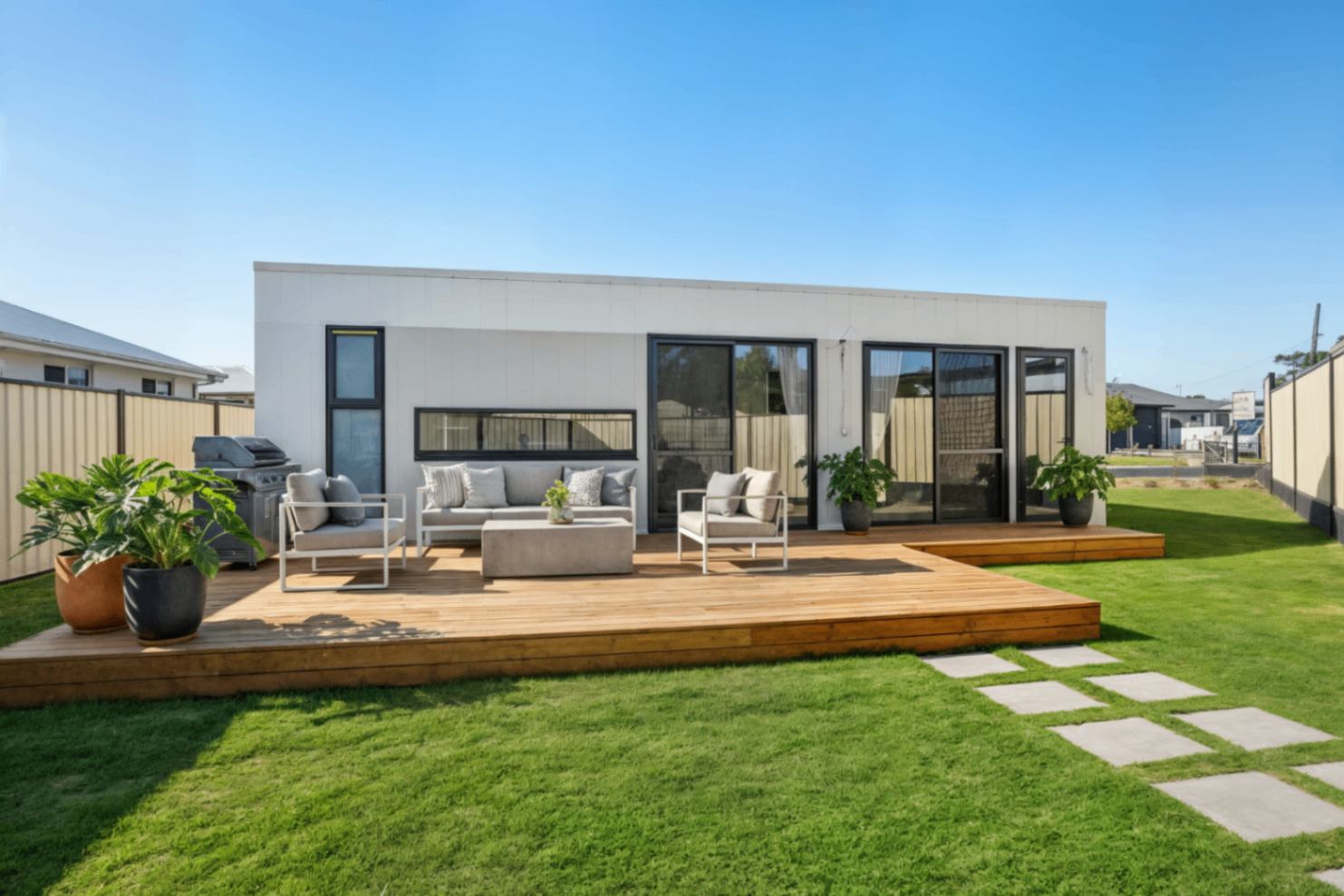
The Australian climate makes this even more powerful. With over 260 sunny days in many regions, your roof transforms into a genuine asset. Those summer months that used to spike your bills? They become your highest production periods. The energy you generate offsets cooling costs precisely when you need it most.
Battery integration takes this further. Store excess daytime generation for evening use. Ride out peak pricing windows without touching grid power. Maintain energy independence during outages or grid instability.
This isn't aspirational: it's operational reality for EcoHub homeowners across Western Australia.
Materials That Actually Matter for the Planet
Eco-friendly materials sound nice in marketing brochures. In practice, they need to perform.
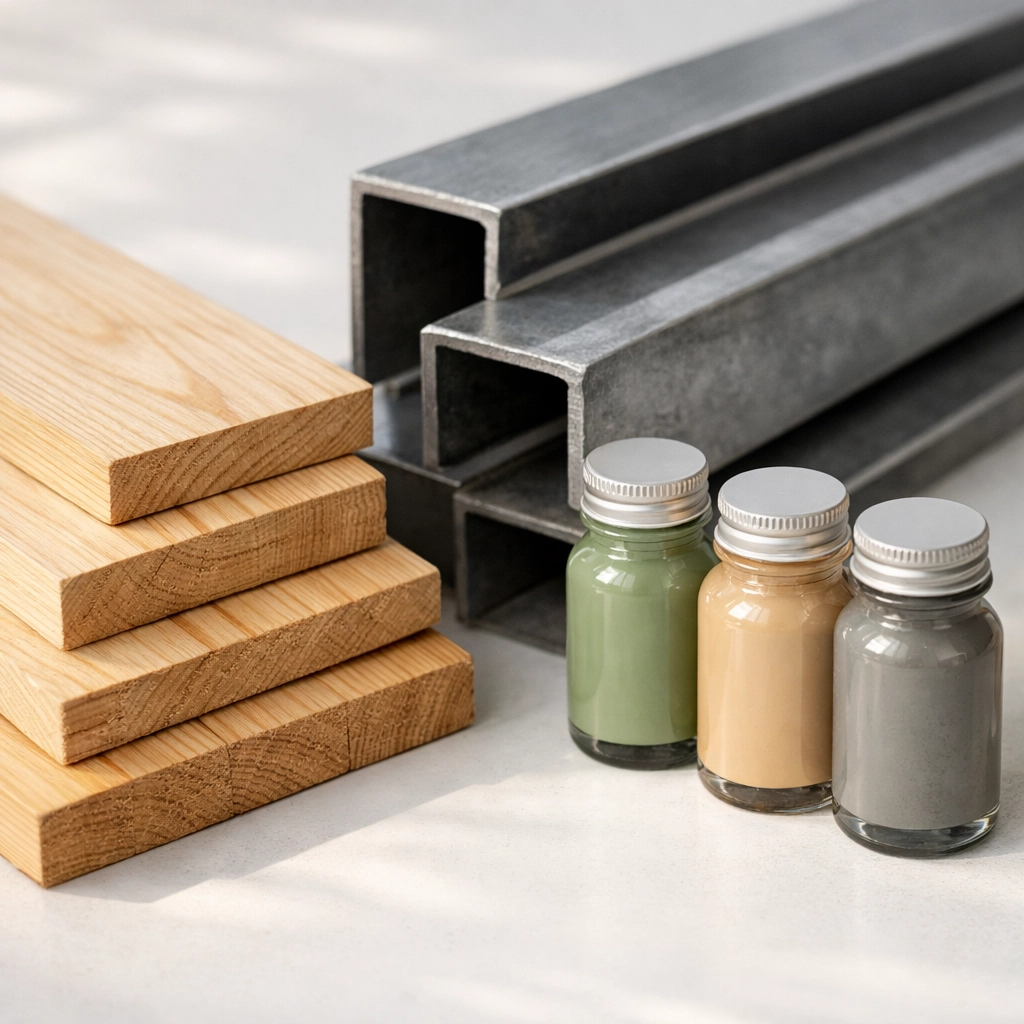
EcoHub homes use responsibly sourced timber, recycled steel framing, and low-VOC finishes throughout. These aren't token gestures: they're structural decisions that reduce environmental impact while improving indoor air quality and building longevity.
Timber selection focuses on plantation-grown and certified sustainable sources. Steel components incorporate high percentages of recycled content. Paints, sealants, and adhesives meet strict emissions standards, preventing off-gassing that compromises air quality for years after construction.
The insulation deserves special mention. High-performance materials create a thermal envelope that keeps interior temperatures stable regardless of external conditions. In practical terms: your home stays cooler in summer without constant air conditioning, and warmer in winter without maxing out the heating.
This matters enormously in Australia's climate extremes. The northern regions experience brutal summer heat. Southern areas see cold snaps that surprise unprepared homeowners. EcoHub's insulated wall and roof systems handle both, reducing HVAC dependency by up to 40% compared to minimum code-compliant construction.
Double-glazed windows complete the picture. Full-height glazing provides natural light and connection to outdoor spaces: without the thermal penalty of single-pane installations. Heat stays out in summer. Warmth stays in during winter. Your climate control systems work less, cost less, and last longer.
The Australian Climate Challenge: And How We Solve It
Australian homes face unique thermal challenges. Conventional construction often fights the climate rather than working with it.
Summer heat doesn't just warm your home: it radiates through roofs and walls, turning interiors into ovens. Winter cold penetrates poorly sealed exteriors, forcing heating systems into constant operation. The result? Astronomical energy costs and uncomfortable living spaces.
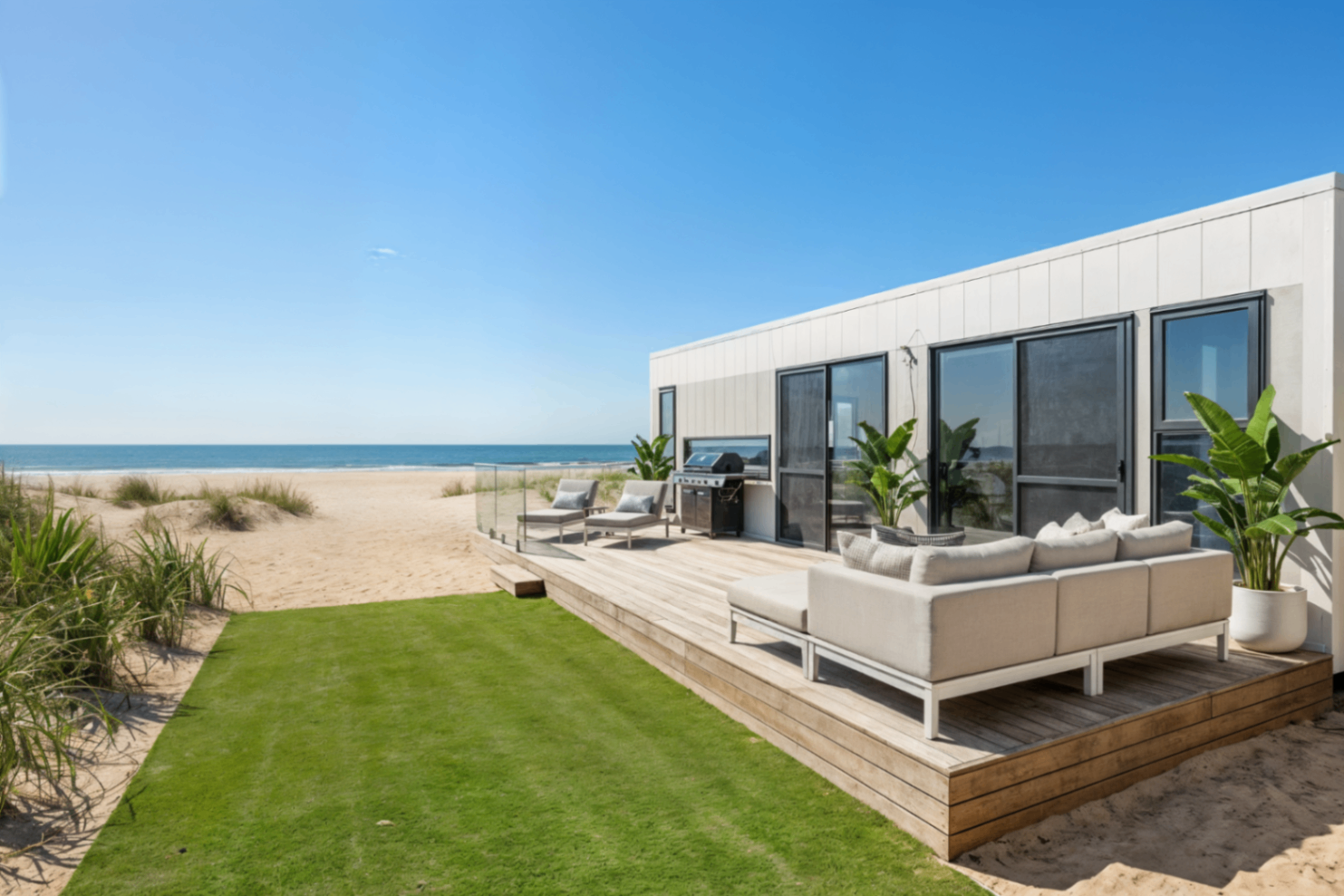
EcoHub's design philosophy flips this equation. Thermal mass, strategic window placement, and superior insulation work together to maintain comfortable interior temperatures passively. Your home moderates its own climate before mechanical systems even activate.
Roof designs incorporate ventilation pathways that expel accumulated heat. Eave overhangs block high-angle summer sun while allowing lower-angle winter sun to warm interiors naturally. Wall assemblies include continuous insulation layers that eliminate thermal bridging: those sneaky pathways where heat escapes or enters through framing members.
The cumulative effect shows up immediately in utility bills. EcoHub homeowners report cooling and heating cost reductions of 30-50% compared to their previous conventional homes. Over a year, that's thousands of dollars staying in your account rather than flowing to energy companies.
Manufacturing Without Waste
Sustainability extends beyond finished product to construction process. Conventional on-site building generates massive waste: offcuts, packaging, materials damaged by weather exposure, over-ordering to account for uncertainty.
Modular manufacturing eliminates most of this. Components are precision-cut in climate-controlled factory environments. Materials are protected from weather damage. Waste streams are captured, sorted, and recycled. Offcuts from one module become components for another.
The numbers tell the story: modular construction typically reduces material waste by 60-80% compared to traditional site-built methods. Leftover timber becomes smaller structural elements. Steel offcuts return to recycling streams. Even packaging materials are consolidated and recycled rather than sent to landfill.
Factory construction also means shorter build times: typically 8-12 weeks from order to installation. That's less site disturbance, reduced equipment operation, and faster occupancy. Your environmental impact shrinks while your timeline accelerates.
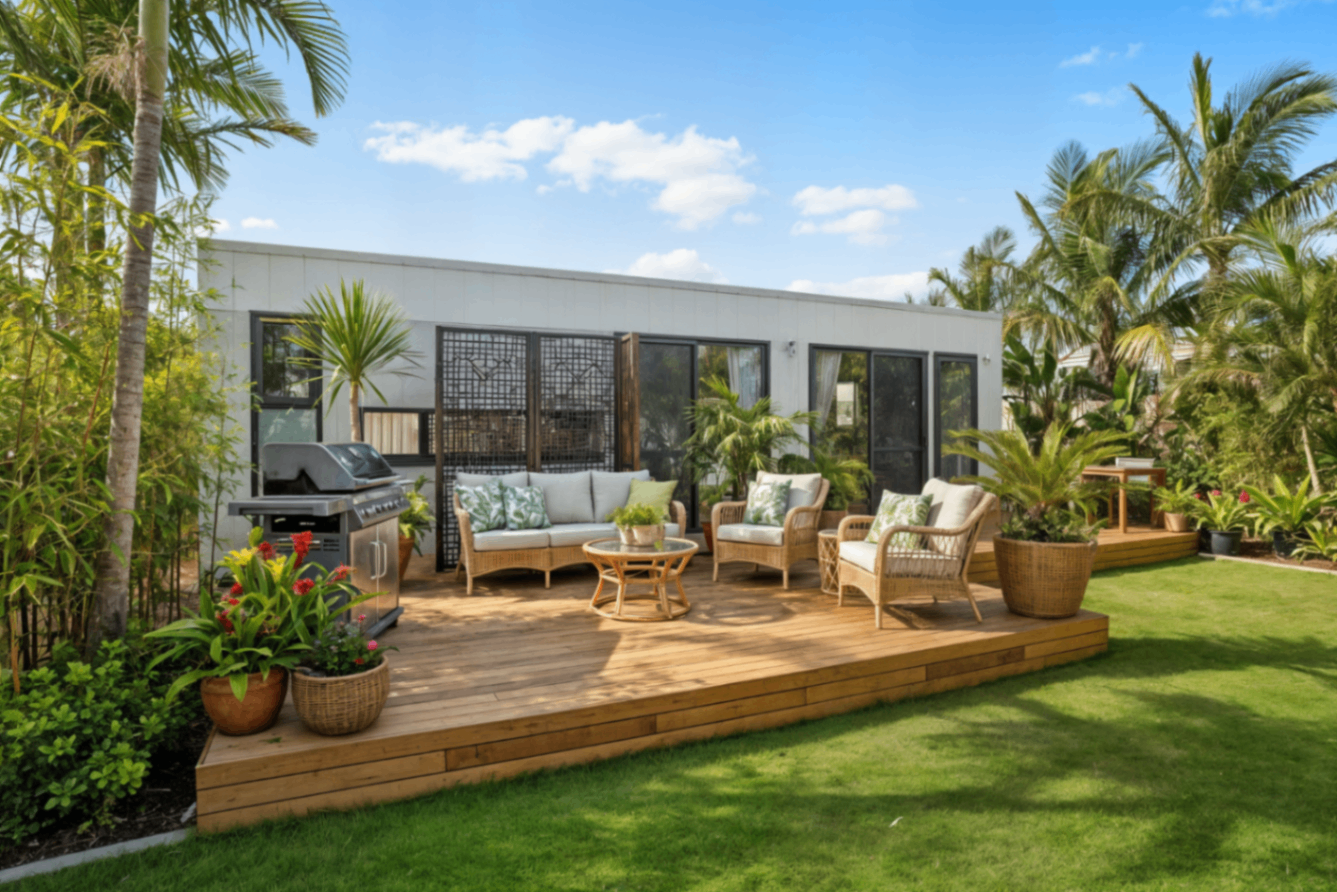
Quality control improves dramatically in factory settings. Each junction is inspected. Every system is tested. Air tightness is verified before transport. These quality assurances translate directly to long-term energy performance: no hidden gaps or thermal bridges undermining efficiency after you move in.
Building Your Dream Home, Reducing Your Footprint
Sustainability shouldn't require sacrifice. The best environmental solutions improve your lifestyle while reducing impact.
EcoHub homes deliver genuine comfort: spacious interiors, abundant natural light, seamless indoor-outdoor flow, premium finishes. You're not compromising on design to achieve efficiency. You're getting both.
The modular approach also provides flexibility. Need extra space for a growing family? Additional modules integrate seamlessly. Want a home office separate from main living areas? Design it from the start or add it later. Sustainable doesn't mean static.
This matters for long-term ownership. Your home adapts as your needs evolve, eliminating the waste and disruption of selling and moving. You invest once in sustainable infrastructure: solar, insulation, efficient systems: and enjoy the benefits indefinitely.
For Australians dreaming of home ownership, this combination of sustainability and affordability creates genuine opportunity. Lower ongoing costs mean better serviceability. Faster construction means earlier occupancy. Factory precision means fewer defects and warranty issues. You build equity while reducing environmental impact: the definition of smart investment.
The Real Numbers Behind Sustainable Living
Let's ground this in specifics. A typical EcoHub home with solar panels, high-performance insulation, and efficient appliances costs $50-150 less per week to operate than a comparable conventional home, depending on size and location.
Over a 25-year period: the typical lifespan of solar panels: that's $65,000-$195,000 in savings. Those savings fund renovations, holidays, education, investments: whatever matters to you. Meanwhile, your carbon footprint shrinks by approximately 4-7 tonnes annually compared to grid-dependent conventional homes.
The solar panels themselves typically pay for themselves within 5-8 years through energy savings and feed-in tariffs for excess generation. After that point, they're generating essentially free electricity for another 17-20 years.
This is why leading Australian banks are starting to recognise energy-efficient homes in lending decisions. Lower operating costs mean better serviceability ratios. Sustainable features increase property value. Smart borrowers pursue this advantage proactively.
Making Sustainability Standard
Here's what separates EcoHub from conventional builders: sustainability isn't a premium package or optional upgrade. It's the baseline.
Every design incorporates solar capacity. Every wall system includes high-performance insulation. Every material selection considers environmental impact alongside cost and performance. You don't pay extra for eco-consciousness: it's already included.
This approach reflects a fundamental shift in Australian housing. The next generation of homeowners expects sustainability as standard. They understand that upfront efficiency investment yields decades of ongoing savings. They recognise that environmental responsibility and personal financial benefit align perfectly.
If you're ready to explore how sustainable modular living works for your specific situation, EcoHub's team can walk through options tailored to your land, budget, and lifestyle needs. No pressure, no generic sales pitch: just genuine conversation about building your dream home with a smaller footprint.
The future of Australian housing isn't about compromise. It's about intelligent design that serves your needs while protecting the environment. Solar panels and eco-friendly materials as standard make that future available today.