4. Prioritizing Upfront Savings over 7-Star Efficiency
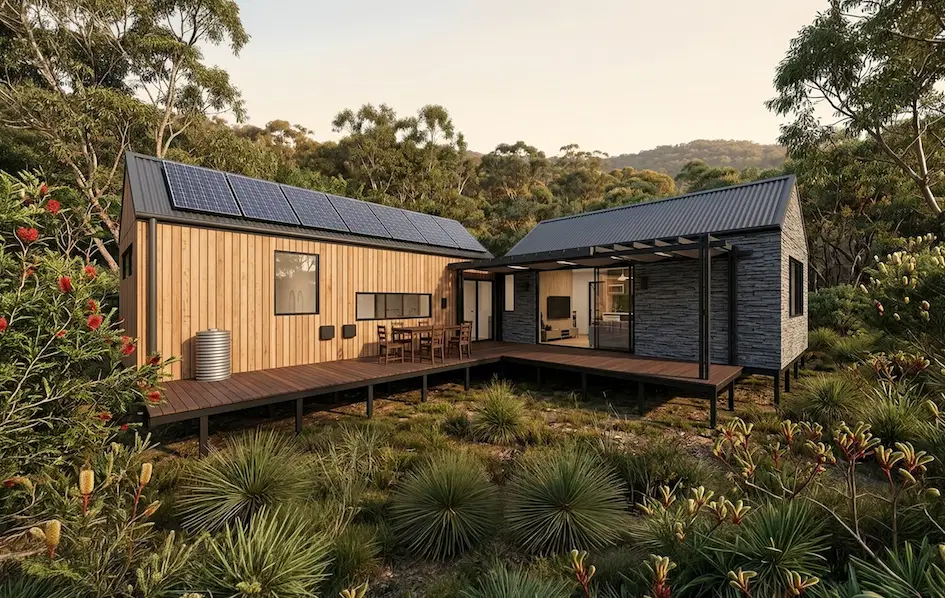
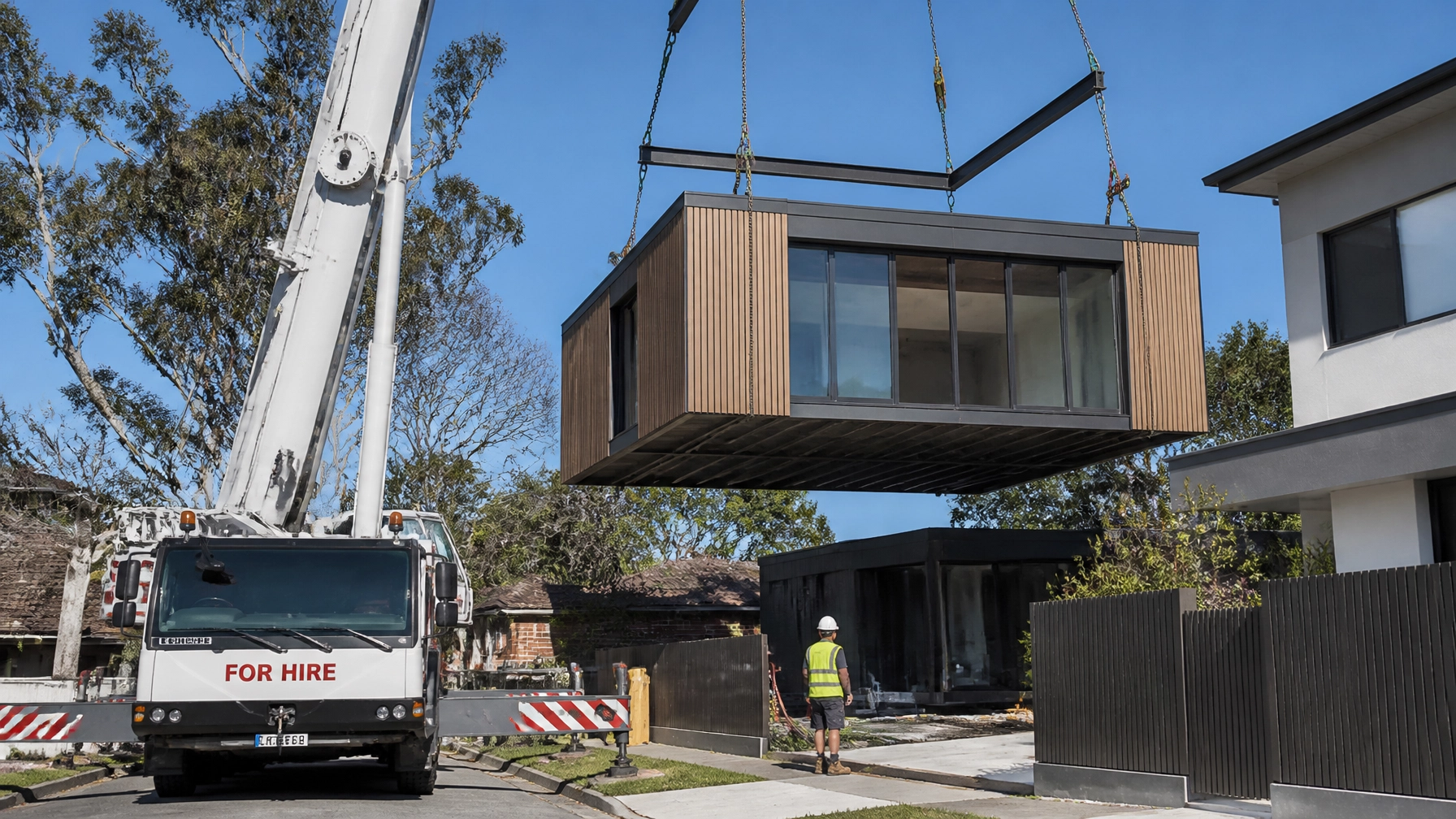
In 2026, energy prices are no joke. A common mistake is choosing a builder who skimps on insulation or uses single-glazed windows to keep the initial price under $200,000. In Australia, the updated National Construction Code (NCC) standards now push for higher energy ratings: aiming for 7-star NatHERS as a baseline.
The Fix: Think of your home as a 20-year investment, not a 12-month expense. Our homes feature full-height double-glazed windows and high-performance insulated wall panels as standard. While this might add a small percentage to the upfront cost, it drastically reduces your heating and cooling bills, often paying for itself within the first few years of occupancy.
"Sustainability is no longer a 'nice to have' in Australian housing. With the 2026 energy climate, a 7-star energy rating is the difference between a home that holds its value and one that becomes a liability." : Daniel Margraf, EcoHub Homes
5. Failing to Monetize "Lazy Land"
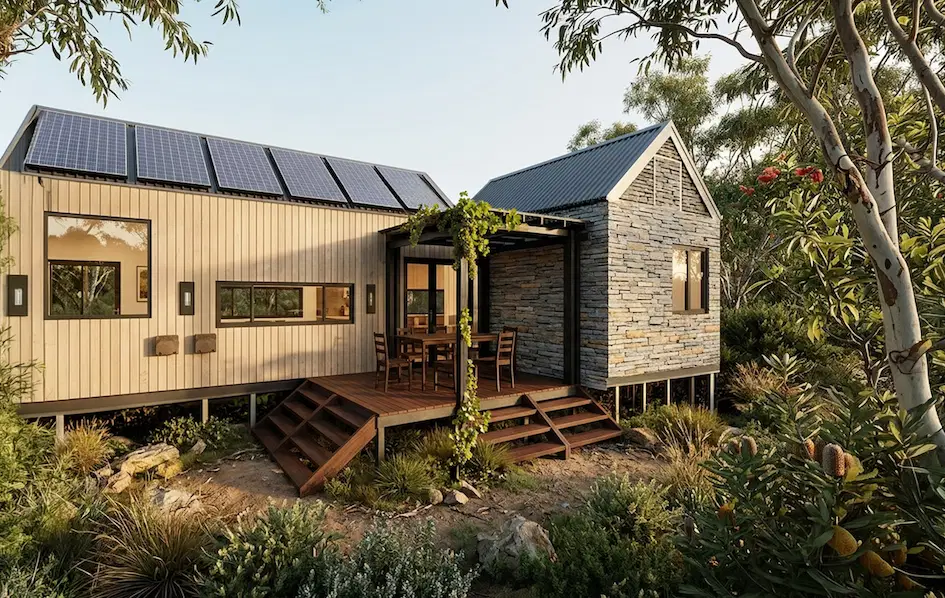
Many homeowners sitting on a large 800sqm block in the suburbs are sitting on a goldmine without realizing it. The mistake is thinking that developing your backyard requires a two-year traditional build and a $500,000 budget.
The Fix: The "Smart Land" investment strategy is about speed. By installing a high-spec one- or two-bedroom modular unit on your rear lot, you can generate passive rental income in a fraction of the time. In 2026, the rental market demand for premium, sustainable dwellings is at an all-time high. A $120,000 investment in a modular unit can often yield a 10-15% return, far outperforming traditional property investments.
6. Neglecting the "Time Value of Money"
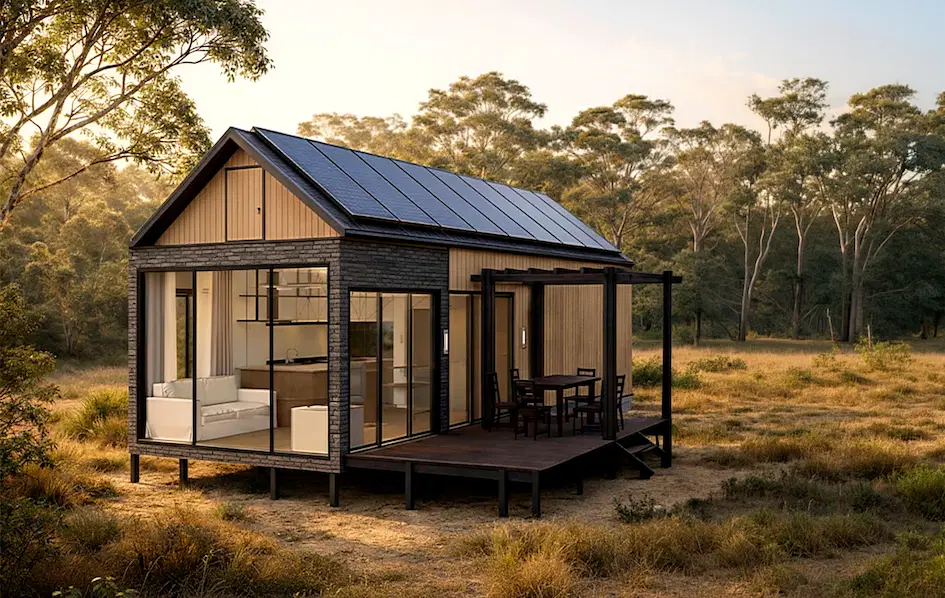
Traditional construction in Australia currently takes 12 to 18 months: if you're lucky. During that time, you’re paying interest on your land loan, paying rent elsewhere, and watching material costs fluctuate. People often compare the "sticker price" of a modular home vs. a traditional build without factoring in these "holding costs."
The Fix: Do the math on your holding costs. If a modular home can be installed in 14–20 weeks (which is our standard at EcoHub), you are saving roughly 8 months of double-housing costs. For a typical $700,000 project, that’s a saving of $15,000 to $40,000 in pure interest and rent. When you factor that in, the modular option isn't just faster: it’s significantly cheaper.
7. Choosing "Cheap" Over "Compliant" (The 10-Year Warranty Risk)
With the rise of modular popularity, the market has been flooded with low-cost "expandable" containers and imported kits that don't meet Australian Building Standards. The mistake is thinking a $50,000 unit from an unverified overseas supplier is a bargain. If it’s not NCC-compliant and doesn’t come with a structural warranty, you won't get insurance, you won't get council approval, and your resale value will be zero.
The Fix: Always verify compliance. Every EcoHub Home is built to full Australian Class 1A residential standards and comes with a 10-year structural warranty. This isn't just about safety; it’s about ensuring your home is a bankable asset. Real estate agents in 2026 are increasingly looking for modular certification as a key selling point for modern properties.
Is Your Site Ready for a 2026 Modular Build?
Building a modular home is the smartest way to navigate the current construction crisis, but only if you avoid the pitfalls of poor planning. From managing BAL-FZ requirements to securing the right financing, the details matter.
At EcoHub Homes, we specialize in taking the complexity out of the process. Whether you’re looking for a one-bedroom retreat or a spacious family home, we provide a full-service experience from 3D visualization to final installation.
Don't let your project become a "Mistake" story. Contact our team today for a site feasibility assessment and start your journey toward a faster, smarter, and more sustainable home.