For years, the "M-word": Modular: was a dirty word in the hallways of Australia’s biggest banks. If you walked into a branch in 2022 and asked for a construction loan for a prefab home, you were usually met with a blank stare or a flat-out rejection. The banks wanted to see a slab on the ground and a frame in the air before they’d release a single cent.
But it’s March 2026, and the landscape has shifted beneath our feet.
The housing crisis didn't just go away; it accelerated. Traditional builds became slower, more expensive, and more prone to weather delays. Meanwhile, the modular industry evolved into a high-tech, high-efficiency machine. Leading the charge into this new era of finance is the Commonwealth Bank (CBA), which has fundamentally rewritten the rulebook on how Australians pay for their homes.
If you’ve been eyeing off a sustainable modular design but were worried about the "computer says no" response from your lender, it’s time to take another look. Here is why the Big Four are finally backing prefab and exactly how you can qualify for a CBA modular home loan in 2026.
The July 2025 Pivot: How CBA Broke the Ice
To understand where we are now, we have to look back at the massive policy shift CBA implemented in July 2025. They were the first of the majors to realize that the old "on-site only" lending model was broken.
Before this shift, banks viewed modular homes as "chattels": like a car or a boat: until they were bolted to the land. Because the bank couldn't "repossess" a half-finished house sitting in a factory in another suburb, they refused to fund the build stages. This forced buyers to cough up hundreds of thousands of dollars in cash or take out high-interest personal loans just to get the house off the assembly line.
CBA changed the game by introducing a tailored modular loan product that acknowledges the factory build as a valid construction stage. They partnered with industry bodies like PrefabAUS to create standardized contracts that give the bank the security they need while giving you the cash flow you require.
The "Accreditation" Advantage: Why Who You Build With Matters
One of the most critical updates in 2026 is the distinction between "Standard Builders" and "Accredited Manufacturers."
Under current CBA guidelines, if you choose a builder that hasn't been vetted, you might only be able to access progress payments up to 60% of the contract price before the house arrives on your land. However, for CBA-accredited manufacturers, that number jumps to a massive 80%.
At EcoHub Homes, we’ve worked hard to ensure our processes meet the rigorous standards required by major lenders. This accreditation is a massive win for you because:
- Lower Upfront Cash: You don't need to drain your savings to fund the factory phase.
- Faster Starts: We can begin construction as soon as the loan is settled.
- Bank Confidence: The bank knows our steel-frame construction and premium finishes meet the highest Australian standards.
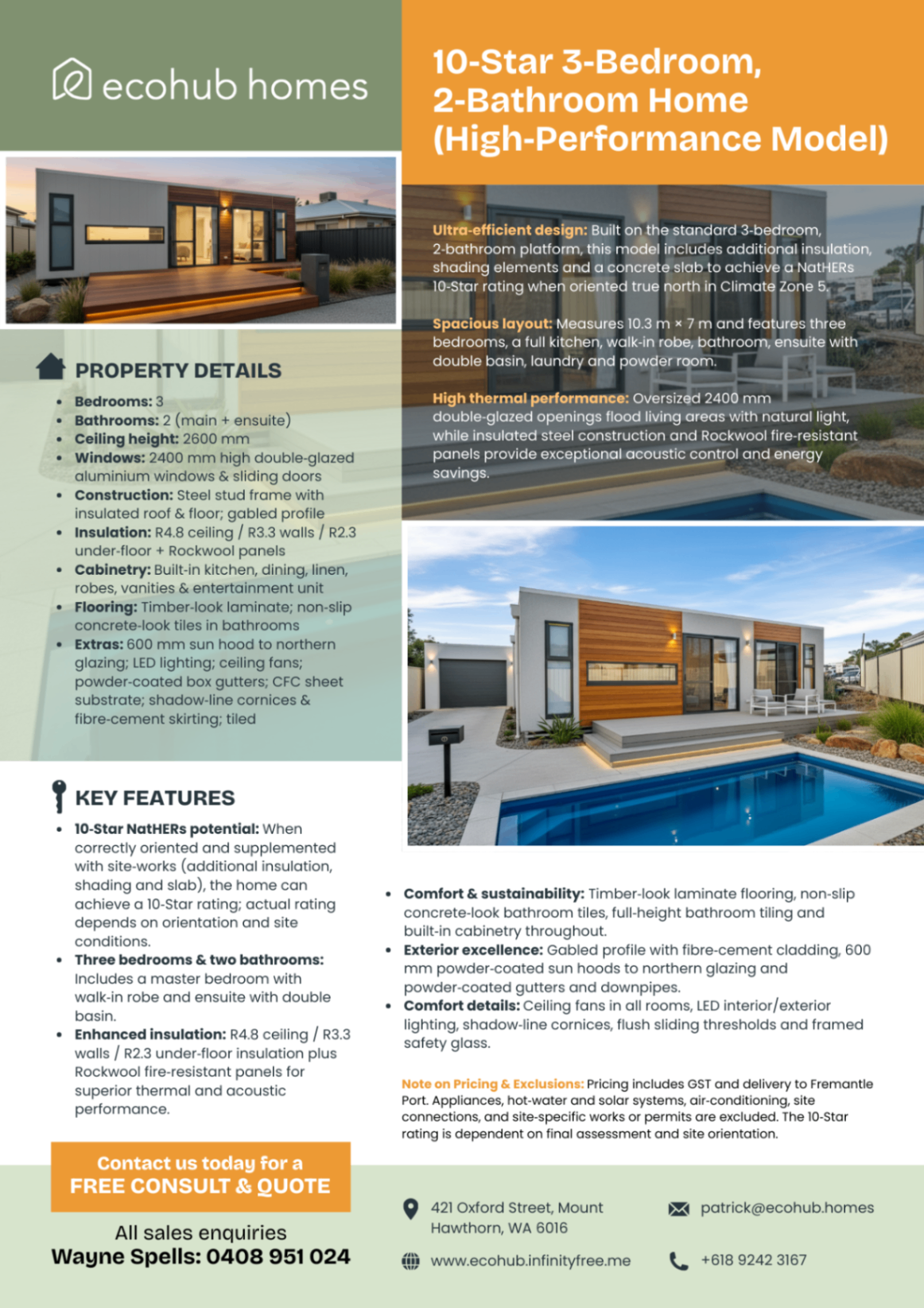
Whether you're looking at our three-bedroom two-bathroom home or a compact secondary dwelling, having an accredited builder in your corner is the difference between a smooth build and a financial headache.
Why the Other Big Four Followed Suit
It didn't take long for Westpac, ANZ, and NAB to see the writing on the wall. By early 2026, the modular housing sector in Australia grew to represent over 15% of all new builds. The Big Four couldn't afford to ignore that market share anymore.
The banks finally realized that modular homes aren't just "fast": they are a lower risk for the lender. Think about it:
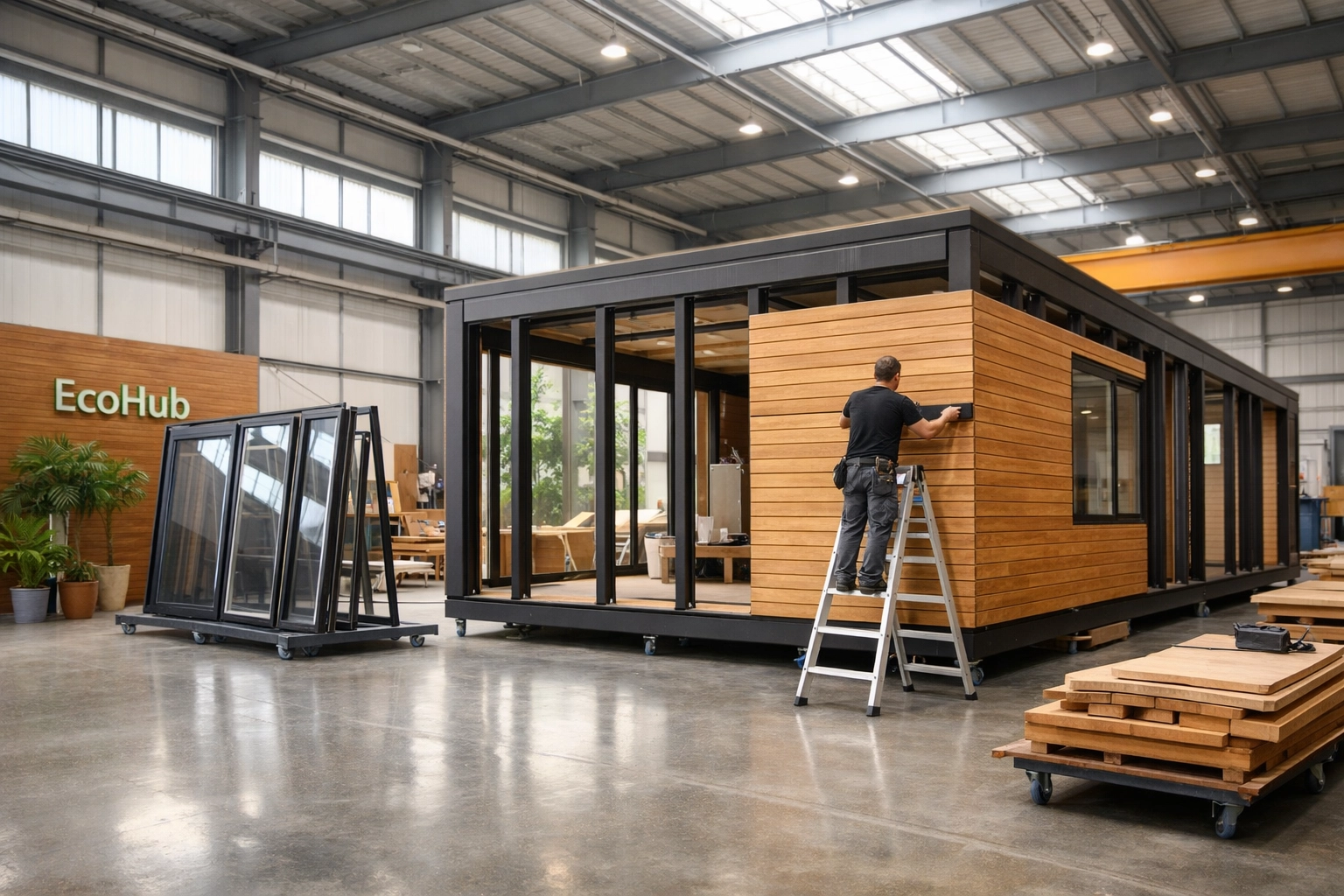
- Zero Weather Delays: Because our homes are built in a controlled factory environment, there are no "rain days" that push out completion dates and increase holding costs.
- Fixed Price Certainty: Modular contracts are notoriously more stable than traditional ones. We know exactly how much steel, timber, and glass goes into an EcoHub 3-bedroom T-House, meaning fewer "variations" that scare off bank valuers.
- Quality Control: It's much easier for a bank-appointed inspector to verify the quality of a home built on a factory floor with strict QA protocols than a muddy site in the middle of a suburb.
How to Qualify: The 2026 Checklist
Qualifying for a modular home loan isn't quite the same as a standard mortgage, but it’s closer than it used to be. Here is what you need to have ready before you walk into the bank:
1. The Right Land Title
The bank still wants to see that you own (or are buying) the land where the home will live. Whether it's a vacant lot or a backyard for a "granny flat" style build, the land is the bank's primary security.
2. A Fixed-Price Modular Contract
CBA and the other majors require a fixed-price contract. They want to see exactly what you are getting, from the premium bathroom tiling to the double-glazed windows. Vague quotes won't cut it in 2026.
3. Comprehensive Insurance
You'll need to ensure your builder has "Transit and Works" insurance. This covers the home while it’s being built in the factory and, crucially, while it’s being trucked to your site.
4. The Valuation "Bridge"
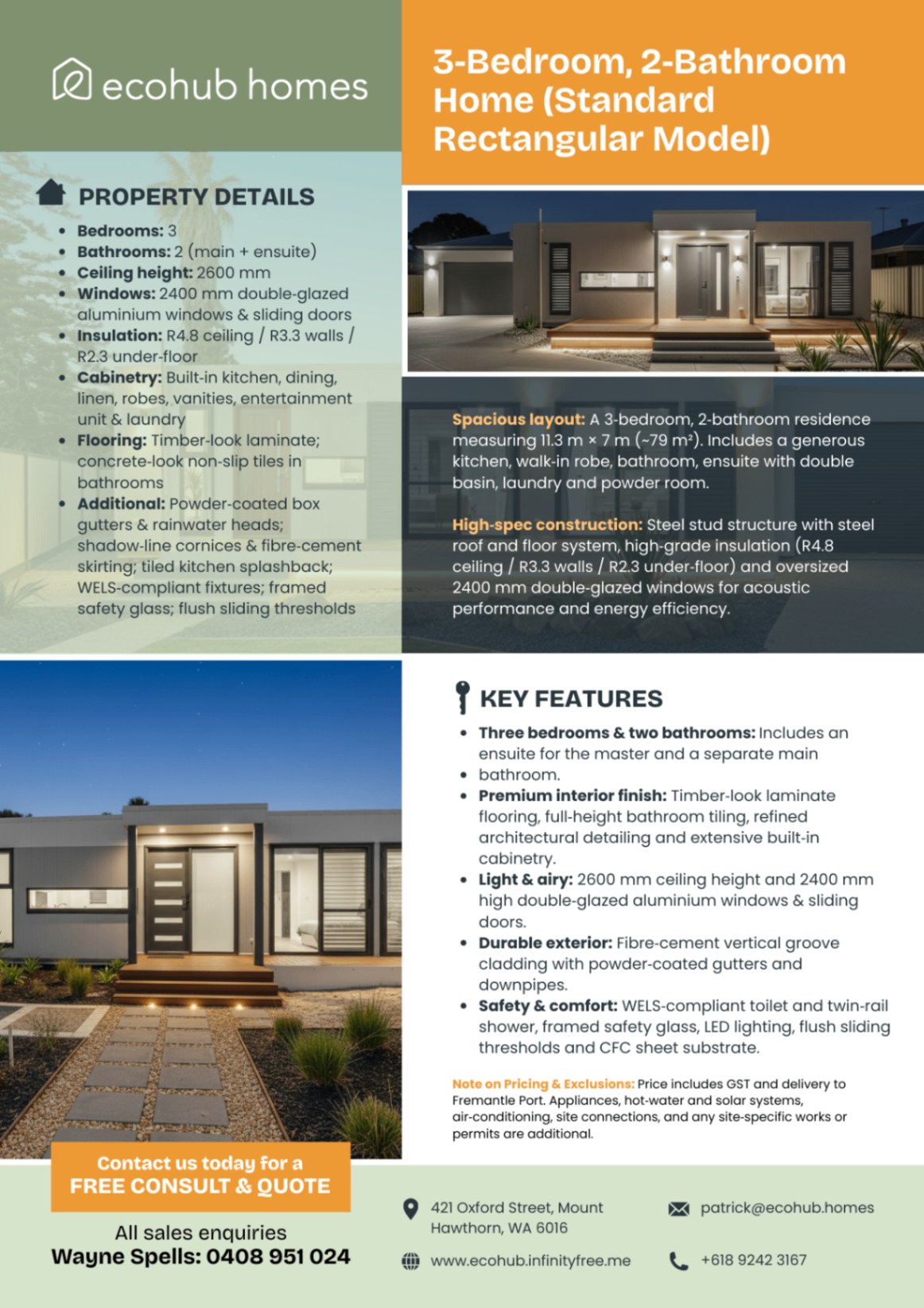
This is where people often get stuck. The bank will value the land and the proposed home as a single "as-if-complete" package. Because modular homes often have high-spec finishes: like the 10-star energy ratings we aim for at EcoHub: the valuations are coming in stronger than ever.
The Sustainability Bonus: Lower Rates for Greener Homes
Another reason CBA is leaning heavily into modular is the push for "Green Home Loans." In 2026, lenders are under pressure to de-carbonize their mortgage portfolios.
Because modular homes are inherently more sustainable: producing up to 90% less waste than traditional builds: they often qualify for discounted interest rates. If your EcoHub Home hits a high NatHERS rating (which our designs are built to do), you could shave 0.20% to 0.50% off your interest rate. Over a 30-year mortgage, that’s tens of thousands of dollars back in your pocket.
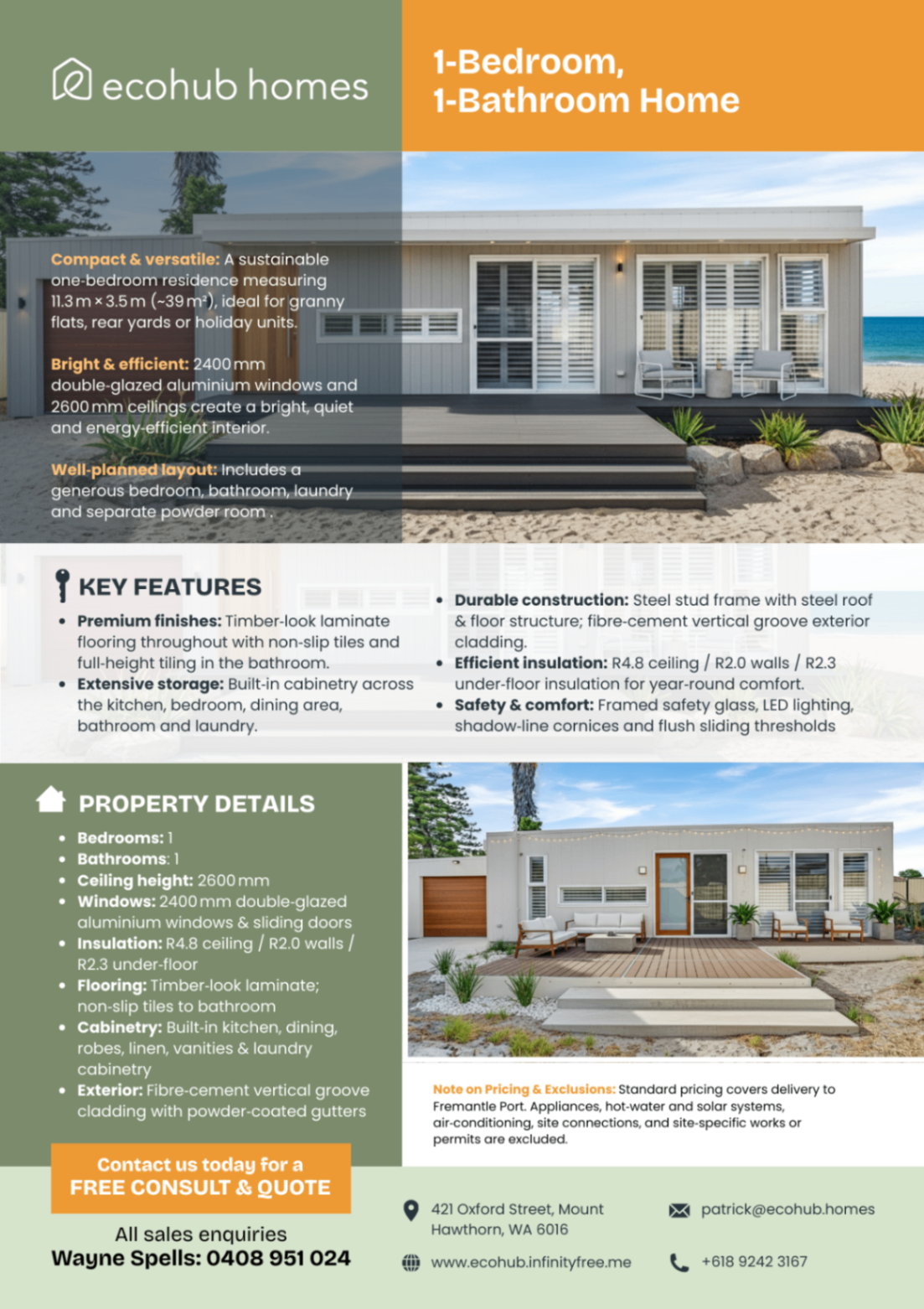
Our one-bedroom modular homes are perfect examples of this. They are compact, highly insulated, and solar-ready, making them a "gold star" investment in the eyes of a modern bank manager.

The Verdict: Is 2026 the Year to Build Modular?
The short answer? Yes. The financial barriers that once made prefab a "rich person's hobby" or a "cash-only" endeavor have crumbled. With the Big Four: led by CBA: providing structured progress payments and recognizing the value of off-site construction, the "modular revolution" is officially mainstream.
At EcoHub Homes, we don't just build the house; we help you navigate the entire journey. We’ve seen the shift in the banking sector firsthand, and we know how to package your build so the banks love it as much as you do.
Stop dreaming about that new home and start the process. The banks are ready. We are ready. The only thing missing is you.
Ready to talk numbers?
Navigating bank jargon can be a nightmare. Let us simplify it for you. We can walk you through our accredited builder status and help you understand how a CBA modular home loan could work for your specific project.
Book a Free Financing Consultation with EcoHub Homes Today
Disclaimer: EcoHub Homes are builders, not financial advisors. While we have extensive experience working with lenders, we recommend speaking with a qualified mortgage broker or the Commonwealth Bank directly to discuss your personal financial situation.