
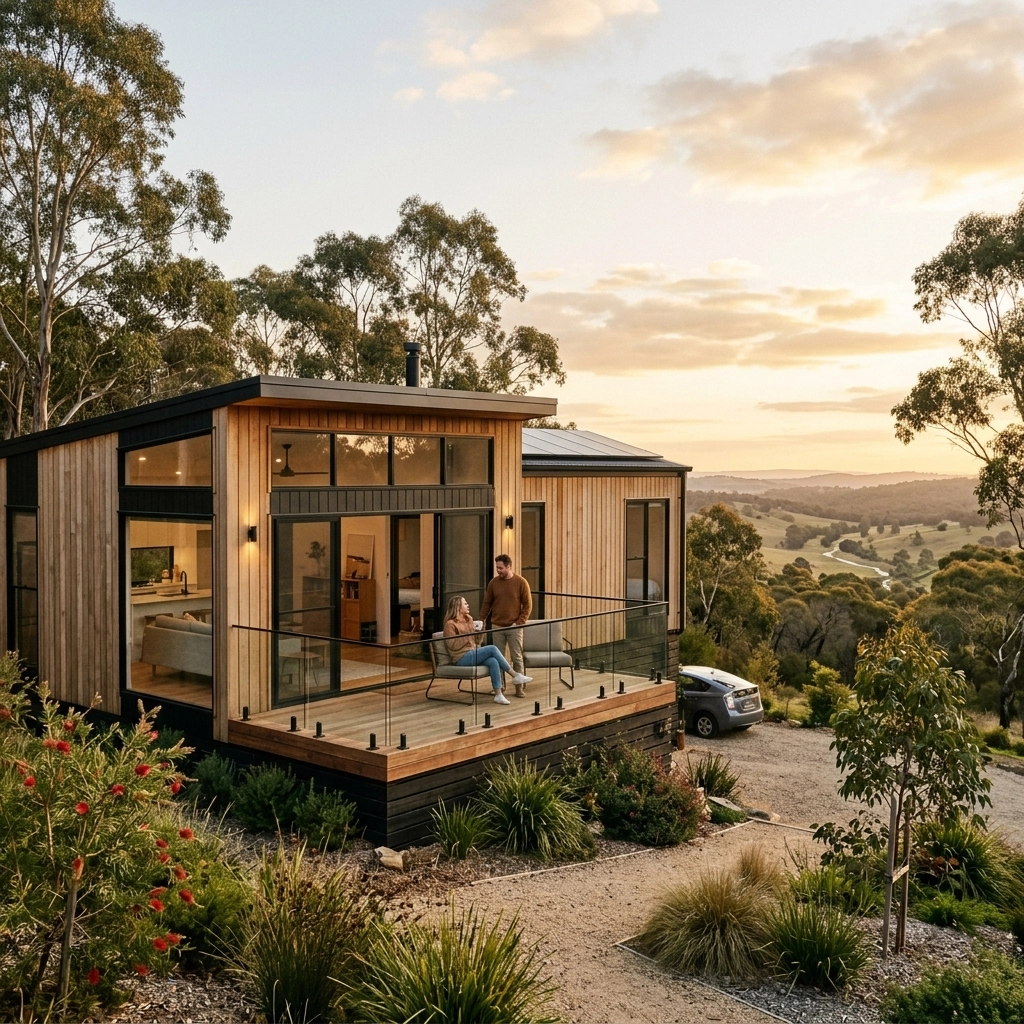
Let’s be honest: the Australian housing market in 2026 is a different beast than it was even a few years ago. With traditional build times blowing out and material costs fluctuating like crazy, property owners and investors are looking for a smarter way to build.
Enter the modular revolution.
Gone are the days when "prefab" meant a glorified shipping container. Today, modular homes are the gold standard for anyone wanting high-end design, sustainable living, and: most importantly: a move-in date they can actually count on. Whether you’re looking to build your dream home in the bush or add a high-yield rental to your backyard, this guide is your roadmap to winning the housing game in 2026.
Why Modular is Dominating the 2026 Market
In 2026, efficiency is no longer a luxury: it’s a necessity. We’re seeing a massive shift where over 65% of new builds are incorporating some form of modular or off-site construction. Why? Because the traditional "bricks and mortar" approach is struggling to keep up with the demand for speed and sustainability.
Modular homes are built in a controlled factory environment while your site is being prepared. This parallel processing means you can shave months off your construction timeline. While your neighbour is waiting for the rain to stop so their slab can be poured, your home is being precision-engineered in a dry, tech-driven facility.
The Key Benefits:
- Certainty of Timeline: Most EcoHub projects move from factory floor to "keys in hand" within 14 to 20 weeks.
- Fixed-Price Peace of Mind: We lock in the price early. No "surprise" variations because the price of timber went up overnight.
- Zero Weather Delays: Rain, hail, or heatwaves: the build stays on schedule.
- Superior Quality Control: Building in a factory means every joint is perfect, every seal is airtight, and nothing is left to chance.
Cracking the Code: What Does a Modular Home Cost in 2026?
The question everyone asks first is: "What’s the damage?"
In the current market, Australian modular homes generally sit between $2,500 and $3,000 per square metre. However, that's a ballpark figure. To succeed in 2026, you need to understand the tiers of modular building.
- The High-Yield Starter (1-Bedroom/Granny Flats): Starting from roughly $107,000 to $150,000. These are perfect for investors looking for immediate cash flow or homeowners needing a modern home office/guest suite. Check out our one-bedroom one-bathroom home for a sense of what's possible.
- The Mid-Range Family Home (2-3 Bedrooms): Usually falling between $230,000 and $300,000. These feature premium finishes, high ceilings, and that "architectural" feel without the $1M price tag. Our two-bedroom one-bathroom home is a fan favourite here.
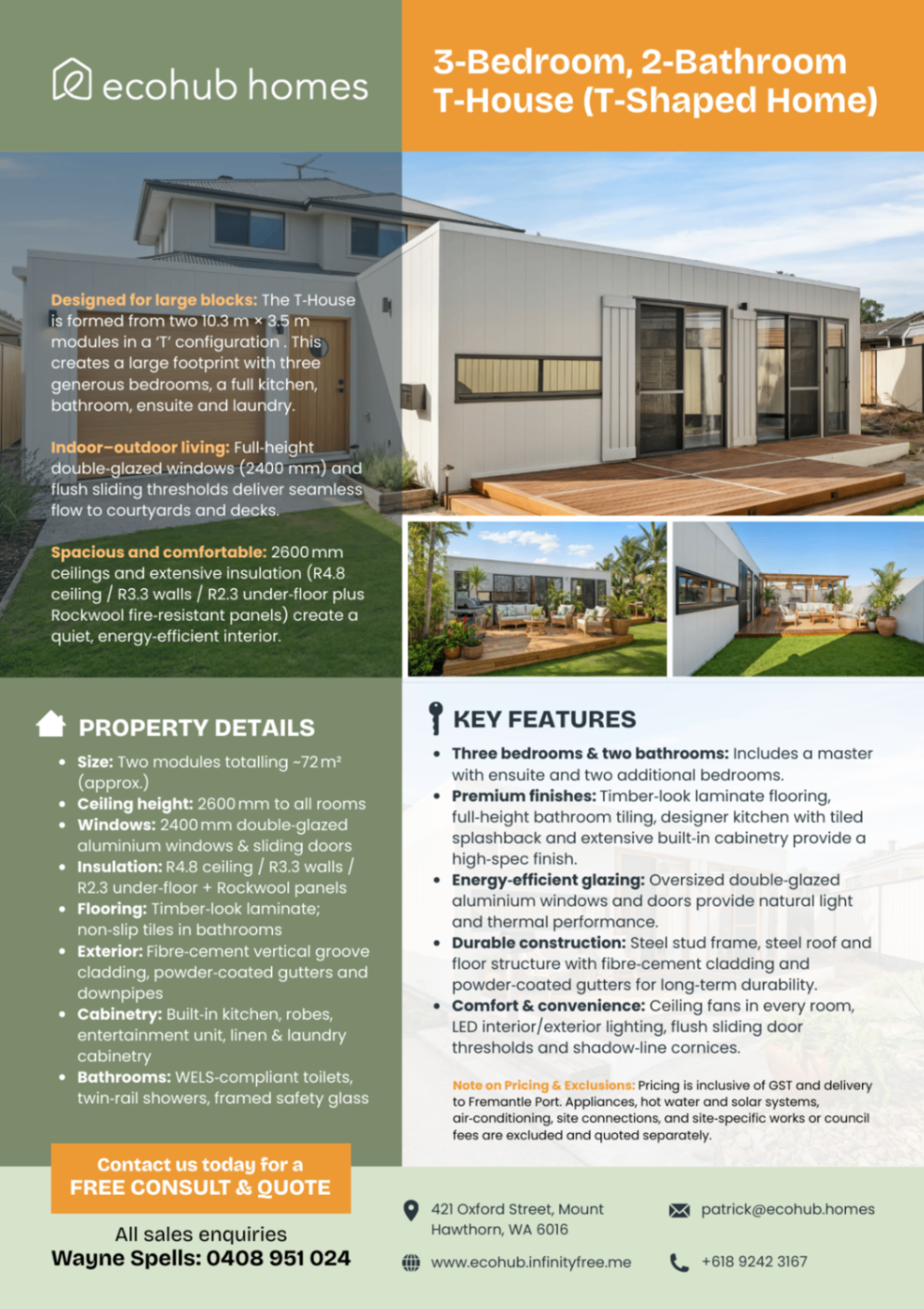
- The Luxury/Eco-Powerhouse: For those chasing the ultimate in sustainability, like our 10-star three-bedroom two-bathroom home, you’re looking at $400,000+. These homes often pay for themselves through zero energy bills over time.
Pro Tip: Always look at the "standard inclusions." At EcoHub Homes, we include things that others call "upgrades": like double-glazed windows, stone benchtops, and high-spec insulation.
The Sustainability Edge: Building for the Future
If you’re building in 2026, you can’t ignore the environment: not just for the planet’s sake, but for your hip pocket. Energy prices aren’t getting any lower, and a modular home built with SIPs (Structural Insulated Panels) is like a fortress against the elements.
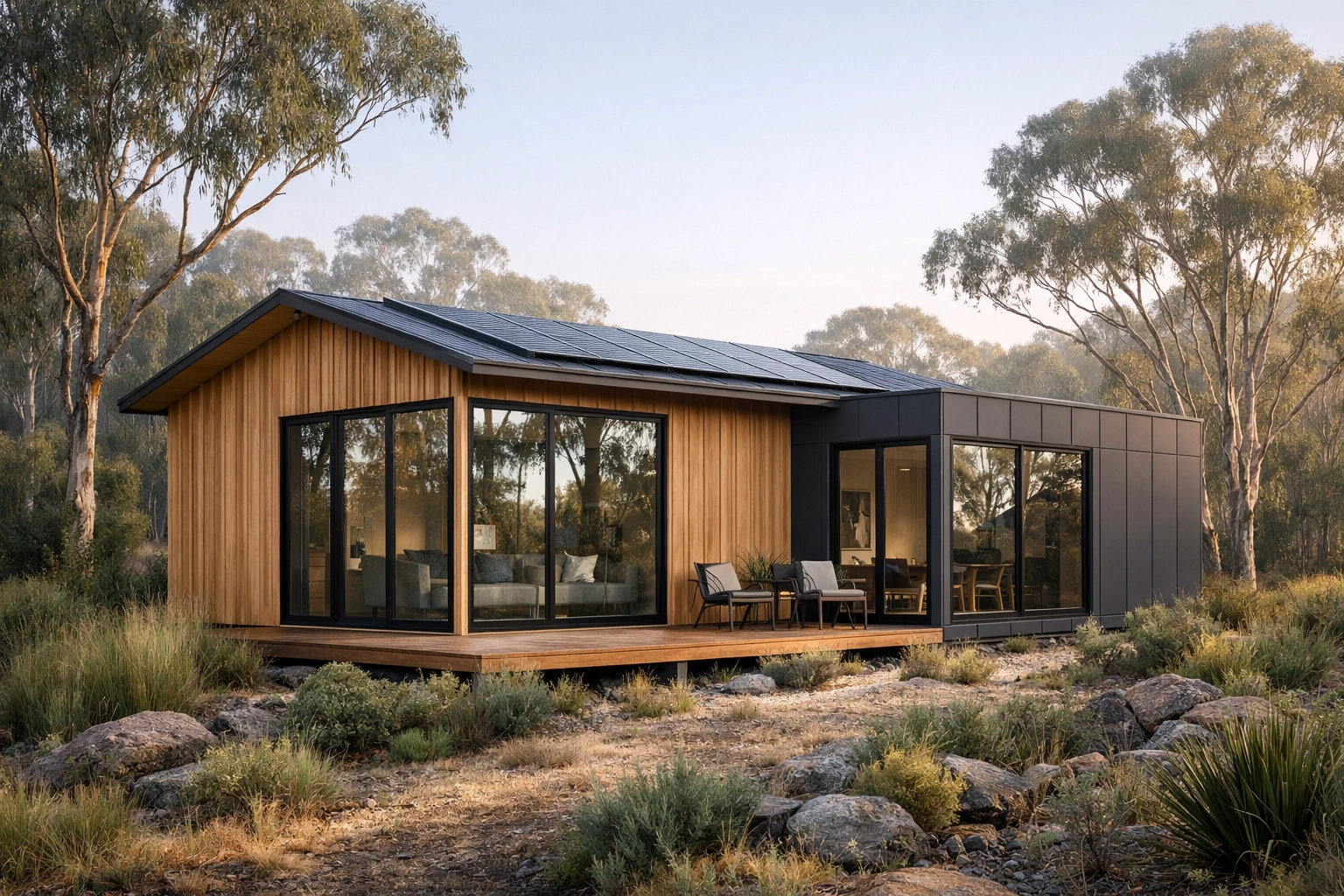
We focus on the "Building Envelope." By using high-performance insulation and double-glazed aluminium windows as standard, we create homes that stay cool in the Perth heat and warm in the Victorian winter with minimal help from the AC.
Many of our clients are now opting for solar-ready roof designs and water-recycling systems. When you build modular, you’re also reducing construction waste by up to 80% compared to a traditional site. That’s a massive win for sustainability-conscious investors and homeowners alike.
2026 Design Trends: What’s Hot?
The "cookie-cutter" look is officially dead. In 2026, modular design is all about:
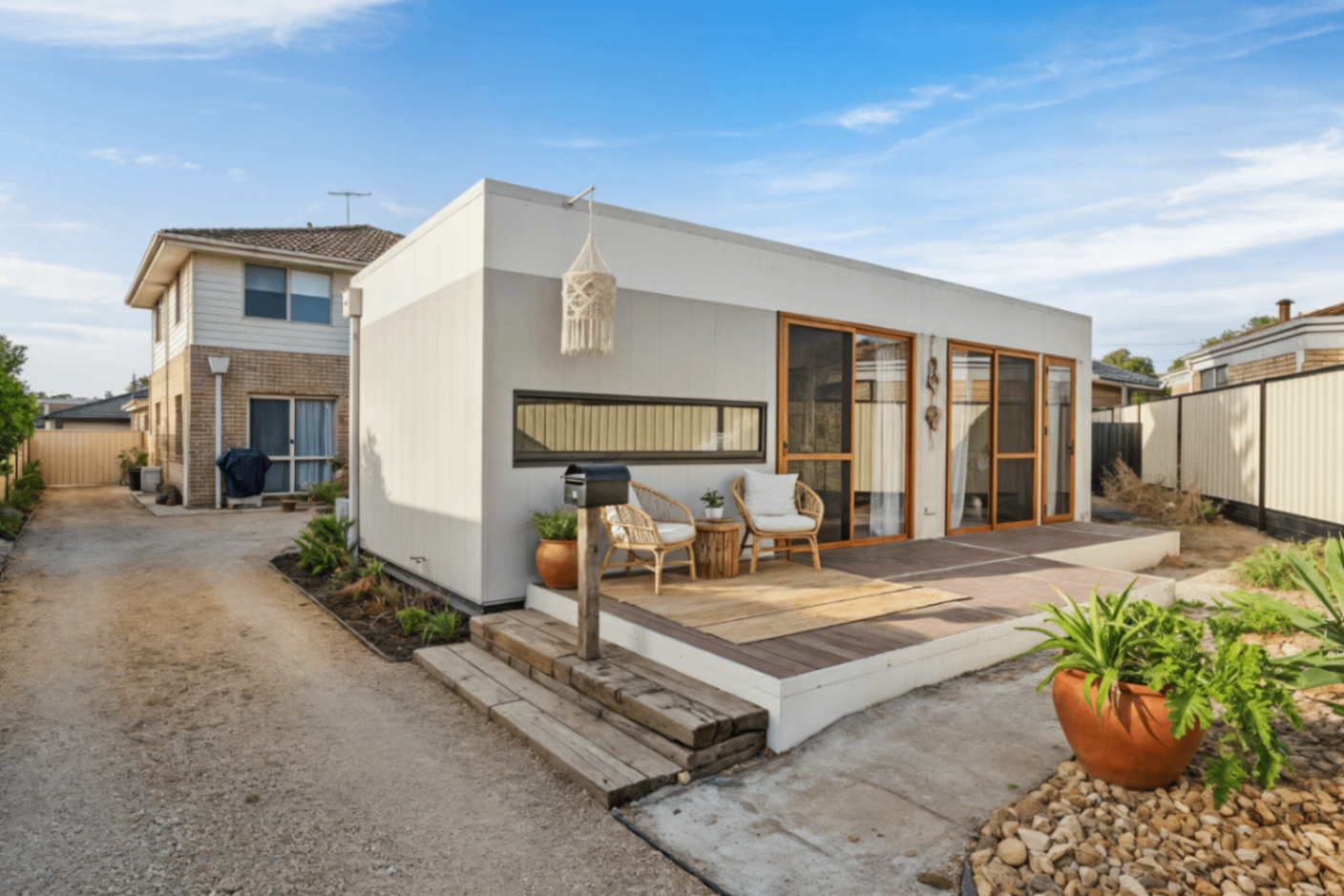
- Indoor-Outdoor Flow: Massive sliding doors and integrated decking that make a 100sqm home feel like 200sqm.
- Smart Storage: Think floor-to-ceiling cabinetry and hidden "European" laundries that maximize every inch of space.
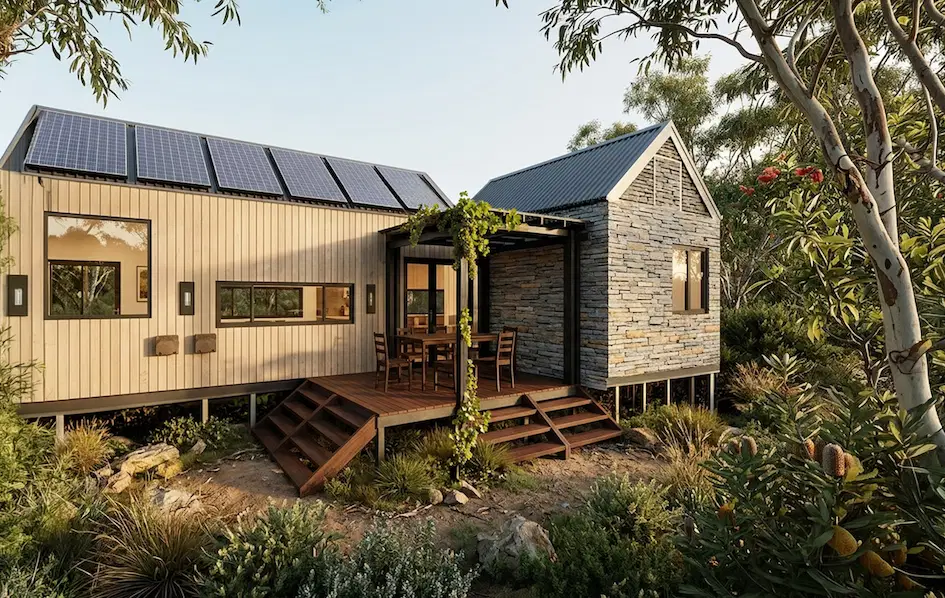
- Natural Materials: Timber-look cladding and stone finishes that help the home blend into the Australian landscape.
- Multi-Generational Zoning: Investors are specifically looking for designs that allow for separate living spaces: perfect for adult children or aging parents.
The Pre-Build Checklist: Don't Skip These Steps
Success in modular building happens before the first module even hits the truck. Here is what you need to have in order:
1. Site Access
Can a large truck get to your property? We need to look at power lines, narrow driveways, and overhanging trees. If you’re unsure, we offer a free consultation to do a desktop assessment of your site.
2. Council & Zoning
Every council is different. Whether it’s a BAL (Bushfire Attack Level) rating or a heritage overlay, you need to know what you’re up against. The good news? Modular homes are built to meet the same (and often higher) National Construction Code standards as traditional homes.
3. Site Preparation
While the house is being built in the factory, you’ll need to prepare the "footings" and connections (sewer, water, electricity). Don't worry: we guide you through this entire process so there are no "oops" moments when the house arrives.
Modular as an Investment Strategy
For the property investors out there, 2026 is the year of the "Value-Add." With land prices high, the smartest move is to maximize the land you already own. Adding a secondary dwelling: like our 3-bedroom two-bathroom home: to a large suburban block can effectively double your rental income while increasing the overall property value.
The speed of modular is the investor's secret weapon. Every month your site is under construction is a month of lost rent. With a 4-month turnaround, you’re in the black much faster than with a 12-month traditional build.
Ready to Start Your 2026 Build?
Building a home shouldn’t be a stressful, decade-long saga. It should be an exciting journey toward a lifestyle upgrade. At EcoHub Homes, we’ve refined the process to make it as transparent and friendly as possible.
We don't just build boxes; we build high-performance, beautiful homes that are ready for whatever the future holds. Whether you’re a first-time homebuyer looking to beat the rent trap, a family looking for a sustainable retreat, or an investor seeking high yields, modular is the way forward.
Next Steps:
- Explore our range of modular homes.
- Check out our shop for specific configurations.
- Got questions? Book a free consultation with our team and let's see what we can build together.
The future of Australian housing is here: and it’s modular. Are you ready to get ahead of the game?