
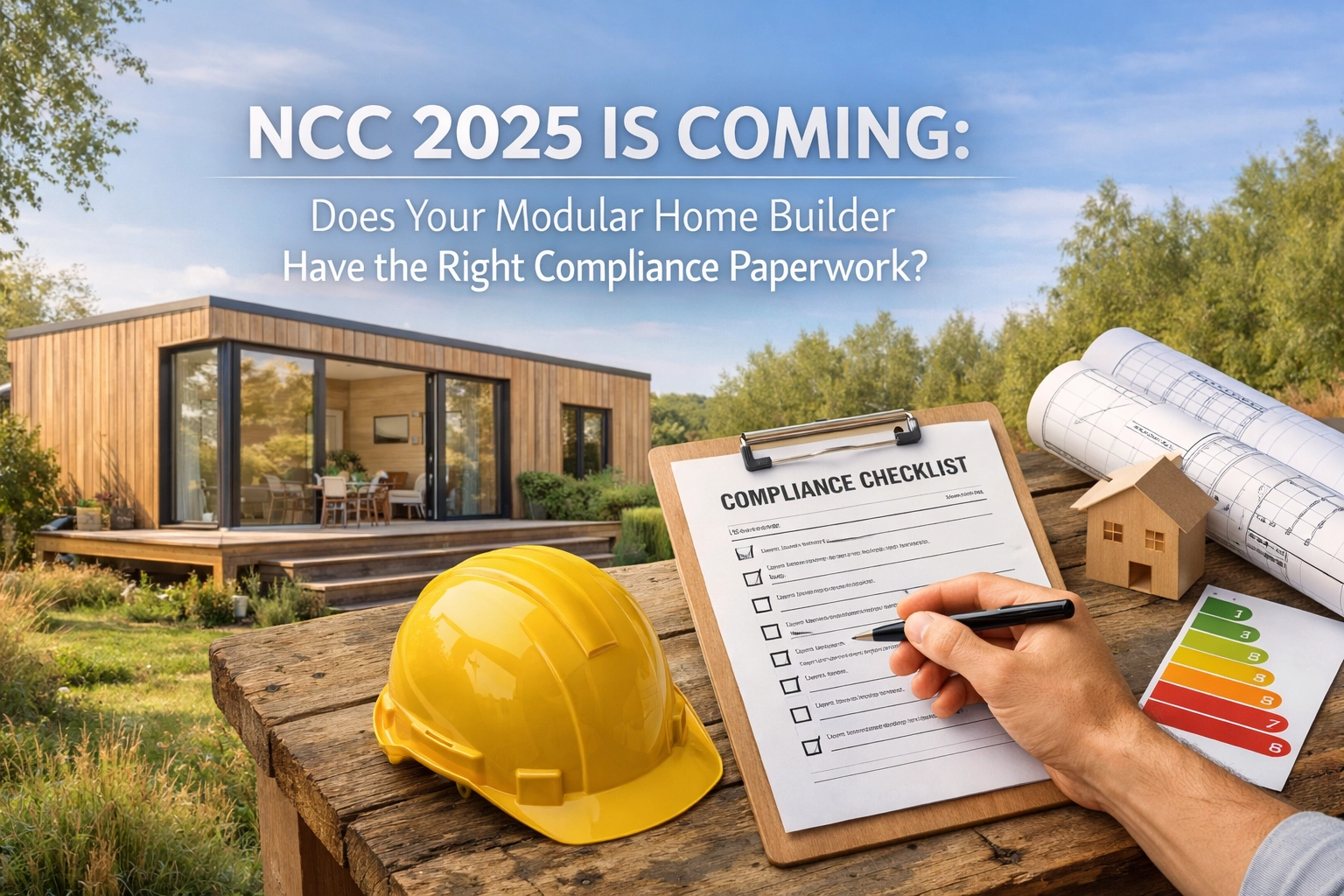
Here's something most modular home buyers don't realise until it's too late: your builder's compliance paperwork can make or break your entire build timeline: and potentially leave you holding a structure that doesn't meet 2026 standards.
With the National Construction Code 2025 (NCC 2025) set for adoption on May 1st, 2026, Australian property owners and investors need to ask hard questions about their builder's documentation before signing anything. The window is closing fast, and not every modular home company is preparing the same way.
What NCC 2025 Actually Changes for Modular Homes in Australia
The NCC 2025 isn't just a minor update: it's a comprehensive overhaul that affects everything from energy efficiency to structural reliability. For anyone looking at prefab homes Australia-wide, understanding these changes isn't optional anymore.
The big-ticket items? Enhanced water management provisions designed to reduce water ingress in multi-residential structures, upgraded carpark fire safety requirements, and mandatory commercial energy efficiency standards including on-site solar photovoltaic systems. There's also strengthened condensation mitigation measures and clearer Performance Solutions assessment requirements for structural and fire safety compliance.
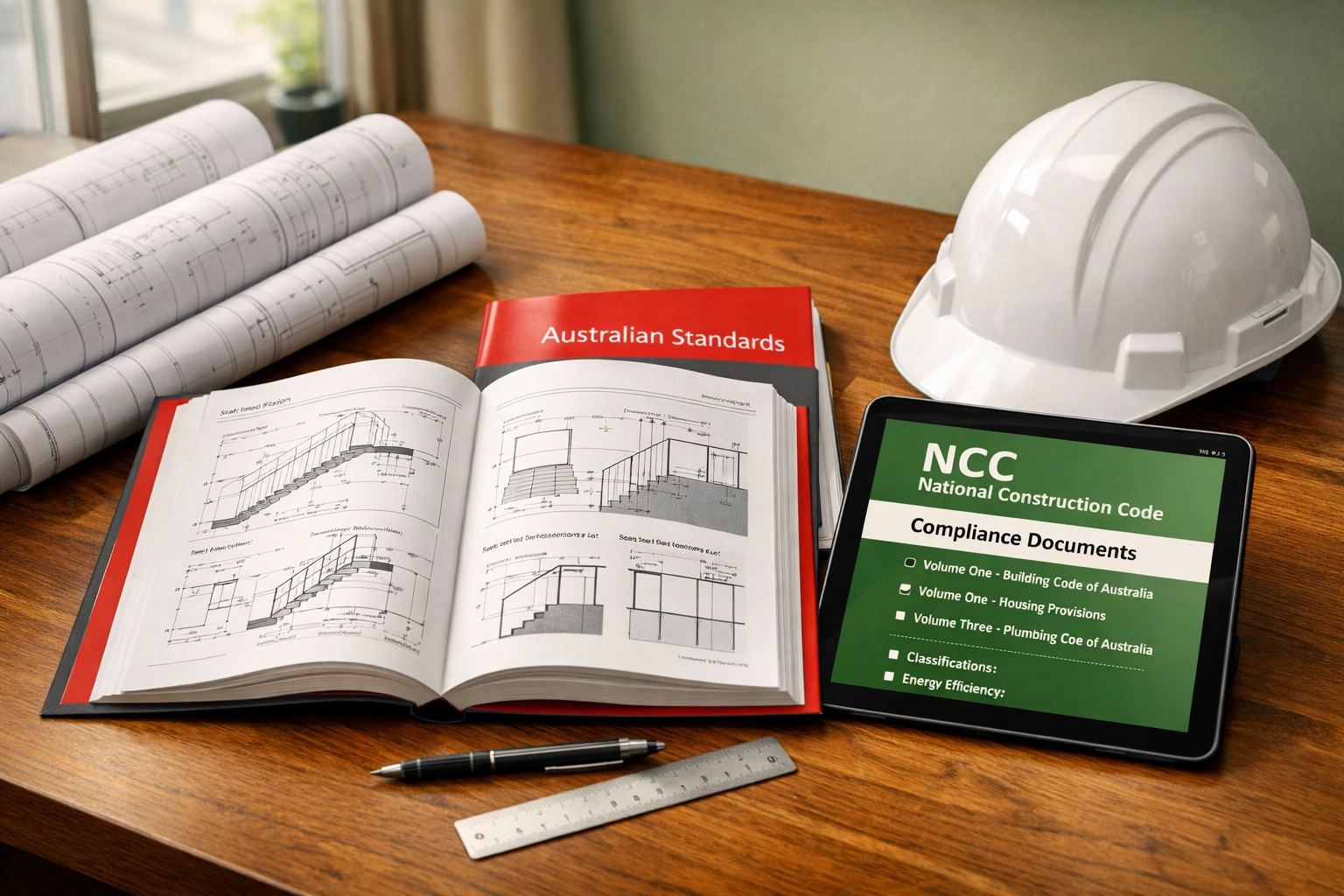
Here's what matters most for residential modular homes: while Building Ministers paused new residential NCC changes until mid-2029 (except for essential safety or quality issues), the May 2026 adoption date still brings updated Australian Standards that underpin many technical requirements. Your builder needs to demonstrate alignment with these standards: not just claim they're "compliant."
The Compliance Paperwork Checklist: What You Should See Before You Buy
When you're evaluating modular homes, documentation should be comprehensive, current, and specific. Here's what genuinely compliant builders will provide without hesitation:
Updated Australian Standards Alignment Documentation
Your builder should show explicit reference to which updated Australian Standards their designs meet. These aren't generic claims: they're specific technical standards with test methods and performance requirements. If your builder can't produce these documents, that's a red flag.
Energy Efficiency Certificates and NatHERS Ratings
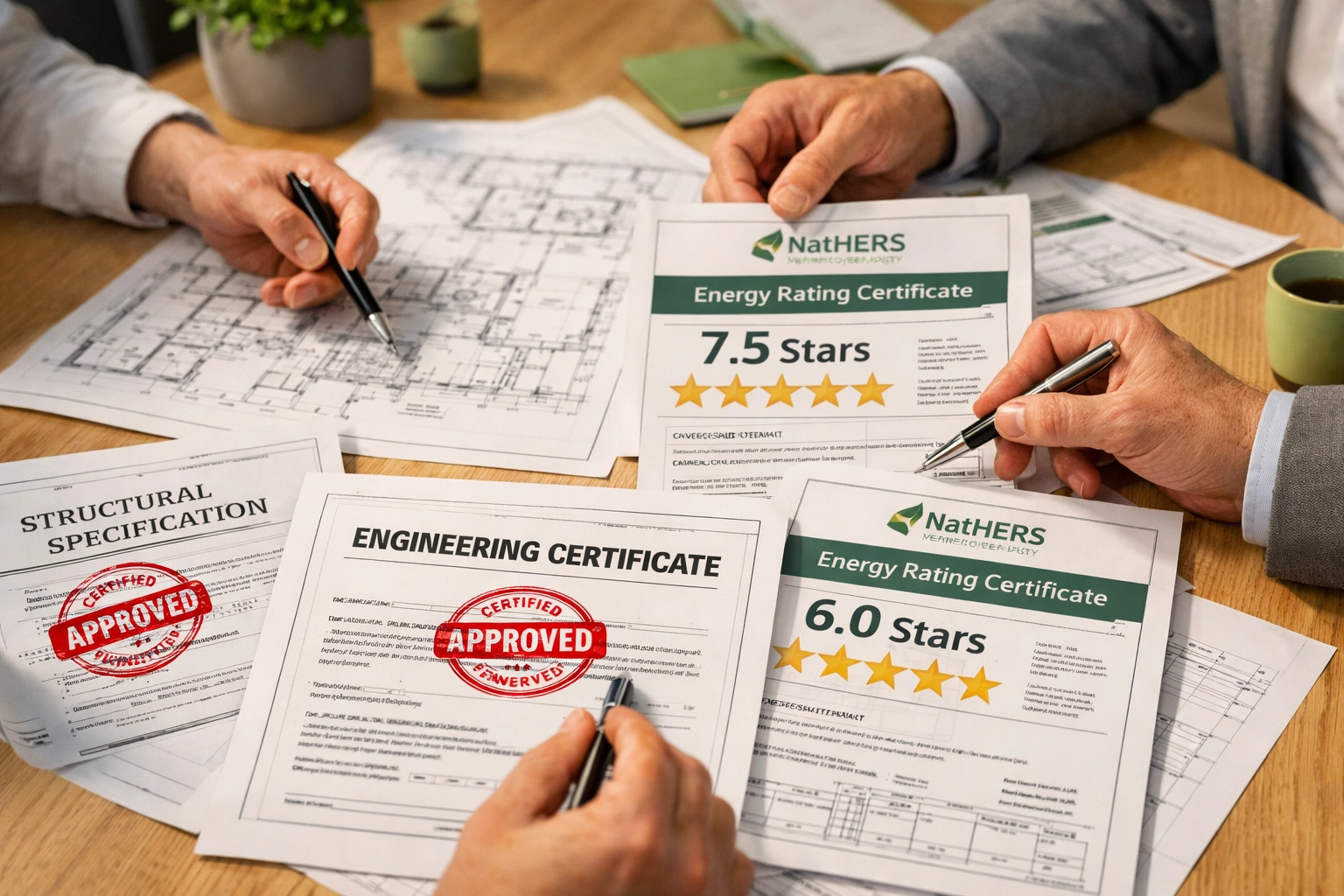
NCC 2025's energy efficiency provisions demand verifiable performance. Look for current NatHERS (Nationwide House Energy Rating Scheme) assessments that reflect the actual specifications of your modular home. A builder claiming "energy efficient design" without third-party certification is relying on marketing, not compliance.
Structural Engineering Certifications
Modular homes must meet the same structural reliability standards as traditional builds. Your builder should provide structural engineering certifications from registered professionals demonstrating compliance with NCC structural provisions: particularly important given Australia's varied climate zones and building conditions.
Fire Safety Performance Solutions Documentation
If your modular home uses Performance Solutions (alternative approaches to fire safety rather than prescriptive Deemed-to-Satisfy provisions), the documentation trail becomes even more critical. You need evidence of professional assessment, approval pathways, and certifier acceptance.
Water Management and Condensation Mitigation Plans
The strengthened water management provisions in NCC 2025 require clear documentation of how your modular home addresses moisture control, particularly in wall and roof assemblies. This includes ventilation specifications and condensation risk assessments.
Manufacturing Facility Certifications
Here's where prefab construction gets interesting: your builder's manufacturing facility should hold relevant quality assurance certifications. Off-site construction offers quality control advantages, but only if the facility operates under verified standards.
Why This Paperwork Actually Matters (Beyond Ticking Boxes)
Compliance documentation isn't bureaucratic busywork: it's your protection against three major risks that can derail modular home projects.
Council Approval Delays and Rejections
Australian councils are becoming increasingly sophisticated in their assessment of modular homes. If your builder's compliance paperwork doesn't align with NCC 2025 standards, you're looking at approval delays that stretch timelines by months. Worse, you might face outright rejection, leaving you stuck between a signed contract and an unbuildable design.
Finance and Insurance Complications
Lenders and insurers want certainty. Non-compliant or poorly-documented modular homes create risk they won't accept. You could find yourself unable to secure construction finance or facing prohibitively expensive insurance premiums because your builder cut corners on paperwork.
Resale Value and Future-Proofing
Here's the long-term reality: a modular home without proper NCC 2025 compliance documentation will struggle in resale scenarios. Savvy buyers and their conveyancers will identify documentation gaps, using them as negotiation leverage or walking away entirely. You're not just building for today: you're building an asset that needs to retain value.
How EcoHub Homes Handles NCC 2025 Compliance (The Right Way)
At EcoHub Homes, we've been preparing for NCC 2025 since the code was published: not scrambling now that the adoption date is visible on the horizon.
Our approach is straightforward: complete compliance documentation provided upfront, no exceptions. Every modular home we deliver comes with comprehensive paperwork packages that include current Australian Standards alignment, third-party energy efficiency assessments, structural engineering certifications, and manufacturing quality assurance documentation.

We work directly with certifiers and councils across Western Australia to ensure our designs meet not just the letter of NCC 2025, but the practical expectations of local building departments. That means fewer surprises, faster approvals, and genuine confidence in your investment.
Our 3-bedroom, 2-bathroom homes and 10-star energy-rated designs already exceed many NCC 2025 requirements: particularly around energy efficiency and structural performance. We're not retrofitting compliance; we're building it into every stage of design and manufacturing.
Five Questions Every Buyer Should Ask Their Modular Home Builder
Don't take compliance on faith. Here are the questions that separate builders who genuinely understand NCC 2025 from those hoping to wing it:
1. "Can you show me the specific Australian Standards your designs reference for NCC 2025 compliance?"
Generic answers about "meeting all codes" aren't enough. You want specific standard numbers, versions, and documentation.
2. "Who provides your structural engineering certifications, and are they registered in the state where I'm building?"
Inter-state registration matters. A certifier registered in Queensland doesn't automatically satisfy Western Australian requirements.
3. "What's your process for condensation mitigation in wall and roof assemblies?"
This is a technical question that NCC 2025 specifically addresses. Builders who fumble this answer haven't done their homework.
4. "Can you provide references from recent buyers who've completed council approvals under current building code provisions?"
Past performance under previous codes doesn't guarantee NCC 2025 readiness, but builders with track records of smooth approvals tend to maintain that standard.
5. "What happens if council identifies compliance gaps during assessment?"
The answer should involve clear processes, accountability, and builder responsibility: not vague promises or finger-pointing.

The Reality Check: Not All Modular Home Builders Are Created Equal
The Australian modular housing industry includes companies operating at vastly different compliance levels. Some maintain rigorous documentation standards and proactive engineering relationships. Others operate on minimums, reactive problem-solving, and optimistic assumptions about council flexibility.
As NCC 2025 adoption approaches, that gap is widening. Builders who've invested in understanding the updated code, aligning their designs, and preparing comprehensive documentation are positioned to deliver smooth, predictable projects. Those playing catch-up are about to discover how unforgiving building regulation timelines can be.
For property owners and investors looking at modular homes Australia-wide, the choice is straightforward: work with builders who treat compliance as foundational rather than incidental. Your project timeline, financing, insurance, and long-term property value all depend on it.
Your Move: Verify Before You Commit
The May 1st, 2026 NCC 2025 adoption date is eleven months away: close enough that building decisions made today will be assessed under the new standards. That makes this the critical moment to verify your builder's compliance readiness.
Don't accept vague assurances. Request the actual paperwork. Ask the technical questions. Compare responses across builders. The differences will be illuminating.
At EcoHub Homes, we welcome these conversations. We'd rather spend thirty minutes walking you through our NCC 2025 compliance documentation than see you discover gaps after contracts are signed. Explore our range of compliant, energy-efficient modular homes or reach out to discuss your specific project requirements.

Building a modular home should be an efficient, predictable process: not a compliance nightmare. The right paperwork, prepared properly, makes all the difference.