
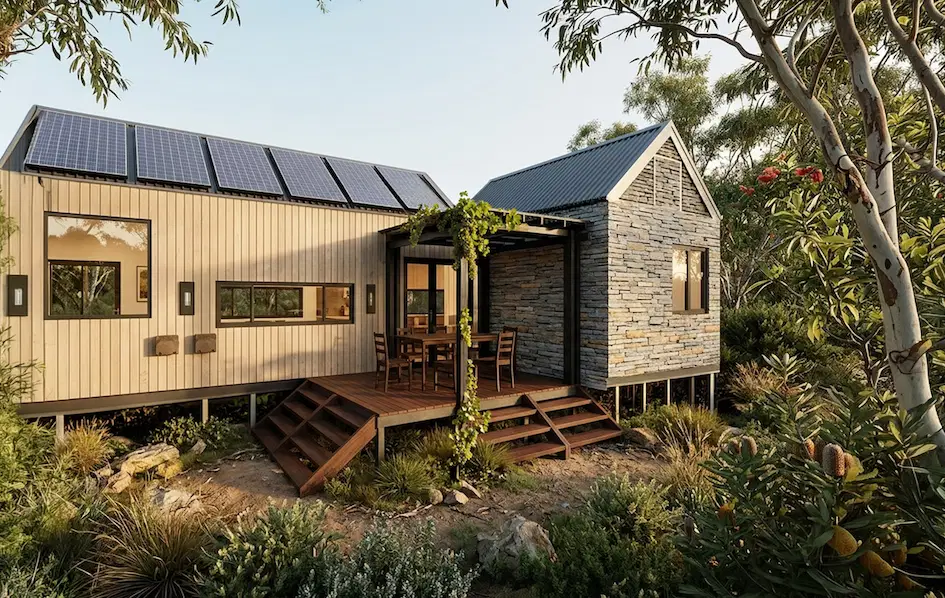
Before we dive into the data, take a moment to walk through one of our signature designs to see the quality for yourself.
https://youtu.be/Kskhm6zG7_c?si=Sjp40wDQ6mvRjJqk
The Australian housing market has reached a definitive turning point in 2026. If you’ve spent any time lately looking at traditional construction quotes or listening to the news about "labour shortages" and "material delays," you know the old way of building isn’t just slow: it’s broken.
Property owners and investors are no longer willing to wait 18 months for a home that might blow its budget by 30% before the roof is even on. This frustration has fueled a massive shift toward modular housing. In 2026, modular isn't just an alternative; it is the benchmark for efficiency, sustainability, and financial sanity.
Choosing the right modular home in this crowded market requires more than just looking at a pretty floor plan. You need to understand the interplay between factory speed, turnkey costs, and the long-term energy performance that defines a smart investment today.
The 2026 Reality: Why Modular is Winning
The housing landscape has changed. With the National Housing Accord pushing for 1.2 million new homes, the industry has been forced to evolve. Traditional site-built homes are struggling to keep up with the pace, often taking 12 to 18 months to complete. Meanwhile, modular construction: built in controlled factory environments: has slashed those timelines by up to 40%.
At EcoHub Homes, we’ve seen this transformation firsthand. Our clients are no longer just "early adopters"; they are savvy families and investors who recognise that a house built in a factory is built with a level of precision that's simply impossible to replicate on a windy, dusty construction site.
The Speed Factor: Months vs. Weeks
When we talk about speed, we aren't just talking about convenience. We’re talking about money. Every month your home is under construction is another month of paying rent elsewhere or missing out on rental income.
- Traditional Build: 12–18 months.
- Modular Build (Factory): 12–14 weeks.
- On-Site Installation: Often completed in just a few days.
- Total Move-In Time: Approximately 16–22 weeks.
That is a genuine liberation from the "construction limbo" that has plagued Australian homeowners for decades. By the time a traditional builder has finished the site preparation and slab, an EcoHub modular home is usually being craned into position, nearly 90% complete.
Cost Comparison: Modular vs. Traditional vs. Kit Homes
Navigating the costs of building in 2026 can be a minefield. You’ll see "kit homes" advertised at incredibly low prices, but those figures are often deceptive. To choose the best option, you have to compare apples with apples.
| Feature | Modular Homes (Turnkey) | Traditional Site-Built | Kit Homes (Materials Only) |
|---|---|---|---|
| Price per m² | $3,000 – $4,500+ | $3,500 – $6,000+ | $1,500 – $2,500 (Materials) |
| Build Time | 4–5 Months | 12–18 Months | Variable (DIY/Managed) |
| Predictability | High – Fixed Price | Moderate – High Risk of Overruns | Low – Trades/Fit-out Extra |
| Sustainability | High (SIPs & Solar standard) | Variable | Depends on Builder |
The "Hidden" Value of Modular
While the sticker price of a modular home might look similar to a traditional build, the Total Cost of Ownership is where modular wins. Because our homes use advanced Structural Insulated Panels (SIPs) and full-height double-glazed windows, your energy bills are slashed from day one. In 2026, an energy-efficient home isn't a luxury: it's a financial necessity.
Furthermore, our modular homes start from just $99,000 for a one-bedroom unit. This entry point allows property owners to turn vacant rear lots into passive income streams without the astronomical debt associated with traditional granny flats.
"The shift we've seen in 2026 isn't just about how we build, but where we value our time. Modular construction removes the 'human error' and 'weather delay' variables that have made traditional building a gamble for too long." : Industry Expert Insight
Sustainability: Not Just a Buzzword
In 2026, Australian building standards have tightened significantly. Every home we build at EcoHub Homes is designed to exceed these requirements. We don't just "add" eco-friendly features; they are baked into the DNA of the home.
- High-Performance Insulation: Our insulated designs keep your home cool in the scorching Australian summer and warm in the winter without relying on expensive air conditioning.
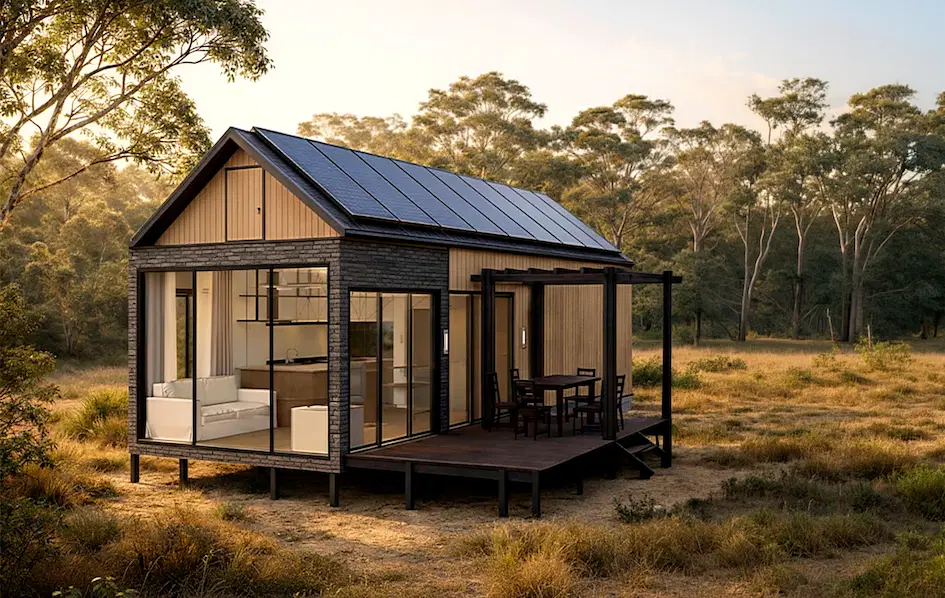
- Solar Integration: Most of our designs feature rooftop solar panels as a standard or easy-add option, moving you toward energy independence.
- Double-Glazing: We use full-height double-glazed windows to maximise natural light while maintaining a thermal seal.
- Low Waste: Factory construction generates up to 60% less waste than a traditional site build.
Investing in Passive Income
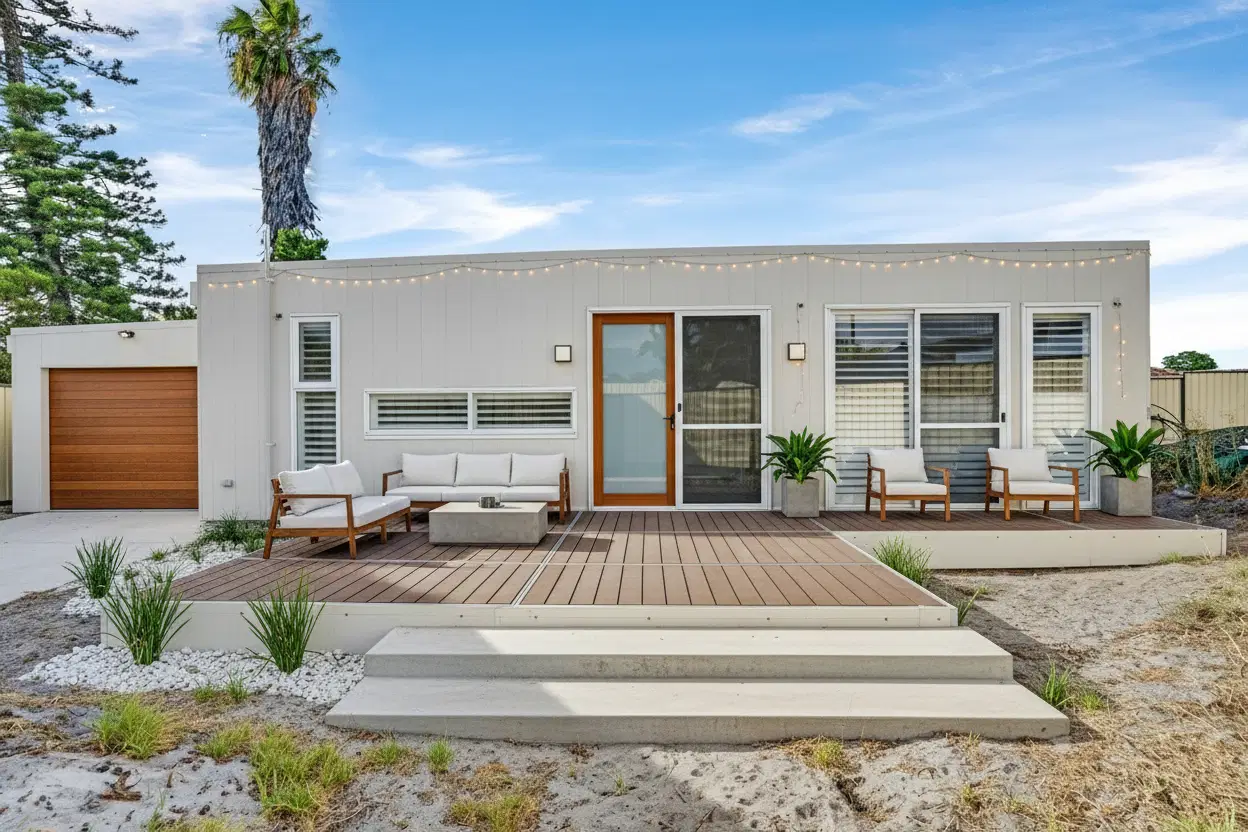
For investors, modular homes are the ultimate tool for 2026. Whether you are looking to add a holiday home to a coastal block or a rental unit to your backyard, the math is simple: faster build time equals faster ROI.
By utilizing our 3D visualization tools, you can see exactly what your investment will look like before a single piece of timber is cut. This level of certainty is what allows our clients to secure financing more easily and begin their rental journey months ahead of those choosing traditional methods.
How to Choose Your Modular Builder: A Checklist
With the surge in popularity, new modular companies are popping up everywhere. Here is how to separate the professionals from the fly-by-nights:
- Australian Standards Compliance: Ensure the builder meets all NCC (National Construction Code) requirements. Beware of cheap imported units that haven't been engineered for Australian conditions.
- Warranty: We provide a 10-year warranty because we stand by our manufacturing process. Never settle for less than 7 years.
- Inclusions: Does the price include the kitchen, bathroom, and flooring? At EcoHub, our homes feature premium finishes and high ceilings: no "hidden" upgrade costs for the basics.
- Site Management: Do they handle permits and site preparation? Building is stressful enough; you want a partner who manages the process from custom design to final installation.
The EcoHub Advantage
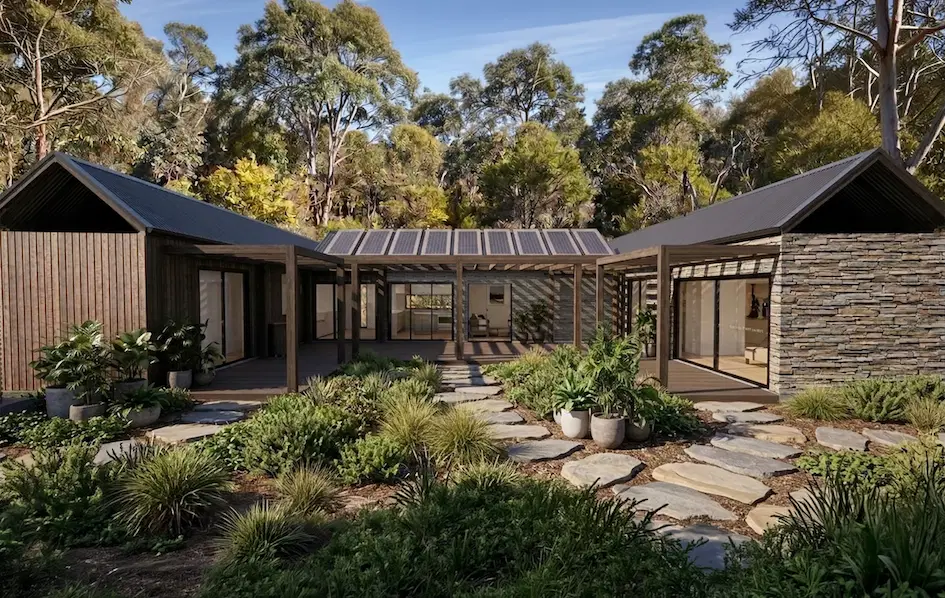
We don't just build boxes; we create high-end, sustainable living spaces that challenge the very idea of what "prefab" means. Our product range: spanning from one-bedroom retreats to expansive three-bedroom family homes: is designed for the modern Australian lifestyle.
We’ve streamlined the process to be as hands-off as you want it to be. From the moment you engage with our team for a custom 3D design to the day we deliver your home on-site, we are focused on two things: quality and speed.

Conclusion: Take Control of Your Build
Choosing the best modular home in Australia in 2026 comes down to choosing a builder that values your time as much as your budget. The days of waiting years for a home are over. Whether you’re building your dream home or a smart investment, the modular path offers a level of certainty and quality that traditional building simply cannot match.
Stop settling for the delays and rising costs of the past. Explore our range of energy-efficient, premium modular homes and see how we can transform your property in a fraction of the time.
Ready to start your journey? Contact the EcoHub Homes team today to discuss your vision or book a consultation for your custom 3D design.