
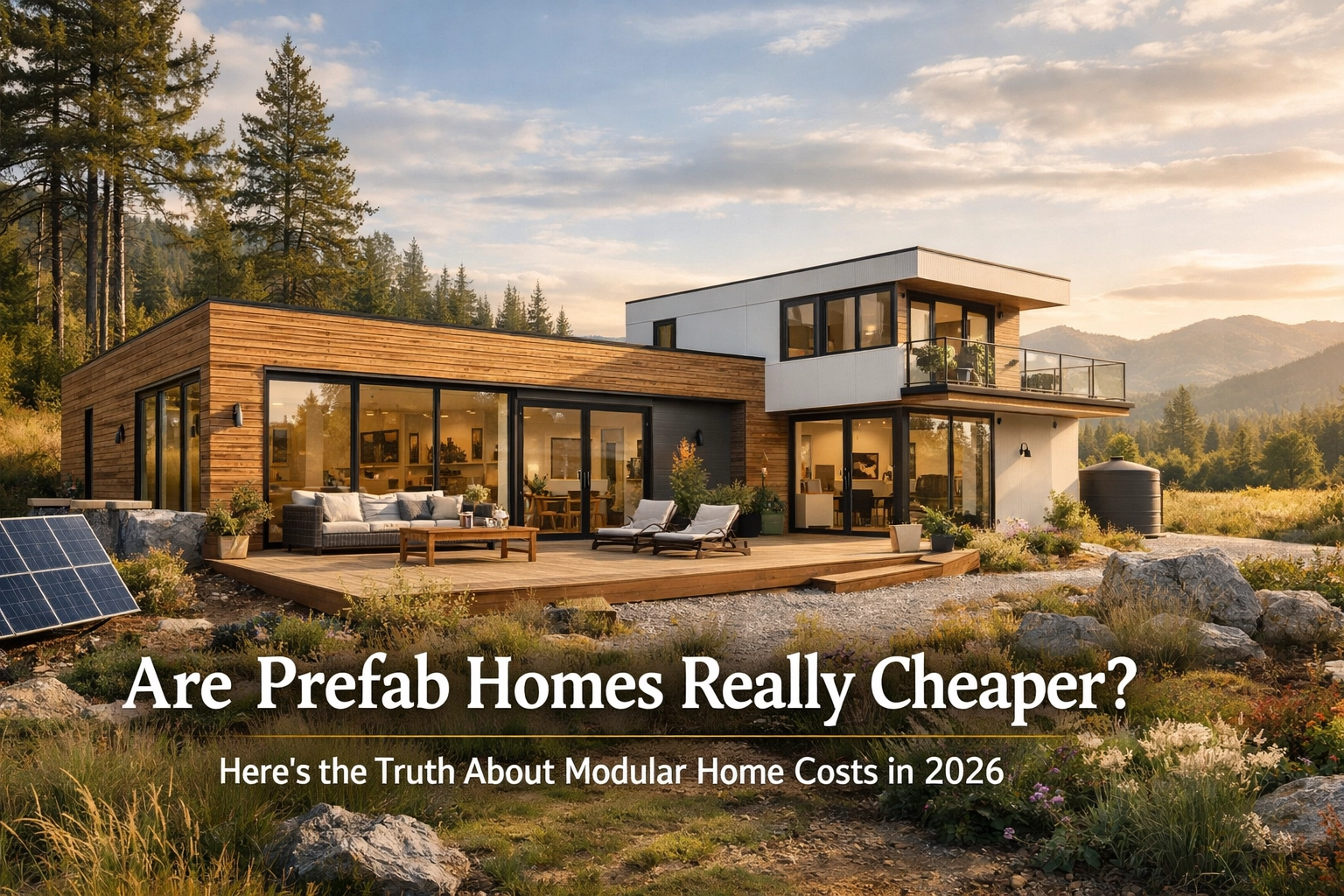
You've probably heard the pitch: prefab homes are cheaper, faster, and less stressful than traditional builds. But when you start digging into actual numbers, things get murky fast. One quote says $150k, another says $300k, and suddenly you're wondering if anyone's telling you the full story.
Here's the truth, prefab homes absolutely can save you money, but the way most people compare costs is fundamentally broken. The real question isn't just "what's the sticker price?" It's about understanding where the savings actually come from and what hidden costs might derail your budget.
The Price Tag Reality Check
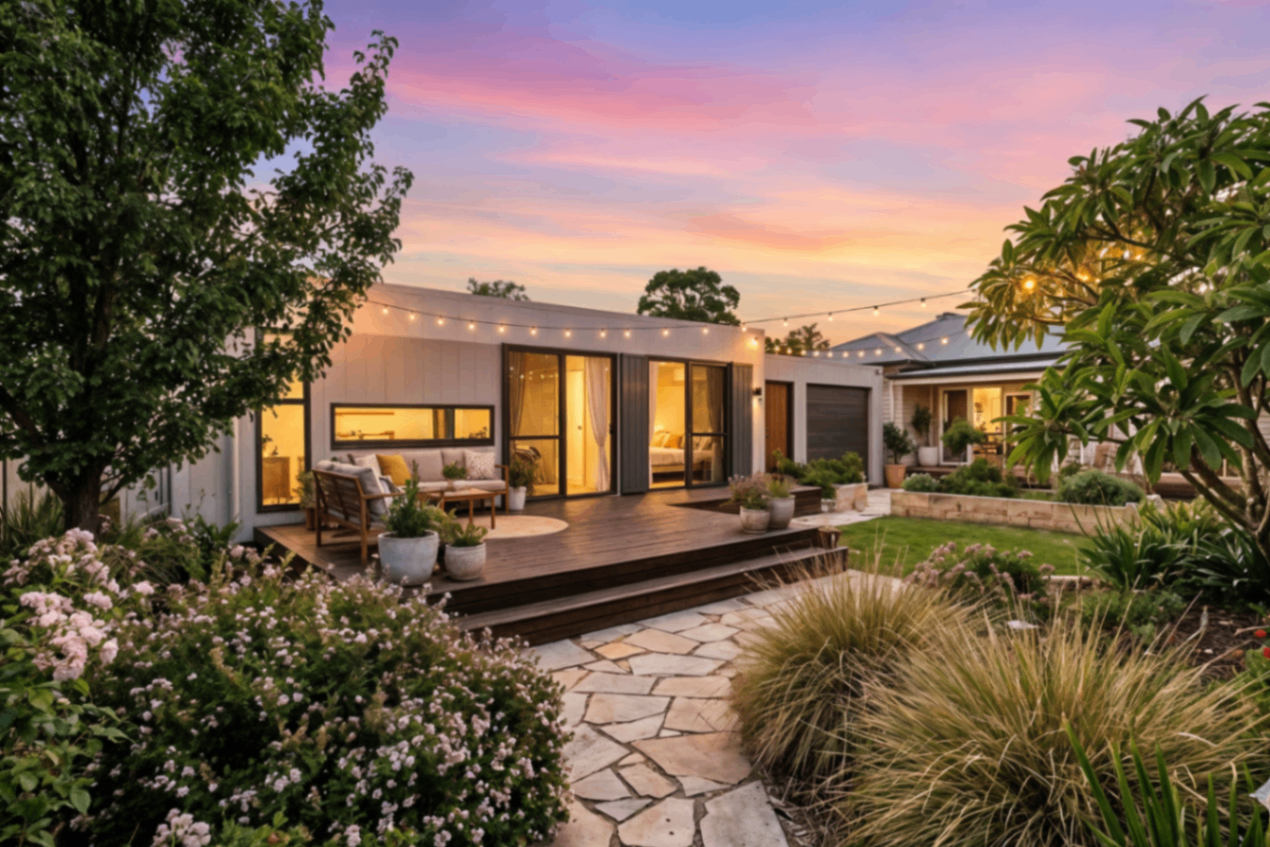
Let's start with the numbers everyone wants to know. Industry data shows modular homes typically cost 10-20% less than comparable stick-built homes when you're doing an apples-to-apples comparison. For a standard 2,000-square-foot home, that translates to $60,000-$80,000 in savings, nothing to sneeze at.
At EcoHub Homes, our modular homes start from $99,000. That's competitive pricing for a factory-built home with premium finishes included. But here's what matters more than the base price: what you're actually getting for your money and what additional costs you need to plan for.
Traditional builds in Australia average around $323,000, while modular homes average $240,000 fully installed. The gap narrows with luxury specifications, but the percentage savings remain consistent across most build types.
Why Factory-Built Actually Saves Money
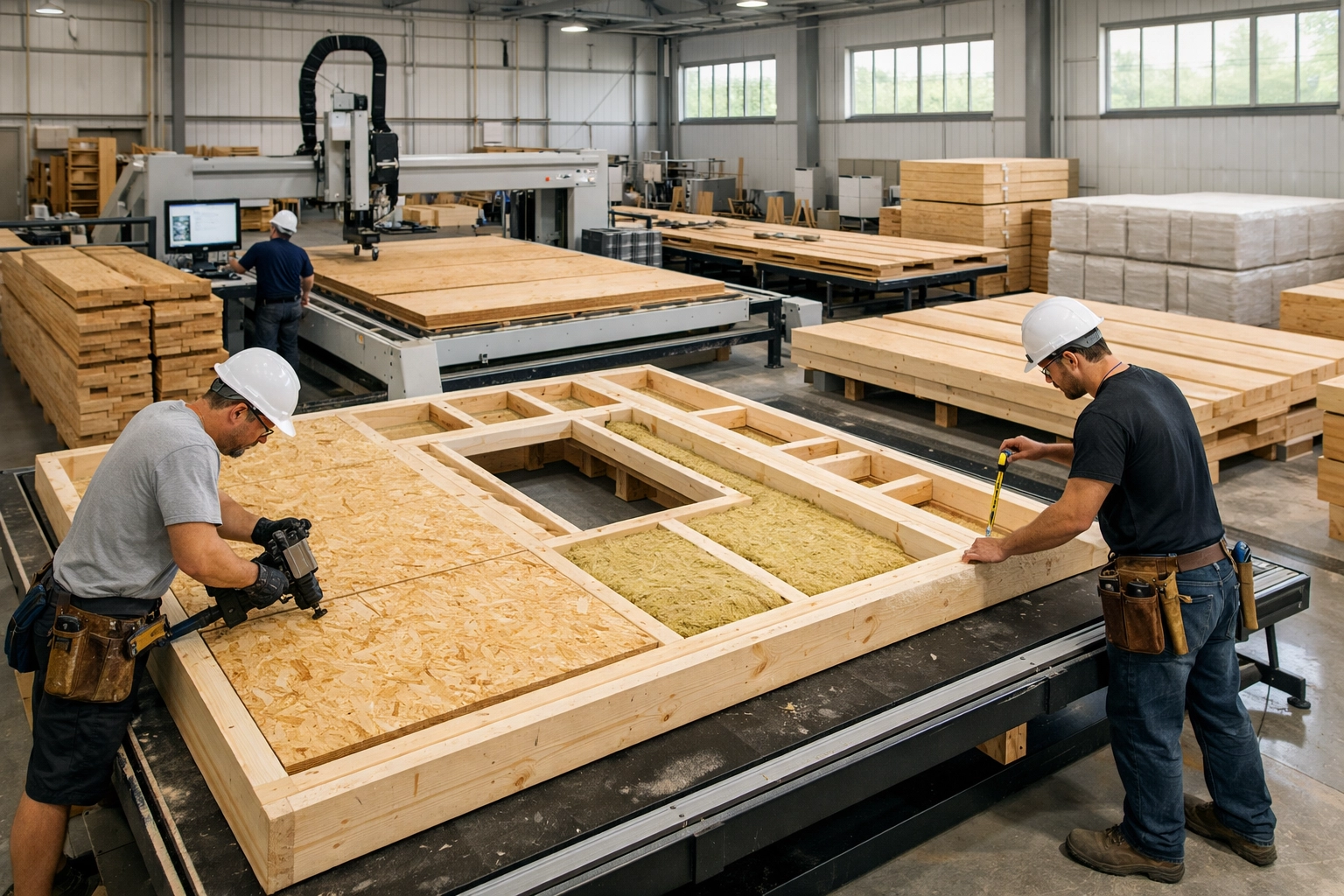
The cost advantage of modular construction isn't marketing spin, it's basic manufacturing efficiency. When you build homes in a controlled factory environment instead of exposing materials and labour to weather, theft, and coordination chaos, several things happen:
Labour costs drop by 40-50%. Factory workers aren't standing around waiting for inspections or dealing with weather delays. They're building the same home models repeatedly, which means faster work and less wasted time.
Material waste decreases by roughly 25%. Computer-aided cutting systems measure precisely. Bulk purchasing reduces unit costs. Leftover materials from one home get used on the next. Compare that to a traditional build site where timber off-cuts end up in skip bins and you'll see where the savings accumulate.
Timeline compression saves thousands in financing costs. Factory construction takes 7-9 weeks instead of 6-9 months. That's less interest accruing on construction loans, less time paying rent while you wait, and faster path to rental income if you're building for investment.
The Hidden Costs Nobody Mentions
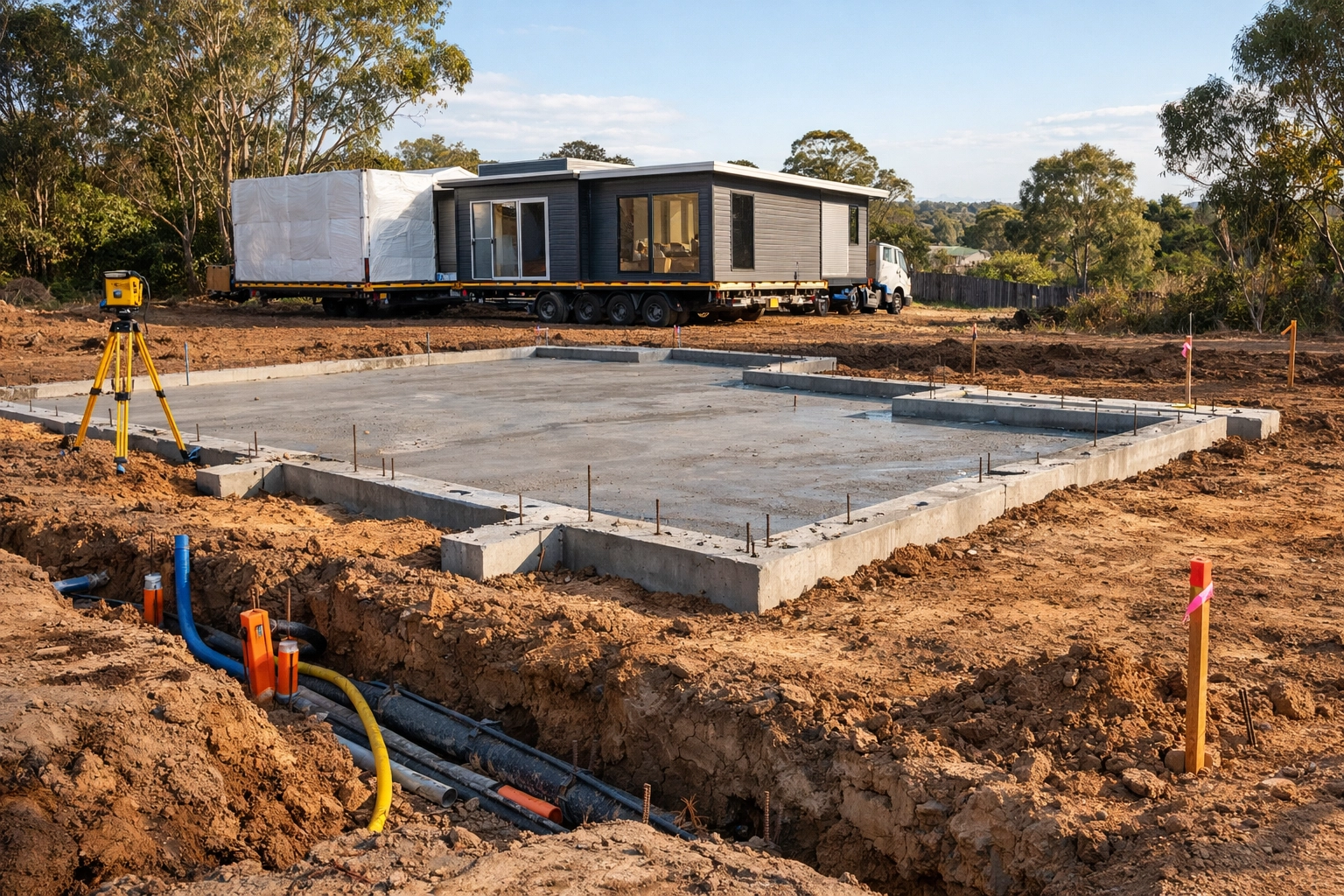
Here's where things get interesting, and where many buyers get blindsided. The factory-built modules typically represent only 40-60% of your total project cost. A $99,000 base home can jump to $180,000-$240,000 once you factor in everything required to turn those modules into a liveable home on your property.
These costs include:
- Foundation and site preparation
- Utility connections (water, sewer, electricity)
- Transport and crane installation
- Council fees and permits
- Landscaping and driveway
- Fencing and outdoor structures
For a 1,500-square-foot home, base modules might cost $75,000-$112,500, but the fully installed price climbs to $120,000-$240,000. Land costs can double your total investment again, particularly in metro areas.
Customisation adds substantial expense too. Moving from a standard floorplan to custom specifications can increase costs by 20-100%. That ensuite bathroom upgrade or extra garage? Each change ripples through the pricing structure.
Where EcoHub Homes Delivers Real Value
The conversation around "cheaper" misses the point if you're only looking at upfront costs. The genuine savings with modular construction come from two factors most builders gloss over: time and budget certainty.
Time is money, literally. While competitors quote 6-12 month timelines, we're delivering completed homes in weeks. That compressed schedule means you're not haemorrhaging money on temporary accommodation, paying double mortgages, or watching rental income opportunities evaporate.
Budget creep destroys traditional builds. You know the story, project starts at $250k, ends at $320k because of weather delays, subcontractor no-shows, and "unforeseen" complications that somehow everyone foresaw except you. Factory construction eliminates most of these variables. Your price is your price.
Premium Finishes Included, Not Extra
Here's where the value equation shifts dramatically. Many modular builders advertise low base prices, then slug you with upgrade costs when you discover the "standard" fixtures look like they belong in a 1980s caravan.
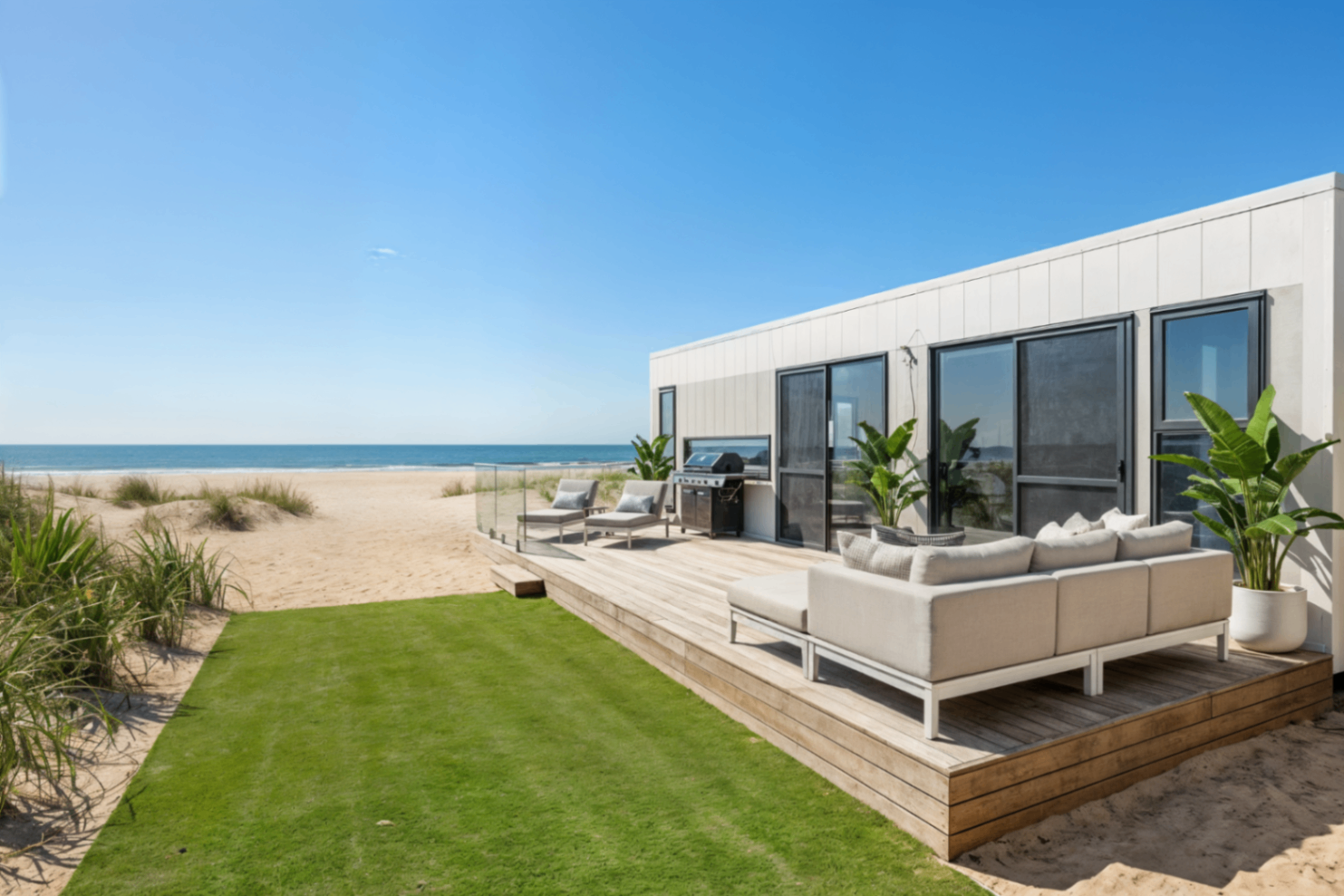
Our approach is different. EcoHub Homes includes premium finishes as standard:
- Full-height double-glazed windows (2,400mm) for genuine energy efficiency
- 2,600mm ceiling heights that create spacious, light-filled interiors
- Timber-look laminate flooring throughout
- Built-in cabinetry and storage solutions
- R4.8 ceiling insulation and insulated walls
- Full-height bathroom tiling
- Steel frame construction with fibre-cement cladding
These aren't optional upgrades. They're baseline inclusions because we believe a "budget" home shouldn't look or feel cheap.
The Solar Advantage
Every EcoHub home is solar-ready, meaning the electrical infrastructure and roof design accommodate photovoltaic panels without retrofitting costs. Many of our clients install solar during construction, which transforms the long-term cost equation.
A typical 6.6kW solar system costs $5,000-$8,000 installed but can slash electricity bills by 60-90%. Over a 25-year period, that's $40,000-$75,000 in savings, far exceeding the upfront investment. When you're already building, adding solar makes financial sense in ways that retrofitting never quite matches.
Combined with our double-glazed windows and superior insulation, EcoHub homes routinely achieve energy efficiency levels that traditional builds struggle to reach. Lower utility costs compound monthly, turning "cheaper upfront" into "dramatically cheaper to own."
A Real-World Cost Breakdown
Let's walk through actual numbers for a 3-bedroom, 2-bathroom EcoHub home:
- Base home with premium finishes: $180,000
- Site preparation and foundation: $25,000-$40,000
- Transport and installation: $15,000-$20,000
- Utility connections: $8,000-$15,000
- Solar system (6.6kW): $6,000
- Council fees and permits: $5,000-$8,000
- Basic landscaping and driveway: $12,000-$18,000
Total project cost: $251,000-$287,000 for a completed, solar-equipped, premium-finish home that's move-in ready.
Compare that to an equivalent traditional build in most Australian markets, you're looking at $320,000-$380,000 for similar specifications and quality. The modular advantage holds up when you compare complete projects, not just base prices.
The Bottom Line on Modular Value
Are prefab homes cheaper? Yes, but only if you're comparing intelligently. A $99,000 base home isn't cheaper than a $250,000 traditional build: it's a different conversation entirely.
The real financial advantage comes from three factors:
- Genuine build quality at competitive prices without the upgrade trap
- Compressed timelines that reduce financing costs and opportunity costs
- Budget certainty that eliminates the costly surprises plaguing traditional construction
Factor in energy efficiency, lower ongoing costs, and strong resale value, and the value proposition becomes compelling. Modular homes maintain price competitiveness with traditional builds while delivering faster completion, superior quality control, and predictable budgets.
The question isn't whether prefab saves money: it's whether you value your time, sanity, and financial certainty enough to choose the smarter building method.
Ready to see how modular construction could work for your property and budget? Explore our home designs or get in touch for a free consultation and transparent quote. No sales pressure, no hidden costs: just honest answers about what your project will actually cost.