
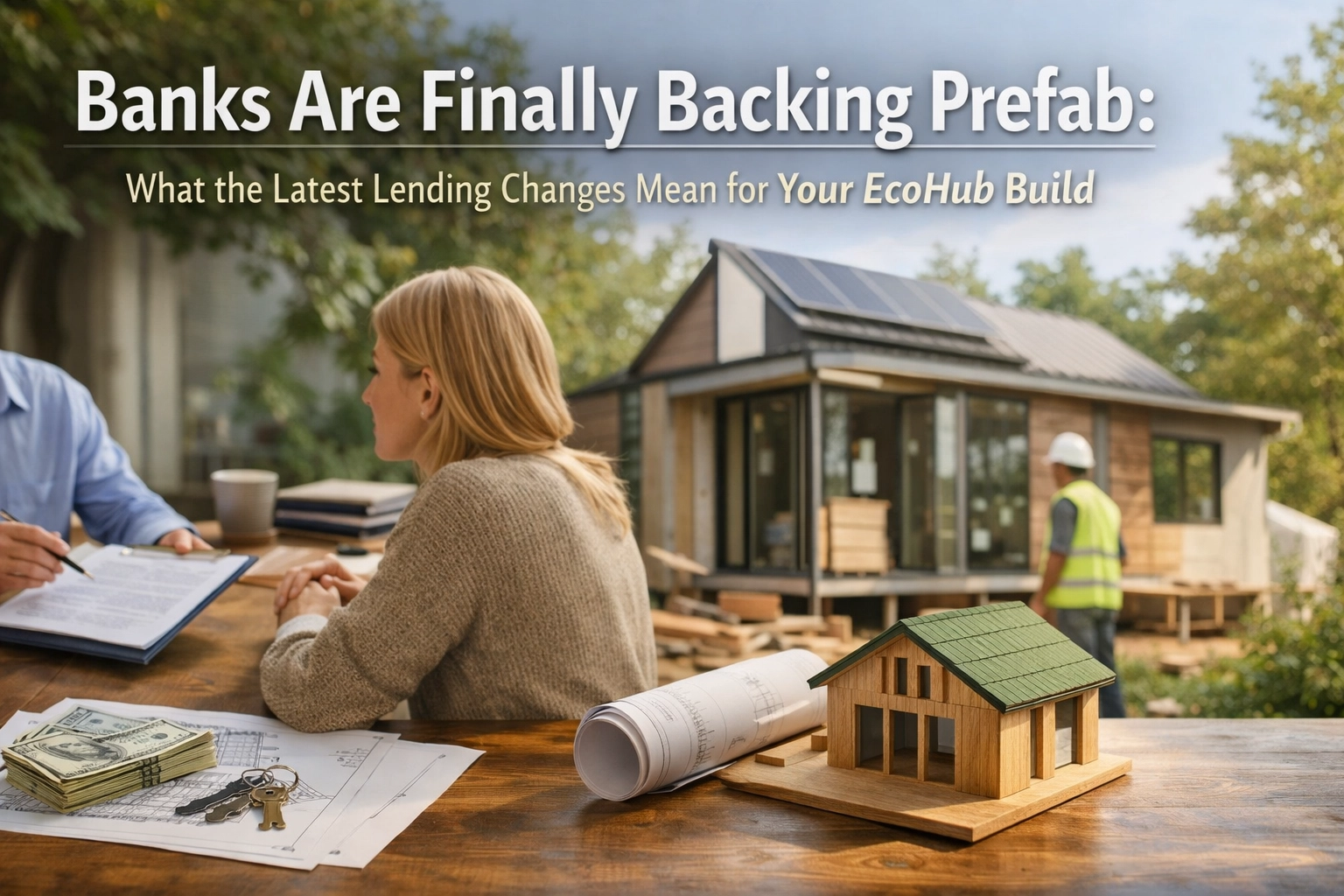
Five years ago, mentioning "modular home" to a bank would've gotten you a polite smile and a firm "we don't finance those." Fast forward to 2026, and the entire Australian lending landscape has flipped. Major banks, credit unions, and specialist lenders are now actively competing for modular home business: and it's changing everything for people looking to build with EcoHub.
If you've been holding off on your modular project because you thought financing would be a nightmare, here's what you need to know about the seismic shift happening right now.
Why Banks Treated Modular Homes Like Radioactive Assets
Let's address the elephant in the room: banks have traditionally been terrified of prefab and modular homes. Not because the homes themselves were dodgy, but because lenders operate on one fundamental principle: asset security.
When a bank gives you $400K for a traditional brick build, they're backing a known quantity. They've got decades of data on how those homes appreciate, how they weather storms, and how they perform at auction if things go south. Their risk assessment models are built on conventional construction.
Modular homes? That was uncharted territory. Lenders worried about:
- Resale value uncertainty : Would the property hold its value compared to a traditional build?
- Perceived quality issues : The old "relocatable demountable" stigma from 1980s workers' camps still haunted the industry
- Valuation challenges : Appraisers didn't have enough comparable sales data to confidently value modular properties
- Construction risk : Concerns about incomplete installations, site work complications, or builders going bust mid-project
The result? Most banks either flat-out rejected modular applications or buried them in red tape that made financing practically impossible. Home buyers were forced into cash purchases or specialty high-interest loans that killed project viability before it started.

The Three Forces That Changed Everything
So what shifted? Three massive industry changes converged to force banks to reconsider:
1. Factory Certainty Beats Site Chaos
The traditional construction industry is in crisis: builder insolvencies hit record highs in 2024-25, leaving thousands of Aussies with incomplete homes and worthless contracts. Meanwhile, modular manufacturers kept delivering homes on schedule, on budget, and with zero weather delays.
Banks noticed. Factory-controlled construction eliminates the variables that make lenders nervous. When your home is built in a controlled environment with consistent quality checks, assembly-line precision, and a finite production timeline, the risk profile completely transforms.
2. Quality Standards Caught Up (And Then Some)
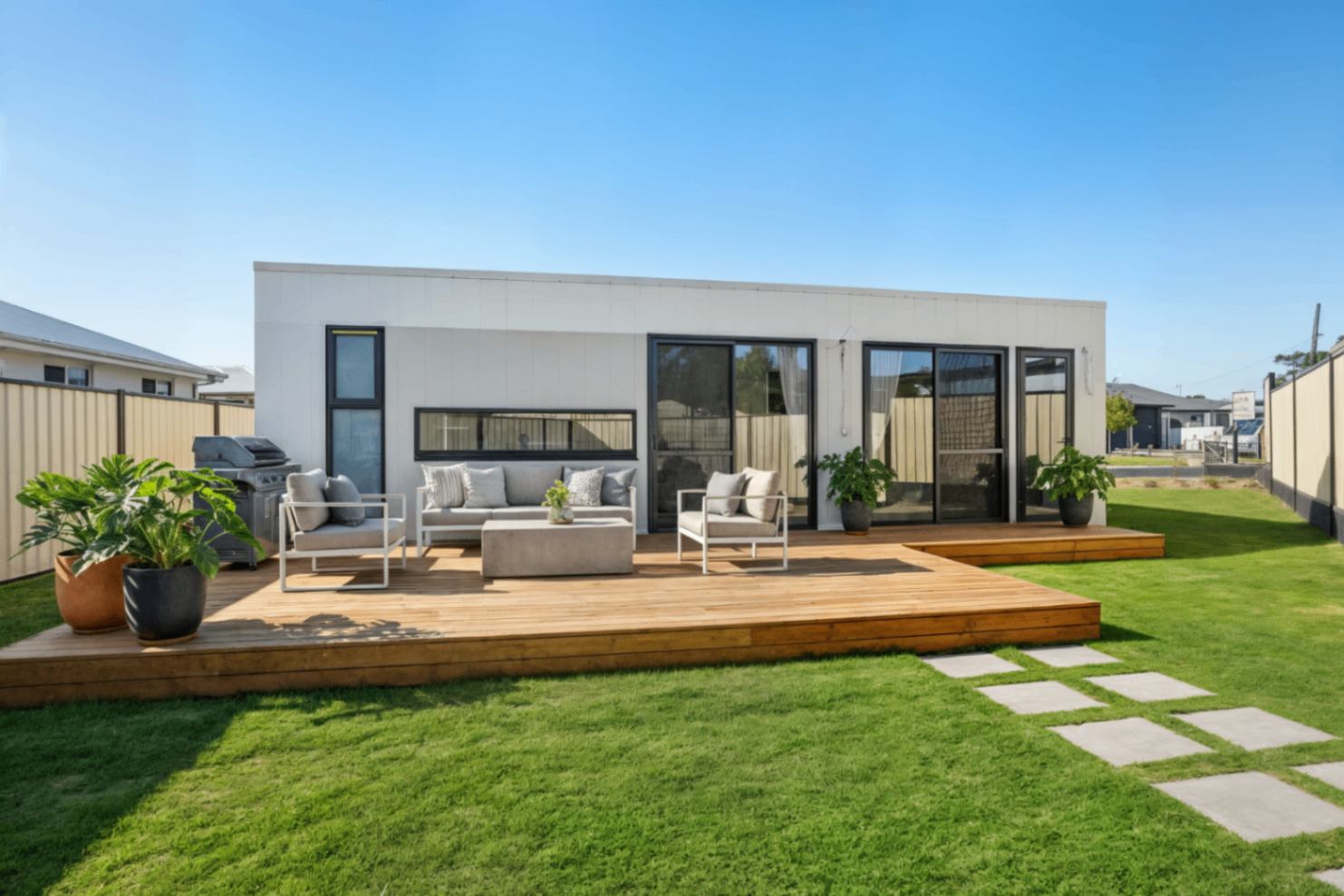
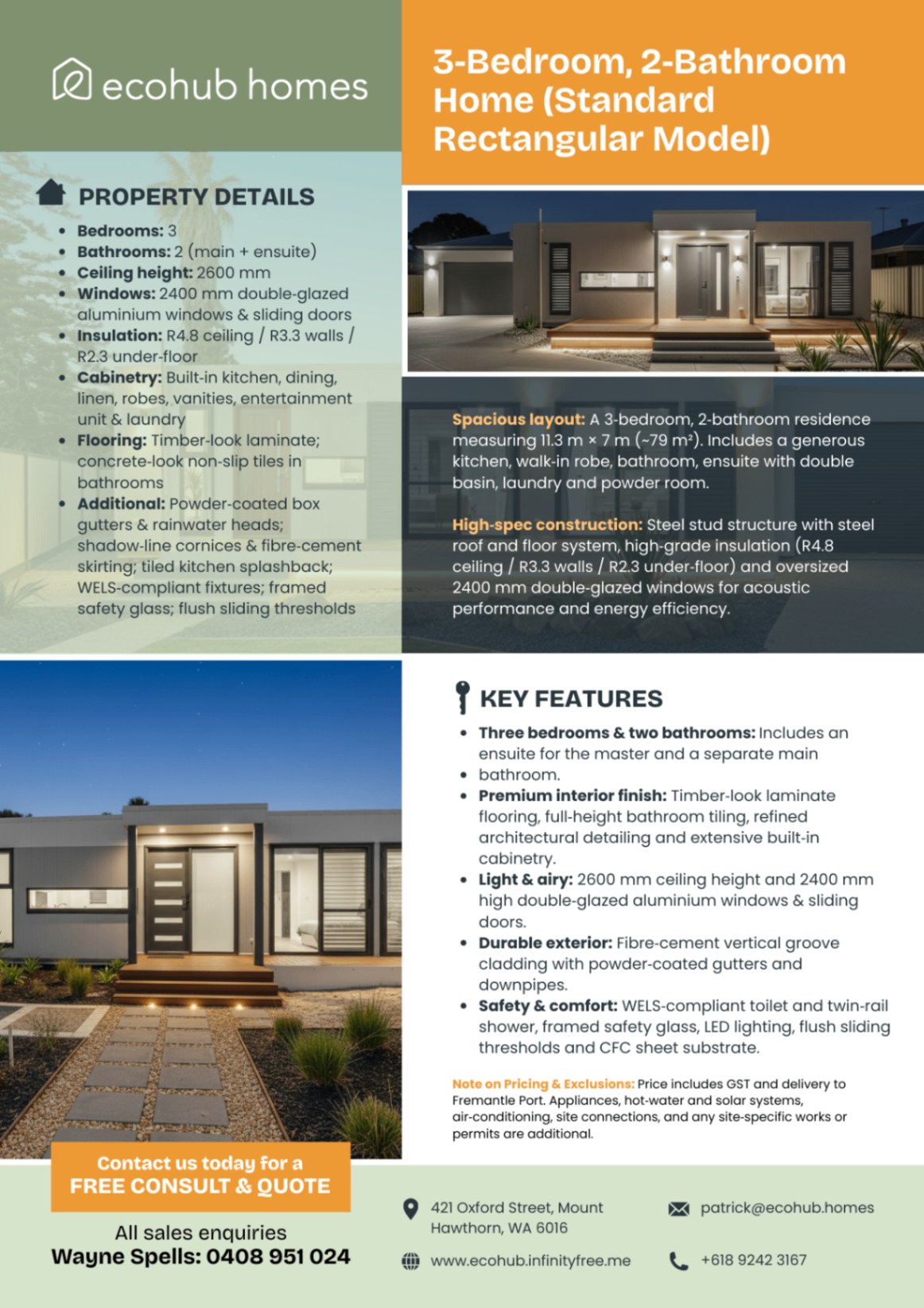
Modern Australian modular homes aren't your grandfather's prefab cabin. EcoHub homes meet: and often exceed: the National Construction Code requirements that govern traditional builds. We're talking:
- Steel frame construction rated for Australian cyclone and bushfire zones
- Double-glazed windows and R4.8+ ceiling insulation for genuine energy efficiency
- 10-year structural warranties that traditional project builders rarely match
- Engineered compliance with 10-Star NatHERS standards baked into the factory process
When banks started seeing these specifications: and the warranties backing them: the risk equation changed. A factory-built home with documented quality control suddenly looked safer than a site-built project managed by a potentially overstretched builder juggling twelve jobs.
3. Data Finally Exists
Five years of solid resale data in the Australian market proved what the industry knew all along: well-built modular homes appreciate at comparable rates to traditional construction. In regional areas and on the urban fringe: where EcoHub specializes: properly installed modular homes are consistently selling for market value or better.
Banks love data. Once the numbers demonstrated that modular homes weren't deprecating assets or unmarketable properties, lending policy started to shift rapidly.
What's Actually Available in 2026
The practical reality for EcoHub buyers right now is night-and-day different from two years ago:
Construction-to-Permanent Loans
These streamlined products combine the factory build phase and final mortgage into a single approval process. You're not dealing with a construction loan that expires and then scrambling for a second approval for the permanent mortgage: it's one application, one settlement process.
Typical terms we're seeing:
- Interest rates: 6.25–7.5% depending on deposit and credit profile
- Down payment: 10–20% for most conventional loans, as low as 3–5% for first-home buyers accessing government schemes
- Approval timeline: 45–60 days from application to final credit approval
Progress Payment Structures
More lenders now offer payment schedules that match modular construction reality. Instead of the traditional "slab, frame, lockup" milestones that don't map to factory builds, these loans release funds based on:
- Factory deposit (typically 10%)
- Factory completion (60–70%)
- Transportation and crane-in (10–15%)
- Final site works and connections (remaining balance)
This structure protects both you and the lender: funds get released as verifiable milestones are hit, and you're not fronting cash for stages that haven't happened yet.

Turnkey Financing Recognition
Banks are finally understanding that "turnkey" doesn't mean "dodgy package deal": it means reduced risk. When EcoHub quotes a complete price that includes the home, delivery, installation, and site connections, lenders see fewer variables and clearer scope definition.
That means smoother approvals and faster processing compared to traditional builds where every site cost is an estimate subject to variation.
The EcoHub Advantage When Talking to Banks
When you're shopping your EcoHub project to lenders, you're bringing documentation that makes their risk assessment easy:
Factory Certifications: Our homes are built under continuous quality management systems with documented inspections at every manufacturing stage. Banks can verify construction quality before the home even leaves the facility.
10-Year Structural Warranty: This isn't a 12-month "defects period": it's a comprehensive structural guarantee that covers major building elements. Lenders recognize this as significant risk mitigation that most site-built projects can't match.
Fixed Price Certainty: EcoHub quotes include everything needed to get your home fully operational on your site. No variations, no "PC sums," no surprise costs that blow out your loan serviceability mid-project.
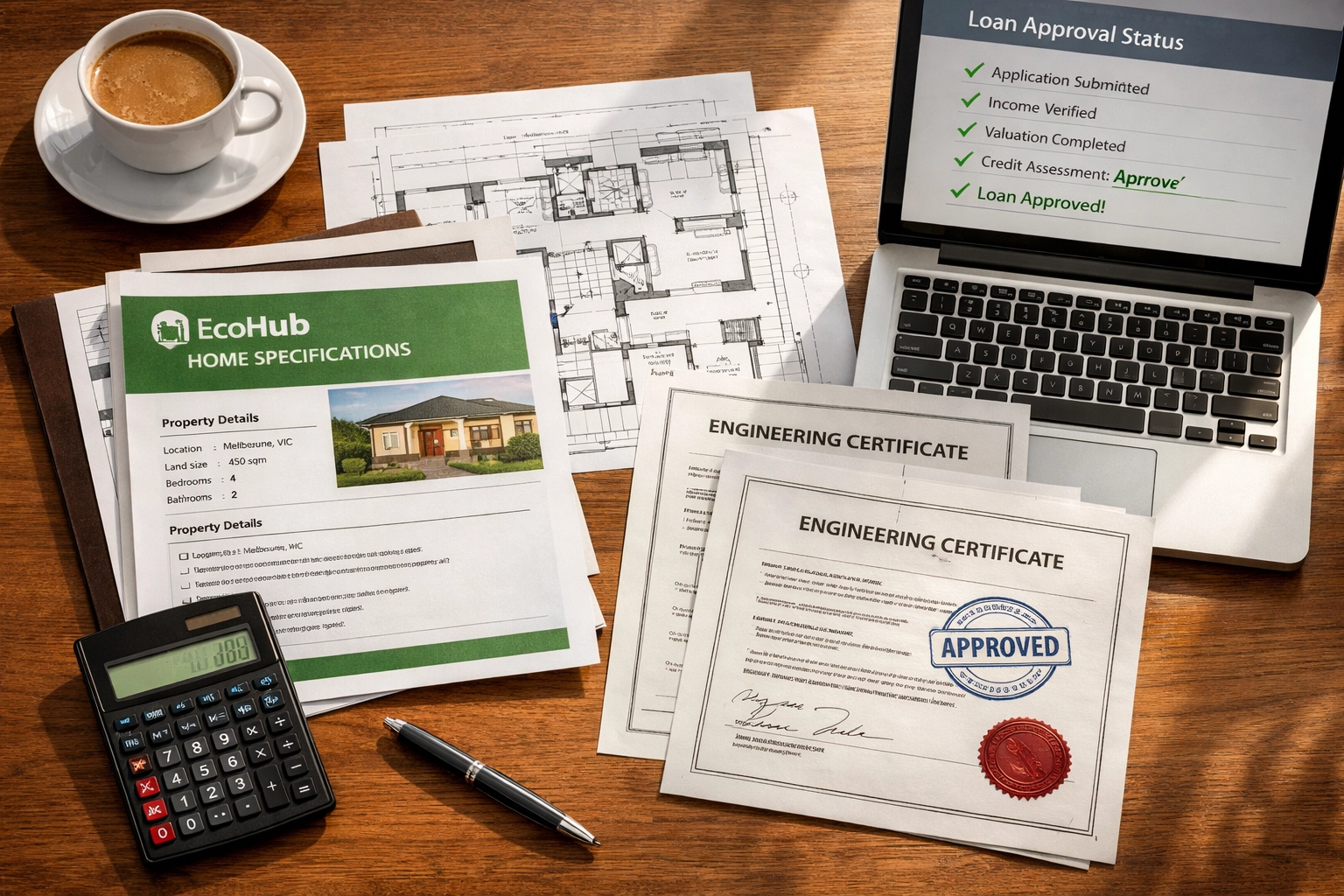
Engineering Reports: Every home comes with structural engineering certification and compliance documentation. Your bank's valuer gets a complete technical package instead of trying to assess a half-finished construction site.
How to Position Your Application for Success
Getting approved isn't just about the home anymore: it's about presenting your project strategically:
Talk to a Mortgage Broker Early
Not all lenders have caught up yet. A broker who specializes in modular or alternative construction knows which banks have the best policies and appetite for prefab right now. They'll save you months of wasted applications with lenders still operating on 2020 policies.
Get them involved before you sign anything with EcoHub. They can:
- Pre-assess your borrowing capacity based on modular-specific lending criteria
- Identify the 2-3 lenders most likely to approve your specific situation
- Structure your deposit and payment timeline to match what lenders want to see
Lead With Documentation
When you contact lenders, bring the complete EcoHub specification package. This should include:
- Detailed floor plans and elevations
- Full construction specifications (frame, cladding, insulation, windows, etc.)
- Engineering certifications and NCC compliance reports
- Warranty documentation
- Fixed-price contract showing itemized inclusions
- Site plan showing exactly where the home will be positioned
The more complete your documentation, the less the lender has to assume or estimate: and assumptions are what kill modular applications.
Get Your Site Sorted
Banks want to see a clear path from "vacant land" to "completed home." If your block needs significant earthworks, retaining walls, or complicated services connections, get quotes and engineering reports done upfront.
Lenders will often approve the home itself but balk at unknown site costs. Show them you've got the full picture costed and managed, and you eliminate their biggest remaining objection.
Consider Staged Equity Release
If you own the land outright or have significant equity in it, some lenders will structure the loan to release funds against your land equity first, then add the modular home value once it's installed and valued. This can get you better rates and terms than a pure construction loan.
The 2026 Reality Check
Here's what we're seeing with actual EcoHub clients right now:
Approval rates for qualified borrowers with 15–20% deposits are running around 85% across major lenders: comparable to traditional construction.
Interest rate premiums for modular have essentially disappeared. You're getting the same rates as conventional builds with similar LVR (loan-to-value ratio) and credit profiles.
Valuation gaps are rare. When EcoHub homes are properly installed on suitable sites, bank valuations are consistently matching or exceeding purchase price: meaning you're not stuck trying to fill an appraisal shortfall.
Timeline advantage is real. Because factory construction runs parallel to site prep and approvals, many EcoHub clients are moving into finished homes before a traditional builder would've poured the slab. That means you're building equity and living in your asset faster.
What This Means for Your Next Move
If you've been sitting on vacant land or planning a granny flat investment but thought financing would be impossible, 2026 is your window. The banking industry has shifted, the stigma has evaporated, and the infrastructure to support modular lending is finally in place.
The buyers winning right now are the ones moving decisively with complete information. Banks want to lend on modular projects: but they want to see professional documentation, realistic budgets, and borrowers who understand what they're building.
Ready to get started? Contact EcoHub for a complete specification sheet and project documentation package designed specifically for lender presentations. We'll provide everything your bank or broker needs to assess your project accurately: including technical specifications, warranty details, and installation timelines that demonstrate exactly why modular is now the smart money play.
The lending landscape has changed. Your project timeline just got a whole lot shorter.