
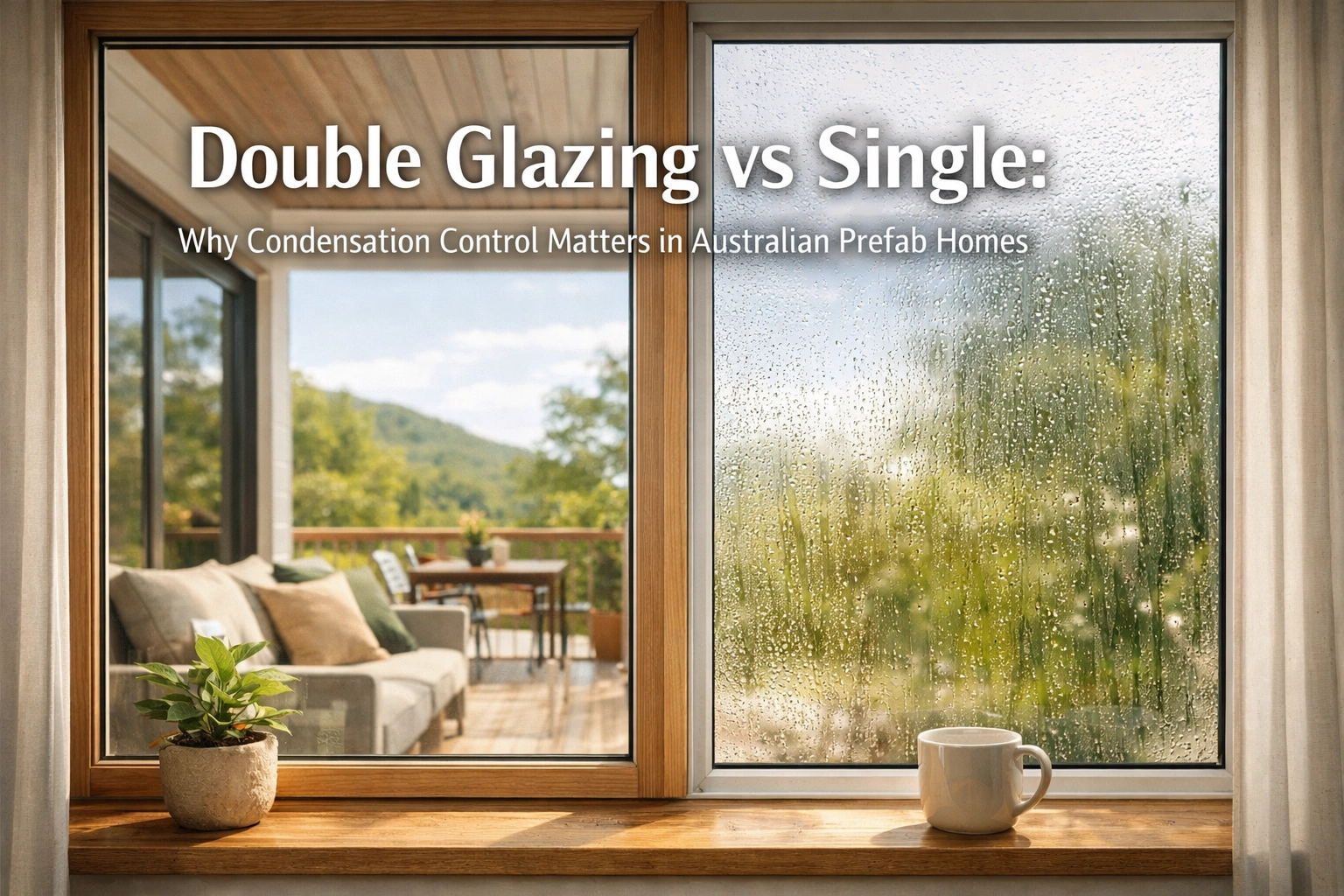
"It's Australia: We Don't Need Double Glazing"
Let's tackle the elephant in the room: the persistent myth that double glazing is only for cold climates. You've probably heard it a dozen times: usually from someone who's never actually lived through a Canberra winter or experienced condensation dripping down their windows in coastal Victoria.
Here's the reality: Australia's climate diversity is precisely why glazing choices matter. From tropical Queensland summers to alpine NSW winters, our homes need to perform across temperature extremes. And that performance starts with your windows.
Double glazing isn't about mimicking European housing standards. It's about controlling one of the most destructive forces in modern homes: condensation.
The Silent Home-Killer You're Not Talking About
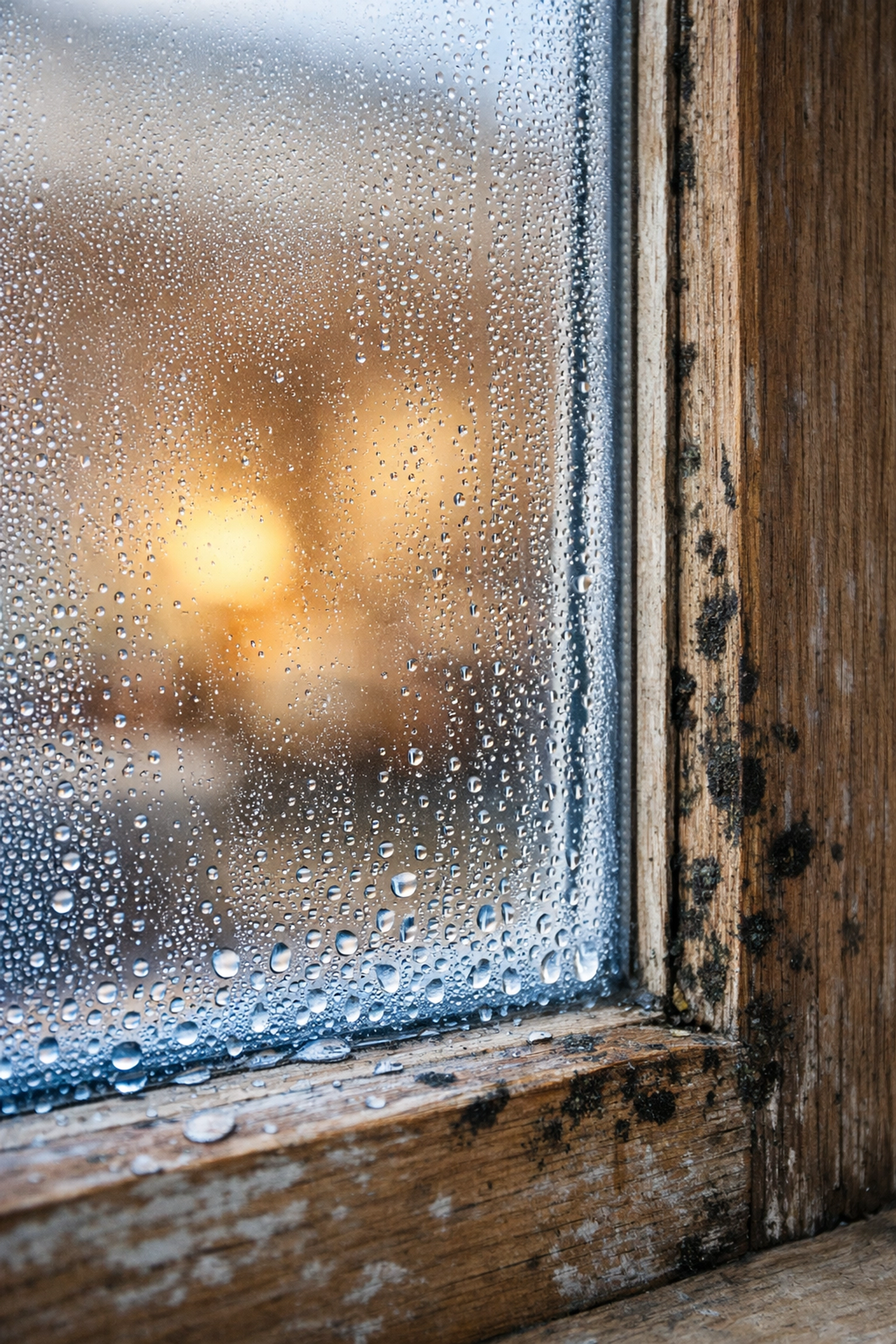
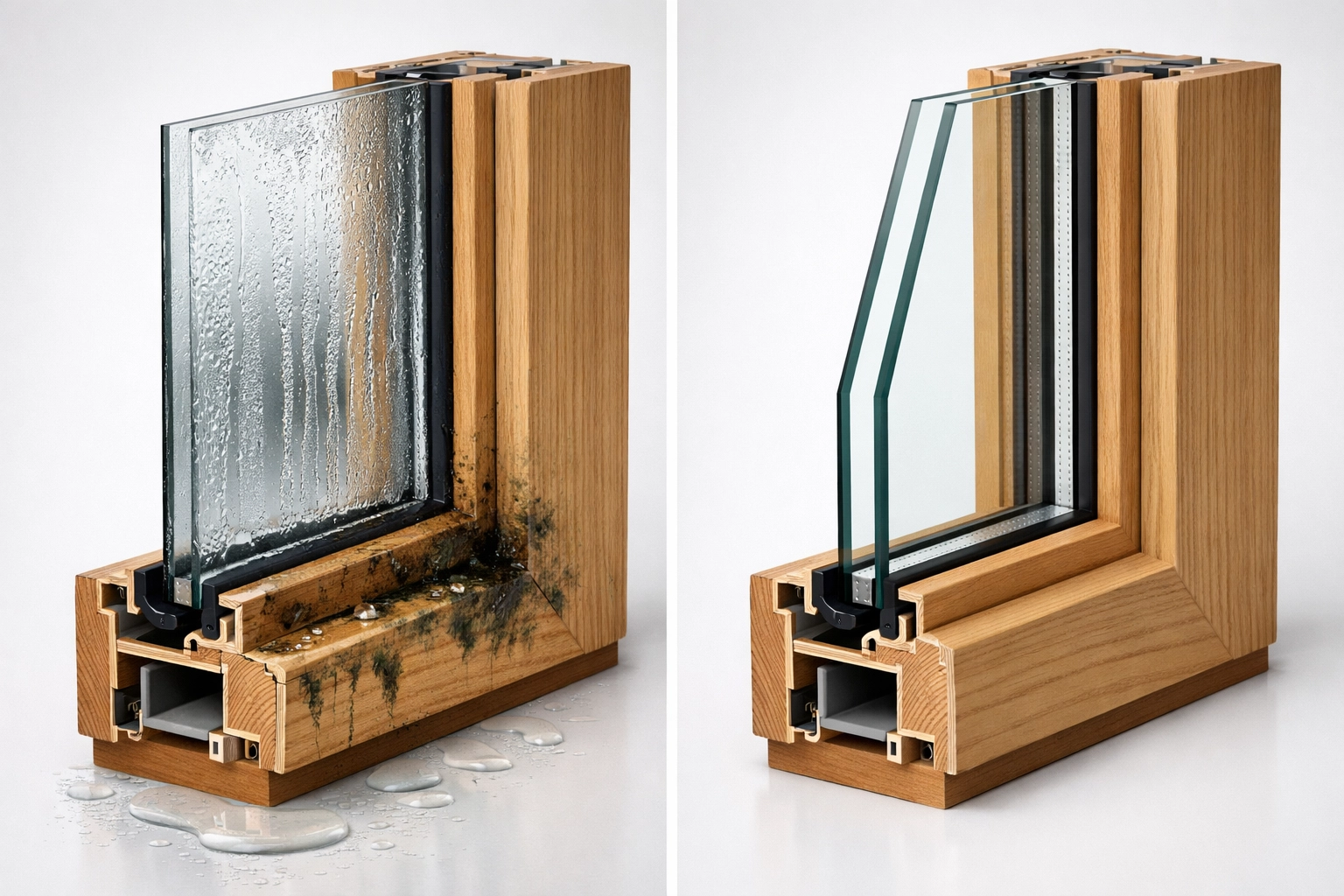
Condensation doesn't announce itself with dramatic flair. There's no alarm bell when moisture starts forming on your windows. Instead, it works quietly: pooling on sills, seeping into frames, creating the perfect breeding ground for mould.
The science is straightforward: when warm interior air meets cold glass, moisture in that air condenses into water droplets. In single-glazed homes, this happens regularly during winter months when temperature differentials increase. The colder the glass surface, the more condensation you get.
What starts as a few droplets becomes a persistent problem:
- Mould growth along window frames and walls, compromising indoor air quality
- Timber rot in window frames and surrounding structures
- Paint and finish degradation that looks terrible and costs money to repair
- Increased dust mite populations thriving in damp conditions
- Musty odours that never quite disappear
This isn't hypothetical. Walk through any established suburb with older single-glazed homes, and you'll spot the telltale signs: stained curtains, black spots creeping along window edges, warped timber frames. These homes are fighting a losing battle against basic physics.
How Double Glazing Actually Prevents Condensation
Double glazing solves the condensation equation by changing the fundamental problem: that cold glass surface.
Instead of one pane of glass acting as a direct thermal bridge between inside and outside, double glazing creates an insulating barrier. Two panes of glass, separated by a sealed air gap (often filled with argon gas), work together to keep the interior glass surface warmer.
The interior pane stays closer to room temperature because it's insulated from the freezing exterior conditions. When your warm interior air contacts glass that's 15°C instead of 5°C, it doesn't reach its dew point: meaning no condensation forms.
This isn't marketing spin. It's thermodynamics. The warmer interior surface fundamentally prevents the conditions required for moisture to condense. You're not managing condensation through window coverings or ventilation strategies: you're eliminating the problem at its source.
Beyond condensation control, double glazing delivers compounding benefits:
- Reduced heat loss during winter, lowering heating costs
- Decreased heat gain during summer, cutting cooling expenses
- Improved acoustic insulation from external noise
- Enhanced UV protection for furniture and flooring
- Greater overall comfort with more stable indoor temperatures
The Single Glazing Compromise Nobody Mentions
Single-glazed windows can technically work in Australian climates: but only with significant compromises most homeowners aren't prepared to make.
The research is clear: to prevent condensation with single glazing, window coverings must be well-sealed on all edges to create an air barrier between warm interior air and cold glass. That means drapes that seal completely: top, bottom, and sides: every single time you close them.
Let's be honest about what this requires:
You're asking occupants to maintain perfect sealing discipline every evening throughout winter. Miss one edge, and warm air bypasses your barrier. Leave a gap at the bottom, and you've defeated the entire system. It's maintenance-intensive, behaviour-dependent, and frankly unrealistic for real-world living.
In prefab homes: where you're often building for future occupants, tenants, or family members: you cannot guarantee this level of consistent management. You're essentially building in a condensation problem and hoping residents will implement the workaround correctly.
That's not a housing solution. That's delegating a design flaw to your occupants.
Full-Height Windows: Aesthetics That Actually Serve a Purpose
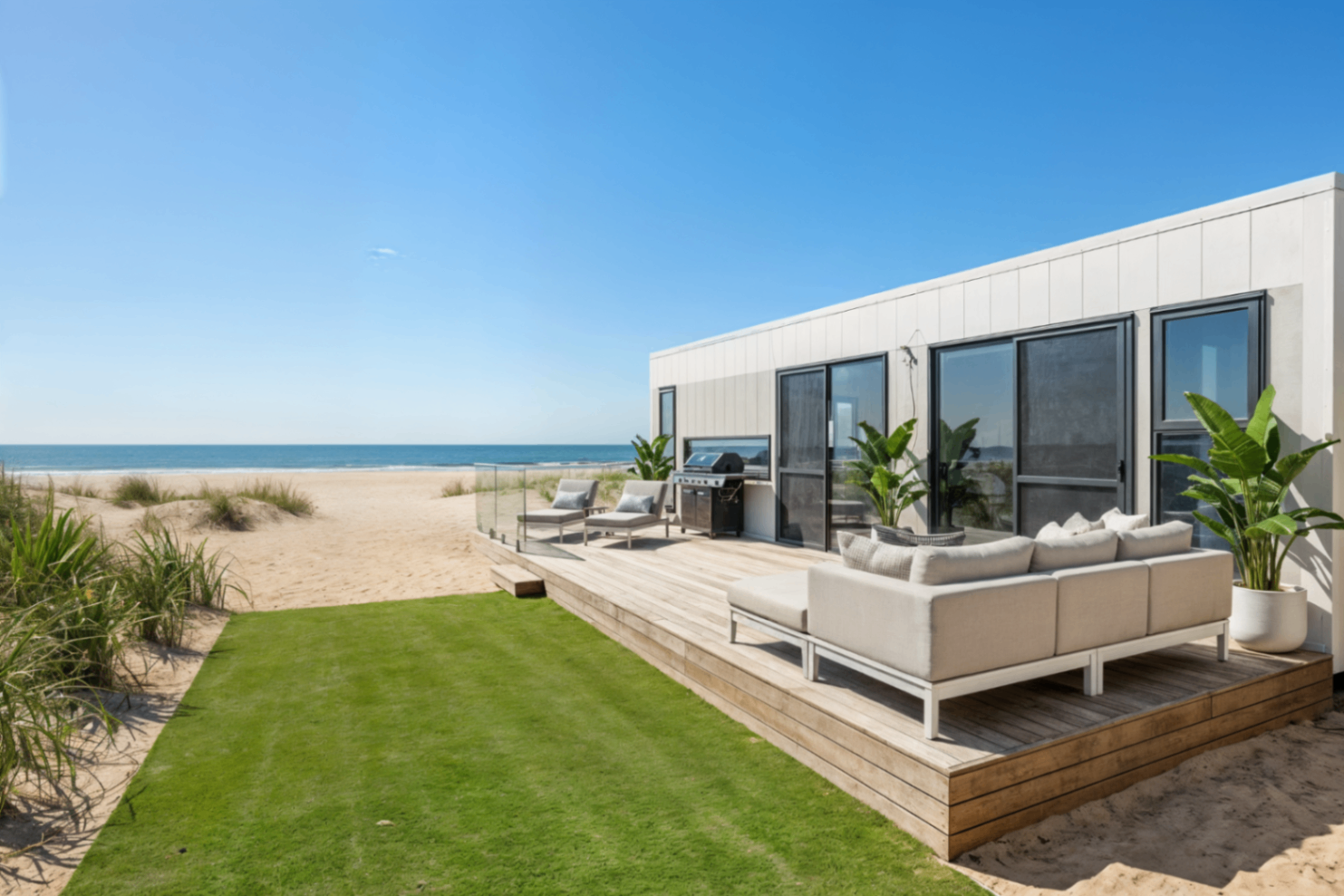
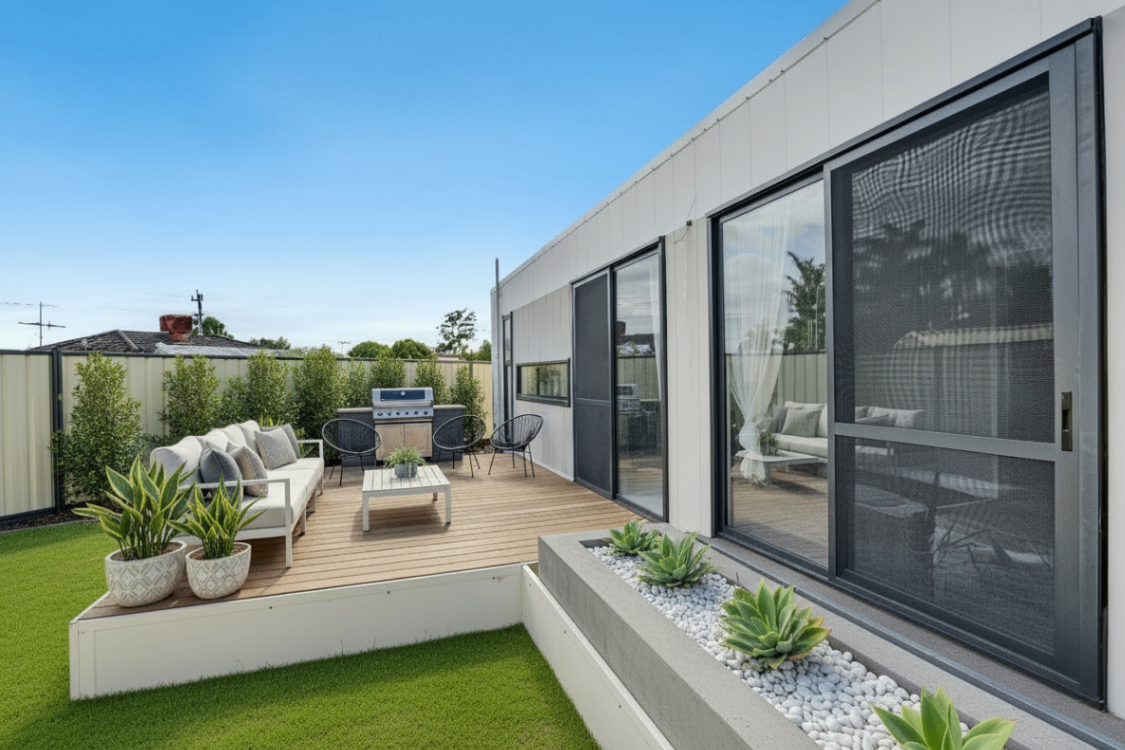
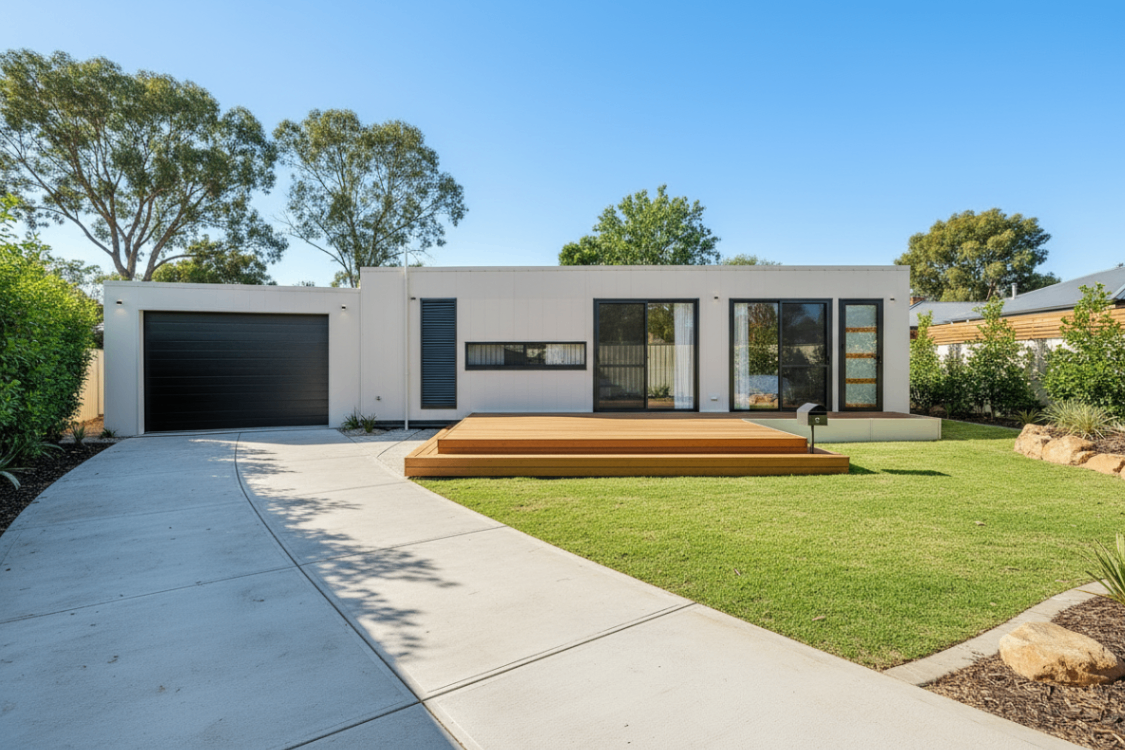
EcoHub Homes specifies full-height double-glazed windows as standard, and it's not purely about visual appeal: though the light-filled spaces certainly photograph well.
Full-height glazing extends your thermal envelope vertically, creating consistent insulation across the entire wall plane. When you break up a wall with scattered smaller windows, you create thermal inconsistencies. Full-height double glazing maintains that insulated barrier from floor to ceiling.
The benefits compound:
Passive solar access: Full-height north-facing windows capture winter sun deep into living spaces, naturally warming thermal mass during the day. That stored heat radiates overnight, reducing heating loads.
Natural ventilation control: Larger operable sections allow strategic cross-ventilation during shoulder seasons, reducing mechanical cooling needs.
Daylight penetration: Deep light infiltration reduces daytime artificial lighting requirements, cutting energy consumption while improving circadian rhythm alignment.
Spatial perception: Full-height glazing creates psychological connection to outdoor spaces, making rooms feel larger and more connected to landscape: crucial in modular homes where efficient footprints matter.
When you combine full-height windows with double glazing, you're not just installing glass: you're creating a high-performance thermal envelope that works year-round.
Why We Don't Compromise on Glass Quality
At EcoHub Homes, double glazing is standard across our range. Not an upgrade. Not an optional extra. Standard.
This decision reflects a fundamental philosophy: we're building homes that perform properly from day one, without requiring occupant expertise or ongoing management to prevent basic building failures like condensation.
Single glazing might save a few thousand dollars during construction, but it transfers that cost: and more: to occupants through:
- Higher ongoing energy costs from thermal losses
- Maintenance and repair expenses from condensation damage
- Reduced indoor air quality requiring remediation
- Decreased comfort requiring compensating mechanical systems
We're not interested in that trade-off. Neither should you be.
Our double-glazed systems use thermally broken aluminium frames, low-E coatings on glass surfaces, and properly sealed units rated for Australian conditions. These aren't European-spec imports struggling with our UV exposure: they're designed for our climate's specific demands.
When you're investing in a modular home: whether as owner-occupier, rental investment, or subdivision development: glass quality shouldn't be negotiable. The five to ten-year lifespan of modular homes demands building envelope performance that maintains integrity without constant intervention.
The Bottom Line on Glazing Choices
Double glazing in Australian prefab homes isn't about following international trends or over-engineering for conditions that don't exist. It's about acknowledging condensation as a genuine threat to building performance and indoor air quality, then designing it out of the equation entirely.
Single glazing forces ongoing management, creates maintenance burdens, and introduces risks that compound over time. Double glazing eliminates the problem through better physics.
At EcoHub, we build homes that work properly: for the Australian climate, for real occupants, for long-term performance. Glass quality is where that commitment becomes visible, literally and figuratively.
Want to see how proper glazing choices integrate with energy-efficient design across our full range? Explore our modular home options or dive deeper into how we approach energy performance across the entire building envelope.