
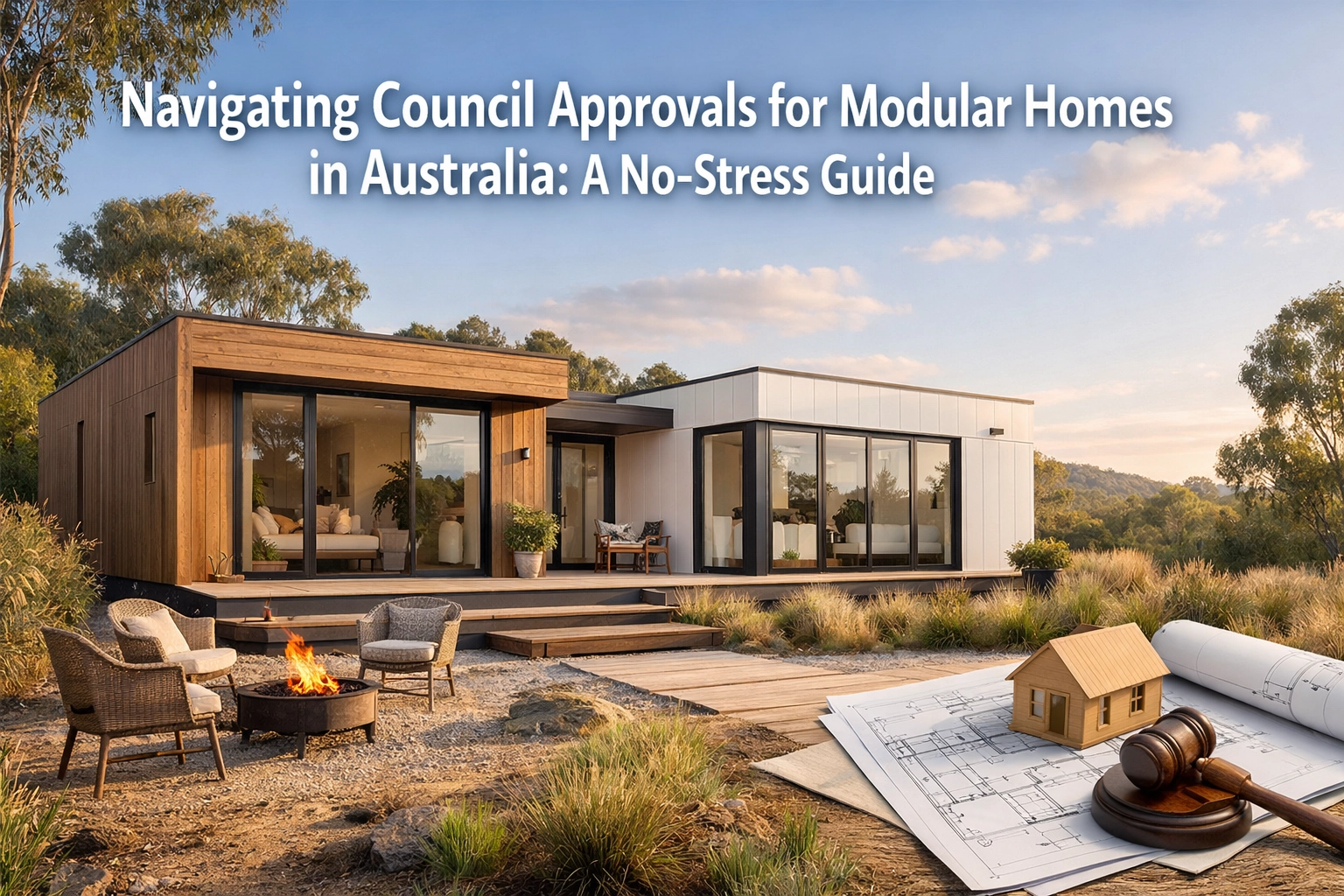
Let's be honest, when most people hear "council approvals," their eyes glaze over and their stress levels spike. The mere thought of paperwork, regulations, and potential rejections is enough to make anyone postpone their dream home project indefinitely.
Here's the reality: council approval for modular homes in Australia doesn't have to be the nightmare you're imagining. In fact, with the right approach (and the right team), it's often smoother and faster than traditional builds. The key is understanding what you're actually dealing with, and knowing that you don't have to navigate this maze alone.
Why Council Approvals Feel So Intimidating (And Why They Shouldn't)
The council approval process gets a bad rap, mostly because it's genuinely confusing. Every state has different requirements. Every council has different overlays. One property might sail through in weeks while the identical home next door gets bogged down for months.
Traditional builders often dump this complexity straight into your lap, here's a list of what you need, good luck figuring it out. No wonder people feel overwhelmed.
But here's what changes the game: modular homes are pre-engineered to Australian building standards. That means every EcoHub home is designed from day one to comply with the National Construction Code (NCC). We're not reinventing the wheel with each project or hoping your custom design squeaks through. Our homes are built to code before they even leave the factory.
This fundamentally transforms the approval process. Instead of councils scrutinizing entirely new designs, they're reviewing proven, compliant structures that have already been approved dozens of times across Australia.
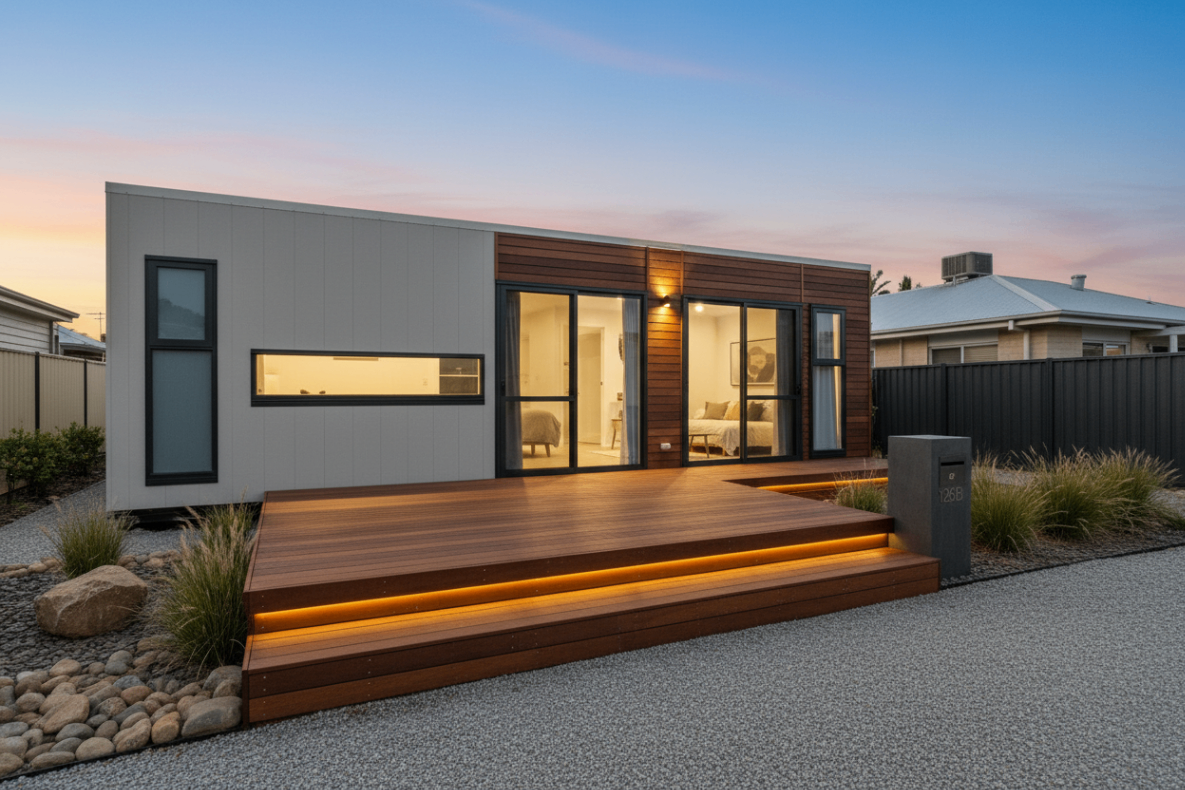
The State-by-State Snapshot (Without the Legal Jargon)
Different states have different hoops to jump through, but none of them are insurmountable, especially with modular construction.
Queensland keeps it relatively straightforward with two main approvals: Building Approval and Plumbing Approval. If you're in a standard residential zone without complex overlays, the process moves quickly. Queensland councils appreciate that modular homes arrive code-compliant.
New South Wales has earned its reputation for complexity, requiring Development Approval (DA), a Section 68 Construction Certificate, and Plumbing Approval. That Section 68 certification specifically covers modular and prefab structures, examining energy efficiency, footings, bracing, and overall design. Yes, it's an extra step: but it's also a well-established pathway that councils are comfortable with.
Western Australia focuses heavily on land use considerations: zoning compliance, R-Code requirements, bushfire risk assessments, and local planning controls. These checks happen regardless of whether you're building modular or traditional, but modular homes often tick the boxes faster because the design elements are standardized.
The common thread? Every state has clear pathways for modular home approvals. This isn't uncharted territory.
Understanding Your Approval Pathway Options
In NSW particularly, you've got flexibility in how you approach council approval: and choosing the right pathway can save you both time and money.
Development Applications (DA) are the comprehensive route. They require full architectural plans, structural engineering certification, BASIX certificates for sustainability compliance, and detailed drainage plans. DAs are thorough, formal, and suited to larger or more complex projects. They're also slower and more expensive.
Complying Development Certificates (CDC) are the fast-track option. If your project meets predetermined criteria: and most standard modular homes do: you can bypass the lengthy DA process entirely. CDCs are assessed against a checklist rather than subject to discretionary review. They're typically approved within weeks rather than months.
Section 68 approvals (also NSW-specific) offer a middle ground for lightweight, modular, or expandable homes. They require less documentation than full DAs: typically just a site plan, structural engineer certificate, and drainage/sewer connection plan. The result? Faster approval times and lower costs while still maintaining full compliance.
Here's the advantage of working with an experienced modular provider: we know which pathway suits your specific project. We've navigated these processes hundreds of times across different councils and can guide you toward the most efficient route.
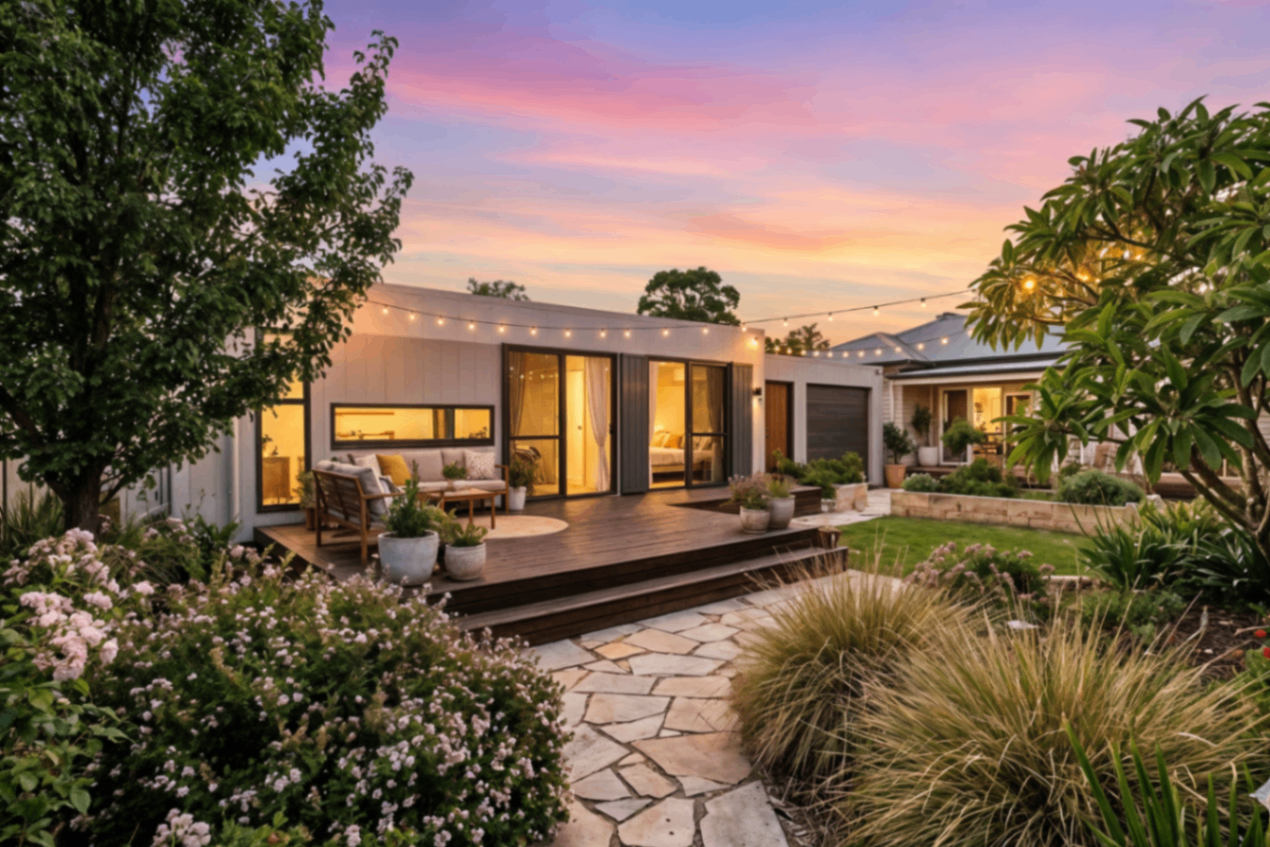
Site-Specific Considerations That Actually Matter
Beyond state requirements, councils examine site-specific factors that can affect approval timelines. Most of these are straightforward checks rather than deal-breakers.
Bushfire zones, cyclone zones, and flood zones require additional documentation and may influence design specifications. Modular homes excel here because structural modifications for these conditions can be incorporated at the factory: no onsite improvisation needed.
Heritage areas and significant tree preservation zones add layers of review, but they affect all construction equally. The modular advantage is speed: once approved, your home arrives complete rather than requiring months of onsite construction that might disturb protected elements.
Minimum lot requirements vary by council but typically hover around 450m² with a minimum width of 12m for residential properties. These restrictions apply to all housing types: modular construction doesn't face unique limitations here.
The reality is that site considerations exist regardless of your building method. What changes with modular is how quickly you can address them and move forward once approval lands.
The EcoHub Advantage: We Actually Handle This For You
Here's where theory meets practice. At EcoHub Homes, council approval isn't something we hand off to you with a "good luck" and a pat on the back. We manage the entire process as part of our build package.
That means we:
- Conduct initial site assessments to identify any potential roadblocks before you commit
- Prepare and lodge all required documentation including structural engineering certificates, BASIX compliance reports, and drainage plans
- Liaise directly with your local council throughout the review process, responding to information requests and clarifications
- Coordinate specialist reports if needed: bushfire risk assessments, stormwater management plans, acoustic reports
- Arrange plumbing approvals with licensed professionals who create connection plans to sewer and water points
You're not paying us to build a home and then scrambling to figure out permits yourself. You're engaging a complete solution where council approval is just another milestone we tick off while keeping you informed.
This approach eliminates the usual anxiety loop: "Did I submit the right form? Should I follow up with council? What if they need something else?" We've done this enough times to know exactly what each council needs and how to present it efficiently.
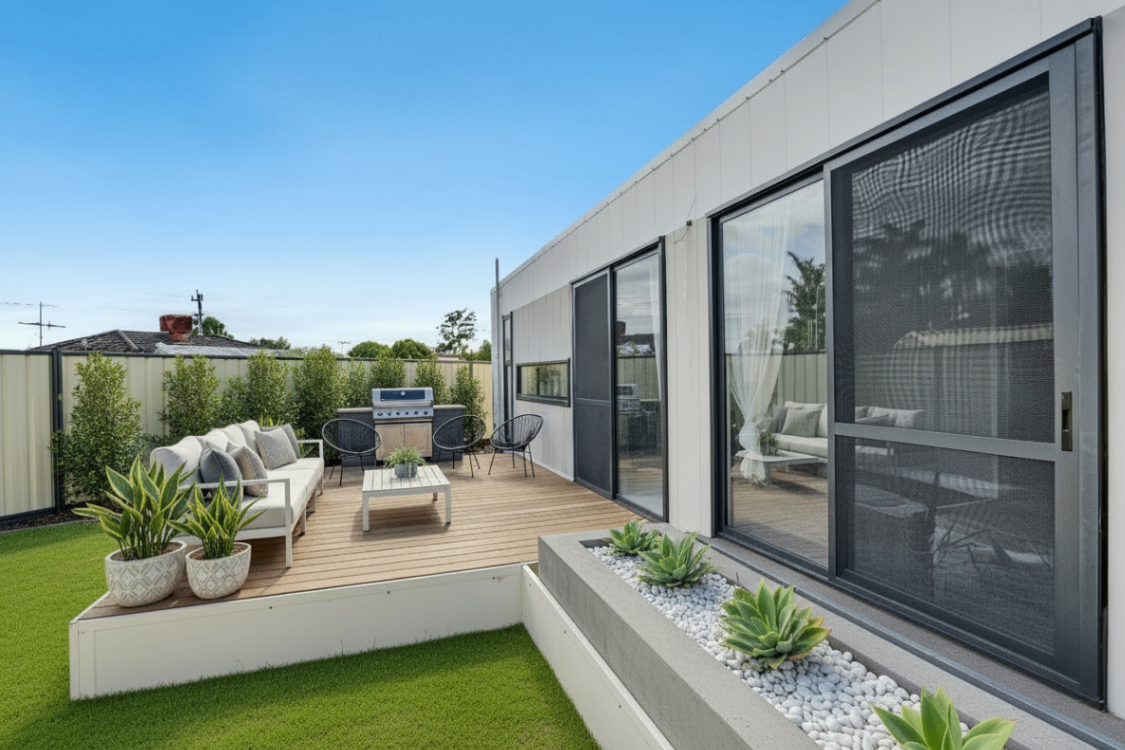
Compliance and Warranty: The Peace of Mind Component
Once your modular home is approved and installed, compliance doesn't end: but your stress should.
Every EcoHub home comes with a 10-year structural warranty that covers major structural defects. This isn't just a nice-to-have; it's proof that our homes are built to last and built to code. We're confident enough in our construction quality and compliance standards to stand behind them for a decade.
That warranty is backed by the fact that our homes are manufactured in a controlled factory environment where quality control is consistent and thorough. Every connection, every beam, every fixture is inspected before the modules leave our facility. When councils see this level of manufacturing precision, approval processes become more straightforward: they're evaluating a proven system, not a one-off experiment.
Compliance with the NCC isn't something we retrofit or hope to achieve. It's embedded in our design process from the first blueprint. Energy efficiency requirements? Already incorporated. Structural load calculations? Already certified. Fire safety standards? Already built in.
This is the fundamental difference between modular and custom builds: with modular, compliance is standardized rather than improvised.
What Approval Actually Costs (And What You're Really Paying For)
Professional planning services for council approvals typically range from $1,950 to $3,500+, depending on project complexity. Some planning consultants charge engagement fees around $200 that get deducted from final costs.
These fees cover the expertise needed to prepare compliant documentation, navigate council-specific requirements, and manage the submission process. When you work with EcoHub, these services are integrated into our project management: you're not hunting for separate planning consultants or wondering if you're overpaying.
Council fees and specialist reports come on top of planning costs, varying by location and site conditions. A bushfire risk assessment might add $800-1,200. Stormwater management plans can range from $500-1,500. These are unavoidable costs regardless of your building method.
The value proposition with modular construction is efficiency. Because our homes are pre-engineered and proven compliant, approval processes are faster: meaning less back-and-forth, fewer revision requests, and quicker turnaround times. Speed translates directly into cost savings, both in professional fees and in your timeline to occupancy (and rental income if that's your goal).
Moving Forward Without the Stress
Council approval for modular homes in Australia isn't the bureaucratic nightmare it's made out to be. When you're working with pre-engineered, code-compliant designs and a team that handles the process end-to-end, it becomes just another project milestone rather than a major obstacle.
The key is choosing a modular provider that doesn't just build homes: they navigate the entire approval landscape on your behalf. That's the EcoHub difference. We don't hand you a prefab box and wish you luck with the paperwork. We manage council approvals as seamlessly as we manage factory production and site installation.
If you're ready to explore how a modular home can work on your specific site: including the council approval pathway that makes most sense: reach out for a free consultation. We'll assess your property, identify the approval requirements, and give you a realistic timeline for getting from "interested" to "installed."
Ready to Make Approvals the Easy Part?
Explore our modular home models and floor plans—then let’s map out the fastest approval pathway for your block.
- Browse our models: https://www.ecohub.homes/models
- Talk to our team: https://www.ecohub.homes/contact
No red tape nightmares. No regulatory confusion. Just straightforward guidance from people who've done this hundreds of times before.