
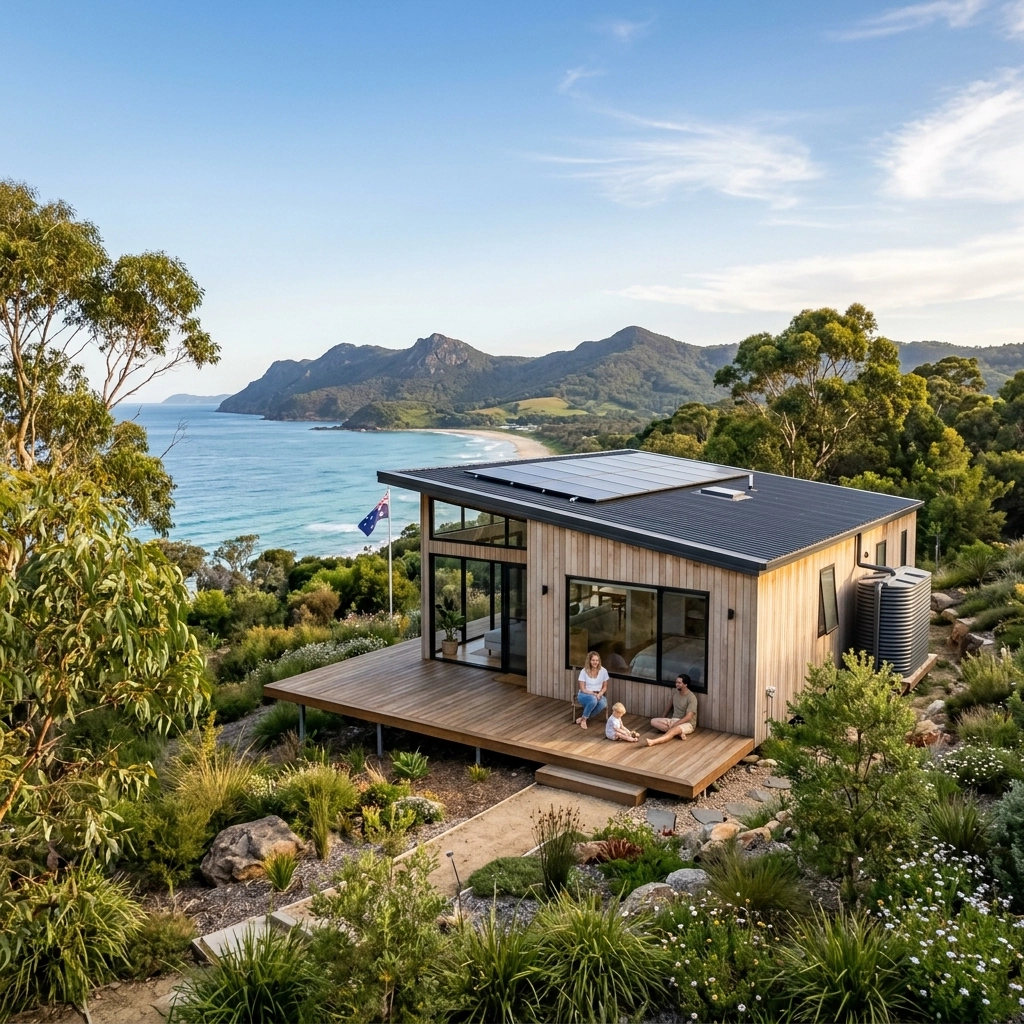
Let’s be honest: the traditional Australian building game has been broken for a long time. For years, we’ve watched property owners and investors get stuck in a cycle of two-year build times, exploding material costs, and the "tradie shortage" that never seems to end.
But as of April 2026, the script has officially flipped.
The 2026 Australian Modular Housing Strategy isn’t just a government buzzword or a niche architectural trend anymore: it is the primary way smart Aussies are beating the housing crisis. Whether you’re looking to maximise a suburban block, provide remote workforce housing, or finally build that sustainable dream home, the rules have changed in your favour.
If you’ve only got three minutes, here is the "cheat sheet" on why modular is currently dominating the market, followed by a deep dive into how you can capitalise on these trends today.
The 3-Minute Strategy Breakdown
- Speed is the New Currency: Construction timelines have been slashed. We’re no longer talking about 12–18 months of weather delays and site issues. In 2026, the standard is 14 to 20 weeks from factory floor to front door.
- The CBA Breakthrough: Major lenders, led by Commonwealth Bank, have finally streamlined financing for prefab homes. The old "too risky for a mortgage" excuse is dead.
- Sustainability is Mandatory: With new 7-star and 10-star NatHERS requirements, modular homes are winning because precision factory engineering eliminates the "leaky" energy gaps found in traditional builds.
- Cost Certainty: Fixed-price contracts are back. Because modular homes are built in controlled environments, the "surprise" $50k variation fee is a thing of the past.
Why 2026 is the "Tipping Point" for Australian Property
For a long time, modular housing was viewed as the "secondary" option: something for granny flats or remote cabins. In 2026, it has become the gold standard for savvy property owners. Why? Because the "Strategy" isn't just about how we build; it’s about how we solve the scarcity of land and labour.
Traditional site-built homes are struggling to keep up with Australia’s growing population and the demand for higher density. Modular housing allows for high-precision, high-speed construction that can be deployed anywhere: from a tight subdivision in Melbourne to a remote mining site in the Pilbara.
1. Speed: From Concept to Keys in Under 20 Weeks
One of the biggest frustrations for property owners is "holding costs." If you’re paying interest on a construction loan for two years while a house is being built, you’re losing money every single day.
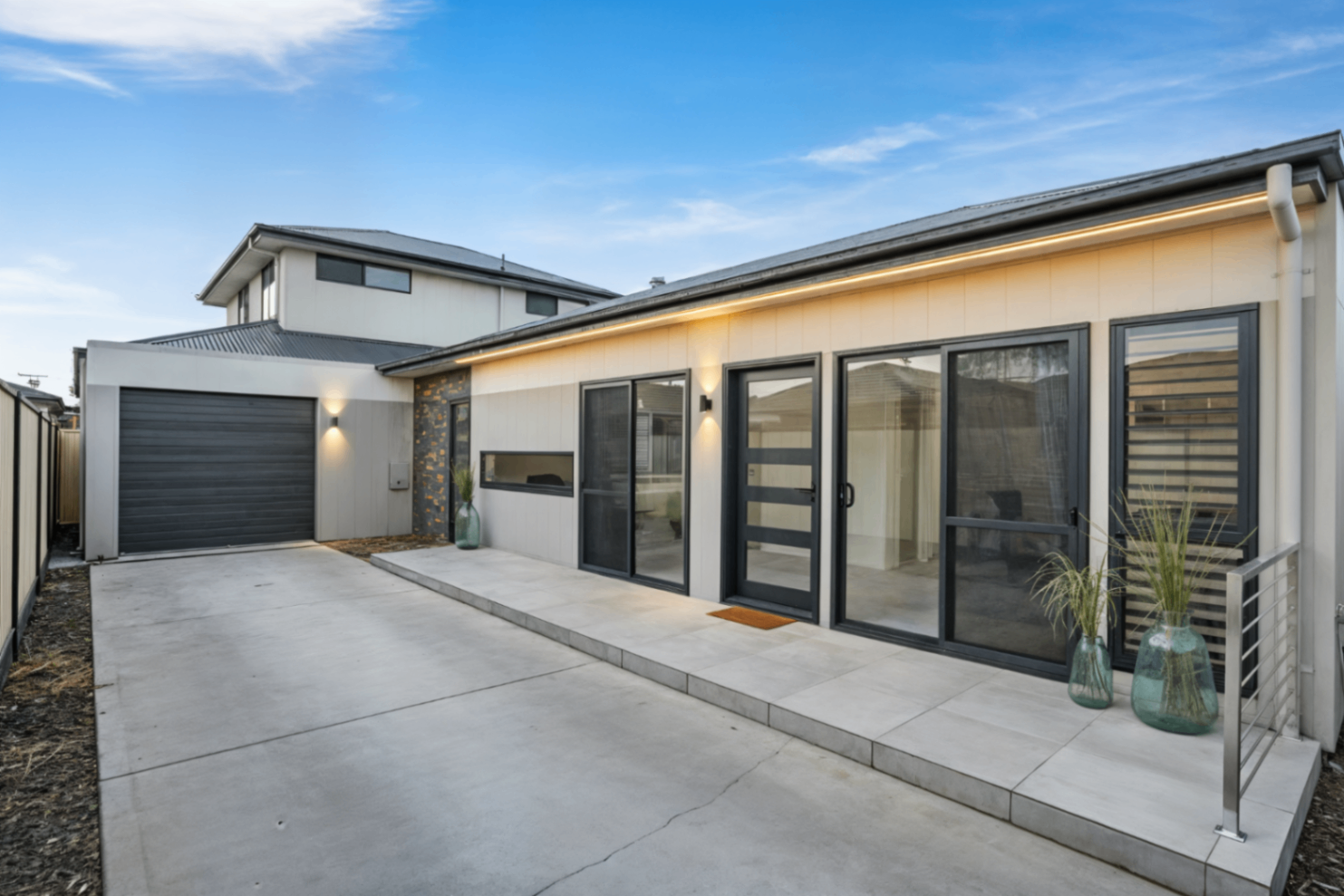
The 2026 modular approach focuses on parallel processing. While your site is being cleared and the footings are being prepared, your home is being precision-built in a factory. This overlap is a game-changer. You can read more about how these construction timelines work here.
At EcoHub Homes, we’ve seen clients move into their new residences in less than five months. In the 2026 market, that speed translates directly into a higher ROI for investors and faster relief for families.
2. The Investor’s Edge: Granny Flats and Subdivisions
Investors have stopped looking at traditional "fixer-uppers" and started looking at their own backyards. The 2026 Strategy has simplified the approval process for secondary dwellings across most Australian states.
Adding a modular granny flat is no longer just about housing your mother-in-law; it’s about creating a high-yield rental stream. With the rental market tighter than ever, a high-quality, two-bedroom modular unit can often pay for itself in under seven years. If you want to dive into the numbers, check out our complete Australian investment guide for granny flats.
Furthermore, modular is now the "go-to" for maximising land value in subdivisions. Being able to drop three or four identical, high-spec units onto a block in a matter of weeks: rather than years: de-risks the entire development process.
3. Sustainability and Energy Independence
By 2026, "eco-friendly" has transitioned from a lifestyle choice to a financial necessity. Energy prices in Australia haven't exactly been kind to our wallets. The modular housing strategy leverages factory precision to ensure every joint is airtight and every panel is perfectly insulated.
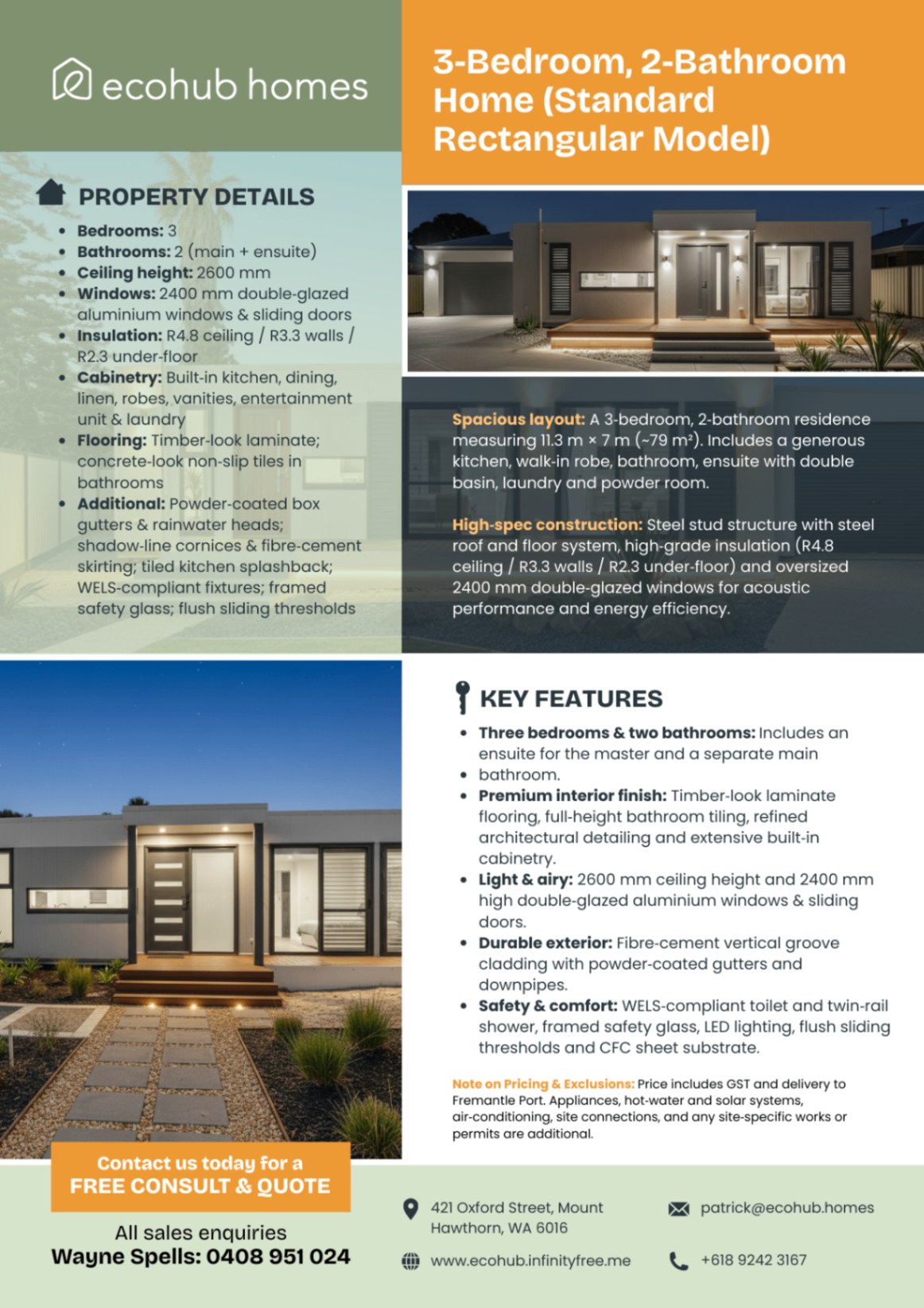
Most of our 2026 designs at EcoHub Homes feature:
- Full-height double-glazed windows as standard.
- R6.0 insulation in the ceilings and R2.5 in the walls.
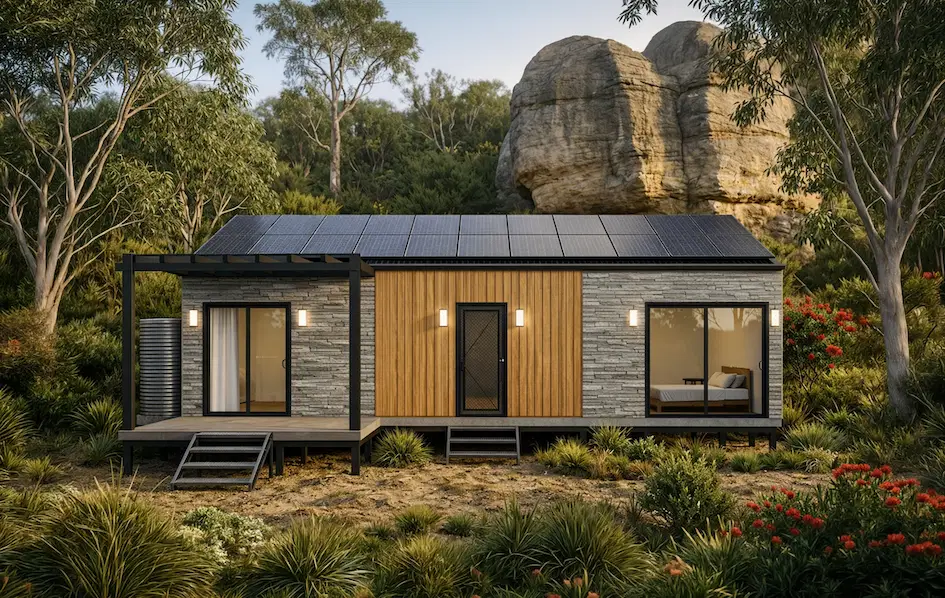
- Solar-ready roofing systems.
This isn't just about saving the planet; it’s about "Energy Independence." Building a home that generates more power than it consumes is the ultimate way to future-proof your investment. For those looking to go even further, we’ve put together a guide to off-grid modular living in Australia.
4. Remote Workforce Solutions: The Mining Boom 2.0
It’s not just suburban homeowners who are benefiting. The 2026 strategy has a huge focus on the resources sector. With mining activity ramping up in remote regions, the need for high-quality, dignified housing for workers is paramount.
Gone are the days of "dongas." Today’s modular solutions for mining accommodation offer the same premium finishes you’d find in a Melbourne suburb: high ceilings, stone benchtops, and excellent acoustic insulation. This is how remote sites are attracting and retaining top-tier talent in 2026.
The Reality of Costs in 2026
We get asked the "price" question every single day. While inflation has impacted every industry, modular construction has remained remarkably stable compared to traditional builds.
In the current 2026 market:
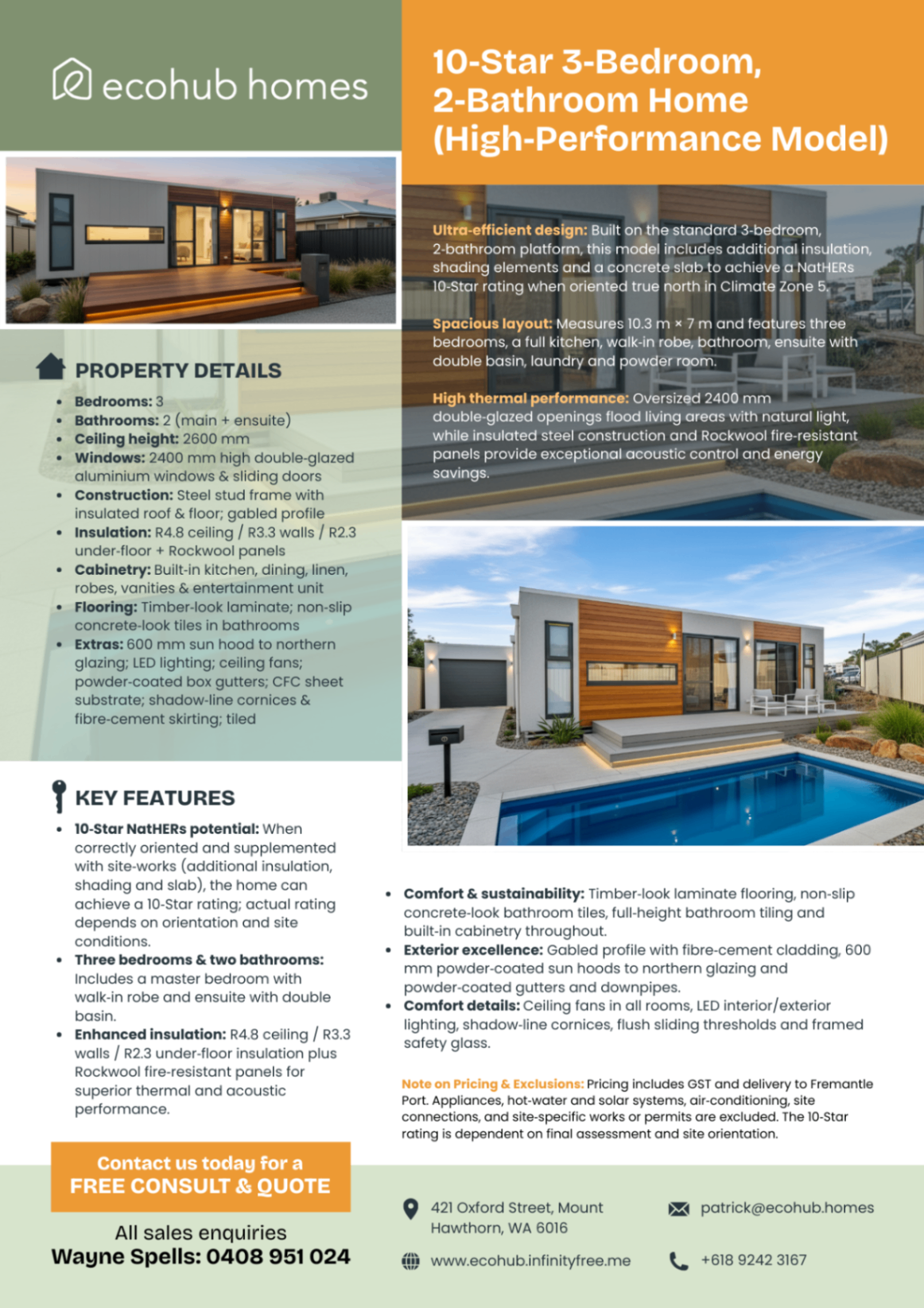
- Entry-level modular homes (ideal for granny flats) start around $150,000 – $180,000.
- Mid-range 3-bedroom family homes typically sit between $230,000 and $350,000 depending on finishes.
- Luxury, architecturally designed modulars can go upwards of $500,000, but they still offer a significant saving per square metre compared to a bespoke site-build.
The real saving, however, isn't just in the material cost: it’s in the lack of "surprises." In traditional construction, a 20% budget blowout is common. In modular construction, because the house is built in a factory, we know exactly how many screws, panels, and tiles are needed before the first hammer is swung.
Financing: The Final Barrier Has Fallen
If you tried to get a loan for a modular home five years ago, your bank manager probably looked at you like you were crazy. They wanted to see "bricks and mortar" on-site before they’d release the funds.
In 2026, the industry has matured. The Australian Modular Housing Strategy included a push for better lending frameworks. Most major banks now offer "Progressive Payment" structures for modular builds, where they release funds based on factory milestones rather than just on-site milestones. This has unlocked the market for thousands of first-home buyers and investors who previously couldn't bridge the gap.
How to Get Ahead of the Game
The 2026 strategy is all about being proactive. Land prices aren't getting any lower, and the demand for housing isn't slowing down. If you want to build, you have to build smarter.
Step 1: Check Your Site Access. Modular homes are delivered on trucks. You need to ensure a crane or a trailer can get to your block.
Step 2: Understand Your Local Council. Regulations are much friendlier in 2026 than they used to be, but you still need a partner who understands the "Section 68" or local equivalent approvals.
Step 3: Focus on Quality. Not all modular homes are created equal. Look for steel-frame construction, high-star energy ratings, and a 10-year structural warranty.
Final Thoughts from EcoHub Homes
At EcoHub Homes, we aren't just building houses; we’re building the future of Australian property. The 2026 strategy is clear: speed, sustainability, and cost-certainty are the winners.
Whether you’re an investor looking to unlock passive income or a property owner in Victoria looking to build smarter, the time to act is now.
The traditional building industry is still trying to figure out why they’re so slow. While they’re doing that, you could be moving into your new modular home.
Ready to see how the 2026 Modular Strategy fits your property?
Come and chat with us. We’re here to make the complex simple and the "impossible" timelines a reality. Let’s get your project off the ground, literally.