
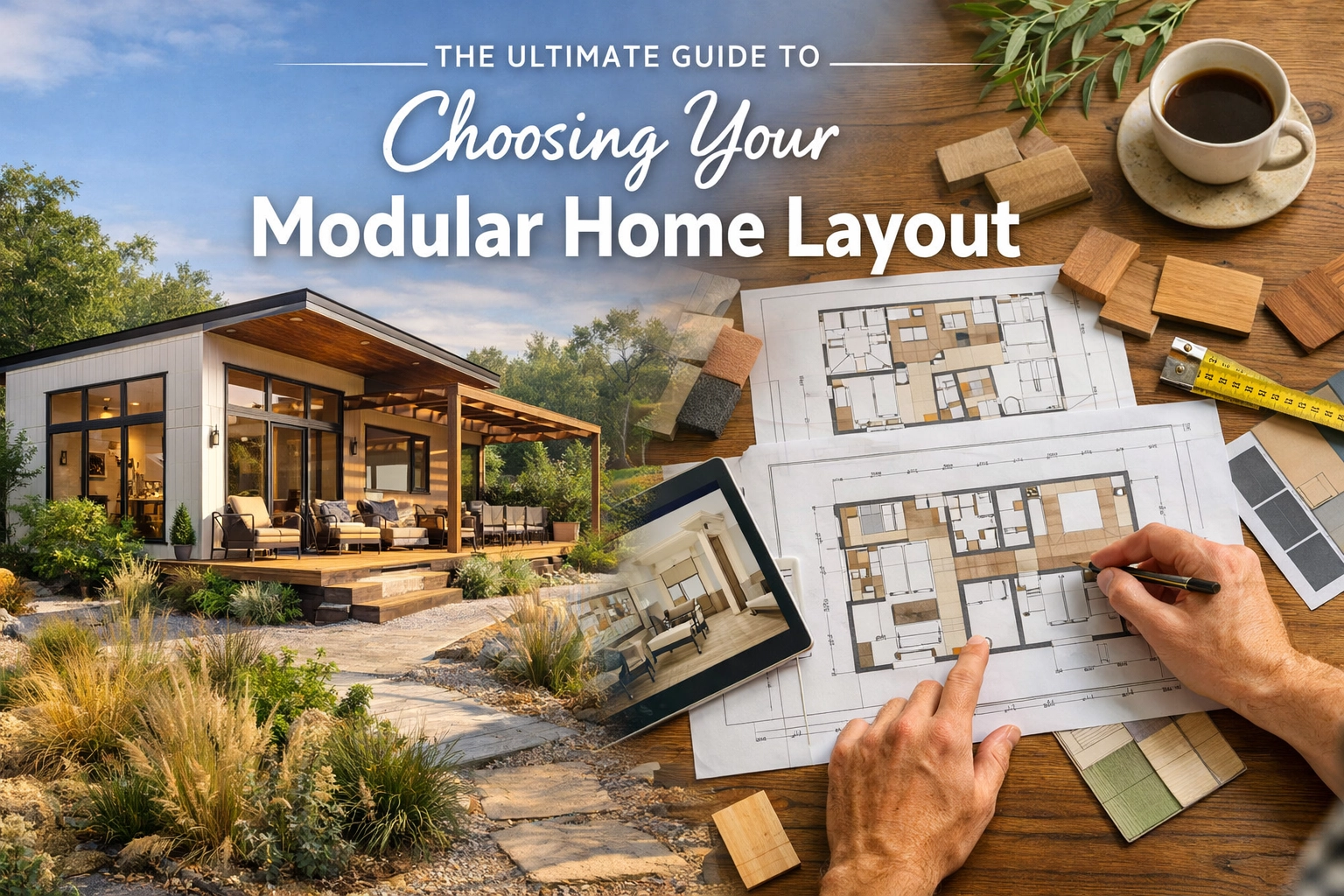
Choosing the right modular home layout isn't about squeezing your life into a floor plan: it's about finding a design that genuinely works for how you actually live. Whether you're downsizing, adding a granny flat, building a holiday retreat, or creating space for a growing family, the layout you choose will dictate your daily comfort for years to come.
Here's the truth: most people approach this decision backwards. They fall in love with a design aesthetic before considering whether the layout serves their practical needs. The result? Beautiful homes that feel cramped, awkward traffic flow, or wasted square footage that looks great in renders but fails in real life.
Let's flip that approach. This guide walks you through choosing a modular home layout based on function first: then shows you how EcoHub Homes delivers both practicality and design excellence starting from just $99,000.
Start With Your Use Case: Not Your Pinterest Board
Before you evaluate a single floor plan, get clear on your primary use case. The optimal layout for a weekender differs dramatically from one designed for full-time living or rental income.
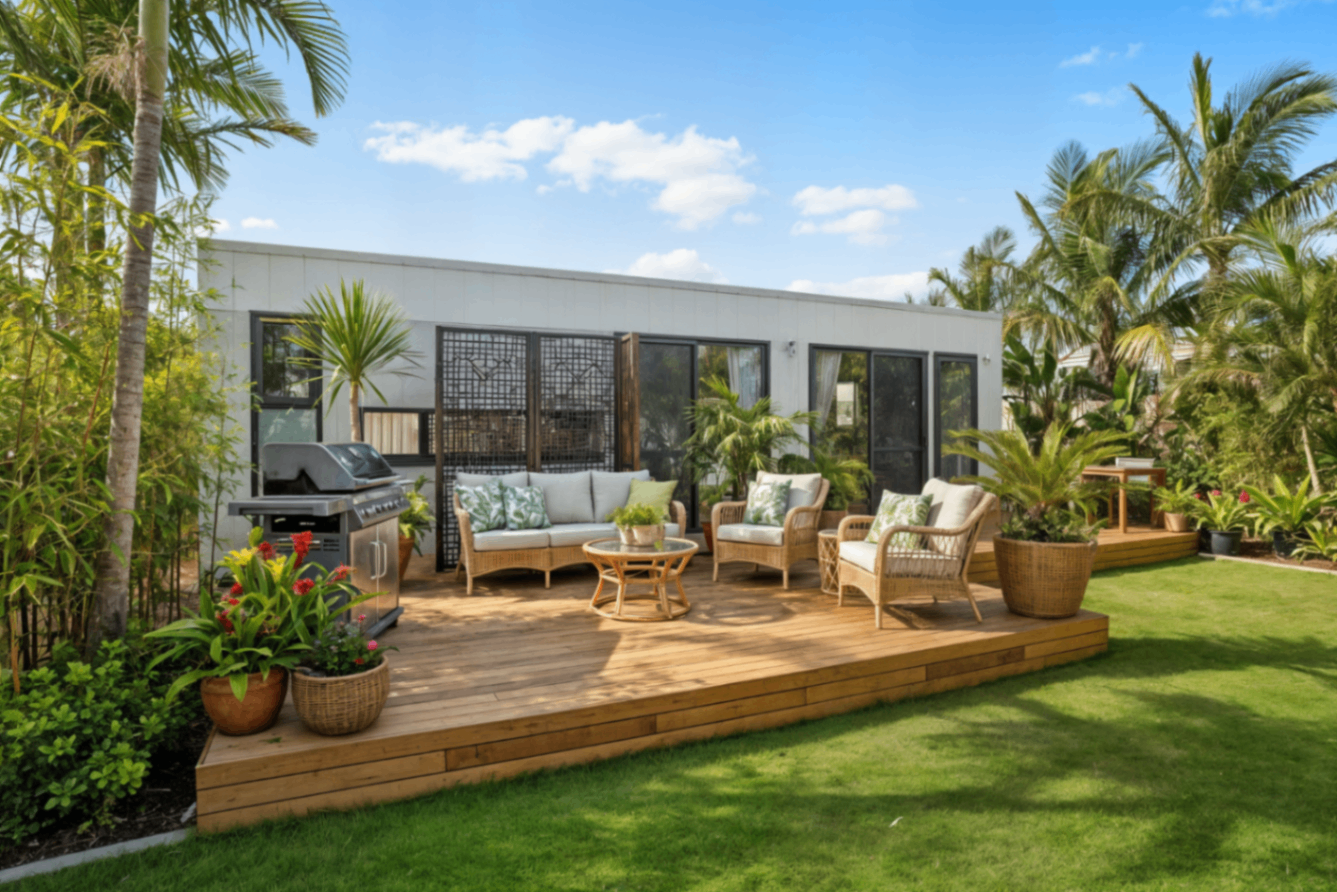
Holiday homes and retreats thrive with open-plan designs that maximize social spaces and connect indoor living to outdoor entertaining. You want flexibility: spaces that adapt whether you're hosting a crowd or enjoying a quiet weekend solo. Single-level layouts eliminate barriers and simplify maintenance during your time away.
Downsizers need intelligent storage solutions and efficient use of every square metre. Gone are the days of maintaining unused formal rooms. The focus shifts to comfortable living spaces, easy accessibility, and reducing upkeep without sacrificing quality. Look for designs with clever built-in storage, wide hallways, and minimal steps.
Growing families require defined zones: spaces where kids can play while parents work, bedrooms separated for privacy, and storage that accommodates the inevitable accumulation of life. Three-bedroom configurations with flexible second living areas often provide the best long-term value.
Granny flats and rental investments demand self-contained functionality in a compact footprint. These layouts need to feel complete: proper kitchen facilities, separated bedroom spaces, and enough storage that tenants or extended family won't feel like they're camping. The design should maximize rental appeal while minimizing ongoing maintenance costs.
Understanding Bedroom Configurations: What Actually Fits Your Life
Modular homes offer surprising flexibility across one, two, and three-bedroom configurations: but bigger isn't always better. The key is matching bedroom count to your realistic usage patterns, not your aspirational ones.
One-bedroom layouts (typically 50-70m²) excel as granny flats, studio holiday homes, or downsizer residences. These compact designs eliminate wasted circulation space and focus on open-plan living with defined sleeping zones. The challenge: and opportunity: lies in clever storage integration and ensuring the single bedroom feels like a proper retreat rather than an afterthought. Look for designs with built-in wardrobes, separate laundry provisions, and kitchen layouts that don't dominate the living space.
Two-bedroom configurations (65-90m²) hit a sweet spot for many buyers. They provide guest accommodation without the maintenance burden of larger homes, work brilliantly for couples who need a home office, and offer rental flexibility if circumstances change. The second bedroom should be genuinely usable: not a glorified storage cupboard. Minimum dimensions of 3m x 3m ensure guests feel welcomed and a home office remains functional with proper desk and storage space.
Three-bedroom layouts (90-120m²) deliver family-home functionality in a surprisingly efficient footprint. EcoHub's three-bedroom designs often include two bathrooms, separated living zones, and proper family storage solutions. The master suite should feel like a retreat with an ensuite, while secondary bedrooms maintain enough space for actual furniture: not just a bed shoehorned against walls.
Design Features That Transform Livability
The difference between a tolerable modular home and an exceptional one often comes down to three elements: ceiling height, window placement, and airflow management. These aren't aesthetic luxuries: they're fundamental to how comfortable your home feels year-round.
High ceilings (2.7m or above) deliver immediate visual spaciousness and improve air circulation dramatically. Heat rises, and that extra ceiling volume allows hot air to stratify above head height during summer months. The perception of space increases exponentially: a 70m² home with 2.7m ceilings feels noticeably larger than one with standard 2.4m heights.
Strategic window placement does more than frame views. Full-height double-glazed windows positioned on multiple walls create cross-ventilation pathways that eliminate the stuffy, stagnant feel common in poorly designed modular units. North-facing windows (in Australian orientations) maximize natural light and passive solar gain during winter, while properly positioned eaves prevent summer overheating.
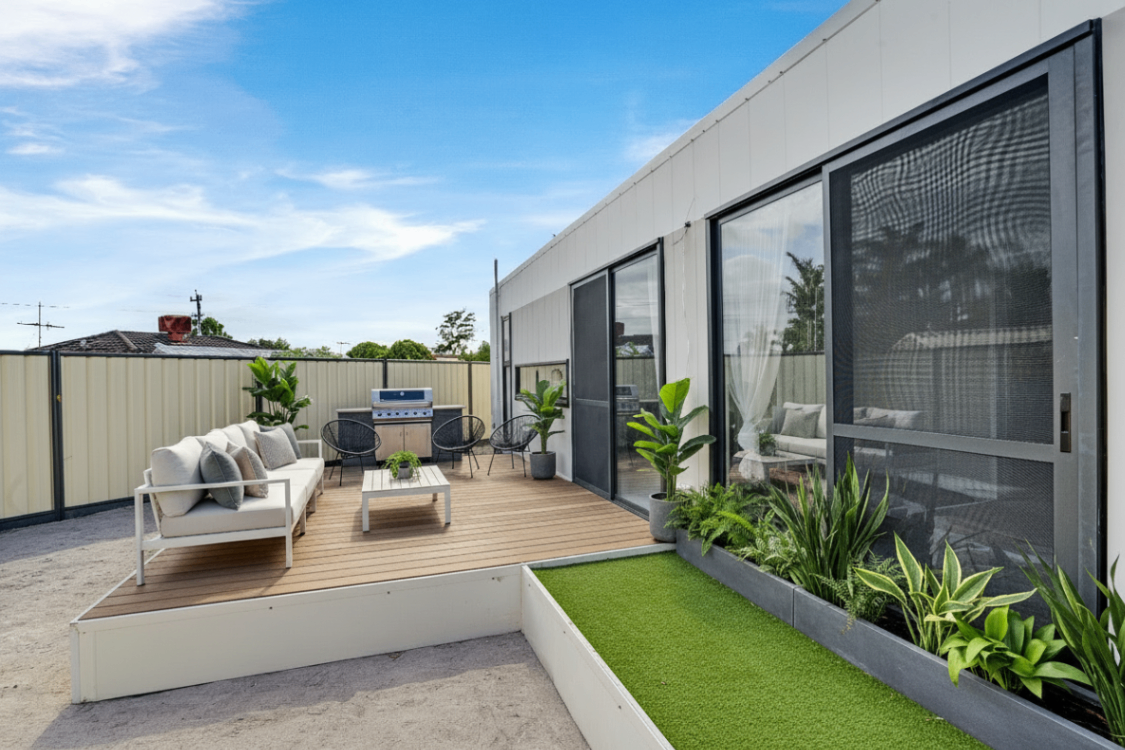
EcoHub Homes designs optimize this deliberately: large sliding doors connect living spaces to outdoor decks, clerestory windows carry daylight deep into interiors, and corner window configurations eliminate dark corridors. The result: homes that breathe naturally and require far less mechanical cooling.
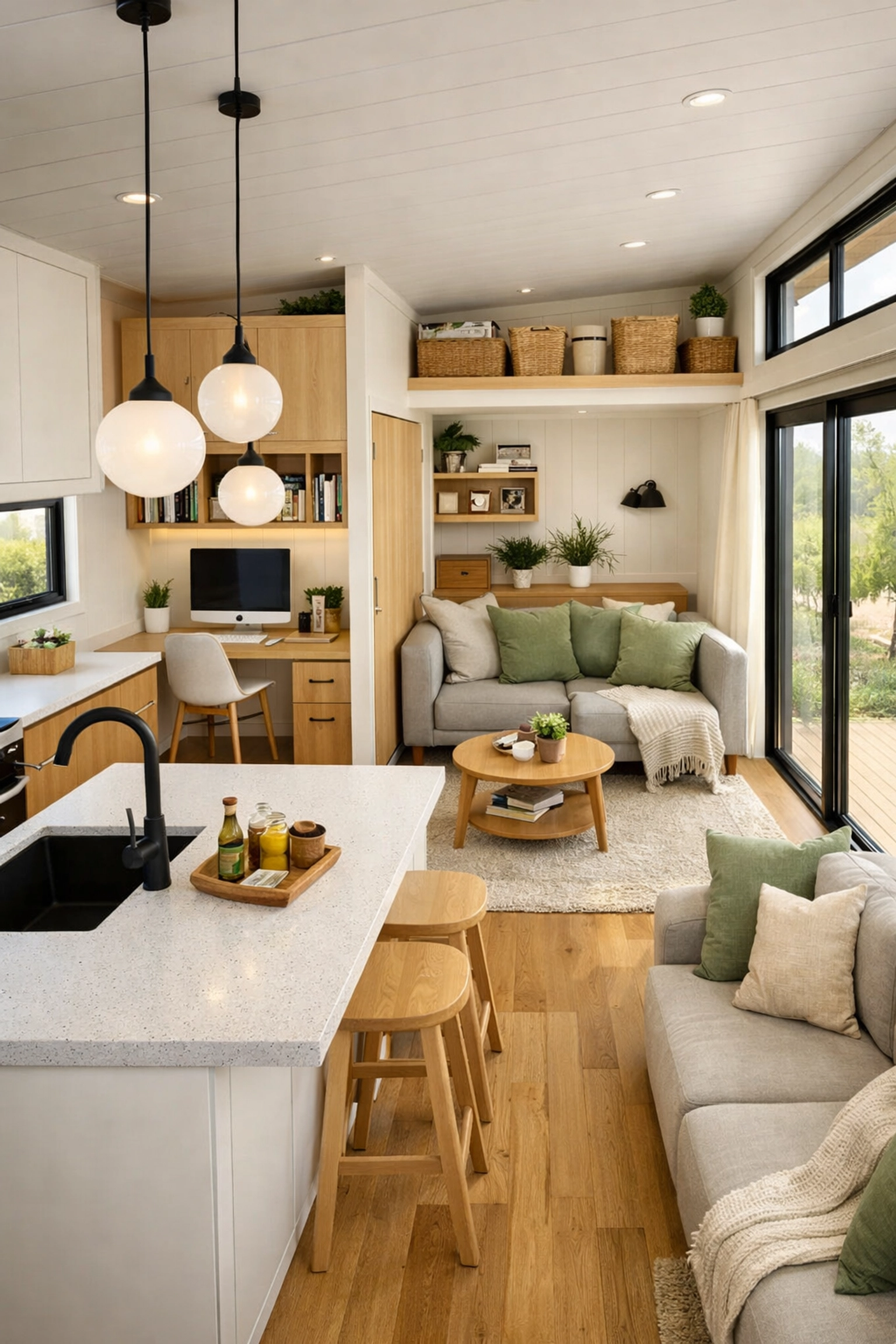
Open-plan integration with defined zones strikes the balance between spacious feel and functional separation. Rather than boxing rooms off completely, thoughtful layouts use partial walls, ceiling height changes, or joinery elements to suggest boundaries without closing spaces off. You maintain sightlines and airflow while creating distinct zones for cooking, dining, and relaxing.
The Modular Advantage: Flexibility Beyond Initial Installation
Here's where modular construction fundamentally differs from traditional building: the inherent flexibility of pod-based design. EcoHub Homes constructs in modules that can be configured, expanded, or even relocated as your needs evolve.
Start with a two-bedroom core module and add a third bedroom pod later as family needs change. Install a standalone studio module as a home office, then repurpose it as a guest suite or rental unit when circumstances shift. This approach transforms your property into an adaptable asset rather than a static structure.
The technical reality: each module arrives as a complete, finished unit with electrical, plumbing, HVAC, and interior finishes already installed. Connection points between modules are engineered for seamless integration: marriage walls that disappear architecturally while maintaining structural integrity.
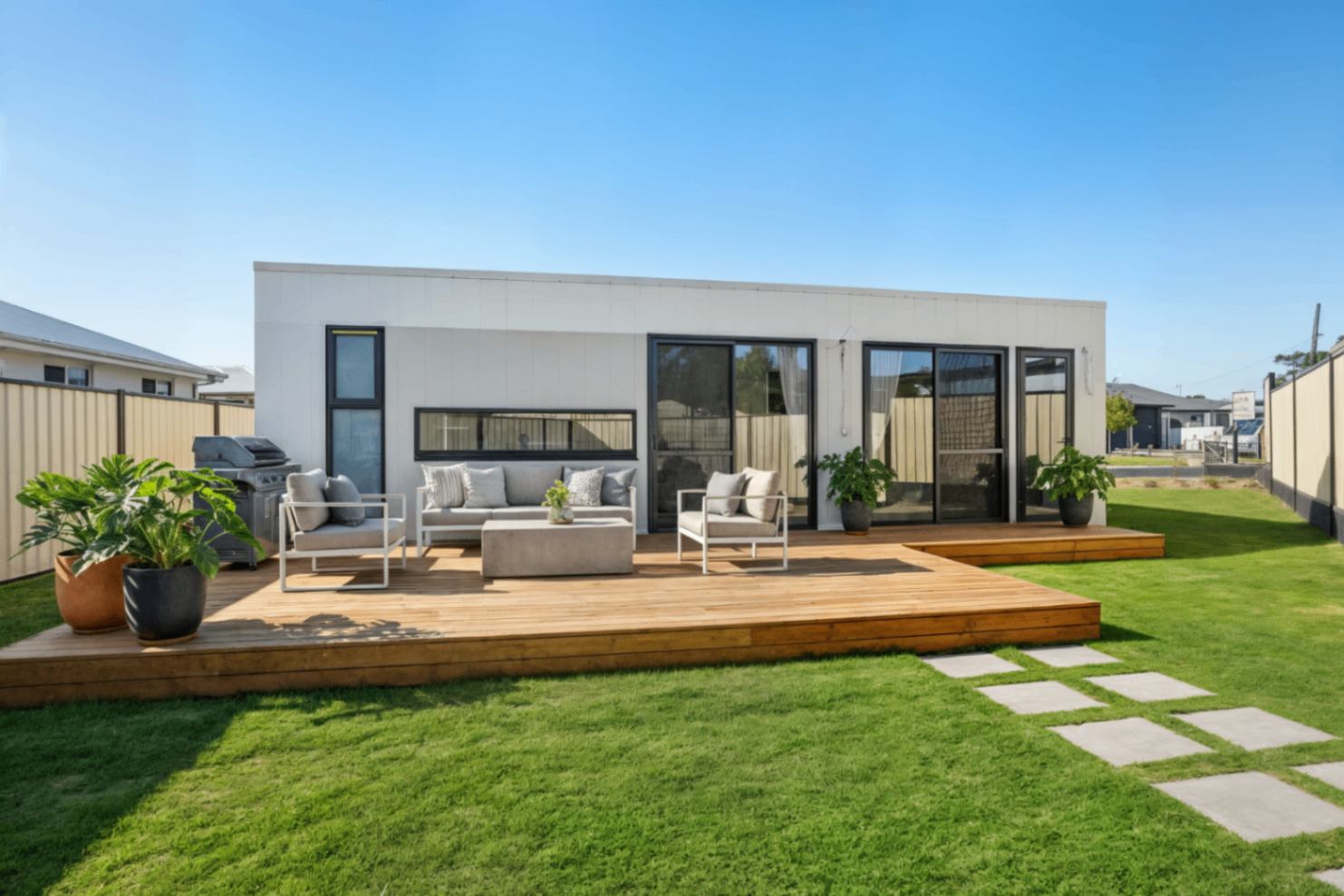
This modularity extends to site placement as well. Tight urban blocks, sloped terrain, or properties with access constraints rarely pose insurmountable obstacles. Modules crane into position, connect, and achieve weathertight status within days rather than months. The construction timeline compresses dramatically compared to traditional builds.
Pricing Reality: What $99,000 Actually Gets You
Let's address the number directly. EcoHub Homes' starting price of $99,000 opens modular housing to buyers previously priced out of quality construction: but understanding what this includes (and what it doesn't) prevents unrealistic expectations.
Base pricing typically covers a complete one-bedroom module with kitchen, bathroom, essential fixtures, and standard finishes. You're getting a turnkey habitable space, not an empty shell requiring extensive fit-out. The structure arrives with insulation, double-glazed windows, electrical systems, and plumbing complete.
Additional costs scale with size and specification. Two-bedroom configurations start around $140,000-160,000, while three-bedroom family homes typically range $180,000-220,000 depending on finishes and fixtures selected. Site preparation, crane access, connection to utilities, and council approvals sit outside base pricing: variables that depend entirely on your specific property situation.
The value proposition becomes clear when compared against traditional construction. You're eliminating months of site disruption, weather delays, and coordination nightmares. Factory construction means controlled quality, fixed timelines, and far less uncertainty around final costs. For investors evaluating granny flats as rental income, the faster turnaround directly impacts return on investment.
Making Your Decision: Next Steps
Choosing your modular home layout ultimately comes down to honest assessment of your priorities. Strip away the aspirational thinking and focus on daily reality: how you actually live, work, and use space.
Walk through your current home and note what works versus what frustrates you. Measure your furniture and visualize it in potential layouts. Consider your five-year trajectory, not just immediate needs. If you're downsizing, will visitors still feel comfortable? If building for rental income, does the layout appeal to your target tenant demographic?
EcoHub Homes' design team works collaboratively to refine layouts based on your specific requirements. Bring your honest needs to the consultation: not just aesthetic preferences. The team understands Australian building codes, site constraints, and practical livability factors that turn good designs into exceptional homes.
Ready to explore which layout genuinely fits your situation? Visit our modular homes gallery to see complete specifications, or check detailed pricing breakdowns across different configurations. Your ideal layout exists: it just needs to match your real life, not someone else's magazine spread.