
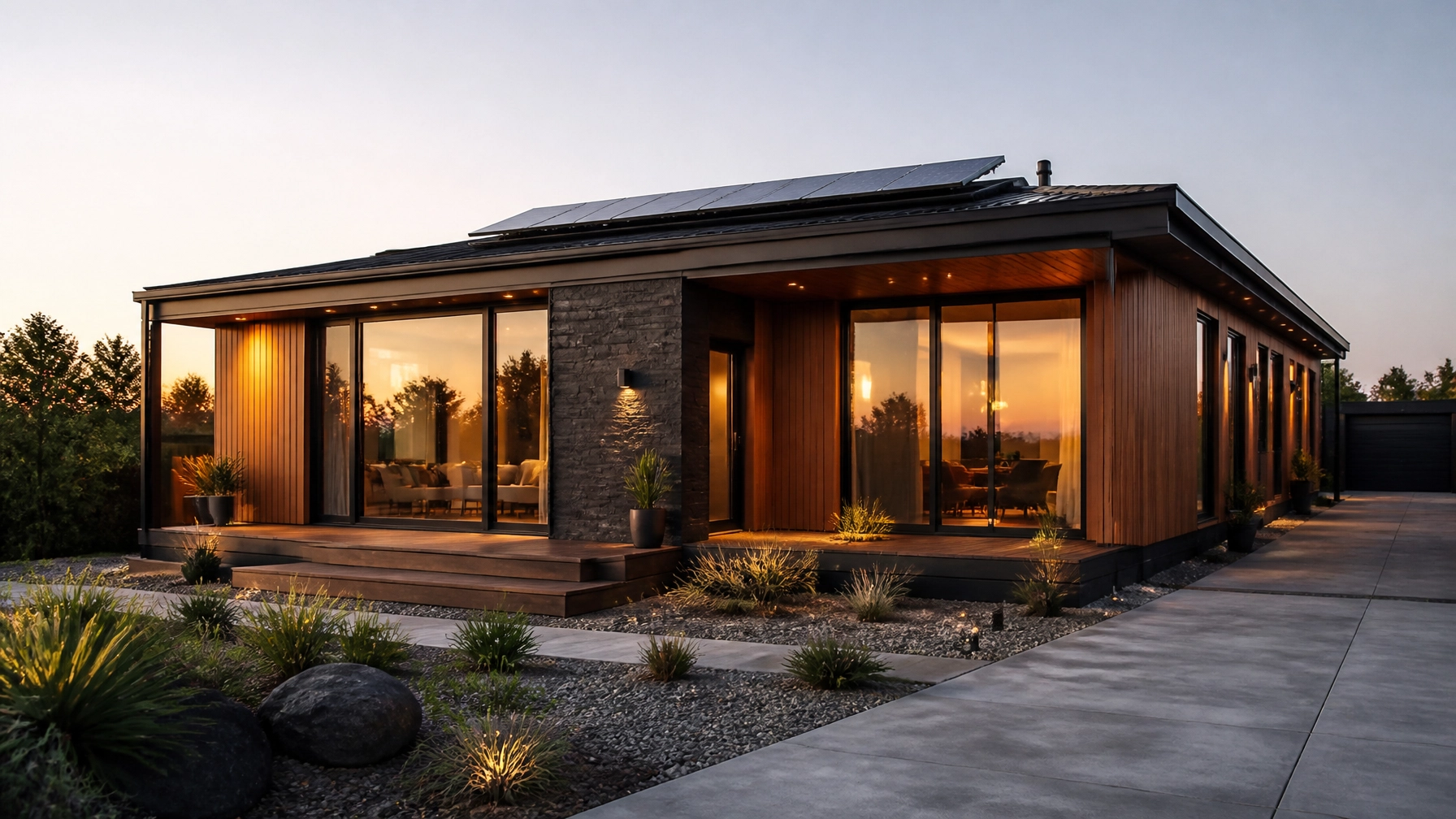
Before we dive into the strategy and trends shaping the year ahead, take a moment to walk through one of our latest designs to see how high-end finishes and smart layouts come together in a real-world setting.
https://youtu.be/Kskhm6zG7_c?si=Sjp40wDQ6mvRjJqk
The Australian housing landscape is undergoing its most significant transformation in decades. As we move through 2026, the shift from traditional "stick-build" construction to advanced manufacturing isn't just a trend, it’s a national strategy. With the federal government and major financial institutions finally aligning, the "modular revolution" has moved from the fringes to the forefront of property investment and home ownership.
The $39.3M Open-Source Revolution: System 600
The cornerstone of the 2026 strategy is the federal government’s $39.3 million investment into the System 600 open-source platform. This isn't just another government grant; it’s a fundamental redesign of how homes are built. System 600 introduces a standardised "kit-of-parts" based on a 600mm grid, allowing different manufacturers to produce compatible components.
For you, this means complete liberation from proprietary lock-ins. Whether you are building a single dwelling or part of the NSW government’s ambitious 2,200-apartment modular plan, System 600 ensures that quality is consistent, approvals are fast-tracked, and components are interchangeable. It’s about industrialising housing to ensure every Australian has access to a precision-engineered home.
Financing: The Barrier is Breaking
Historically, the biggest hurdle for modular homes was the "valuation gap", banks were hesitant to lend on a home that didn't technically exist on-site yet. That changed in 2026.
Major lenders, led by Commonwealth Bank (CBA), have restructured their construction finance products to better support Modern Methods of Construction (MMC). We are seeing a shift toward milestone-based lending that covers factory deposits, acknowledging that the value is created in the manufacturing phase. This financial evolution allows investors to leverage modular speed without the traditional capital-heavy roadblocks.
Cost-Effectiveness: Breaking Down the Numbers
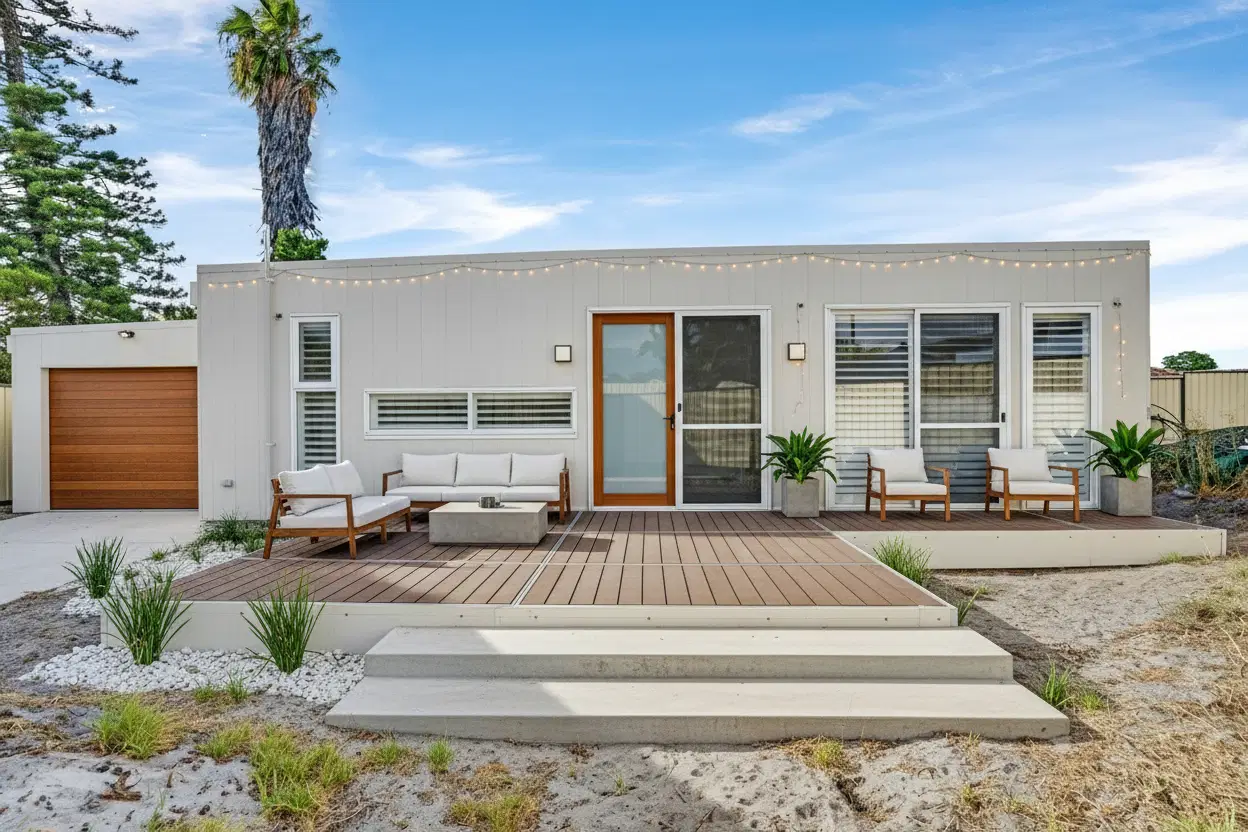
In 2026, the question isn't whether modular is cheaper, it’s how much more value it provides. At EcoHub Homes, our modular range starts from just $99,000. To plan your investment effectively, you should understand the 60/40 split:
- 60% Factory Costs: This covers the precision manufacturing, premium finishes, and high-spec inclusions like double-glazed windows and high ceilings.
- 40% Site Costs: This includes site preparation, permits, delivery, and installation.
On average, high-quality modular construction in Australia now sits between $2,500 and $4,800 per sqm. When you factor in the massive reduction in holding costs, thanks to significantly shorter build times, the total project ROI for investors often outperforms traditional builds by a wide margin.
"The transition to modular isn't just about speed; it's about the absolute certainty of cost and quality. In a volatile market, factory-controlled environments eliminate the variables that usually blow out residential budgets."
, EcoHub Homes Technical Lead
Speed and Sustainability: The 2026 Standard
Time is the ultimate currency in property. Traditional builds in Australia can now drag on for 12 to 18 months. In contrast, an EcoHub modular home is typically in the factory for 8–12 weeks and installed on-site in a matter of days. Overall, the process is 20–40% faster than traditional construction.
Sustainability is no longer an "optional extra", it’s baked into the design:
- Solar-Ready: Every home is designed for seamless solar panel integration.
- Energy Efficiency: High-performance insulation and double-glazed windows ensure year-round comfort with minimal energy spend.
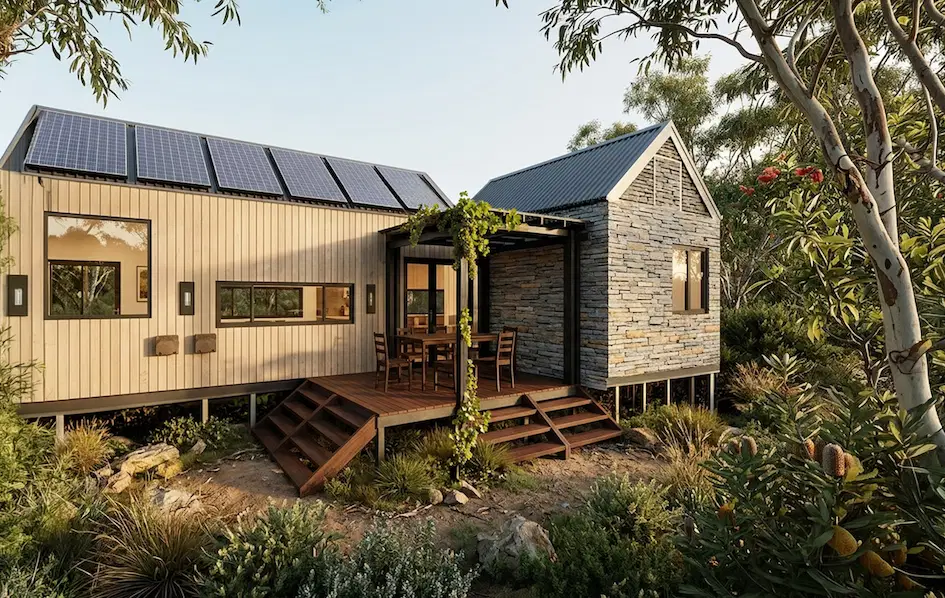
- Low Impact: Our elevated pier systems mean minimal site disturbance, preserving the natural landscape.
Strategic FAQ: Your 2026 Modular Questions Answered
Can I get a standard mortgage for a modular home?
Yes. With the 2026 updates to lending criteria by banks like CBA and the introduction of government-backed finance guarantees, modular homes are now treated as standard residential security once installed.
Is System 600 mandatory for all modular builds?
No, but it is the new benchmark for government projects and social housing. At EcoHub, we align with these standards to ensure our homes are future-proofed and easily approved by local councils.
How do modular homes handle the Australian climate?
Better than most traditional homes. Our factory-controlled construction allows for tighter seals and superior insulation, meaning our homes maintain a steady temperature even in extreme heat or cold.
Staying Ahead of the Game
The 2026 strategy is clear: the future of Australian housing is modular, standardised, and sustainable. Whether you are looking to turn a vacant lot into a smart investment or build your dream home without the two-year wait, the infrastructure is now in place to make it happen.
Ready to explore how a modular build fits into your 2026 plans? Contact the EcoHub Homes team today to discuss your site and vision.