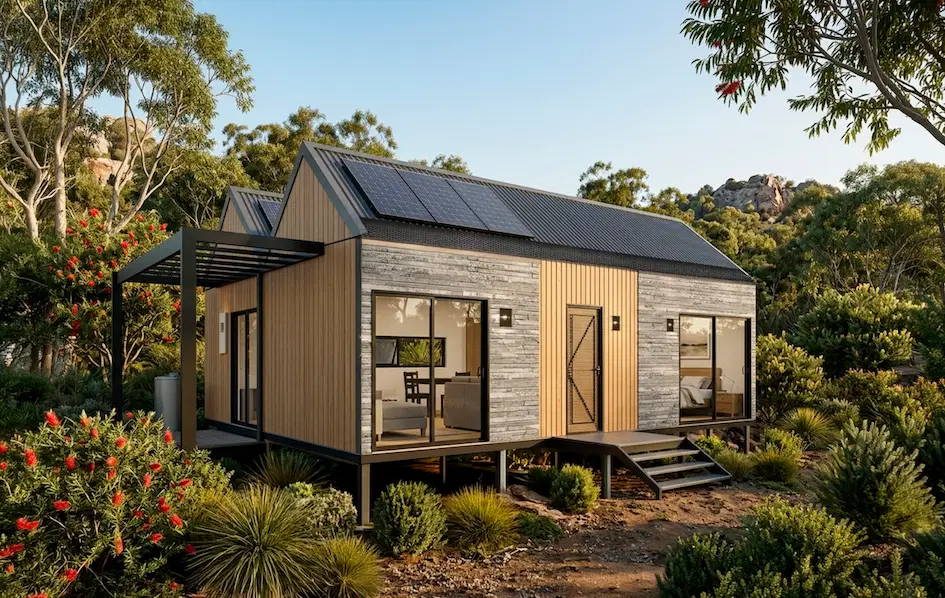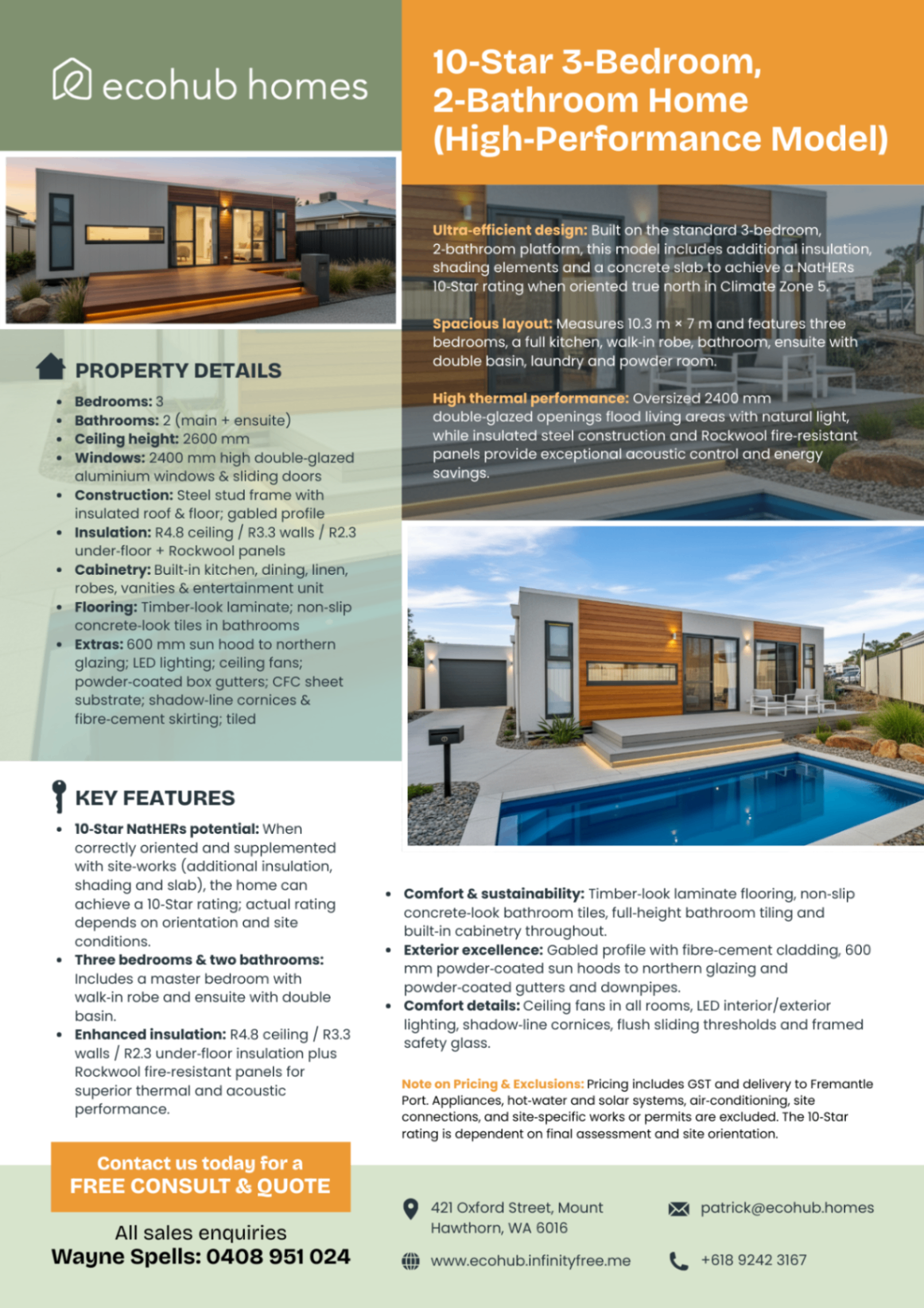
Before we dive into the technicalities of site preparation and council approvals, take a moment to walk through one of our most popular designs: a stunning 3×2 modular home that proves sustainable living never compromises on style.
https://youtu.be/Kskhm6zG7_c?si=Sjp40wDQ6mvRjJqk
Owning a vacant lot in Australia used to mean facing a multi-year construction battle: endless weather delays, skyrocketing labor costs, and the general unpredictability of traditional building. In 2026, that narrative has shifted completely. You can absolutely build a modular home on a vacant lot, and for many smart property owners, it has become the preferred strategy for unlocking land value.
The modular revolution is no longer a niche alternative; it is a sophisticated, precision-engineered solution to the Australian housing crisis. Whether you are looking to build a permanent residence or a high-yield rental property, the path to completion is now clearer and faster than ever.
The Regulatory Landscape: Navigating Approvals in 2026
The most common misconception is that modular homes bypass standard council regulations. They do not: and they shouldn't. In 2026, modular construction is held to the same rigorous standards as any site-built home under the National Construction Code (NCC).
In states like New South Wales, the landmark Building (Approvals and Practitioners) Bill 2026 has formalised the recognition of prefabricated homes, streamlining the certification process while maintaining high safety standards. This means your modular home is treated as a permanent "building work," ensuring it holds its value and meets all insurance requirements.
- Zoning is King: Before ordering your modules, you must confirm your lot's zoning. If a standard house is permitted, a modular home is typically permitted.
- NCC 2022/2025 Compliance: Every EcoHub home is engineered to meet or exceed current energy efficiency and structural standards.
- The Certification Pathway: Because much of the work happens in a controlled factory, we provide a "Prefabricated Building Declaration," which your local certifier uses to issue an occupancy certificate upon installation.
"The shift in 2026 legislation has been a game-changer for modular housing. By treating off-site manufacturing with the same regulatory weight as traditional builds, we've removed the ambiguity that previously slowed down approvals." : Australian Building Compliance Expert
Turning Dirt into Dollars: The 2026 Investment Case
For investors, the math is simple: time is money. A traditional build might take 12 to 18 months, during which your capital is tied up in a non-earning asset. A modular home from EcoHub can be delivered and installed in a fraction of that time: often in as little as 12 to 20 weeks from approval.
This speed allows you to bring your rental property to market almost a year earlier than traditional developers. In 2026’s competitive rental market, that is an extra 52 weeks of passive income. Furthermore, the fixed-price nature of modular manufacturing protects you from the "cost-plus" budget blowouts that plague on-site construction.
Essential Site Preparation for Your Vacant Lot
While the house is built in our factory, your lot needs to be prepared to receive it. This is where many owners get overwhelmed, but the process is straightforward when managed correctly.
- Site Survey & Soil Test: This is the non-negotiable first step. We need to know what’s happening underground to design the correct footings.
- Service Connections: You must bring water, electricity, and sewerage (or a septic system) to the site. Having these ready before delivery ensures a seamless "plug and play" installation.
- Access Clearance: Our delivery trucks are large. We need to ensure there is a clear path for the modules to reach their final destination on your lot.
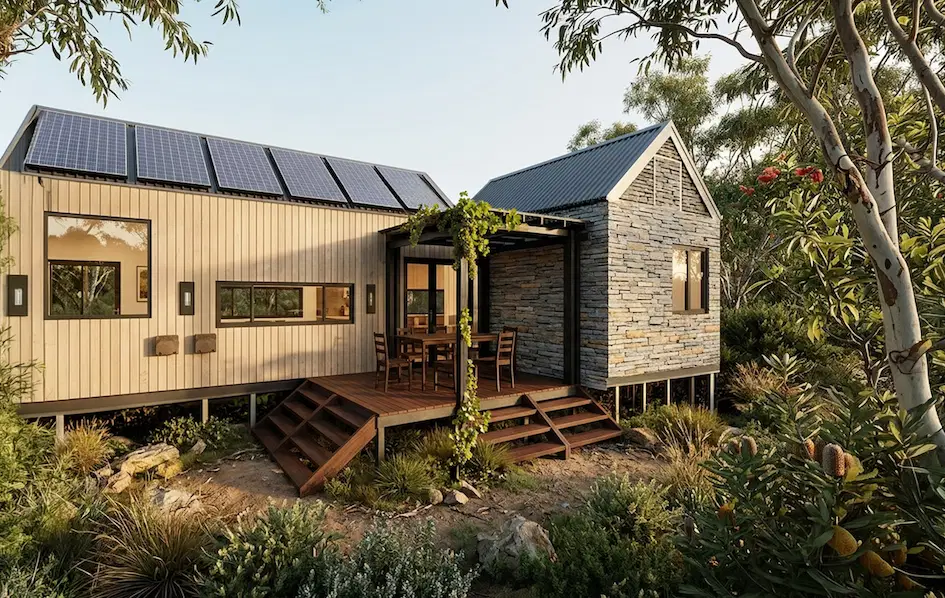
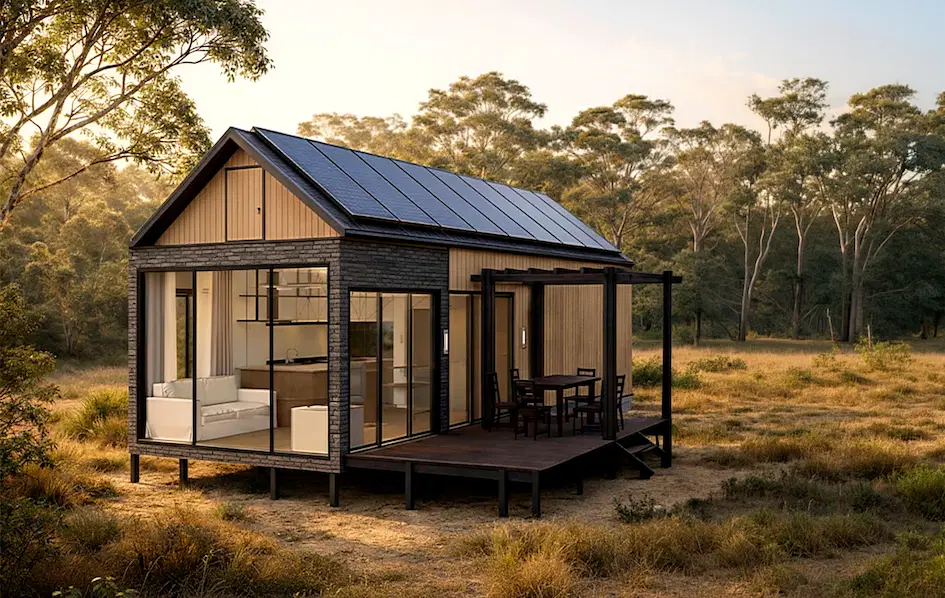
- Foundations: Most of our designs use engineered pier systems. These minimize site disturbance: saving you money on massive excavation and retaining walls: and are ideal for sloping or bushland lots.
Why Modular is the Smarter Choice Today
Sustainability is no longer a luxury; it is a requirement for future-proofing your investment. EcoHub Homes are designed with full-height double-glazed windows, high-density insulation, and integrated solar solutions. These features don't just reduce your carbon footprint: they significantly lower the ongoing running costs for you or your tenants.
The ability to turn a vacant lot into a high-spec, energy-efficient home in months rather than years is the ultimate "cheat code" for Australian property owners in 2026.
Your Next Steps to Building
Building on a vacant lot is a journey of transformation. It is about taking an underutilised asset and turning it into a smart, sustainable home or a reliable source of passive income.
At EcoHub Homes, we handle the complexities: from custom 3D visualisations to navigating the permit process. If you have a vacant lot and are ready to see what's possible, let’s explore your options together.
Ready to unlock your land’s potential?
View our 2026 Home Designs or Contact our Design Team for a site feasibility assessment today.