
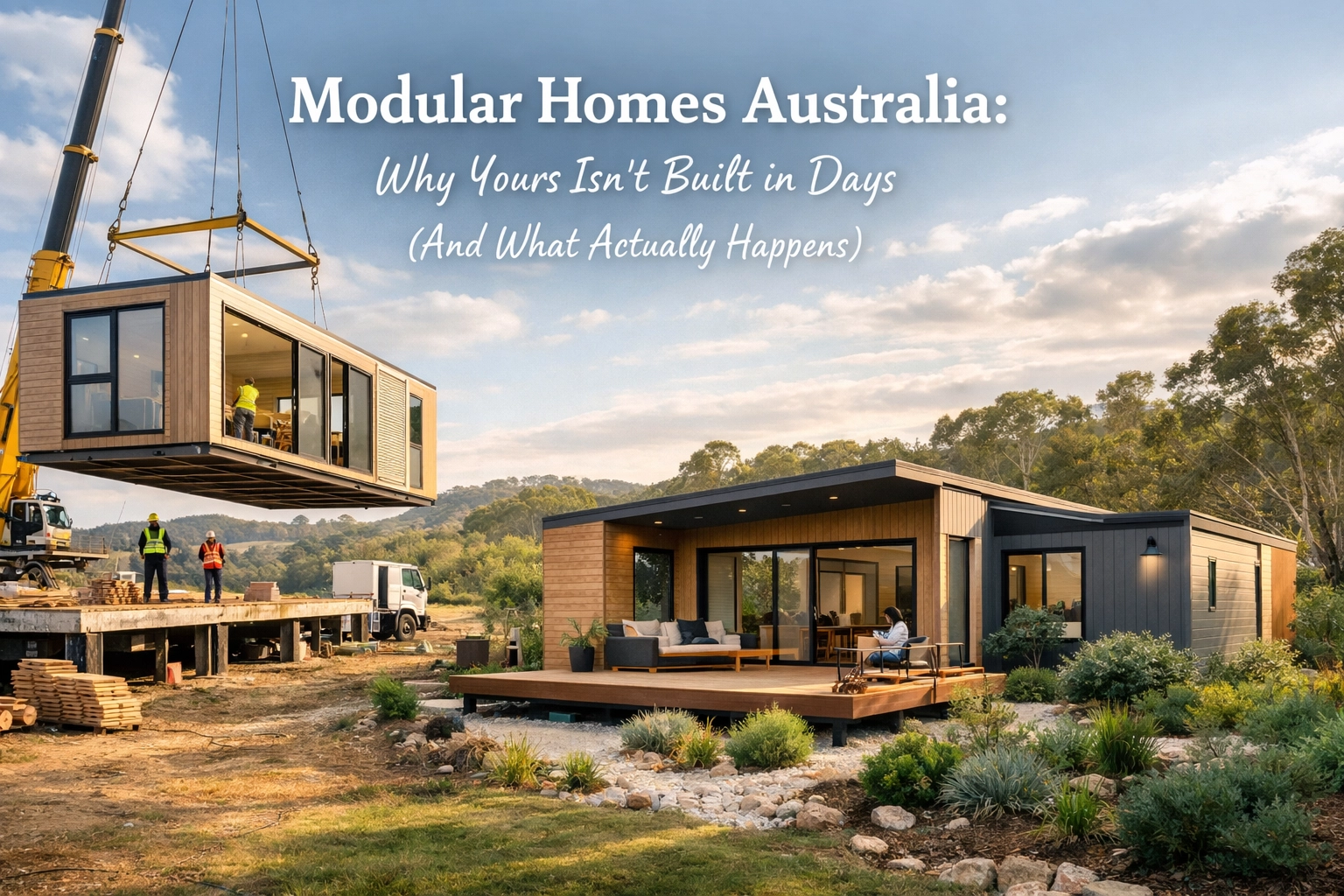
Let's clear something up right now: your modular home won't appear overnight like some prefab magic trick.
You've probably seen the headlines, "House built in 24 hours!" or "Move in next week!", and look, we get the appeal. But here's the truth from someone who builds these homes every single day: modular construction is significantly faster than traditional builds, but it's not instant. And honestly? You don't want it to be.
The confusion stems from watching a crane lower modules onto a foundation in a few hours and thinking that's the build. That installation phase is the finale, the exciting bit everyone photographs. The real work happens long before that crane arrives, and understanding what's actually going on will save you frustration, keep your expectations realistic, and help you appreciate why modular homes can offer a 10-year structural warranty when site-built homes typically can't.
The Real Timeline: 28–30 Weeks (And Why That's Still Brilliant)
A complete modular home project in Australia takes approximately 28–30 weeks from the moment you sign off on designs to the day you get your keys. That breaks down into roughly 12–18 weeks for design and approvals, then 16–22 weeks for actual construction and finishing.
Compare that to traditional builds that stretch 9–12 months of on-site work alone, not counting design and approvals, and you start seeing why modular makes sense. But let's be specific about what's happening during those 30 weeks, because it's not sitting around waiting.
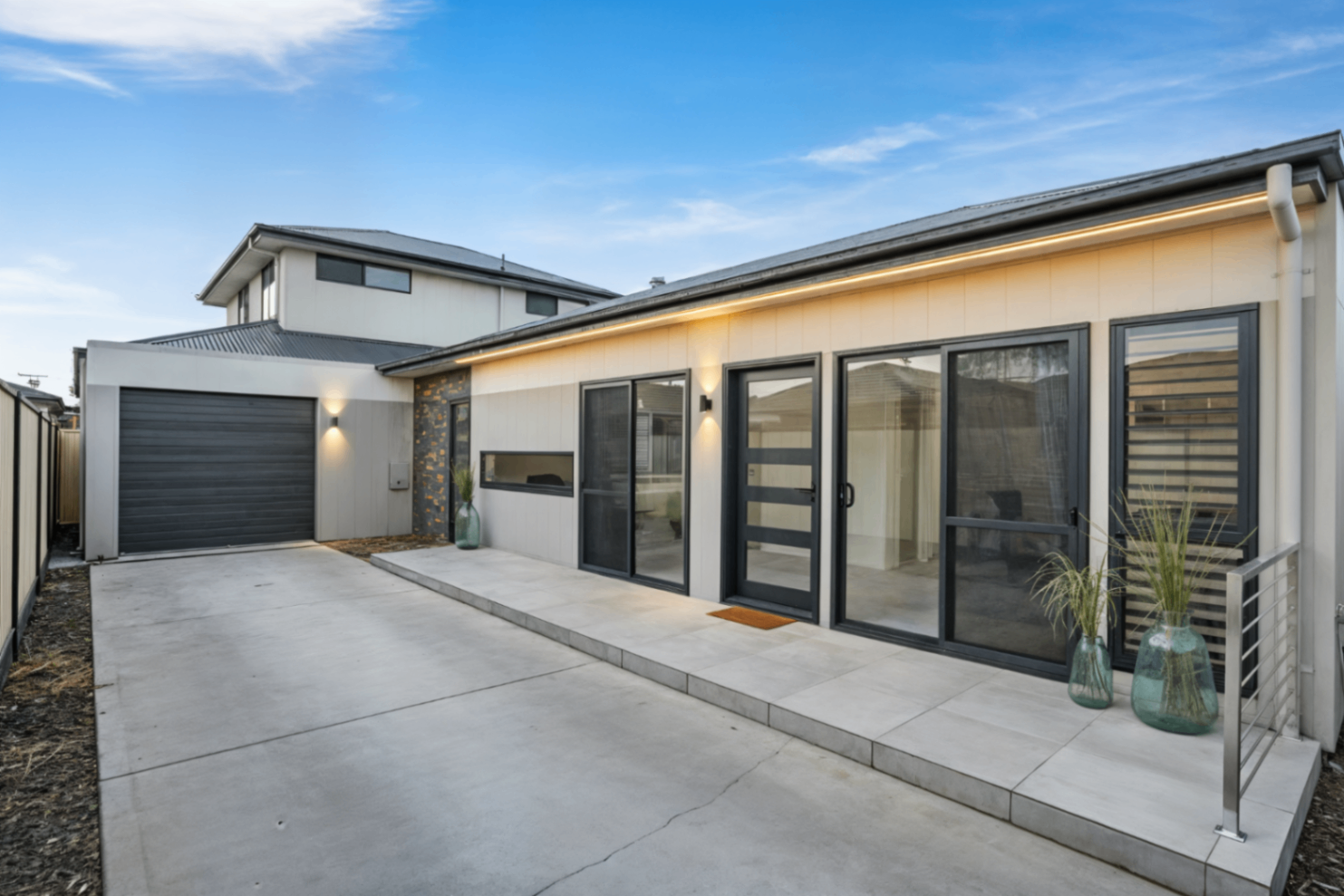
Phase One: Custom Design and the 3D Visualisation Process (4–6 Weeks)
This isn't picking a house from a catalogue and calling it done.
Your home starts with detailed design sessions where we're translating your lifestyle needs into architectural reality. Want an open-plan kitchen that flows to the deck? Need a home office with north-facing windows? Planning for future solar panels? These decisions happen now, not after construction starts.
The 3D visualisation phase is where you actually see your home before committing to production. We're creating photorealistic renders that show you what standing in your kitchen will feel like, how afternoon light hits the living room, whether that bathroom layout actually works for your family. This isn't a fluffy sales tool, it's a critical checkpoint that prevents expensive changes later.
Most modifications after factory production begins cost 5–10 times more than adjustments made during design. Getting this phase right saves you thousands.
Phase Two: Council Approvals and Engineering (8–12 Weeks, Running Parallel)
While you're finalising design details, we're already deep into engineering documentation and submitting for council approvals.
Council processing times in Australia typically run 8–12 weeks, sometimes longer depending on the local authority and current application backlog. This isn't unique to modular homes, every residential build in Australia faces this timeline. The difference? We start your factory construction the moment approvals clear, not after breaking ground and ordering materials like traditional builders do.
Simultaneously, our engineering team is creating the structural specifications that ensure your home meets, and exceeds, National Construction Code requirements. We're calculating load paths, wind ratings, thermal performance, and acoustics. Every millimetre matters when you're building in a controlled factory environment, because precision now means perfect module alignment on-site later.
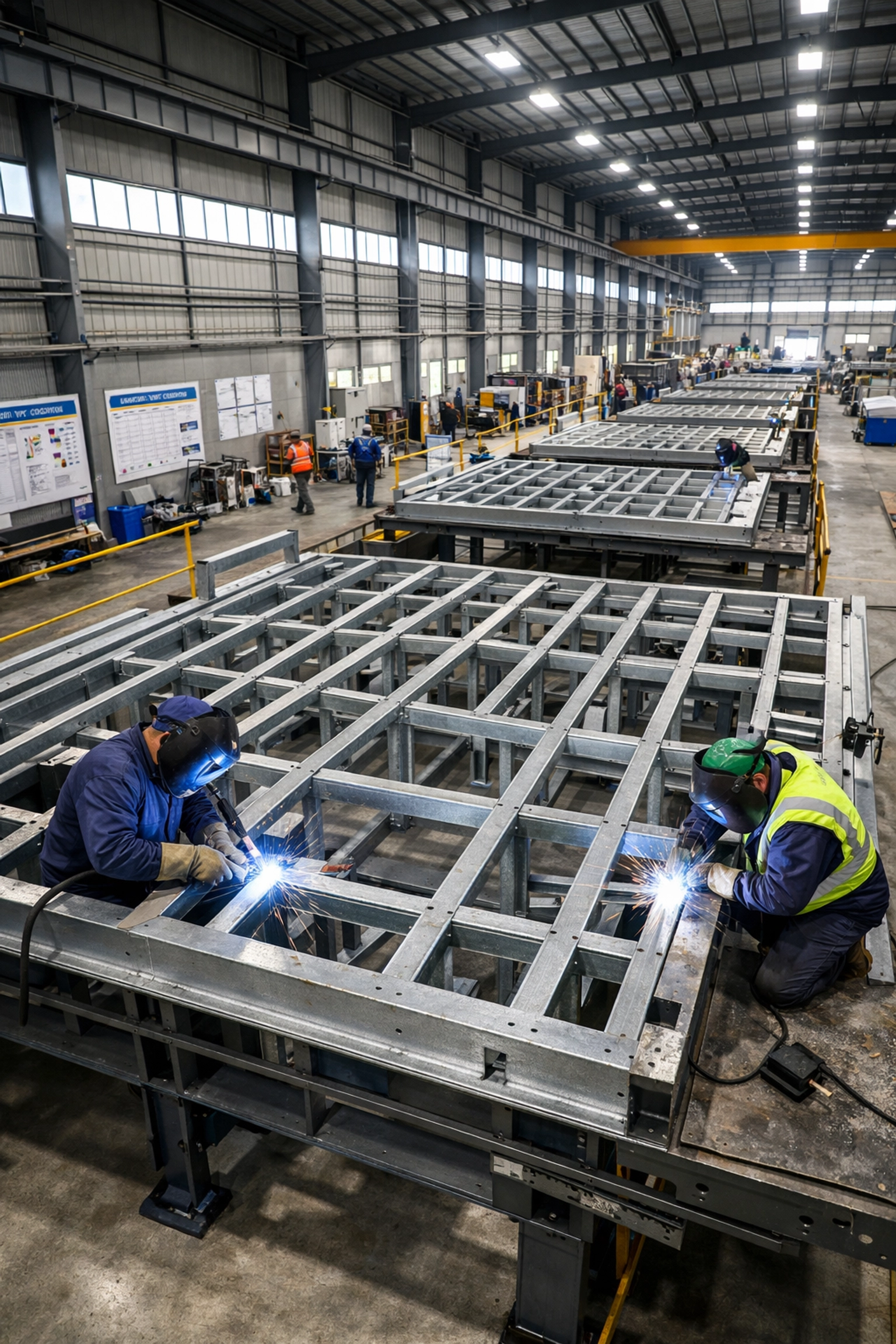
Phase Three: Factory Construction, Where the Magic Actually Happens (8–16 Weeks)
Here's where modular construction fundamentally differs from site-built homes.
Your house is being built indoors, on a production line designed for precision, protected from weather, and staffed by specialised trade teams who work on modular homes exclusively. No rain delays. No materials sitting in mud. No tradespeople juggling three other jobs.
Week 1–3: Steel frames are welded and assembled with tolerances measured in millimetres, not centimetres. This structural precision is why modules fit together seamlessly on-site.
Week 4–8: Walls go up, insulation is installed to specifications that actually match the engineering drawings (shocking concept, we know), and services, electrical, plumbing, data, are roughed in according to layouts locked during design.
Week 9–14: Internal finishing begins. Plasterboard, tiling, flooring, painting, kitchen installation, bathroom fit-outs. This work happens with your home elevated on a production line, meaning plasterers aren't hunched over or working on ladders. Quality improves when tradespeople can work ergonomically.
Week 15–16: Fixtures, fittings, appliances, and final finishes. Your home reaches approximately 90% completion before it leaves the factory.
The controlled environment means consistent quality. When it's not raining on your electrical work or dusty winds blowing through during painting, finishes stay pristine. This environmental control is exactly why we can offer a 10-year structural warranty, we know precisely what conditions your home was built under.
Phase Four: Site Preparation (Happening Simultaneously, 6–10 Weeks)
While your modules are being built in the factory, your building site isn't sitting idle.
Earthworks, foundation construction, service connections, all this groundwork happens in parallel with factory production. Traditional builders do this sequentially: prepare site, then build house. Modular construction runs both processes at once, shaving months off your total timeline.
Your slab or pier foundation is engineered specifically for modular installation, with anchor points positioned to millimetre accuracy. Service stubs, water, sewer, electrical, data, are installed in exact locations to match the factory-built modules.
When installation day arrives, everything needs to align perfectly. This coordination between site team and factory team is choreographed weeks in advance.
Phase Five: Installation and "Stitching" (1–2 Days, Plus 4–8 Weeks Finishing)
This is the part everyone thinks of when they imagine modular homes, the dramatic crane lift and placement.
Your modules arrive on trucks, get lifted into position by crane, and are secured to the foundation. For most homes, this physical installation takes 1–2 days. It's impressive to watch, genuinely remarkable compared to traditional construction, but it's the culmination of months of precision work.
Then comes the "stitching", connecting modules together, sealing joins, completing internal connections between modules, and finishing external cladding. This site finishing phase takes another 4–8 weeks depending on home complexity.
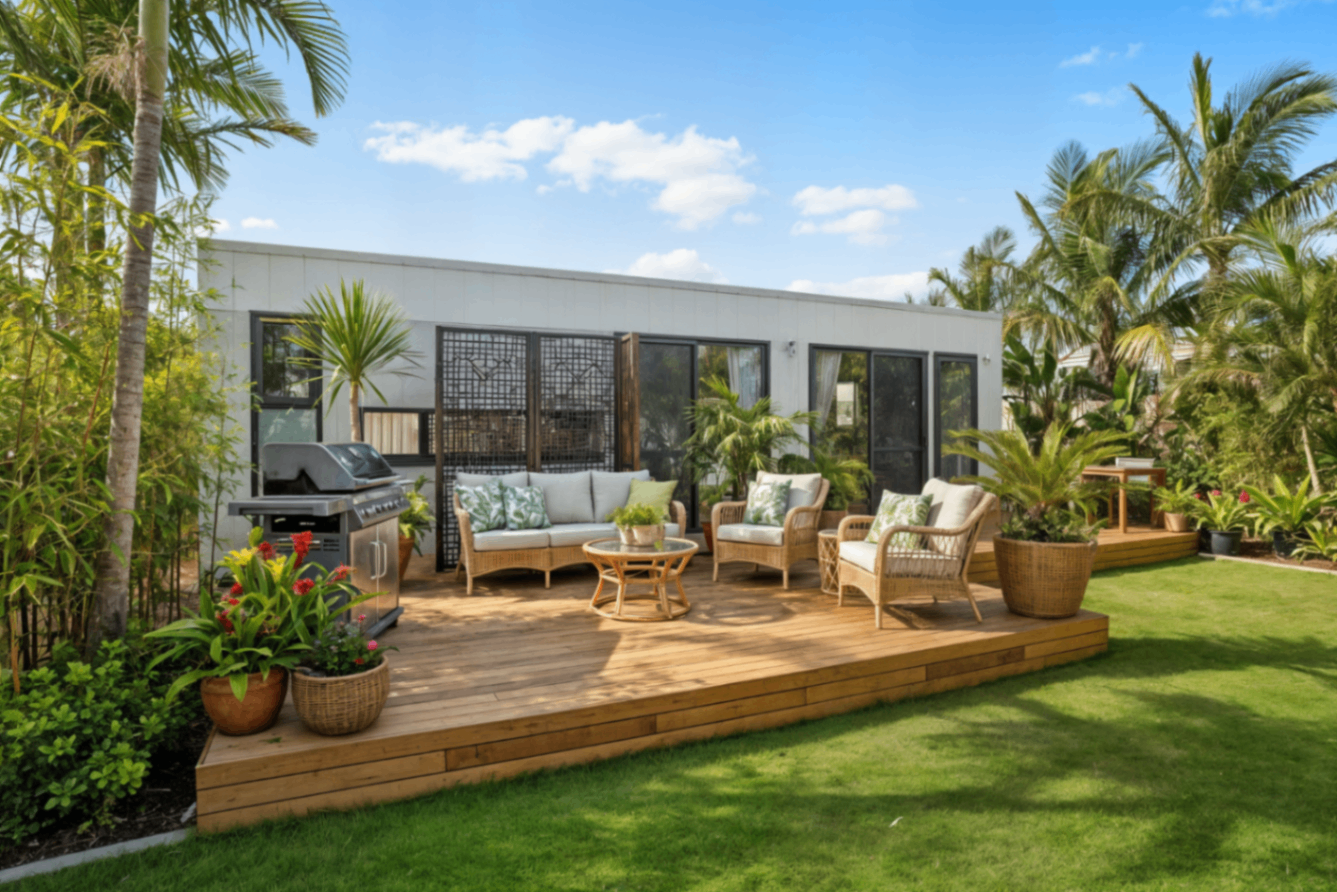
Final connections to services happen. External decking and landscaping are completed. Quality inspections ensure everything meets both our standards and regulatory requirements. Final occupancy certificates are issued.
Why You Want This Timeline, Not a Faster One
Could modular homes be installed faster? Technically, yes. Should they be? Absolutely not.
The 28–30 week timeline exists because quality construction requires precision at every stage. Rushing design leads to change orders. Skipping engineering review creates structural issues. Cutting factory time means compromised finishes. Eliminating site preparation creates installation problems.
The controlled factory environment: the reason modular homes can offer 10-year warranties: requires time. Proper curing for adhesives. Adequate drying time for paint. Methodical quality checks at each production stage. This isn't an assembly line churning out identical units; it's a manufacturing process building your custom home to exacting standards.
Traditional site-built homes take 9–12 months of on-site construction, during which weather, material delays, and trade coordination constantly create setbacks. Modular construction compresses that to 16–22 weeks by eliminating variables and working in parallel. That's a 50% time reduction while actually improving quality control.
What This Means for You
Understanding the real timeline helps you plan properly. If you need to be in your home by Christmas, you're starting conversations with builders in April, not October. If you're coordinating the sale of an existing property, you're factoring in actual construction timeframes, not fantasy timelines from internet headlines.
Modular construction offers genuine speed advantages over traditional building: but it's still measured in months, not days. The payoff is a home built with precision you can't achieve on-site, protected from weather throughout construction, and backed by warranties that reflect the confidence builders have in controlled manufacturing environments.
The modules arrive on trucks in days. The quality that goes into them takes months. And that's exactly how it should be.
Ready to see what your modular home timeline actually looks like? Get in touch and we'll walk you through the real process: design decisions, council timelines, construction phases, and realistic completion dates for your specific project. No overnight promises, just honest timelines backed by hundreds of completed homes across Australia.