
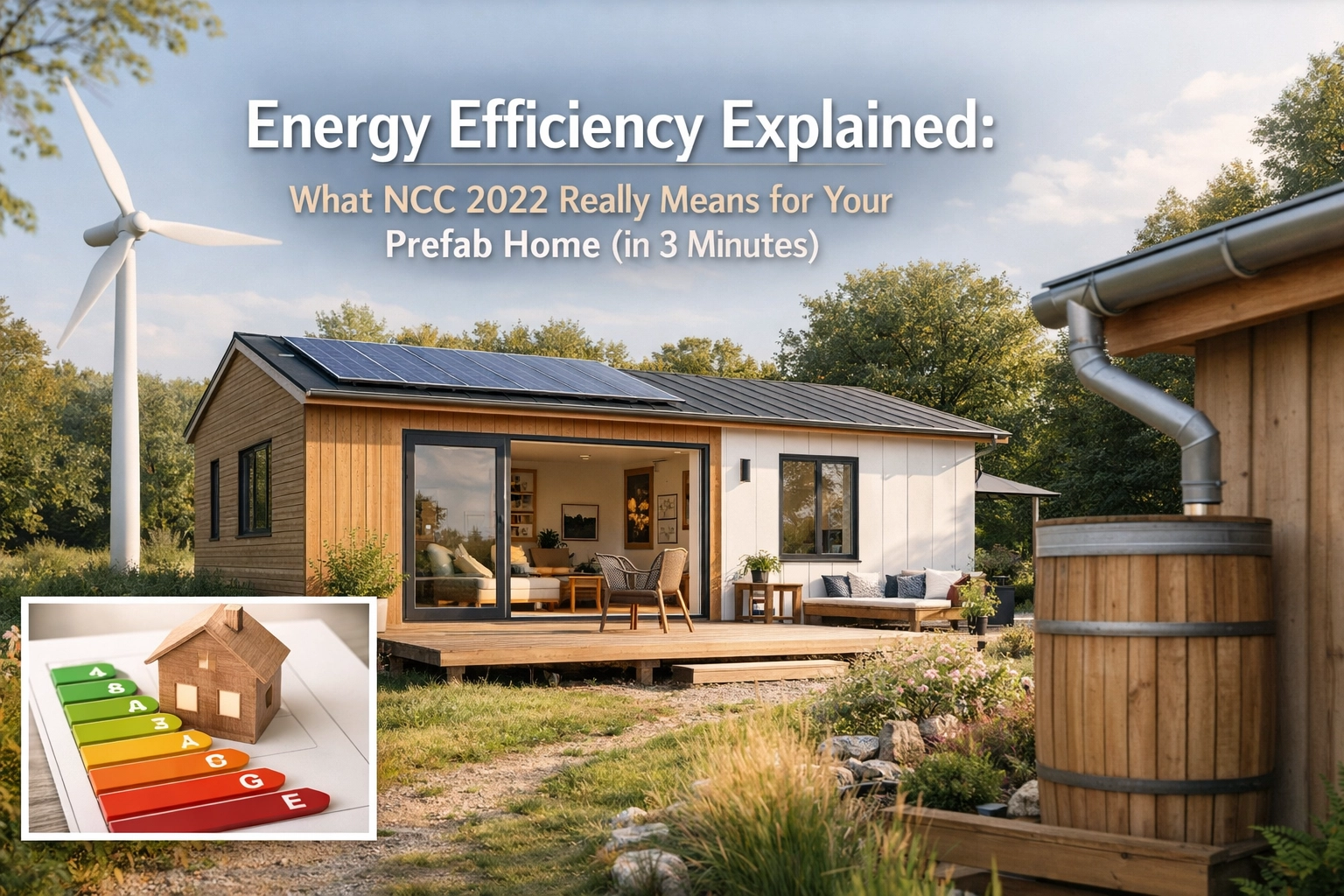
You've probably heard whispers about NCC 2022: maybe from your builder, maybe from a neighbour renovating their place: and thought, "Great, another compliance hoop to jump through." The reality? These new energy efficiency standards are a game-changer for anyone building a prefab home in Australia, and they're actually designed to save you serious cash over the long haul.
Let's cut through the jargon. In three minutes, you'll understand exactly what NCC 2022 demands, why your prefab home needs to comply, and how EcoHub's already built these requirements into every design we roll out.
The Two Requirements You Need to Know
NCC 2022 doesn't just ask for one thing: it demands two separate performance standards from every new home, including prefabs.
First: The 7-Star Thermal Rating
Your home must achieve a minimum 7-star NatHERS rating. This measures how well your building envelope: walls, roof, floors, windows: handles heating and cooling loads. Here's the kicker: less than 10% of homes in cooler Australian climates currently hit this benchmark. The bar just got raised, significantly.
Second: The Whole-of-Home Energy Budget
Beyond the star rating, your home needs to stay within an annual energy usage limit. This budget covers:
- Heating and cooling systems
- Hot water systems
- Lighting throughout the home
- Pool and spa pumps (if applicable)
You can't game this system. The budget is calculated, quantified, and non-negotiable: unless you offset consumption with renewable energy sources like solar panels.
What This Actually Means for Your Prefab
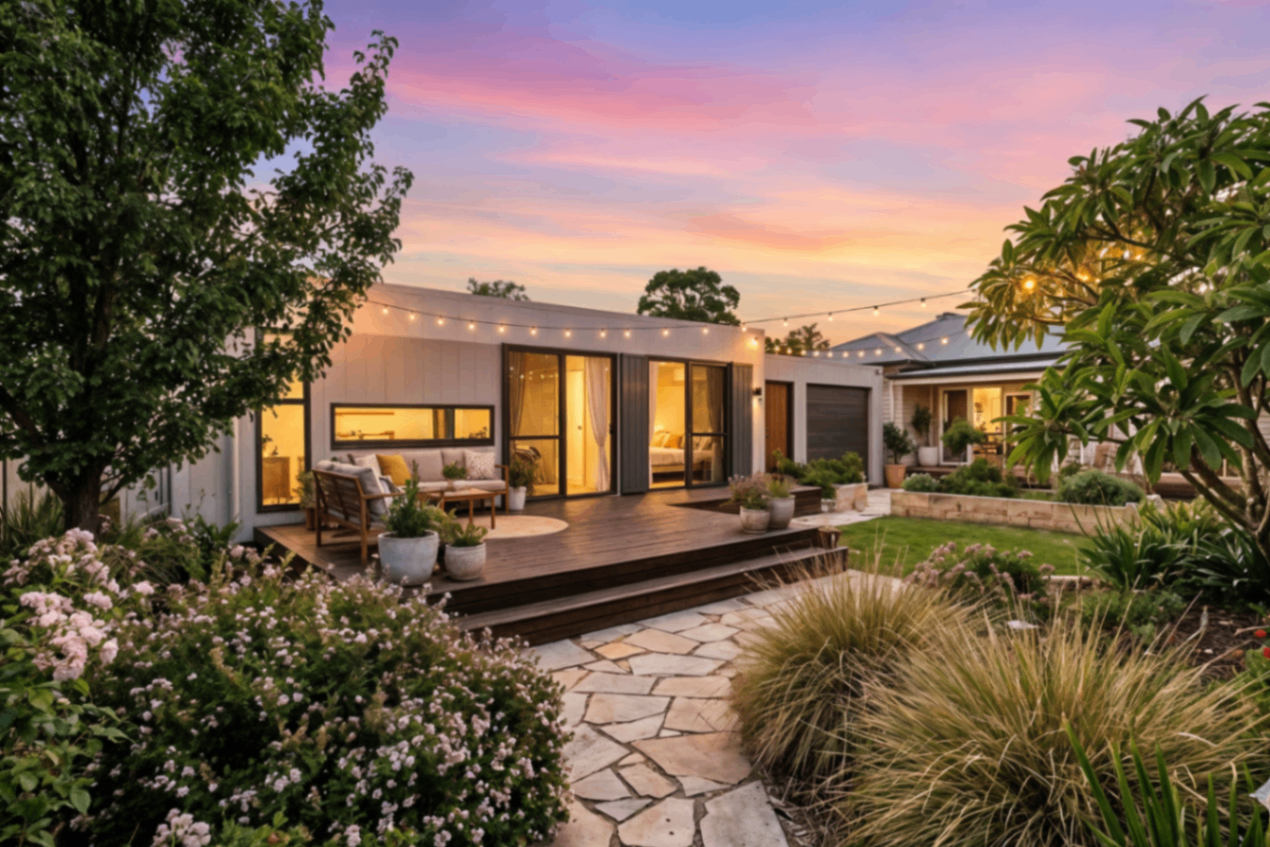
Prefab homes aren't exempt. They face identical requirements to stick-built houses, which means manufacturers like EcoHub need to design every component: wall panels, roof systems, window frames: to meet both thermal performance and energy budget standards before they leave the factory.
The advantage? Precision. Factory-controlled environments allow tighter tolerances, better insulation installation, and consistent quality across every build. When your walls are assembled in a controlled facility rather than exposed to weather on-site, achieving 7-star performance becomes significantly more reliable.
There are two compliance pathways: Option 1 uses specific energy ratings and features, while Option 2 applies detailed building fabric requirements including insulation R-values, glazing specs, and air sealing standards. Most prefab builders lean toward Option 1 because it allows flexibility in design while meeting performance targets through proven component combinations.
Double-Glazed Windows: Your First Line of Defence
Single-pane windows are officially dead in modern prefab construction. They bleed heat in winter and let the Aussie summer cook your interiors: neither scenario helps you hit 7-star performance.
Double-glazed windows feature two panes of glass separated by an insulating air gap. This simple upgrade dramatically reduces heat transfer, meaning your air conditioning works less in February and your heater takes a breather in July.
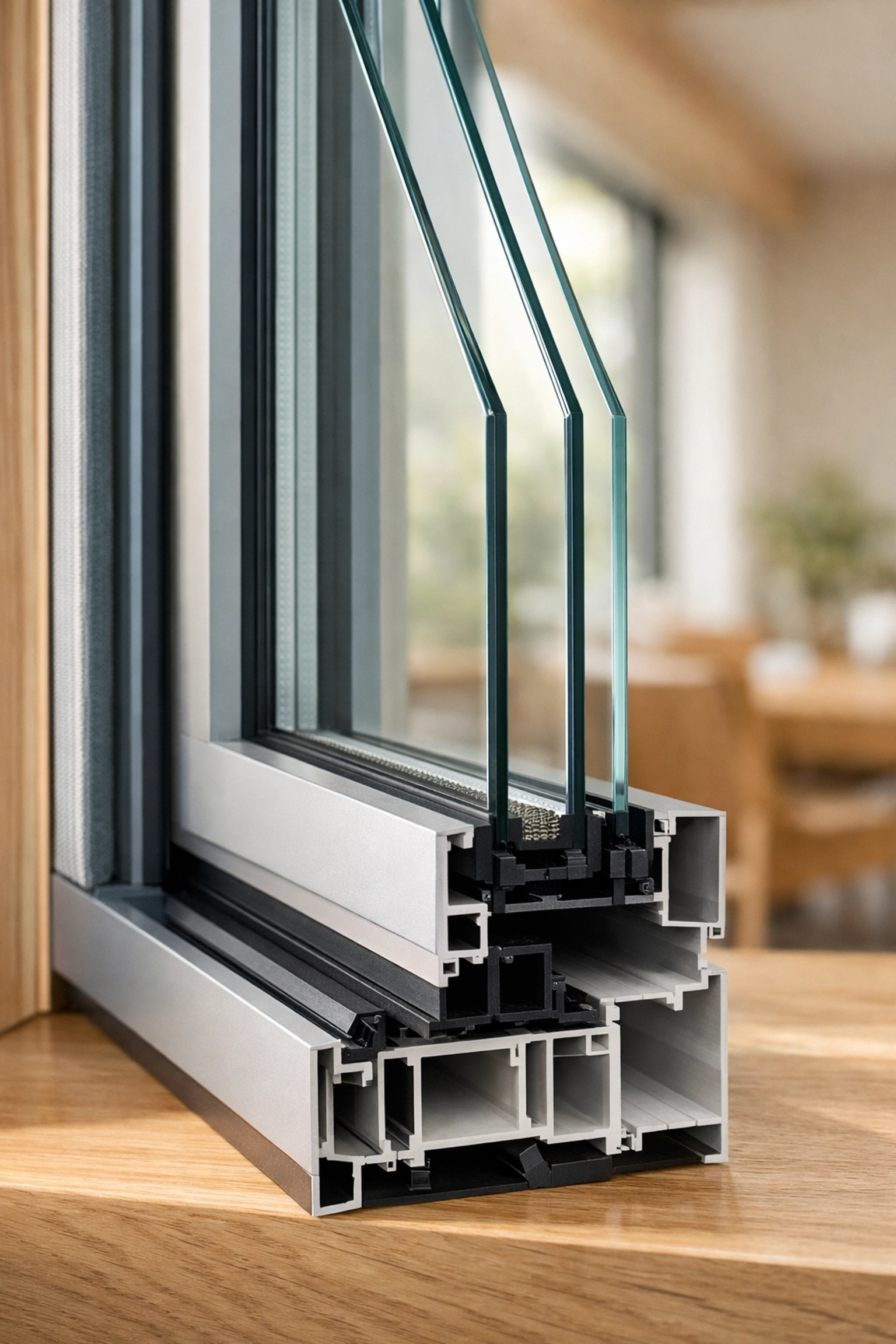
EcoHub specs double-glazing across our entire range. It's non-negotiable. The upfront cost gets absorbed into your build price, and you'll recoup it through lower energy bills within the first few years. Plus, double-glazed windows reduce external noise: a bonus if you're building near roads or in urban areas.
Look for Low-E coatings on your glazing. These microscopic metallic layers reflect heat back into your home during winter and deflect solar radiation in summer. They're invisible to the eye but make a measurable difference in thermal performance.
Insulation: Where Most Builders Cut Corners (But Shouldn't)
Insulation R-values determine how effectively your walls, roof, and floors resist heat flow. Higher R-values equal better performance. NCC 2022 mandates minimum R-values based on your climate zone, and prefab homes must meet: or exceed: these benchmarks.
Here's where factory construction shines: insulation installation quality matters as much as the product itself. Gaps, compression, and improper fitting reduce effectiveness dramatically. In a controlled factory environment, installers work from blueprints with consistent conditions, eliminating the rushed on-site installations that plague traditional builds.
EcoHub uses continuous insulation systems in wall panels and roof assemblies. These eliminate thermal bridging: those sneaky pathways where heat escapes through structural framing members. The result? Consistent thermal performance across your entire building envelope, not just between studs.
Solar Integration: Meeting the Energy Budget
Remember that whole-of-home energy budget? Solar panels are your secret weapon for compliance: and long-term savings.
NCC 2022 allows renewable energy generation to offset your home's energy consumption when calculating the annual budget. A well-sized solar system doesn't just help you comply; it can push your home into net-zero territory, where you generate as much energy as you consume over the year.
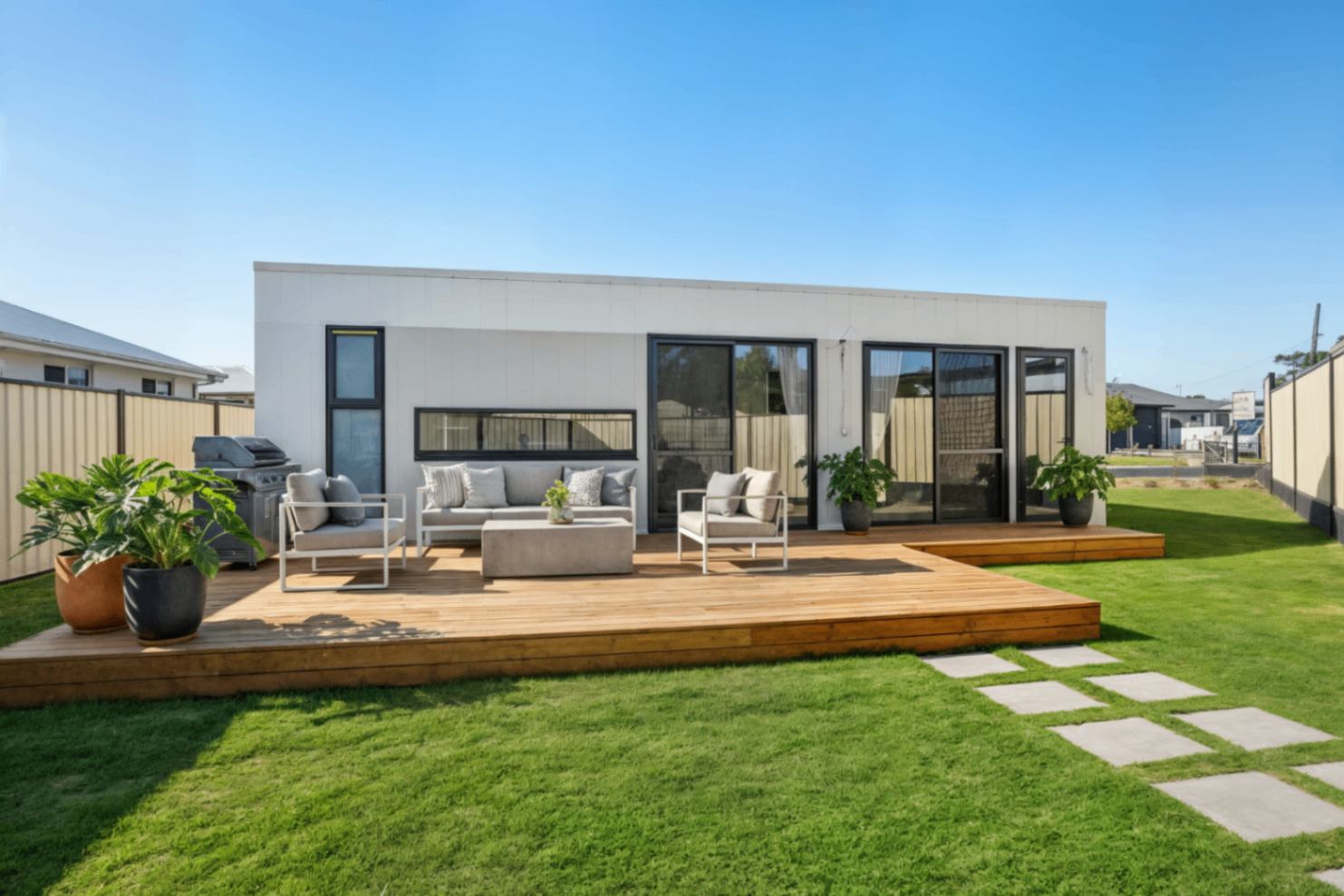
EcoHub designs every home with solar integration in mind. Our roof structures accommodate panel mounting without compromising waterproofing or structural integrity. Electrical rough-ins are pre-planned during the factory build, meaning installation is straightforward once your home's on-site.
The Australian climate makes solar a no-brainer. With abundant sunshine across most regions, even modest 6kW systems generate substantial power. Feed-in tariffs vary by state, but the value proposition remains strong: lower bills, reduced grid dependence, and compliance with energy standards.
The Long-Term Savings Nobody Talks About
Here's the part that matters to your wallet.
Energy-efficient homes meeting NCC 2022 standards use 30-50% less energy for heating and cooling compared to older builds. Over a 25-year mortgage, that translates to tens of thousands of dollars saved. Factor in rising electricity costs: historically increasing 3-5% annually: and the savings compound aggressively.
Double-glazed windows last 20+ years with minimal maintenance. Quality insulation lasts the lifetime of your home. Solar panels carry 25-year performance warranties. These aren't short-term fixes; they're infrastructure investments that pay dividends year after year.
Resale value matters too. As energy costs climb and environmental awareness grows, buyers increasingly prioritise efficient homes. Properties with strong energy ratings command premium prices and sell faster. Your compliance with NCC 2022 isn't just regulatory box-ticking: it's a market differentiator.
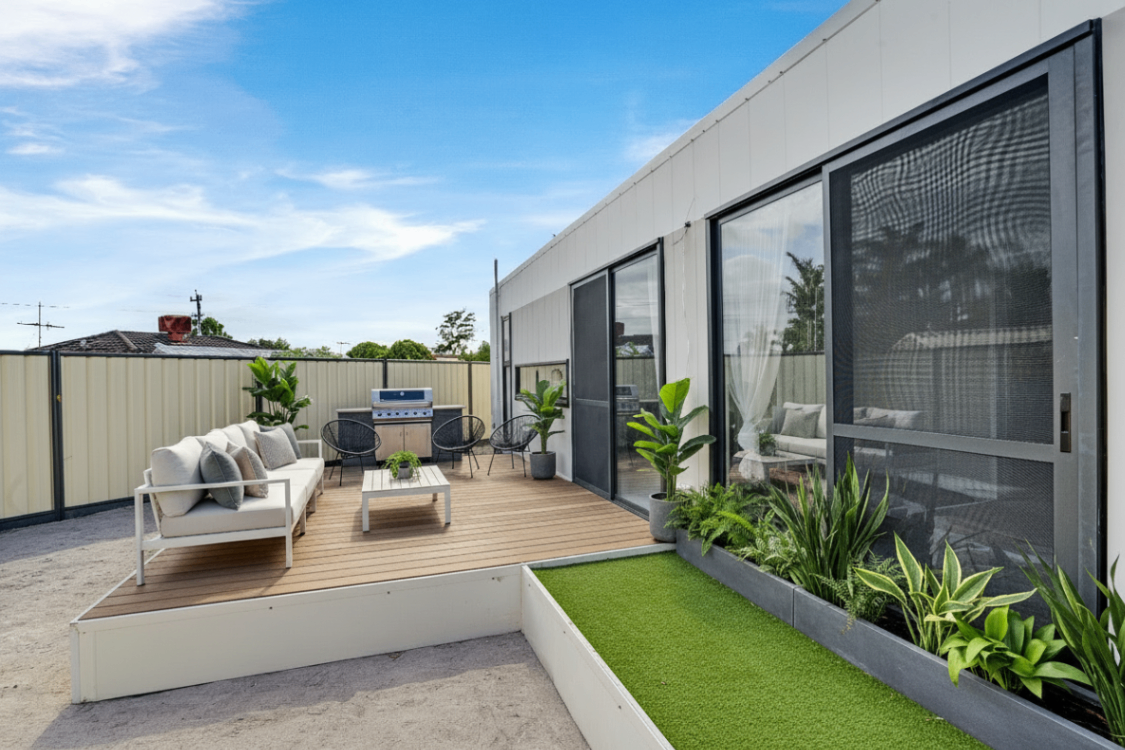
How EcoHub Beats the Aussie Heat with Sustainable Materials
Australian summers are brutal. The Aussie heat isn't just uncomfortable: it's expensive when your air conditioner runs non-stop from November through March.
EcoHub's approach combines thermal mass, reflective roofing, and strategic shading. Our sustainable materials include:
- High-albedo roofing: Reflects solar radiation rather than absorbing it, keeping roof spaces cooler
- Thermal mass flooring: Concrete slabs and dense materials absorb heat during the day and release it slowly at night, naturally moderating temperature swings
- Breathable wall systems: Allow moisture vapour transmission while blocking bulk water, preventing mould and maintaining indoor air quality
We also design eave overhangs and window placement to maximise winter sun penetration while shading summer rays. These passive design principles work with your mechanical systems: not against them: to maintain comfort with minimal energy input.
The materials matter beyond performance. We source sustainably harvested timber, low-VOC finishes, and recyclable components wherever possible. Meeting NCC 2022 standards doesn't mean sacrificing environmental responsibility: it demands it.
What Happens If You Don't Comply?
Blunt answer: you don't get approval to build.
NCC 2022 is legally mandated across Australia. Your council won't issue a building permit without documentation proving compliance: either through NatHERS certification or detailed elemental provision calculations. There's no wiggle room here.
Some builders offer "value engineering" that strips out energy-efficient features to hit lower price points. That's a trap. You'll fail compliance checks, delay your build, and ultimately spend more retrofitting systems to meet standards. Choose a builder who designs compliance into the product from the start: not as an afterthought.
Ready to Build Smart?
NCC 2022 raised the bar for good reason. Australian homes need to perform better in our climate, consume less energy, and deliver genuine long-term value to owners.
Prefab construction: done right: meets these standards with precision, consistency, and built-in quality that traditional builds struggle to match. EcoHub's designs exceed minimum requirements because we believe compliance is a starting point, not a finish line.
If you're ready to explore how our homes integrate 7-star performance, solar readiness, and sustainable materials into turnkey packages, reach out. We'll walk you through exactly how your specific build meets NCC 2022: and how much you'll save over the years ahead.