
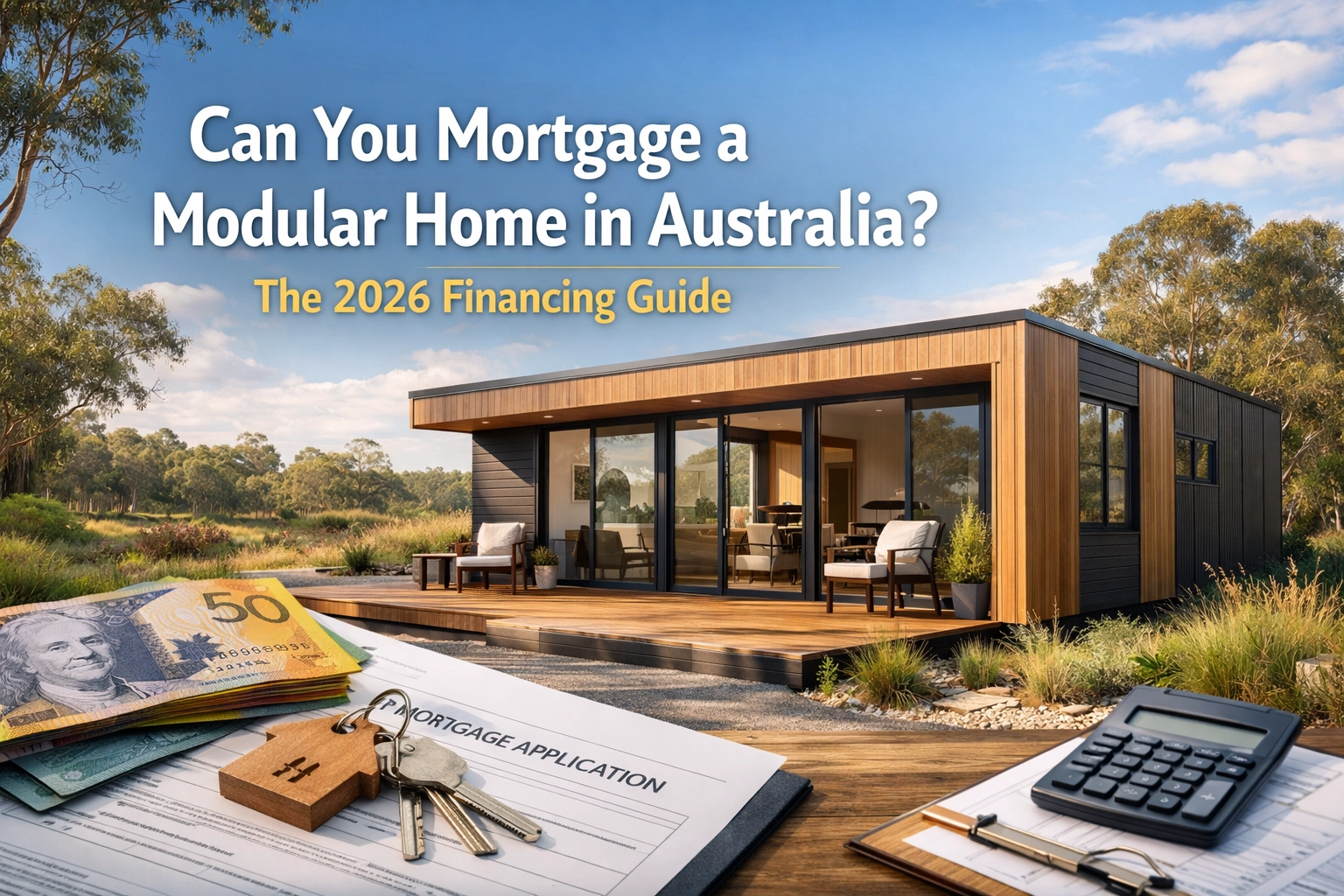
Here's the thing nobody tells you until you're halfway through your modular home journey: traditional banks still treat off-site construction like some kind of experimental science project. You've got detailed plans, a fixed-price contract, and a build timeline that makes traditional construction look glacial: but the bank wants to see dirt being moved and frames going up before they'll release funds.
It's backwards. And it's been the single biggest barrier for Australians wanting to go modular.
The good news? The financing landscape shifted dramatically in 2025, and we've built something even better for our clients. Let's break down exactly how modular home financing works in 2026: and why EcoHub's approach removes the biggest headache from the equation.
Why Traditional Banks Get Nervous About Modular
Most Australian lenders built their construction loan playbooks around traditional stick-built homes. They're used to conducting site inspections at specific milestones: slab poured, frame up, roof on, lockup stage. Each inspection triggers a progress payment.
But with modular? Your home is being precision-built in a climate-controlled factory while your site is being prepared. The bank can't exactly rock up to inspect a wall frame that's sitting in Port Kembla while your land is in Busselton. The traditional inspection-and-payment model breaks down.
This mismatch created real problems:
- Banks offering only 5-10% of build costs upfront
- Buyers forced to self-fund most of the construction from savings
- Progress payments that didn't align with manufacturer payment schedules
- Endless explanations about why your home wasn't "visible" yet
Commonwealth Bank deserves credit for recognising this gap. In late 2025, they adjusted policies to offer up to 80% financing for approved modular manufacturers: a genuine game-changer for the industry. But even with these improvements, you're still navigating bank policies designed for a different construction method.
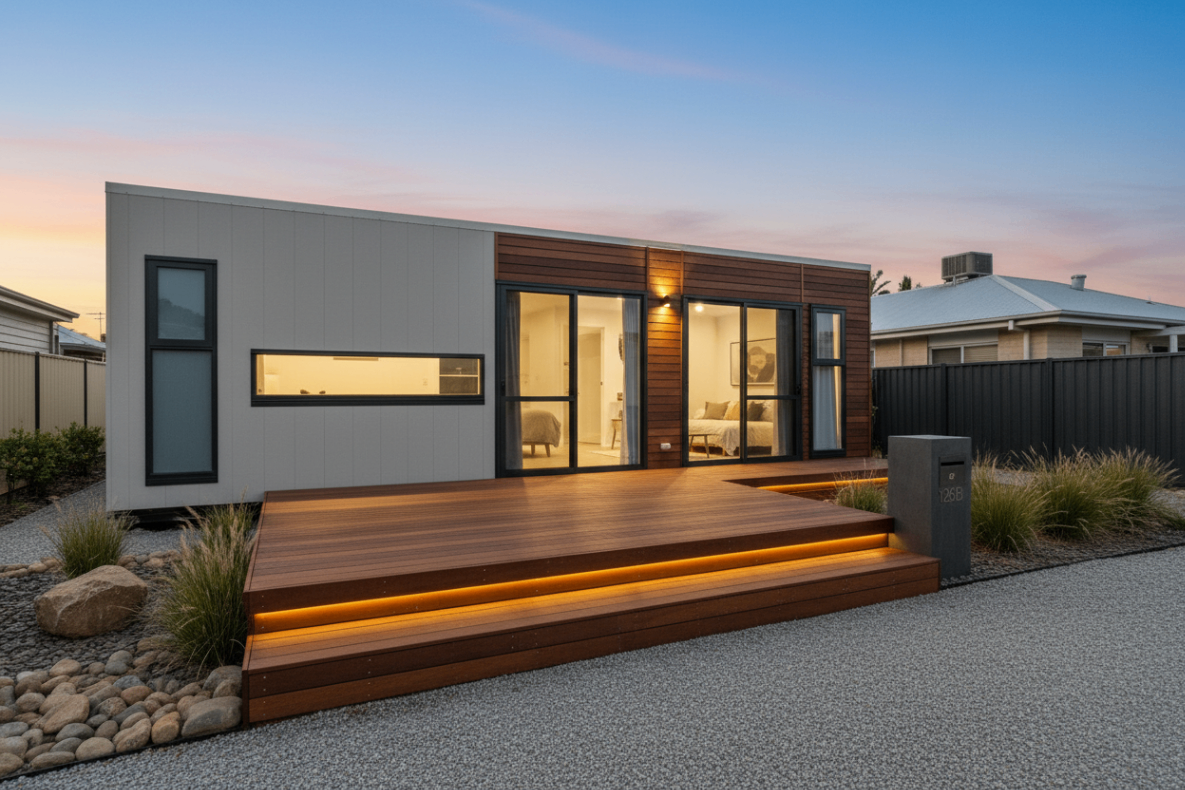
The EcoHub Finance Pathway: Built for Modular
This is where we've taken a different approach. We don't just build modular homes: we've partnered with lenders who actually understand how modular construction works.
The EcoHub Finance Pathway connects you with finance specialists who get it. They understand that your home being built in a factory doesn't make it less real, less valuable, or more risky. They've structured their processes around modular timelines, not traditional construction schedules.
What this means practically:
Progress payments aligned with manufacturing stages. Instead of fighting to explain why your walls are in a warehouse, payments are tied to actual milestones: module completion, transport, installation, connection. The finance flows in sync with how we actually build.
Higher initial access to funds. Because these lenders understand the controlled factory environment reduces risk compared to weather-dependent site builds, they're comfortable releasing more funds earlier in the process. Less burden on your savings, more flexibility in timing.
One coordinated conversation. Rather than you bouncing between your builder and your bank trying to translate two different languages, we facilitate the connection. Our team has worked with these lenders on dozens of projects. They know our build schedule, our quality controls, our track record.
The pathway doesn't eliminate your responsibility to qualify for finance: you'll still need solid income, a reasonable deposit, and acceptable credit history. What it eliminates is the exhausting education process and the misalignment between construction reality and lending policy.
How the Process Actually Works
Let's walk through a typical financing journey with EcoHub:
Initial Consultation: You talk to our team about your project: site, design, timeline. We discuss your financial position and connect you with the right finance partner based on your situation. This happens early, usually within your first few conversations with us.
Pre-Approval: The finance partner assesses your capacity based on the project scope. They'll want to see your land ownership or contract, understand the total project cost including site prep, and evaluate your deposit. Pre-approval gives you certainty before you commit fully.
Contract and Valuation: Once you've locked in your design and signed with EcoHub, the lender conducts a valuation. Unlike traditional builds where they're guessing at finished value, they're assessing a completed design with fixed specifications. Less ambiguity, faster turnaround.
Progress Payments: This is where the magic happens. As we hit manufacturing milestones, payments release automatically:
- 30% on contract signing
- 30% at module completion
- 30% at installation
- 10% at final handover and compliance
These percentages vary based on your specific finance structure, but the principle remains: payments match how we actually build, not an outdated site inspection schedule.
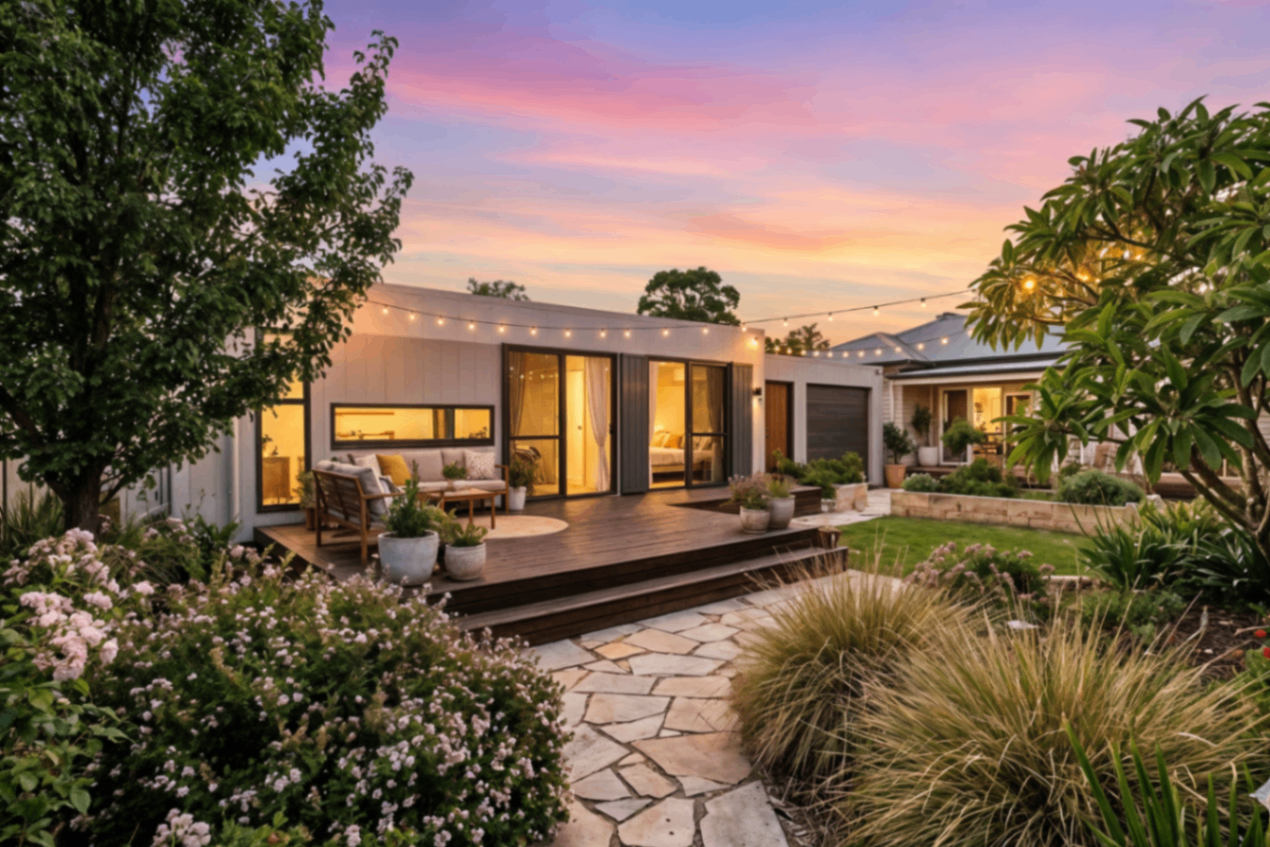
Conversion to Mortgage: Once your home is installed, connected, and certified, the construction facility converts to a standard home loan. Same property, same lender, just a different loan product. No refinancing hassles, no second round of applications.
What You'll Need to Bring
Even with specialist lenders, you're still applying for a substantial loan. Come prepared with:
Deposit: Expect 20% of the total project cost as a baseline. Some scenarios allow less with LMI, but 20% is your safe target.
Land Documentation: Clear title or a land contract. If you're buying land and building simultaneously, this gets packaged together.
Income Verification: Standard employment or business income documents. Self-employed borrowers face the same verification as any home loan.
Credit History: A clean credit file helps enormously. If you've got some bumps, be upfront early: there are solutions for less-than-perfect credit, but they take longer to arrange.
The EcoHub team helps you compile the builder-specific documentation: detailed plans, engineering specifications, energy ratings, council approvals. We know exactly what the lenders need because we provide it regularly.
Addressing the Elephant in the Room
"Will this cost me more in interest?"
It's the question everyone thinks but hesitates to ask. The honest answer: it depends on your overall financial profile, not the fact you're building modular.
Specialist construction lenders aren't automatically more expensive: they're just more experienced with this build method. Your interest rate gets determined by the same factors as any home loan: your deposit size, income stability, credit history, and the lender's assessment of the completed property value.
In many cases, clients end up with comparable or better rates because the reduced construction timeline means less time in the higher-rate construction phase. A traditional build at 6-12 months of construction loan interest versus our 10-16 week timeline? The math works in your favour.
We don't provide financial advice: that's your finance partner's role: but we can tell you that clients consistently report the process being smoother than they expected based on horror stories they'd heard about modular financing.
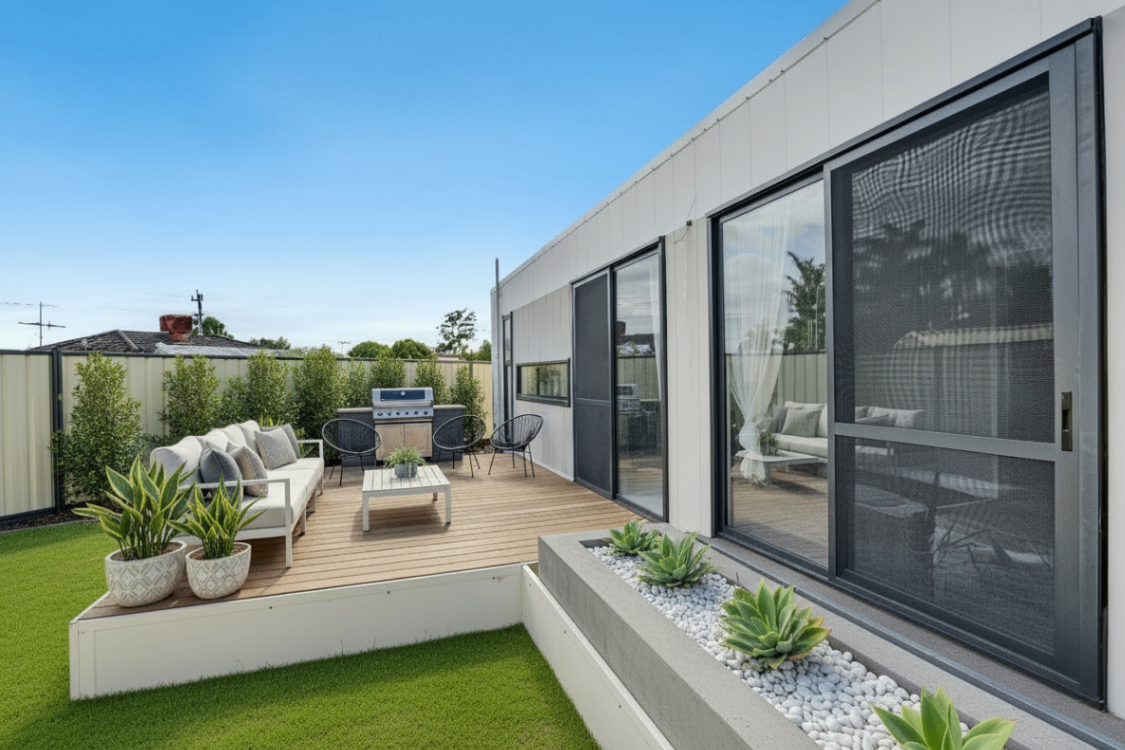
The Bigger Picture: Why This Matters
Australia needs 1.2 million new homes by mid-2029. Traditional construction can't hit that target: not with current labour constraints, weather delays, and supply chain fragility. Modular manufacturing is part of the solution, but only if Australians can actually finance these homes without heroic effort.
The EcoHub Finance Pathway exists because we saw this bottleneck throttling an otherwise superior construction method. We could build incredible homes in record time, but buyers were getting stuck in financing limbo designed for a different era.
By 2026, financing modular homes has shifted from "complicated but possible" to "straightforward with the right partners." That's not marketing speak: it's reflected in our project numbers. We're completing more builds with less financing friction than at any point in our company's history.
Your Next Move
If you've been holding back on modular because you assumed financing would be an impossible maze: the landscape has changed. Significantly.
Start with a conversation. We'll walk you through your specific situation, connect you with the right finance partner, and map out a realistic timeline. No pressure, no obligation: just clarity on whether modular construction and the financing pathway make sense for your goals.
The deposit you thought you'd need might be smaller. The approval timeline might be faster. The entire process might be less intimidating than you've built it up to be in your head.
Get in touch with our team and let's figure out what's actually possible for your situation. Because at this point, the financing probably isn't your real barrier: it's just the excuse you've been using while you decide if you're ready to build.