
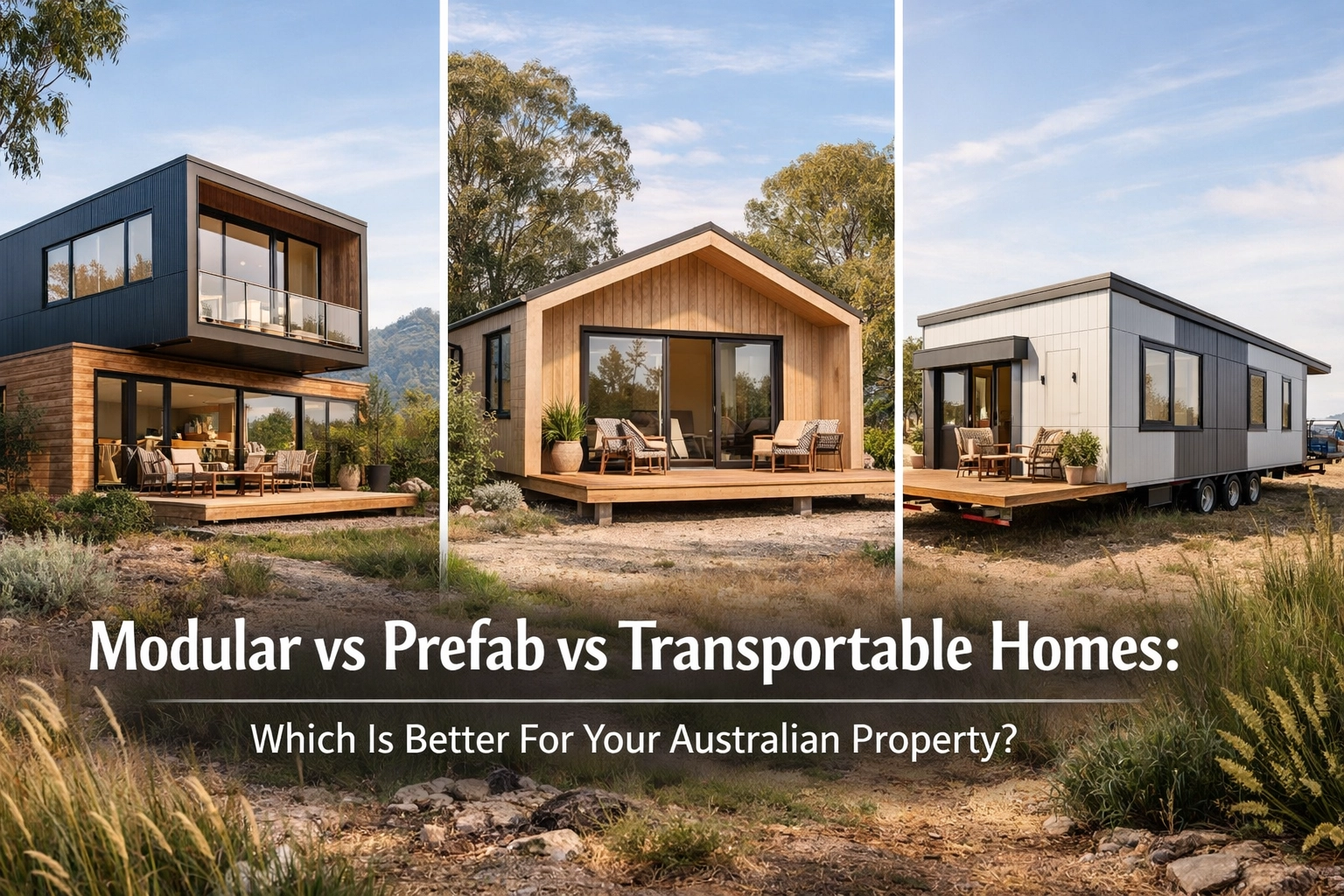
You've been researching alternative building methods for your Australian property, and suddenly you're drowning in jargon. Modular. Prefab. Transportable. Kit homes. Off-site construction. Are these all the same thing? Different things? Does it even matter?
Here's the truth: these terms get thrown around interchangeably, but they're not synonyms, and choosing the wrong option for your needs can cost you tens of thousands of dollars or leave you with a home that doesn't meet proper Australian building standards.
Let's cut through the confusion and break down exactly what each term means, how they differ, and which one actually makes sense for your property.
What Each Term Actually Means
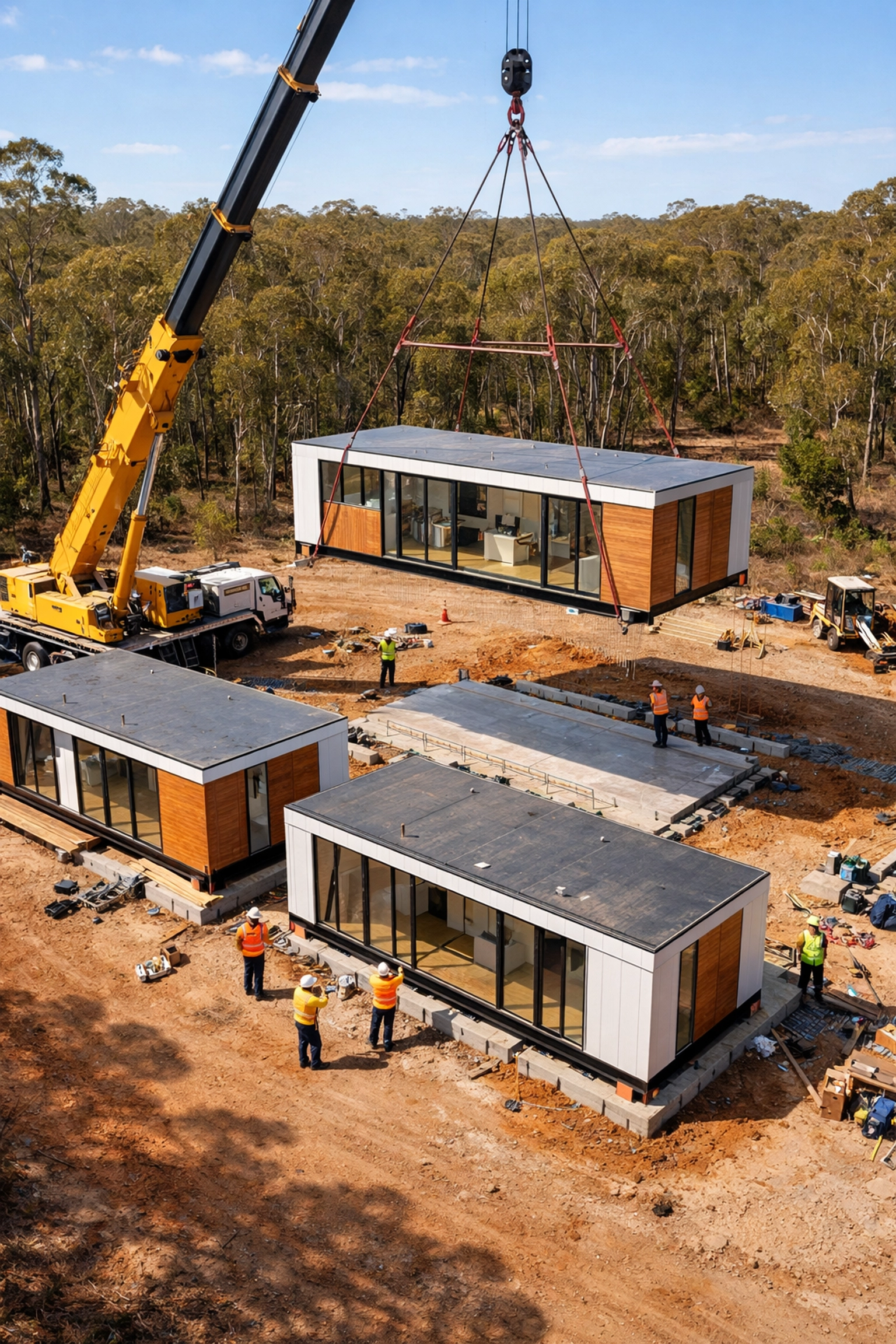
Modular homes are built in factory-constructed sections (called modules), typically 90% complete before they leave the facility. These modules are transported to your site and assembled into one cohesive, permanent structure. Think of it like building with massive LEGO blocks, each section arrives nearly finished with plumbing, electrical, insulation, windows, and even cabinetry already installed.
Prefab homes is the umbrella term. It literally means "prefabricated", built off-site in a factory rather than stick-built on your land. Modular homes are actually a type of prefab home, along with panel-built homes and kit homes. It's a broad category, not a specific construction method.
Transportable homes refer to structures designed to be moved, either once or multiple times. Some are built to full residential standards, others aren't. The key distinction? Transportability is the priority, which often means compromises in design, materials, or longevity.
Here's where it gets tricky: a modular home can technically be transportable, but a transportable home isn't always modular. Confused yet?
The Key Differences That Actually Matter
Construction Quality and Building Standards
Modular homes built to Australian standards must comply with the National Construction Code (NCC), the same rigorous requirements as traditional site-built homes. They undergo inspections at multiple stages during factory construction, often resulting in tighter quality control than homes built entirely on-site and exposed to weather.
Transportable homes? Not always. Many cheaper transportables are built to caravan or relocatable building standards, which are significantly lower than residential standards. They might be fine for temporary accommodation or a site office, but they're not designed for permanent, comfortable living.
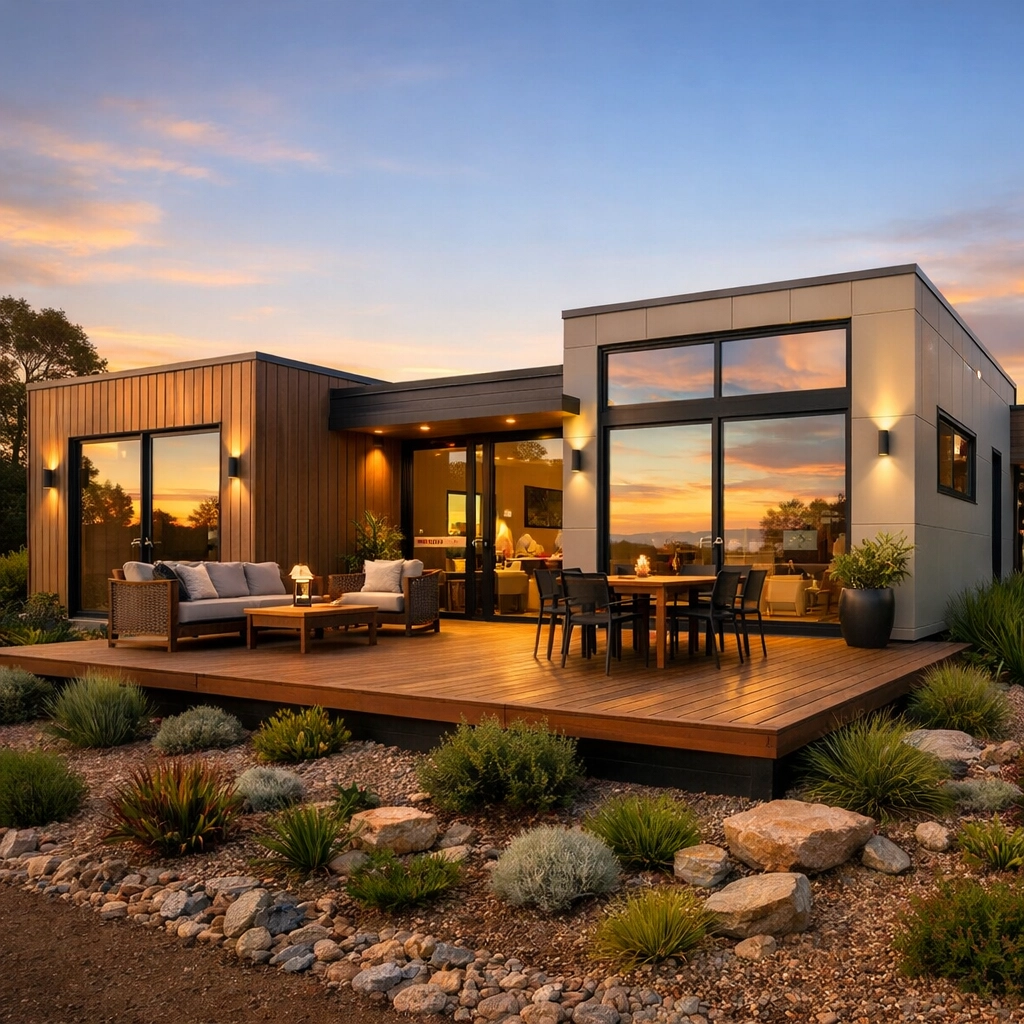
EcoHub modular homes meet full NCC compliance. That means proper foundations, structural engineering for Australian conditions, bushfire ratings where required, and energy efficiency standards. You're getting a real home, not a glorified caravan. If you want to see what “NCC-compliant modular” looks like in practice, explore our modular home range.
Customisation and Design Flexibility
Modular homes offer substantial customisation within their structural framework. You can modify layouts, choose finishes, adjust configurations, and create diverse floor plans by combining modules in different arrangements. Want to compare layouts side-by-side? Browse our current floor plans and models.
Prefab homes (the broader category) range from highly customisable modular builds to rigid kit homes where you're basically choosing from Package A, B, or C. Transportable homes typically offer the least flexibility, they're designed for easy movement, which limits structural complexity and customisation options.
Speed of Construction
Modular homes are the fastest option for getting from decision to move-in. Because modules arrive 90% complete, on-site assembly typically takes just weeks rather than months. Weather delays are minimal, the bulk of construction happens in a controlled factory environment.
Prefab homes vary widely. Panel-built homes require more on-site assembly than modular. Kit homes can take months of on-site work, essentially eliminating the speed advantage of off-site construction.
Transportable homes might seem fast since they arrive "complete," but site preparation, connection of services, and council approvals can stretch timelines significantly, especially if the home doesn't meet local building standards.
Cost Considerations
This is where things get interesting. Transportable homes often advertise the lowest upfront prices, but those numbers rarely include crucial costs: transport, crane hire, site preparation, connection of services, council fees, and modifications needed to meet local standards.
Prefab homes (broadly speaking) can be cost-effective due to factory efficiencies, but again, watch for exclusions in quotes. What looks like a bargain can balloon once you add everything actually required for a liveable home.
Modular homes typically cost more upfront than basic transportables, but they include everything a permanent, high-quality home requires. You're paying for NCC compliance, proper engineering, quality materials, and a home that will last decades. When you compare apples to apples, a legal, permanent, comfortable dwelling, modular often delivers better value.
Transport costs exist for all three options, but modular homes require specialised logistics for larger modules, which can add to expenses depending on your location.
Energy Efficiency and Comfort
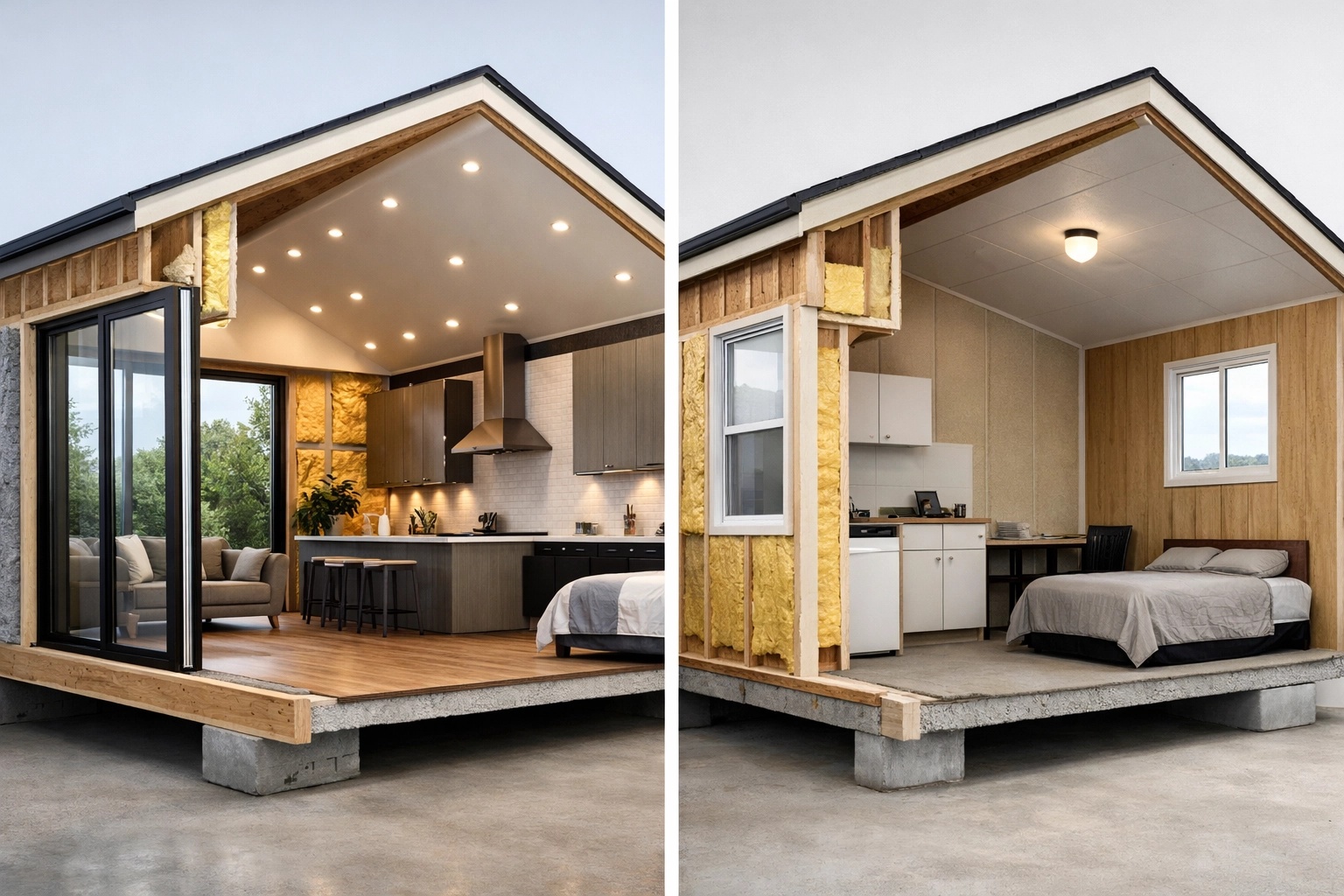
Modular homes excel here. Precision factory construction means tighter seals, better insulation installation, and reduced air leakage, all crucial for Australian climates. EcoHub homes come standard with full-height double-glazed windows, 2600mm high ceilings, R4.8 ceiling insulation, and wall insulation designed for energy efficiency. For a clear snapshot of standard inclusions across the range, start with our EcoHub modular home designs.
These aren't optional extras. They're built into every module because factory construction allows consistent implementation of energy-efficient features that are harder to achieve (and more expensive) on traditional building sites.
Many transportable homes use single-glazed windows, minimal insulation, and lower ceilings to reduce weight and cost. You'll feel the difference every time you open your power bill.
So Which Should You Choose?
Choose modular homes if:
- You want a permanent, high-quality home on your property
- Speed matters, you need move-in-ready in months, not a year-plus
- Energy efficiency and comfort are priorities
- You need council approval and full NCC compliance
- You value quality control and warranty protection
- Your property is vacant land or you're building a granny flat for rental income
Choose standard prefab (non-modular) if:
- You're comfortable with more hands-on involvement in the build process
- You've found a specific kit home design you love
- You have time for longer on-site construction
- Budget is extremely tight and you're willing to sacrifice some features
Choose transportable homes if:
- You genuinely need temporary accommodation
- You're looking for a site office or workers' accommodation
- You plan to relocate the structure in the future
- You understand you're not getting a permanent residential-standard home
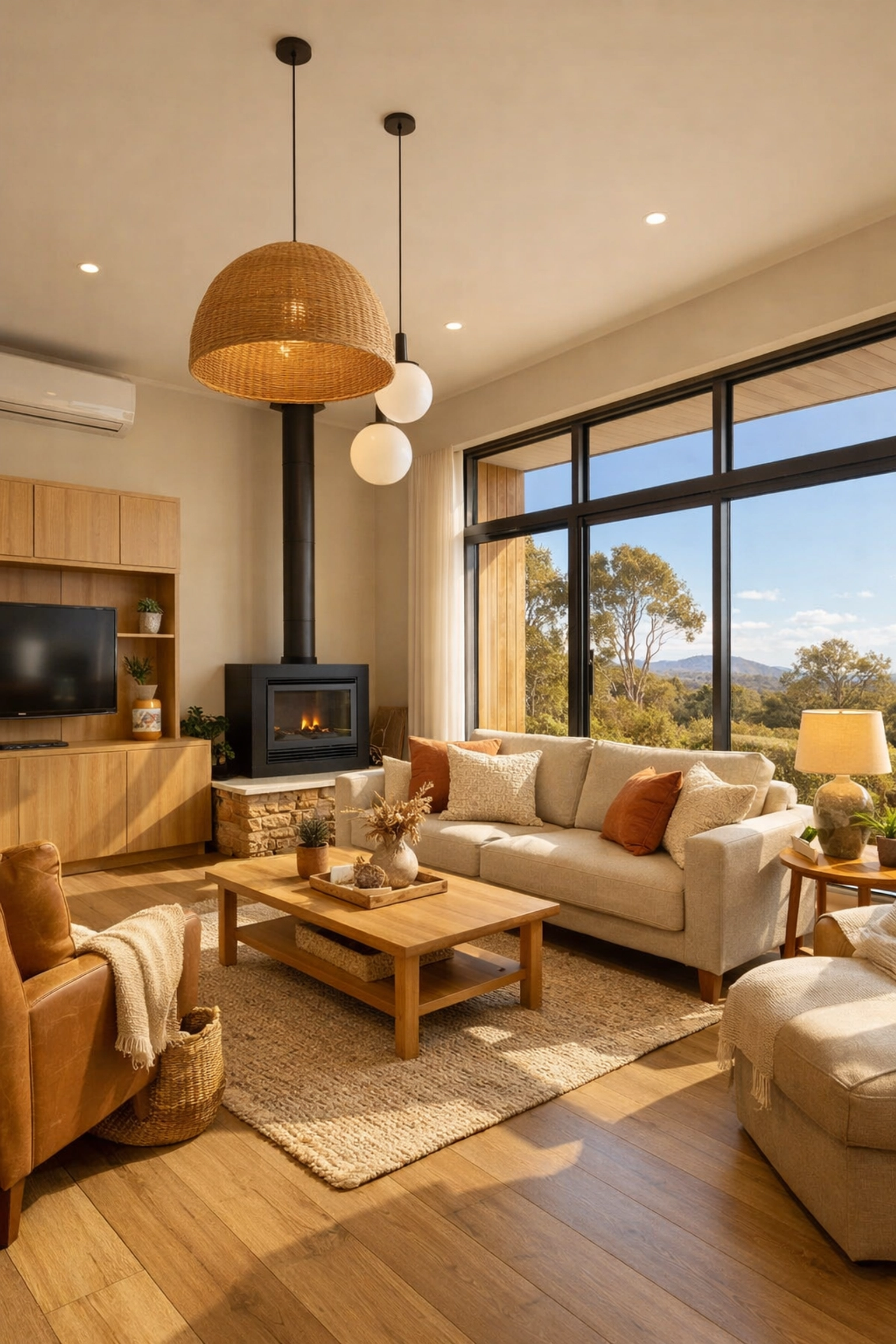
For most Australian property owners looking to add a genuine, permanent dwelling, whether it's a main residence, granny flat, or investment property, modular homes offer the best combination of quality, speed, compliance, and long-term value.
Why EcoHub Modular Homes Stand Out
We're not just building boxes and trucking them to your site. Every EcoHub modular home is engineered specifically for Australian conditions, built to NCC standards, and designed with features that cheap transportables and basic prefabs simply don't offer:
Full-height double-glazed windows (2400mm) throughout, not small caravan-style openings. These aren't just for aesthetics; they flood your home with natural light while providing superior thermal and acoustic insulation.
2600mm high ceilings as standard. This single feature transforms how a home feels. You're not living in a cramped box; you're in a spacious, comfortable dwelling that rivals traditional homes.
Steel frame construction engineered for Australian conditions, bushfire zones, cyclone regions, termite areas. We're building for permanence and resilience.
Comprehensive insulation including R4.8 in ceilings and proper wall insulation. Your heating and cooling costs will thank you.
Turnkey installation, we handle everything from factory to your finished home, including site preparation coordination, crane lifts, and connection of services.
Our homes are modular, yes: but they're also fully compliant, permanently fixed, and built to last decades, not years.
The Bottom Line
The "modular vs prefab vs transportable" question isn't really about picking a label: it's about understanding what you're actually getting.
If you want a temporary structure or workers' accommodation, a basic transportable might suit your needs.
If you want a permanent home that meets Australian building standards, delivers energy efficiency, and assembles quickly on your property, modular construction is the clear winner.
And if you're specifically looking at modular options in Australia, make sure you're comparing homes built to NCC standards with proper engineering, quality materials, and genuine warranties: not just the cheapest price per square metre.
Ready to see exactly what a quality modular home looks like for your Australian property?
- Explore our modular home designs and floor plans—one, two, and three-bedroom options with premium finishes as standard.
- Or reach out for a tailored site-and-budget chat via our contact page.
We’ll map out the smartest path for your block—design, approvals, delivery, and install—so you get clarity on costs, timelines, and inclusions from day one. No surprises. No fine print.