
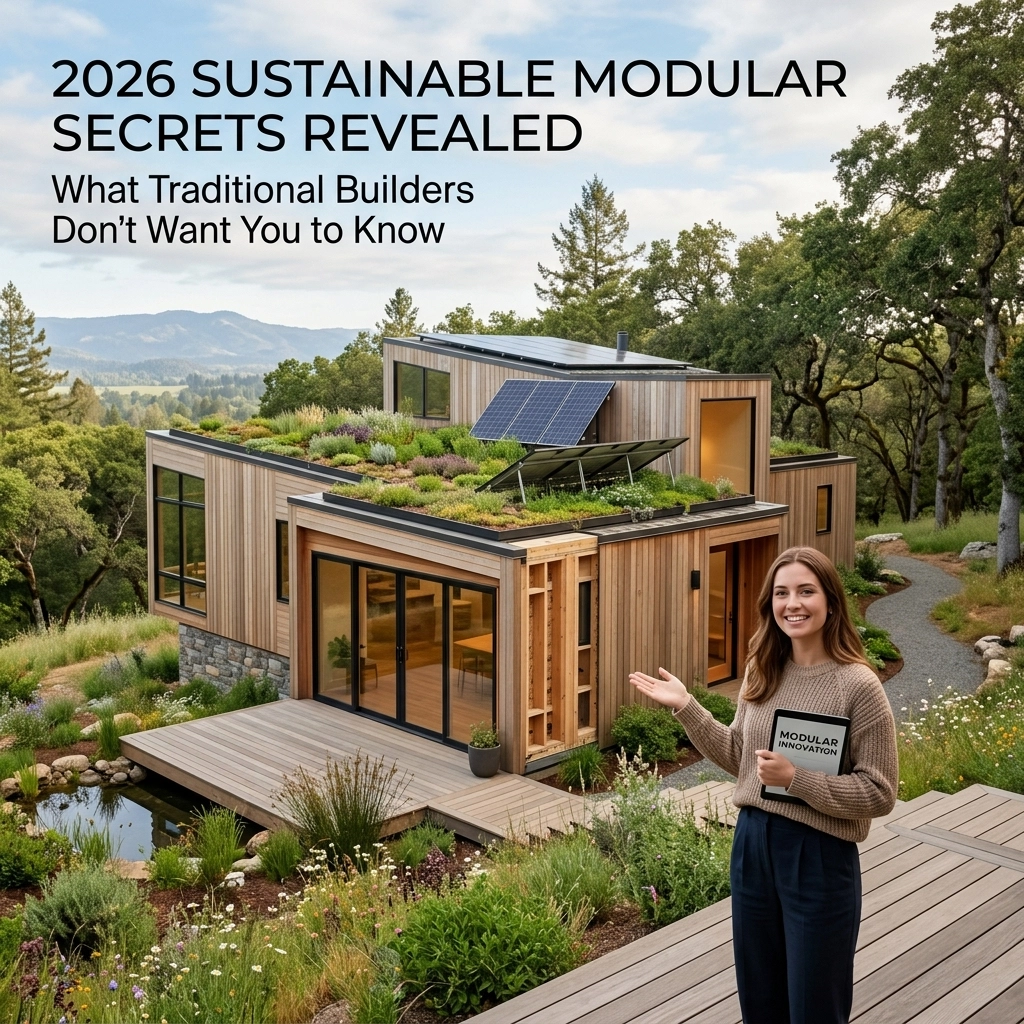
It’s Monday, 30th of March 2026, and if you’ve tried to get a quote from a traditional builder lately, you’ve probably heard the same old story. "Materials are up," "Labor is scarce," and "We might be able to start your slab in twelve months."
While the traditional construction industry is still trying to figure out how to navigate the post-2025 supply chain hurdles, a quiet revolution has already taken over the Australian housing market. At EcoHub Homes, we’ve been watching this shift for years, and now that we’re well into 2026, the cat is officially out of the bag.
The secret? Sustainable modular housing isn't just a "fast alternative" anymore. It is the superior way to build.
If you’re a property owner looking for a granny flat or an investor hunting for a high-yield asset, there are a few things traditional builders are desperately hoping you don’t find out. Today, we’re pulling back the curtain on the modular secrets that are defining 2026.
Secret #1: The "Weather Delay" is a Profit Strategy
In traditional construction, weather delays are a convenient excuse for budget blowouts and timeline extensions. If it rains for a week in Perth, your site sits idle. Your timber gets wet, your brickies move to another job, and your "provisional sums" start to creep up.
In 2026, the smart money has moved indoors. Our modular homes are built in a 100% climate-controlled environment. While the storm clouds are rolling over the coast, our team is installing premium finishes and precision-engineered steel frames in a dry, high-tech facility.
Because we build in a factory, we eliminate 90% of the variables that traditional builders use to justify price hikes. This isn't just about speed: though being 30–50% faster is a nice perk: it’s about certainty. When you see our 3-bedroom two-bathroom T-House, the timeline we give you is backed by industrial logic, not a weather forecast.
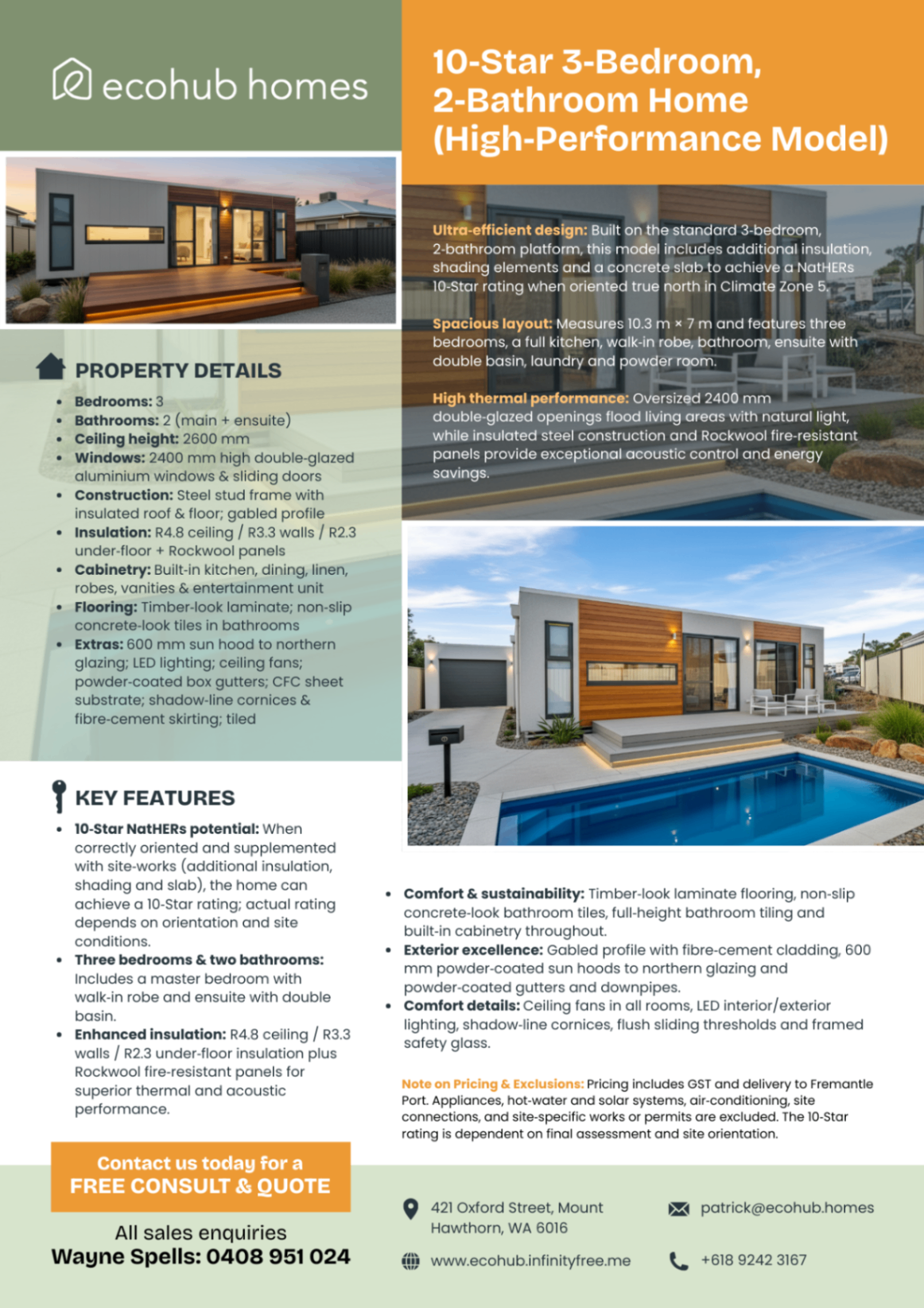
Secret #2: 10-Star Efficiency is Nearly Impossible On-Site
Traditional builds struggle to meet the latest 2026 sustainability standards because sealing a house on a windy, dusty construction site is like trying to wrap a present in a hurricane. Gaps in insulation and poor sealing lead to "thermal bridges" that bleed energy.
The secret traditional builders won't tell you? To hit a genuine 10-Star NatHERS rating on-site, the labor costs would be astronomical.
Modular construction changes the game. Because we build in sections, we have 360-degree access to the structure. We can seal, insulate, and test every module with surgical precision before they ever leave the factory. In 2026, we’re seeing a massive surge in demand for our 10-star three-bedroom two-bathroom home, simply because traditional builds can't compete with the energy savings. We’re talking about homes that practically run themselves, using integrated solar grids and smart-managed cooling systems that respond to the WA heat in real-time.
Secret #3: The "Recycled Material" Quality Gap
For a long time, the old-school builders tried to claim that "recycled" meant "lower quality." In 2026, the opposite is true.
The most advanced building materials on the market right now: recycled steel, bio-based composites, and reclaimed engineered timber: are actually more durable than the raw materials used in the past. At EcoHub Homes, we use high-tensile recycled steel frames that won't warp, twist, or invite termites.
Traditional builders often shy away from these materials because they require specialized training and precision tools that aren't easily moved from site to site. By centralizing our construction, we can use the most sustainable, high-performance materials on earth without the "specialty" price tag.
Secret #4: AI and Smart Sensors are Your New Best Friends
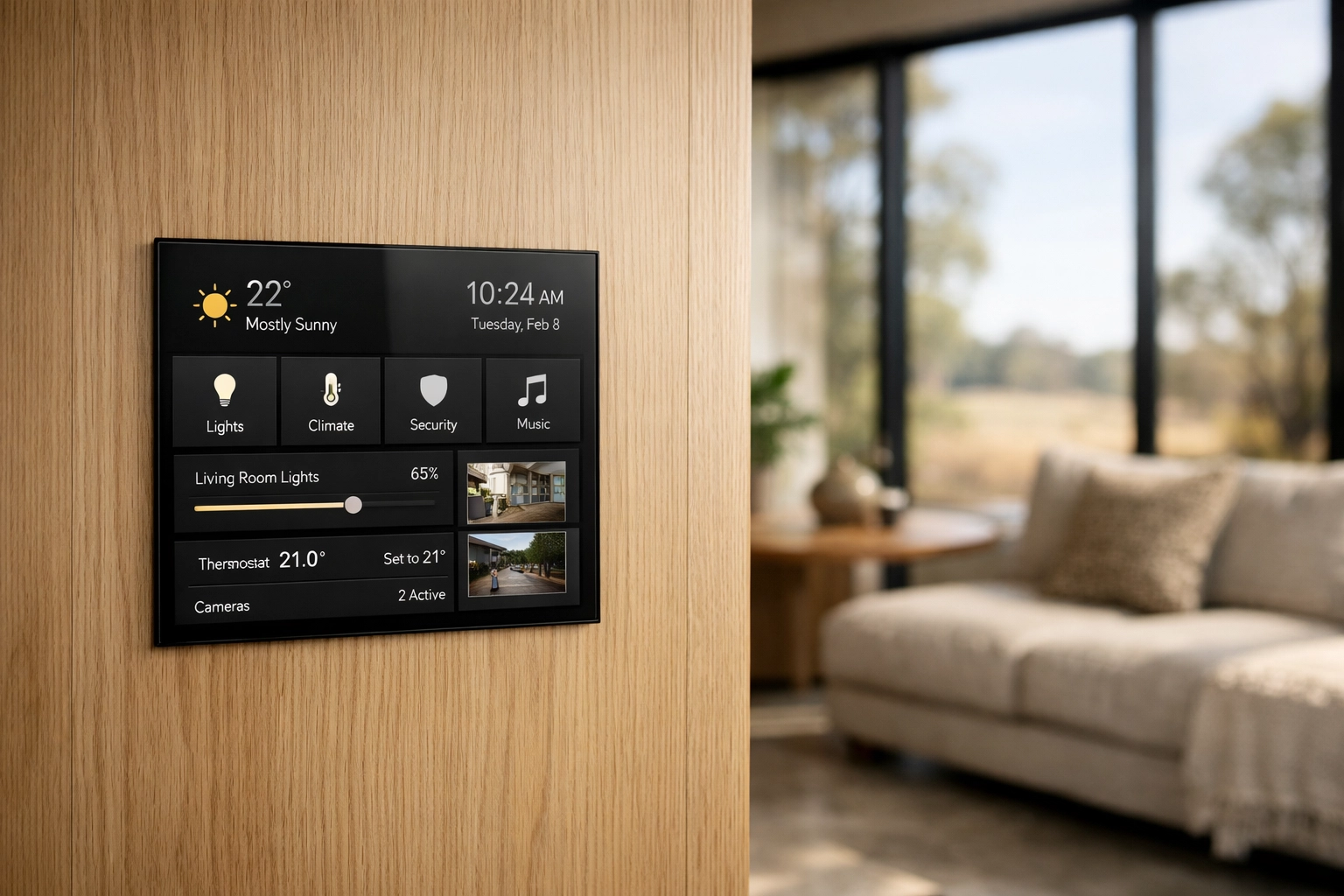
Welcome to the future. In 2026, we’re no longer just building "boxes." We’re building smart organisms. One of the biggest secrets in the industry right now is the use of embedded sensors in the construction process.
While a traditional house is a "dumb" structure until you plug in a Google Home, our modular units can be fitted with integrated sensors that track moisture, temperature strain, and energy loads from day one. This data doesn't just make your life easier; it extends the life of the building.
Imagine a home that alerts you to a minor plumbing leak before it becomes a $20,000 mold problem, or a roof that optimizes its solar intake based on 2026 weather patterns. Traditional builders find this tech difficult to integrate because their "subbie" (sub-contractor) model makes complex wiring and sensor placement a logistical nightmare. In a modular factory? It’s just another Tuesday.
Secret #5: Investors are Using Modular to "Hack" the Rental Market
If you’re an investor, this is the secret you really need to pay attention to. In 2026, the Australian rental market is tighter than ever. The old strategy was to buy a block, wait two years for a build, and hope the market stayed strong.
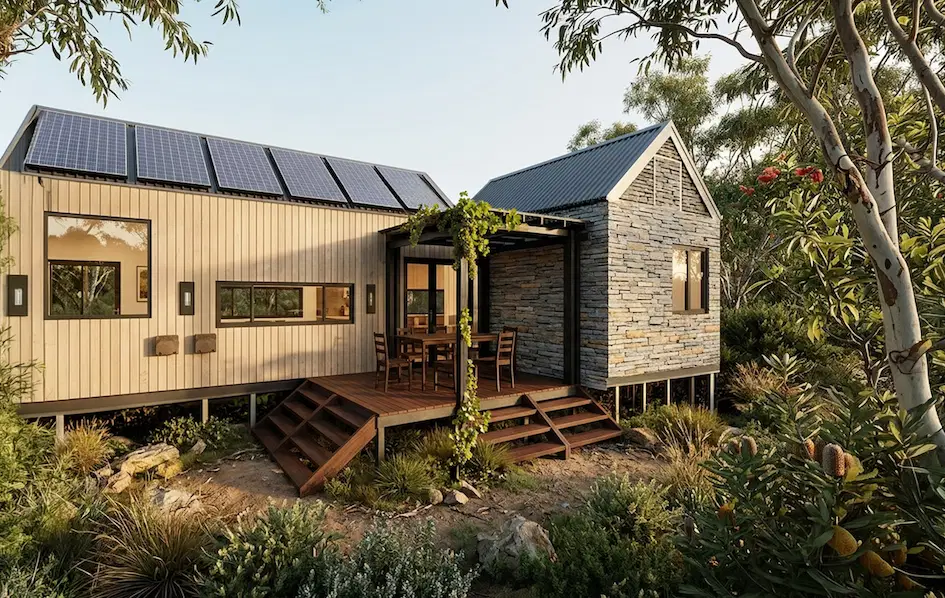
Today, investors are buying land and having a two-bedroom one-bathroom home installed and tenanted in less than three months.
Traditional builders hate this because it highlights just how much "dead time" exists in their business model. By the time a traditional builder has finished the framing, a modular investor is already collecting their third month of rent.
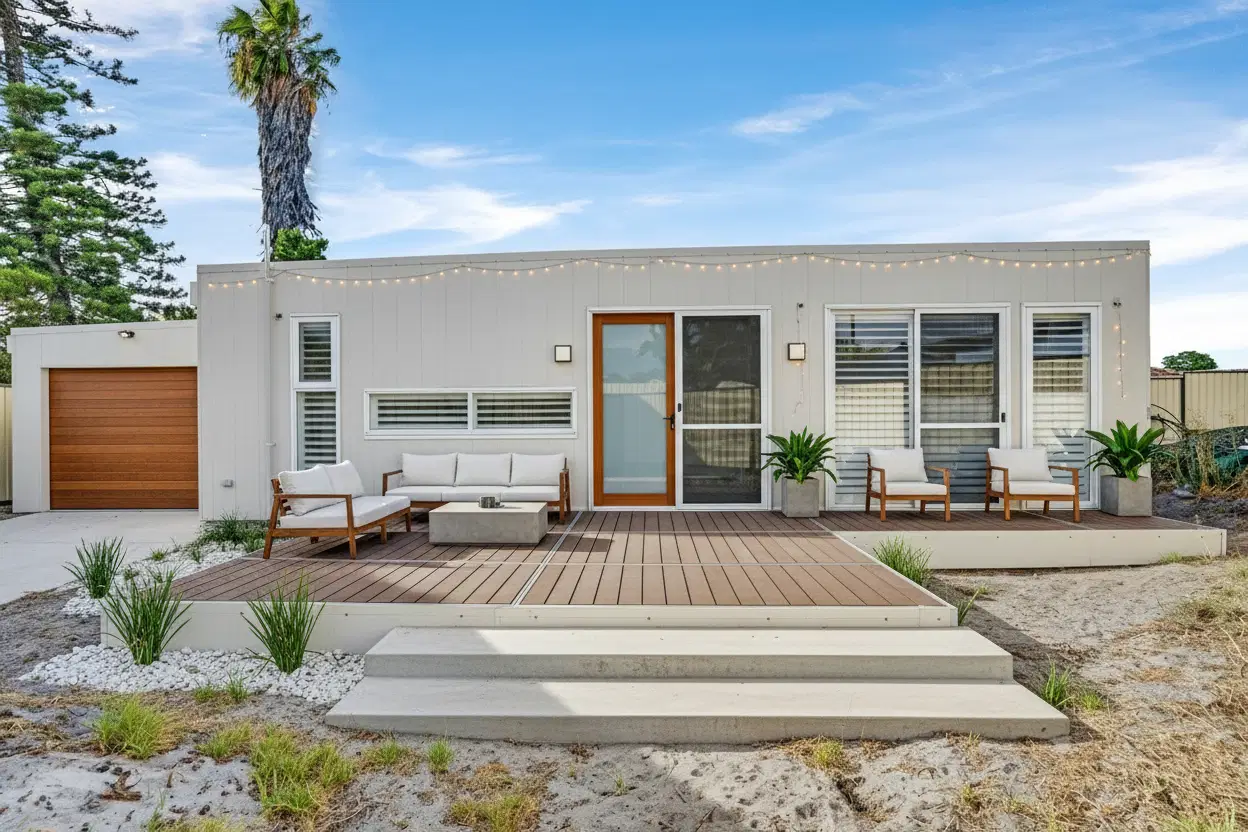
Our homes arrive on-site nearly complete: paint, cabinetry, and full-height bathroom tiling included. We’re seeing a huge trend in property owners using their backyards to create "passive rental retreats." With the right modular design, you can turn an underutilized backyard into a premium, eco-friendly rental that commands top dollar because of its modern finishes and low running costs.
Secret #6: The Circular Economy is Real (and it Saves You Money)
Traditional construction is incredibly wasteful. Go to any suburban build site and you’ll see skip bins full of offcuts, broken bricks, and wasted timber. You, the customer, are paying for that waste.
In 2026, EcoHub Homes operates on a circular economy model. Because we use digital twin technology to map out every cut and every bolt, our waste is near zero. The "secrets" traditional builders keep are the hidden costs of their inefficiency. They bake the price of that wasted timber and those extra skip bins into your quote.
When you choose a modular path, you’re paying for the house, not the landfill. Plus, the modular nature of our builds means that decades from now, components can be upgraded or repurposed rather than demolished. It’s building with the end in mind.
Ready to Stay Ahead of the Game?
The world changed in 2025, and by 2026, the "old way" of building has become a luxury that most of us can't afford: not just in terms of money, but in terms of time and environmental impact.
Whether you're looking for a one-bedroom retreat to escape the city grind, or a full-sized three-bedroom family home that won't cost the earth to run, the secrets are out. Speed, sustainability, and smart tech are no longer optional: they are the new standard.
Don't get stuck in a two-year build queue with a builder who’s still using 20th-century methods. Join us at our next modular seminar to see the tech in action, or if you’re ready to see how a modular build fits onto your specific block, we’re here to help.
The "traditional" guys might not want you to know these secrets, but we do. Because the sooner we all start building smarter, the better off our planet: and your bank account: will be.
Take the first step toward your 2026-ready home. Book a free consultation with the EcoHub Homes team today, and let’s get your project moving( fast.)