
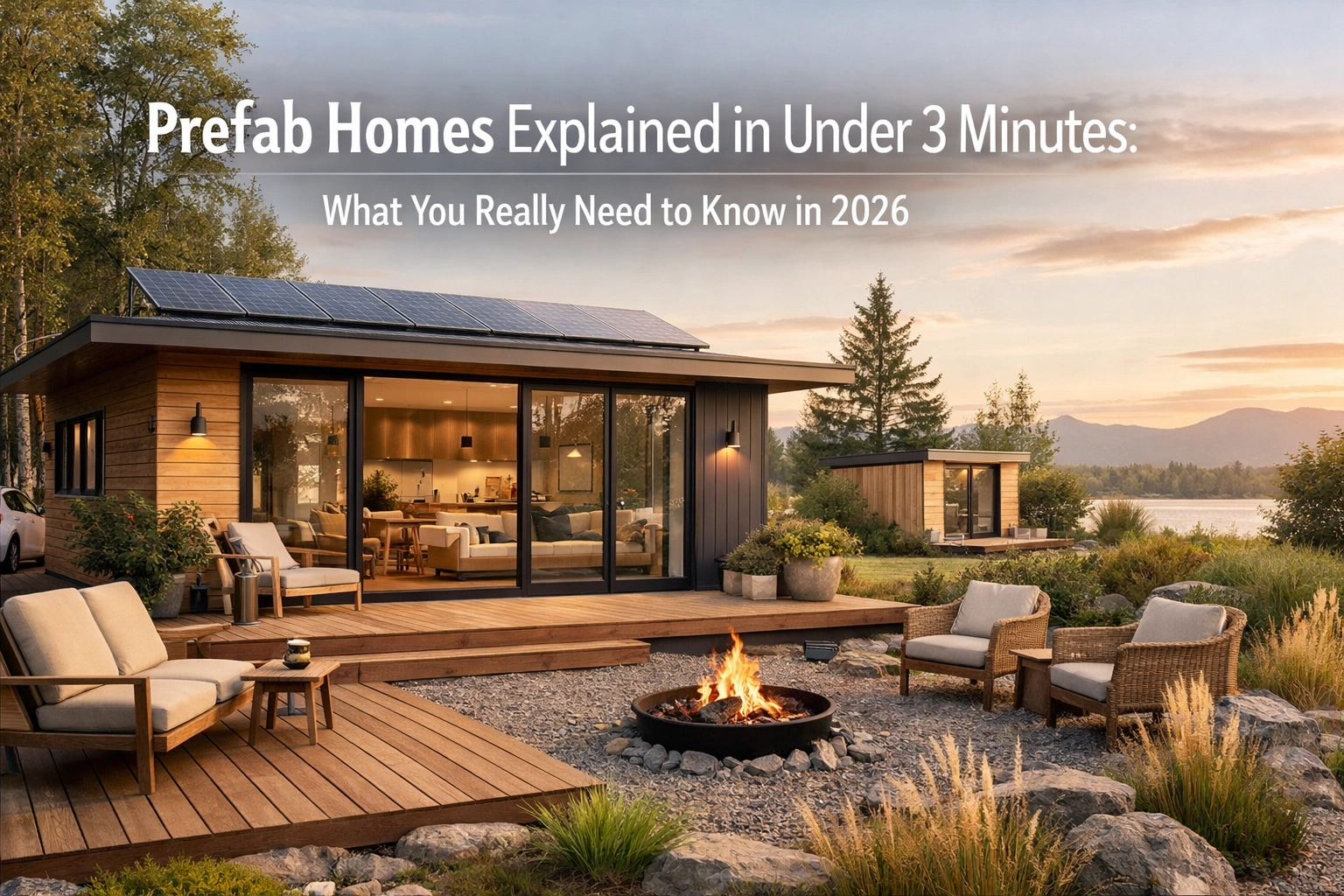
You've heard the term thrown around at barbecues, seen the clickbait headlines, maybe even had a mate suggest it when you mentioned your building nightmares. But what actually is a prefab home, and why is everyone suddenly talking about them in 2026?
Here's the no-fluff breakdown for people who don't have time to wade through construction jargon.
What "Prefab" Actually Means (and Why It's Not What You Think)
Prefab is short for "prefabricated", which sounds like flat-pack furniture, but it's nothing like that IKEA bookshelf gathering dust in your garage.
Modern prefab homes are fully customized houses built in climate-controlled factories in sections, transported to your land, and assembled on permanent concrete foundations. They're bolted down just like traditional builds. Same structural integrity. Same council approvals. Same building codes.
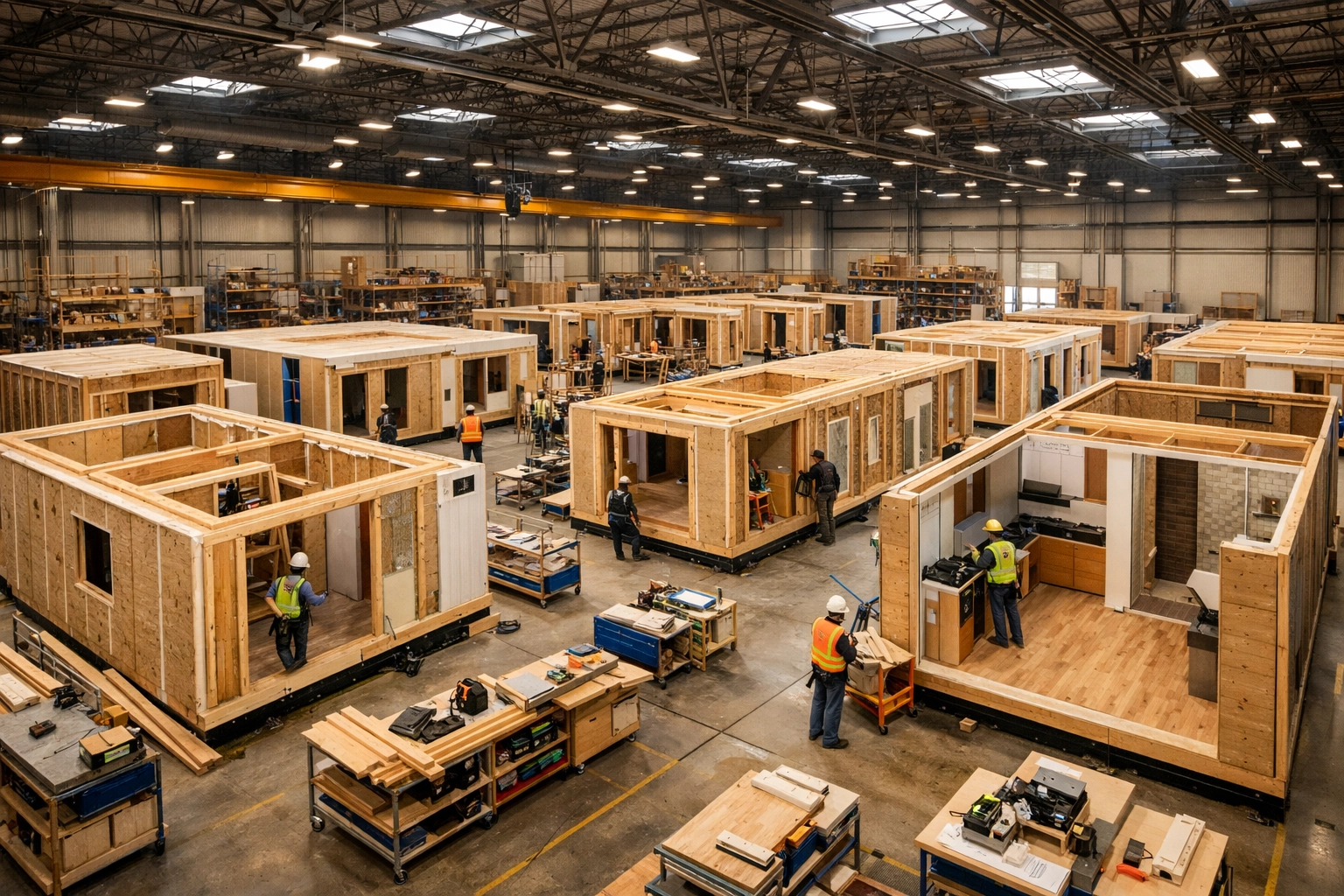
The term "modular" gets thrown around interchangeably with prefab, and for good reason, modular homes are prefab homes. The modules (sections) are constructed indoors, complete with plumbing, electrical, insulation, and finishes. Then they're craned onto your site and connected. It's not a temporary structure or a caravan with delusions of grandeur. It's a proper house, built smarter.
Speed: The Biggest Difference You'll Actually Notice
Traditional build: 12 to 18 months from design to handover.
Prefab build: 3 to 6 months.
That's not marketing spin, that's the reality when you eliminate weather delays, trade bottlenecks, and the endless waiting game that defines on-site construction. While your factory is cranking out walls and roofs in a controlled environment, your builder is simultaneously prepping the site and pouring the foundation. Everything happens at once.
With traditional builds, nothing moves until the slab is poured and cured. Rain? Add two weeks. Tradie no-show? Add another week. Material shortage? Welcome to purgatory.
Prefab flips that script entirely.
Quality Control: Factory Precision vs. On-Site Chaos
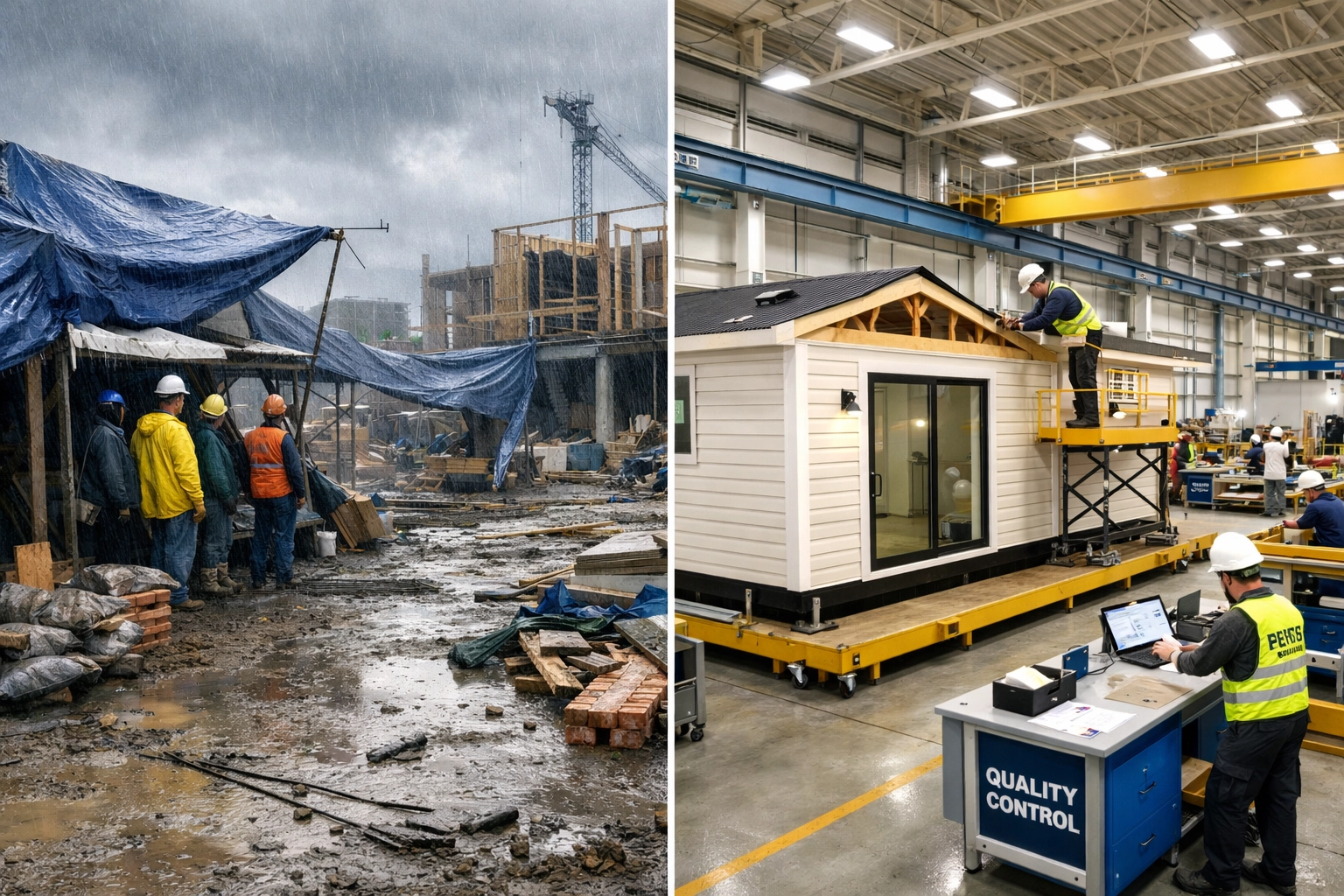
Walk onto any traditional building site and you'll see timber stacked in the weather, tools scattered across muddy ground, and a tarp flapping in the wind over half-finished walls. Now imagine building that same house inside a factory where every cut is measured twice, every fixture is installed to spec, and nothing gets rained on overnight.
That's the prefab advantage.
Factory construction standardizes everything: measurements, materials, processes. There's no "close enough" when a computer-controlled saw is doing the cutting. Quality inspections happen at multiple stages before modules even leave the building. Many components exceed minimum building code standards because factories optimize for efficiency and durability, not just compliance.
The result? Tighter building envelopes, better airtightness, consistent insulation coverage, and fewer callbacks for dodgy workmanship.
Cost Predictability: Fixed Pricing in an Unpredictable Market
Here's what kills most traditional build budgets: time.
Every extra week on site means more money spent on construction loans, rental accommodation while you wait, and the dreaded "variation" charges when something unexpected pops up. Weather delays cost money. Trade shortages cost money. Material price fluctuations cost money.
Prefab projects lock in fixed pricing upfront. The factory knows exactly how long it takes to build your modules, how much material is required, and what the labor costs are. Shorter timelines mean lower carrying costs: you're not bleeding money while waiting for your house to materialize.
And because most of the work happens indoors, weather doesn't derail schedules or damage materials. What you're quoted is what you pay. Refreshing, right?
Sustainability: Less Waste, More Efficiency
Traditional construction sites generate mountains of waste. Offcuts, damaged materials, over-ordering to account for errors: it all ends up in skips.
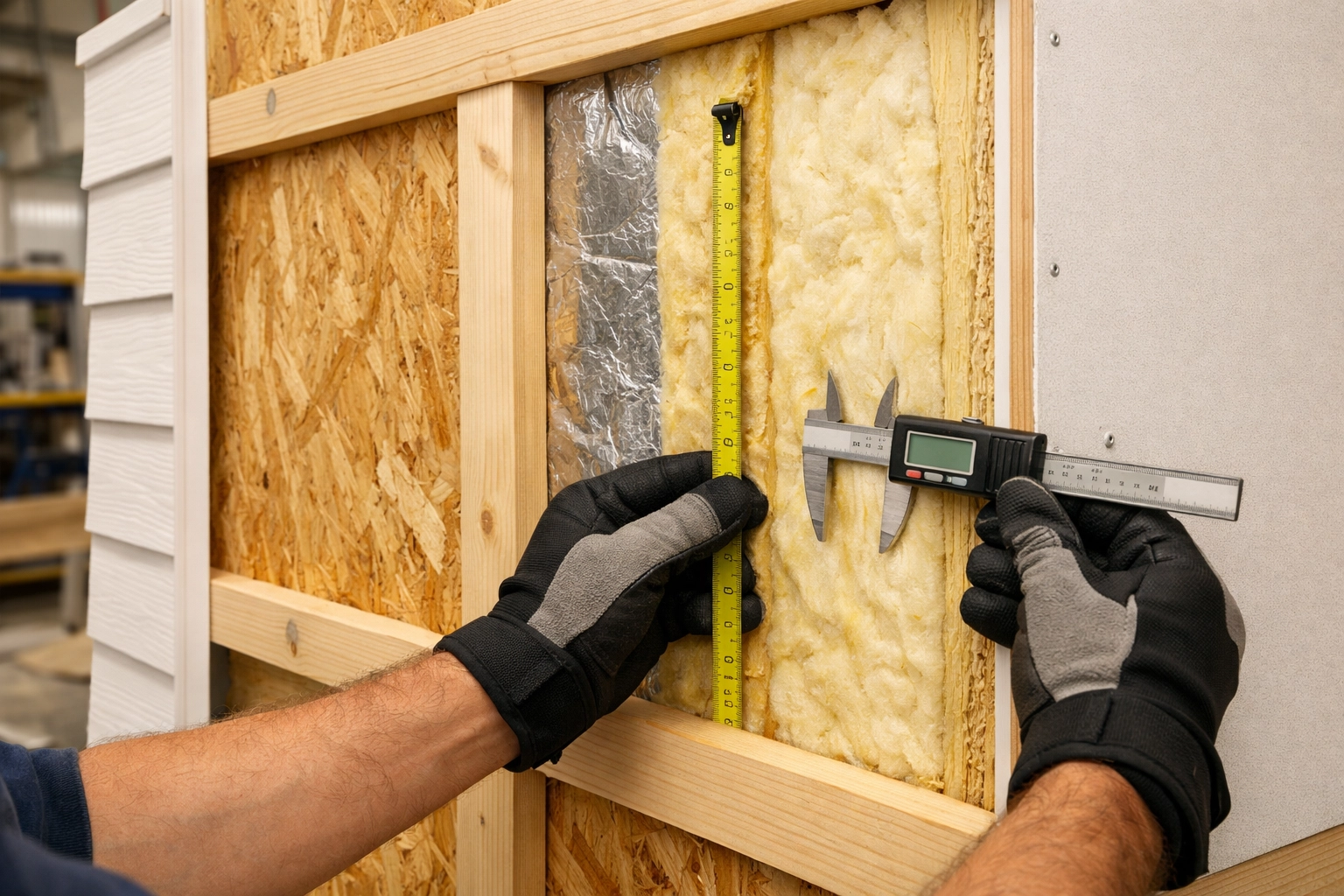
Factories optimize every cut and reuse scrap materials across multiple projects. Indoor construction also creates better thermal performance. When insulation is installed in controlled conditions, you get consistent R-values throughout the home. No gaps, no compression, no "she'll be right" installations that leak heat in winter and cool air in summer.
The payoff? Lower energy bills from day one and a smaller environmental footprint: both in construction and operation.
2026 Trends: What's Changing Right Now
Prefab isn't niche anymore. Governments are backing it, banks are finally catching up, and buyers are realizing that factory-built doesn't mean factory-standard.
Zoning restrictions are disappearing. Old stigmas and outdated council rules that blocked modular homes are being phased out across Australia as municipalities recognize that modern prefab meets: and often exceeds: the same building codes as traditional construction. Always check with your local council, but the regulatory landscape is shifting fast.
Lending is easier. Banks have historically been skittish about prefab, but that's changing in 2026. More lenders are offering competitive rates for modular builds, treating them like any other mortgage application. It's about time.
Design sophistication is exploding. Gone are the days of cookie-cutter boxes. Prefab homes now come with architectural flair, custom floor plans, premium finishes, and energy ratings that would make most traditional builds jealous. If you want high ceilings, full-height windows, and sustainable materials, you can have it all: faster and often cheaper.
What You Need to Know Before Buying
Check your council first. Even though restrictions are easing, verify that your land is suitable for modular construction. Most areas have no issues, but it's worth confirming before you fall in love with a design.
Understand the timeline. Factory construction takes 4 to 8 weeks for most homes. Delivery and assembly add another 2 to 4 weeks. Final finishing touches (connecting utilities, landscaping, final inspections) take a few more weeks. Start to finish, you're looking at 3 to 6 months total: but have realistic expectations for your specific site conditions.
Budget for site prep separately. The prefab price covers the house itself, but you'll need to factor in site preparation, foundation work, connection to utilities, and any landscaping or driveways. A good builder will walk you through these costs upfront so there are no nasty surprises.
Ask about warranties. Reputable prefab manufacturers offer solid warranties on structural integrity and finishes. Make sure you understand what's covered and for how long.
The Bottom Line
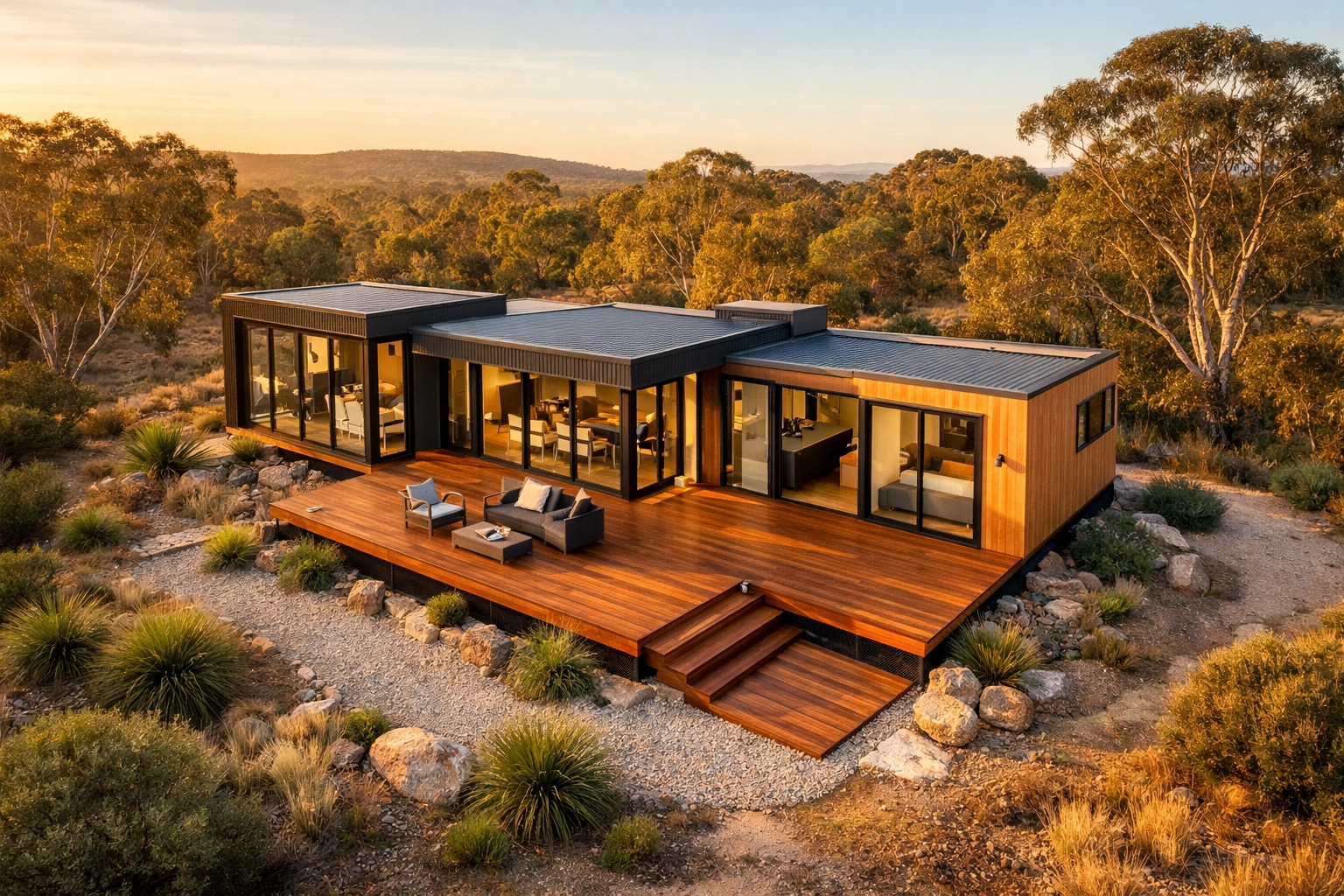
Prefab homes in 2026 aren't an experiment: they're a proven alternative to the delays, cost blowouts, and stress of traditional construction. They're faster, more predictable, built to higher standards, and increasingly recognized by banks and councils as legitimate housing solutions.
If you're tired of hearing about builder collapses, 18-month timelines, and budget overruns, prefab might be the sanity-saving choice you've been looking for.
Ready to See What's Possible?
We've designed modular homes that prove factory-built can be beautiful, sustainable, and tailored to the way Australians actually live. High ceilings, premium finishes, energy efficiency baked in: and a timeline that won't make you age a decade.
Check out our full range of designs here and see what prefab looks like when it's done right. Free consult, honest pricing, and zero pressure: just real answers to your real questions.