
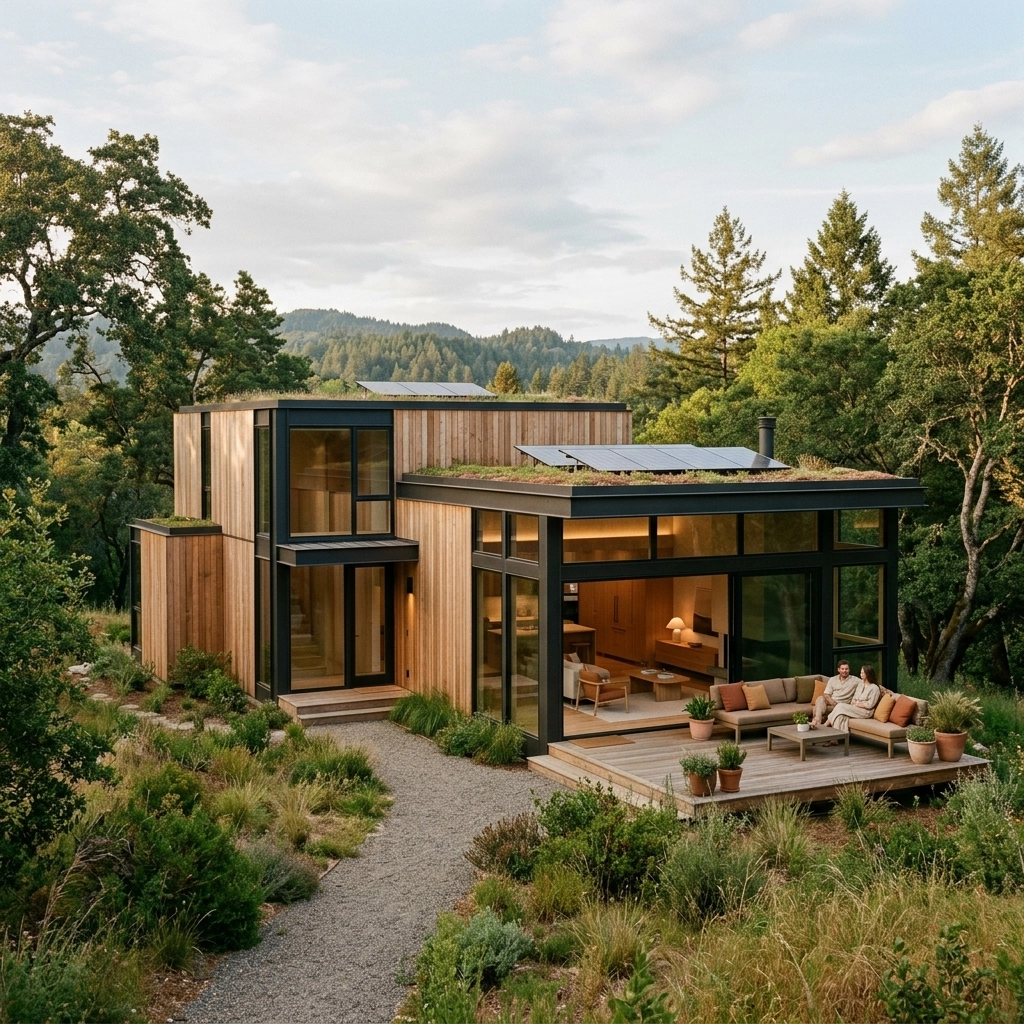
Let’s be honest: building a home in Australia hasn’t exactly been a walk in the park lately. If you’ve checked the news or talked to anyone trying to renovate in the last year, you’ve heard the same horror stories. Blown-out budgets, "no-show" tradies, and construction timelines that stretch from months into years.
It’s April 2026, and the old way of building: hauling raw materials to a muddy site and hoping the weather holds: is rapidly becoming a relic of the past.
At EcoHub Homes, we’re seeing a massive shift. Property owners and investors aren’t just looking for a roof over their heads anymore; they’re looking for certainty. They want to know exactly what their home will cost, exactly when they can move in, and exactly how much it’s going to cost to keep it cool in a Western Australian summer.
That’s where high-performance modular design comes in. It’s not just a "fast" way to build; it’s a smarter, more sustainable, and ultimately more profitable way to approach property in 2026.
Time is the New Currency: Why Wait Two Years?
In the current market, time isn’t just money: it’s everything. For an investor, every month a project sits unfinished is a month of lost rental income and mounting interest. For a homeowner, it’s another six months of paying rent while your mortgage sits in limbo.
Traditional builds in 2026 are still plagued by labor shortages. There simply aren't enough skilled workers to be on every site at once. Modular construction solves this by moving the "site" into a controlled factory environment.
While your site is being cleared and the footings are being prepared, your home is already being built. We’re talking about parallel processing. By the time the slab (or piers) are ready, the modules arrive: often 90% complete with kitchens, bathrooms, and wiring already installed.
A project that takes 18 months with a traditional builder can be completed in as little as 16 to 20 weeks with EcoHub Homes. That’s not just a minor improvement; it’s a total game-changer for your ROI.
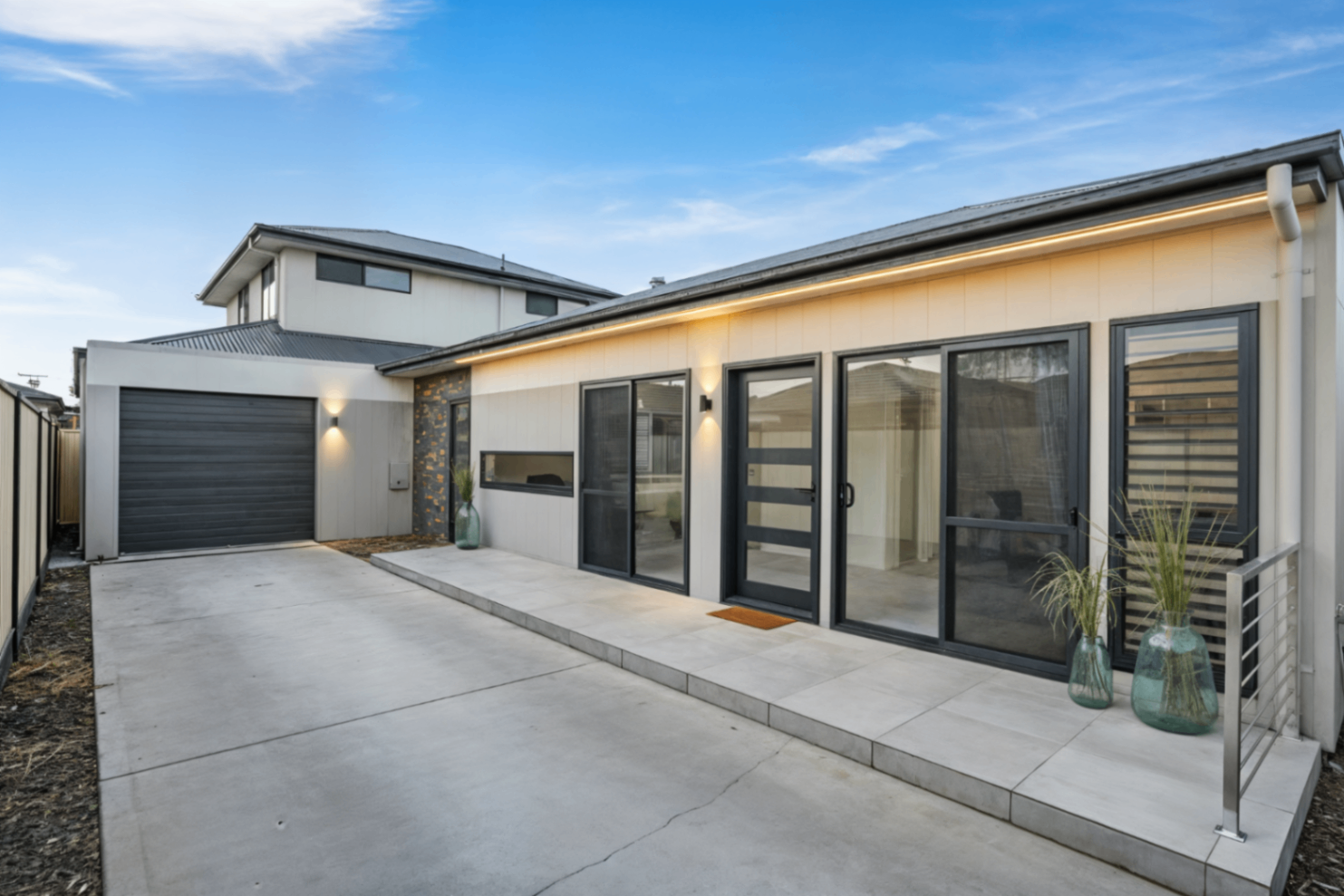
Cost Certainty in an Uncertain Market
One of the biggest questions we get is: "Is modular construction actually cheaper?"
The answer isn't just about the price tag on day one: it's about the final bill. Traditional building is notorious for "variations." You know the drill: the soil is slightly different than expected, the price of timber spikes mid-build, or the electrician takes three weeks longer than planned. Suddenly, your "affordable" build is $50k over budget.
With modular design, the costs are locked in early. Because we build in a factory, we buy materials in bulk and aren't subject to the same site-specific delays. We know exactly how many screws, sheets of gyprock, and liters of paint each three-bedroom home requires.
For a detailed breakdown of how we price our projects, you can explore our modular homes cost guide. In 2026, the real luxury isn't marble countertops: it’s knowing you won’t have to go back to the bank for an extra loan halfway through the build.
10-Star Energy Ratings: The New Standard
Sustainability used to be a "nice to have" or something only for people living off-grid. In 2026, it’s a financial necessity. Energy prices haven't exactly plummeted, and the Australian climate is only getting more extreme.
High-performance modular homes are designed from the ground up to be thermal powerhouses. Because these modules are built in a factory, the precision is far higher than what can be achieved on a windy building site. We can ensure the building envelope is airtight, the insulation is perfectly installed without gaps, and the double-glazed windows are sealed to a millimeter of their lives.
Our 10-Star three-bedroom home is the pinnacle of this. It requires almost zero artificial heating or cooling, regardless of whether it’s 40 degrees in Perth or a chilly morning in the Hills.
"The shift we've seen in 2026 is that buyers are now looking at the 'Total Cost of Ownership.' A home that is cheap to build but costs $800 a month to power is no longer considered a good investment. High-performance modular design is the only way to guarantee those low running costs from day one." : Daniel Margraf, Marketing Manager at EcoHub Homes.
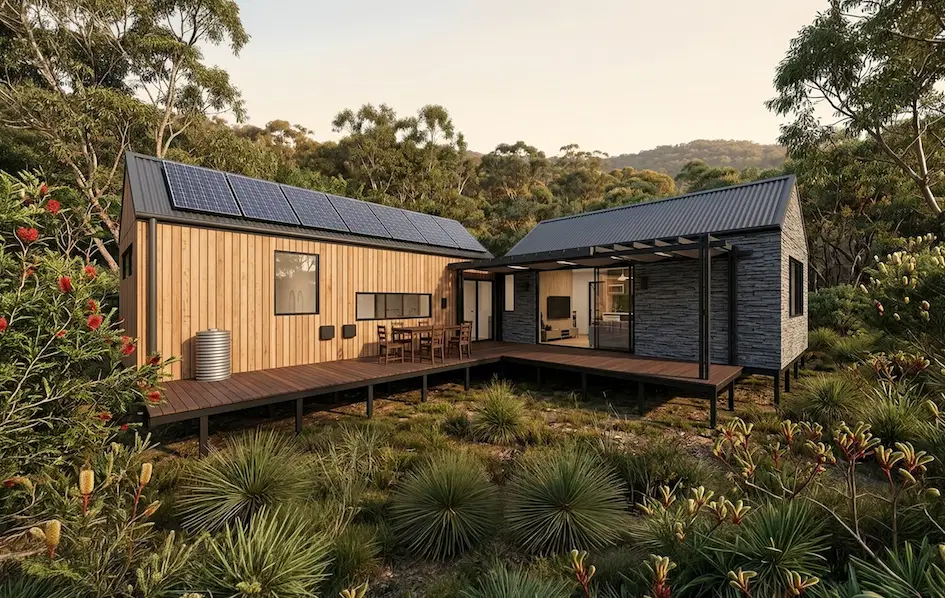
Precision Engineering Meets Designer Aesthetics
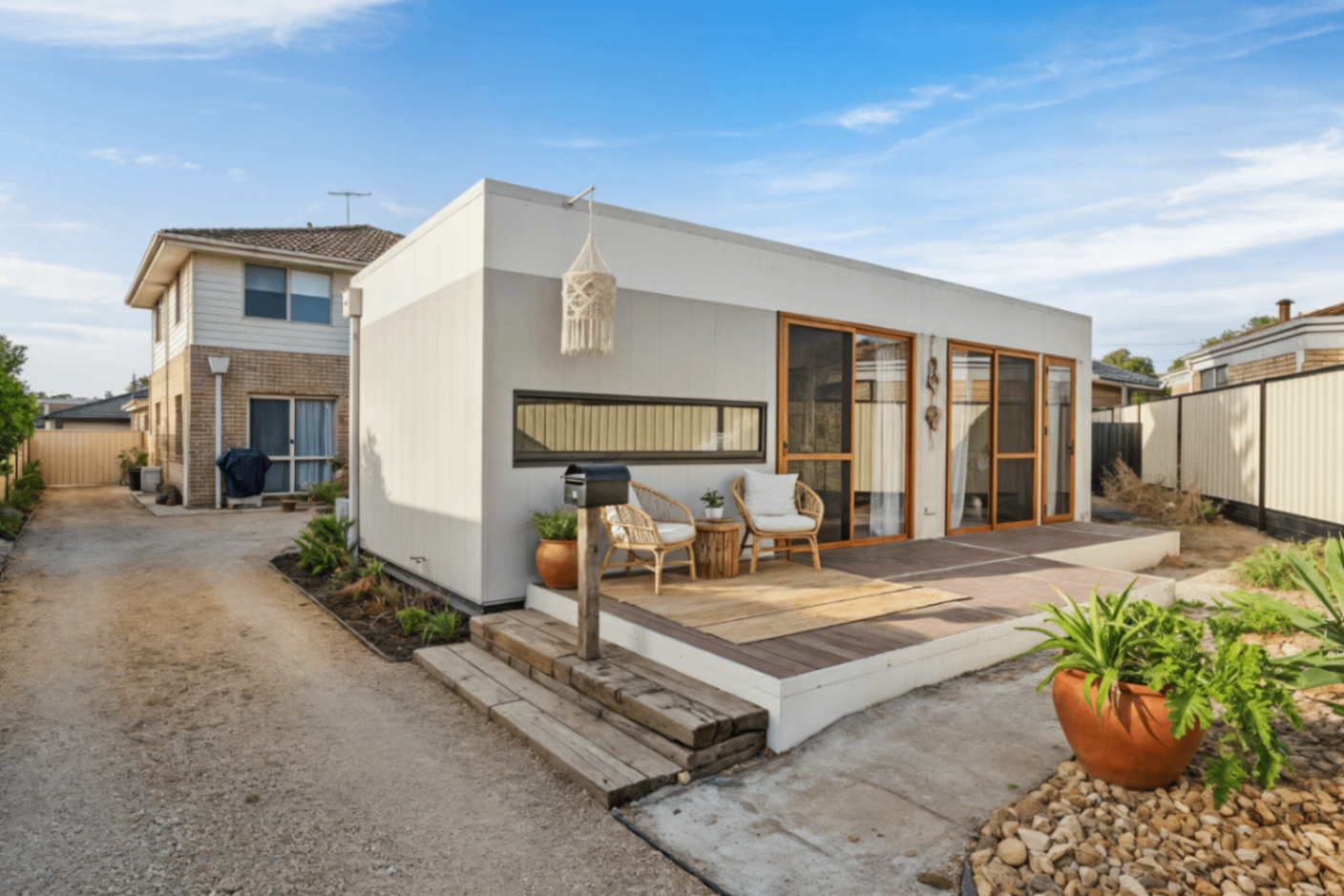
There’s a lingering myth that modular homes look like "dongas" or shipping containers. If 2026 has proven anything, it’s that this couldn't be further from the truth.
Modern modular design leverages AI and advanced CAD software to create spaces that are actually more architecturally interesting than your standard suburban brick-and-tile. We’re talking 2600mm high ceilings, full-height double-glazed windows that flood the space with light, and premium finishes like timber cladding and stone exteriors.
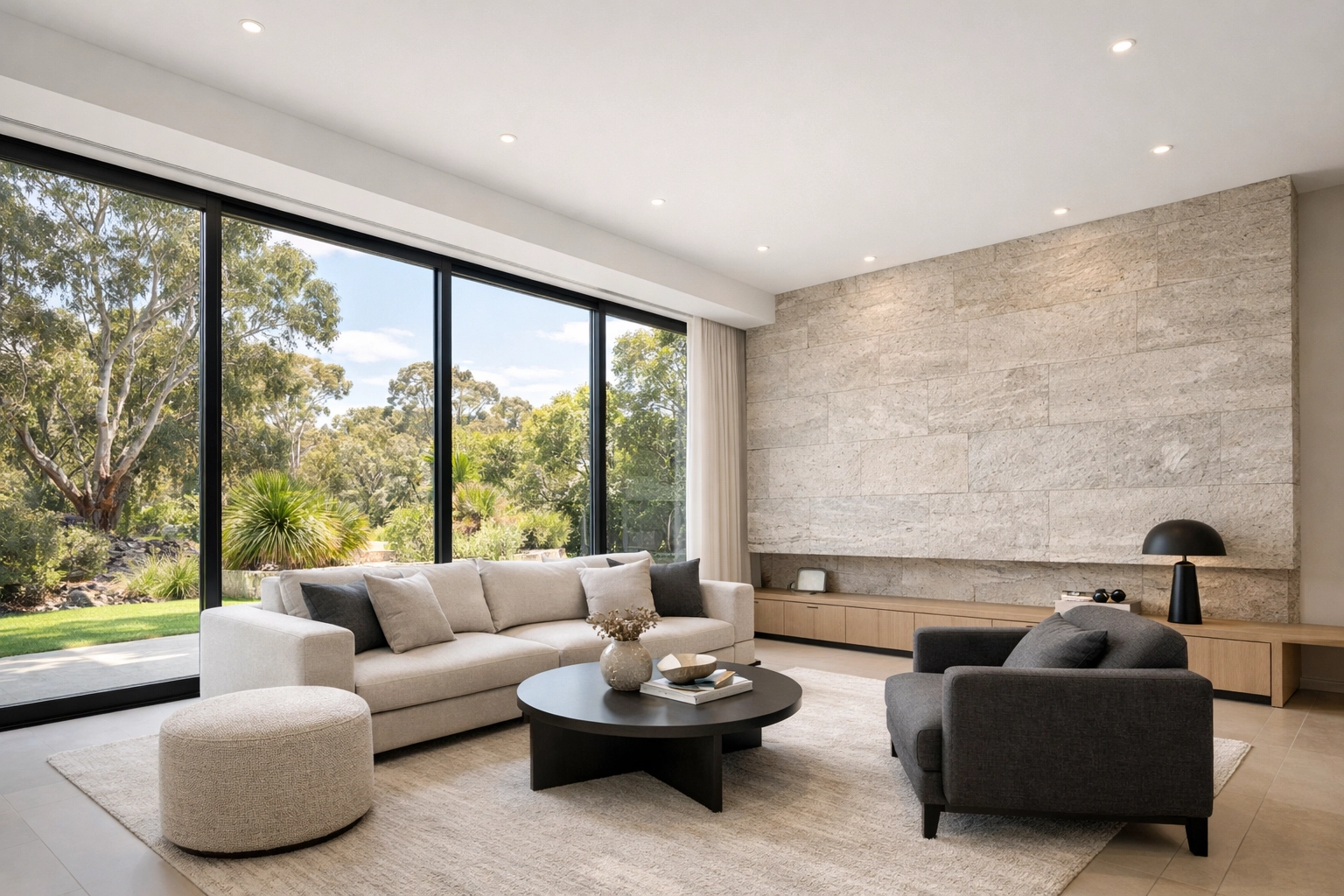
The use of light-gauge steel frames ensures that your home won't warp, rot, or twist over time. It’s precision manufacturing. Think of it like the difference between a car built by hand in a backyard versus one built in a high-end German factory. Which one do you think has the better door seal?
The Smart Investor’s Secret Weapon
If you’re a property owner with a bit of extra space in the backyard, or a developer looking to maximize a lot, modular is your best friend in 2026.
The rise of the "Secondary Dwelling" (or granny flat, though they've come a long way since Grandma’s day) has become a primary strategy for tackling the housing shortage. A one-bedroom EcoHub home can be dropped into a backyard with minimal disruption to the main house.
For investors, this is the ultimate "plug-and-play" asset. You can go from an empty patch of grass to a rent-paying asset in a matter of weeks. And because these homes are built to such high standards, they attract premium tenants who are happy to pay more for a home that is modern, quiet, and cheap to run.
Why 2026 is the Turning Point
We’ve reached a tipping point where the benefits of modular: speed, sustainability, and cost-certainty: outweigh the traditional "bricks and mortar" sentiment.
In Australia, we’ve always been a bit obsessed with double-brick construction. But as we move further into 2026, the industry is realizing that brick is slow, thermally inefficient, and labor-intensive. High-performance modular design offers a way out of the construction crisis. It allows us to build more homes, better homes, and faster homes without sacrificing the environment.
What to Look for in a Modular Build:
- Airtightness: Ensure the builder focuses on a high-performance building envelope.
- Glazing: Double-glazing should be the absolute minimum standard; triple-glazing is the 2026 gold standard.
- Frame Quality: Look for termite-proof steel frames for longevity.
- Turnkey Service: Does the price include the transport, installation, and council approvals? (Hint: Ours does).
Making the Move
Whether you're looking to build your forever home or you're an investor trying to stay ahead of the game, the modular revolution is here. It’s about taking control of the building process and removing the "luck" factor from your project.
If you’re curious about how a high-performance home could work on your block, the best place to start is with a conversation. We’ve helped hundreds of Australians navigate the move from traditional builds to the future of construction.
Ready to see what's possible? Book a free consultation with our team, or browse our current range of modular home designs to see how we’re changing the landscape of Australian housing, one module at a time.