
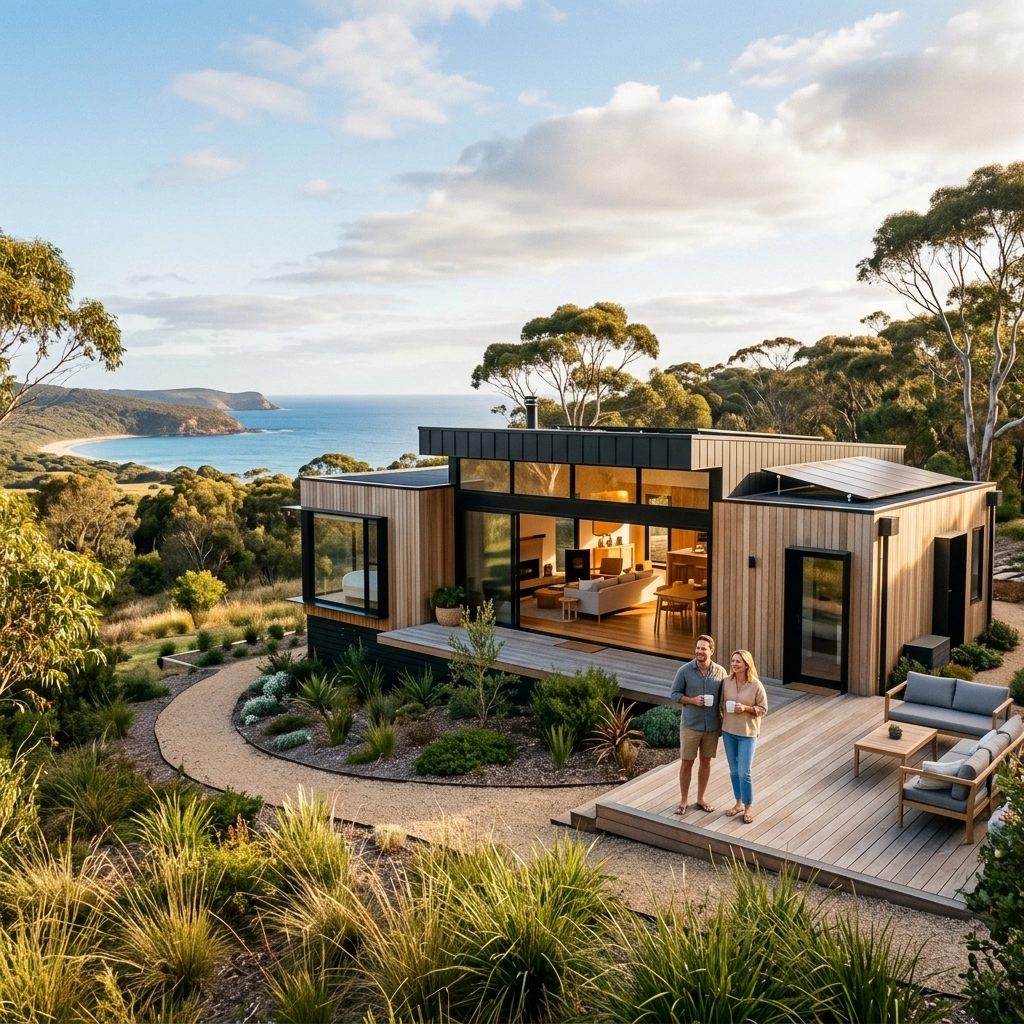
Let’s be honest: the traditional Australian dream of building a home has, for many, turned into a bit of a nightmare. We’ve all heard the stories: construction delays lasting years, skyrocketing material costs, and the absolute headache of managing tradies who are stretched way too thin. It’s exhausting.
But it’s 2026, and the game has changed. While the old-school "bricks and mortar" approach is still stuck in the slow lane, a new strategy has emerged that is helping property owners and investors bypass the chaos entirely. We’re talking about high-quality, sustainable, and stunning homes delivered in as little as 12 weeks.
If you’re looking to get ahead of the game, here is the 2026 Australian modular strategy to go from a vacant lot to a finished home faster than you ever thought possible.
The 2026 Shift: Why "Fast" No Longer Means "Cheap"
For a long time, there was a misconception that if a house was built quickly, it must be low quality. That myth has been well and truly busted. In 2026, modular construction represents the cutting edge of Australian architecture.
By building in a controlled factory environment, we eliminate the two biggest enemies of construction: weather and logistics. While a traditional site sits idle during a Perth winter downpour or a Brisbane heatwave, our factory teams are working in perfect conditions. The result? A home that is 20–40% faster to complete and significantly more precise.
The financial side is just as compelling. With modular builds, you’re looking at roughly 20% lower costs compared to conventional builds. In a market where every dollar counts, that’s not just a saving: it’s a strategy for liberation. Whether you are looking for a one-bedroom retreat or a full-scale family residence, the efficiency of the factory model is your biggest asset.
The 12-Week Master Plan
How do we actually hit that 12-week mark? It’s all about parallel processing. In traditional construction, everything happens in a linear sequence: you dig the hole, you pour the slab, you wait for the frame, you wait for the roof. If one step stalls, the whole project stops.
With the EcoHub Homes strategy, we split the timeline in two.
Weeks 1–4: Parallel Progress
While we are manufacturing your home modules in the factory, your site is being prepared simultaneously. This includes clearing the land, installing piers or foundations, and sorting out utility connections. By the time the site is ready, the "bones" of your house are already built.
Weeks 5–10: Precision Engineering
This is where the magic happens. Your home is assembled with millimetre precision. We’re talking steel frames, high-performance insulation, and premium finishes. Because the environment is controlled, we can ensure every join is perfect.
Weeks 11–12: Delivery and Handover
The modules are transported to your site and craned into position. Once they land, the final "stitch-up" happens: connecting the modules, finishing the plumbing and electrical, and adding those final touches like decks or landscaping.
It sounds fast because it is. But more importantly, it’s predictable. You aren't guessing when you can move in; you’re planning your housewarming party.
Financing: The 2026 Game Changer
One of the biggest hurdles for modular homes in the past was financing. Banks used to be nervous about lending for homes that weren't "fixed" to the ground from day one.
The landscape has shifted. Major players like the Commonwealth Bank have updated their lending criteria to better support prefab and modular housing. They’ve recognised that these homes aren't just "temporary" structures: they are high-value, long-term assets.
If you’re wondering about the numbers, our guide on modular homes cost breaks down exactly what you can expect to pay. For investors, this clarity is gold. You can calculate your ROI with much higher certainty when the build time is 3 months instead of 18 months.
Sustainability as a Standard, Not an Upgrade
In 2026, "eco-friendly" isn't a buzzword; it’s a requirement for future-proofing your investment. At EcoHub Homes, we don't treat sustainability as an optional extra.
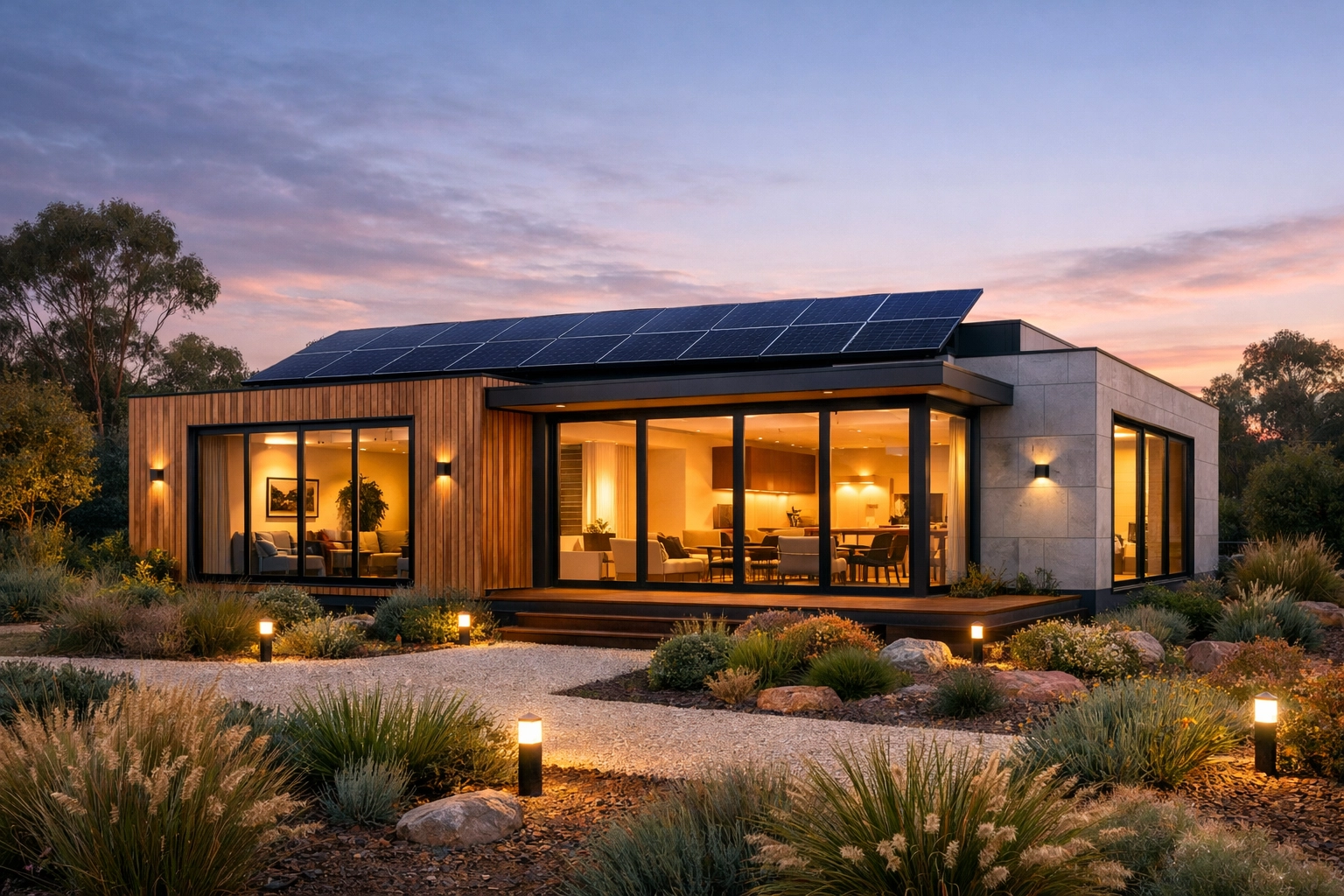
Our homes are designed to hit high NatHERS ratings: often reaching up to 10 stars. This isn't just about feeling good; it’s about drastically reducing your power bills. With features like:
- Full-height double-glazed windows
- Solar-ready roof designs
- Superior floor and wall insulation
- Sustainable cladding like fibre-cement and timber-look finishes
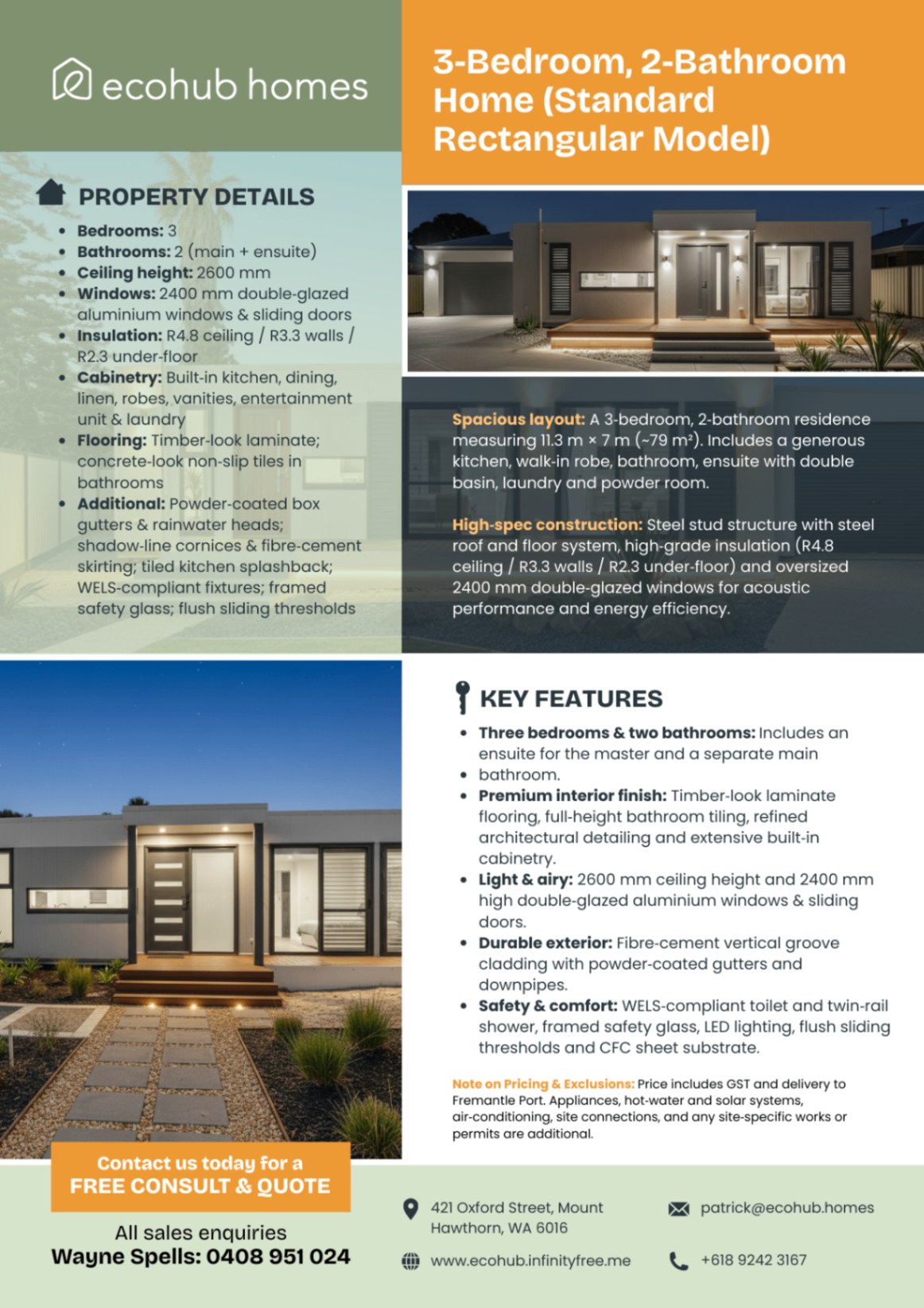
Take our 10-star three-bedroom home as an example. It’s designed to stay cool in the Australian summer and warm in the winter without you having to blast the air con 24/7.
Smart Design for Modern Living
The 2026 Australian modular strategy is also about living smarter, not just bigger. We’ve seen a massive trend toward "flexible layouts": homes that can grow or change with you.
Many property owners are now looking at subdivision or adding a secondary dwelling to their existing land. Whether it's for an aging parent, a rental income stream, or a home office that actually feels like a workspace, the modular approach makes this incredibly easy.
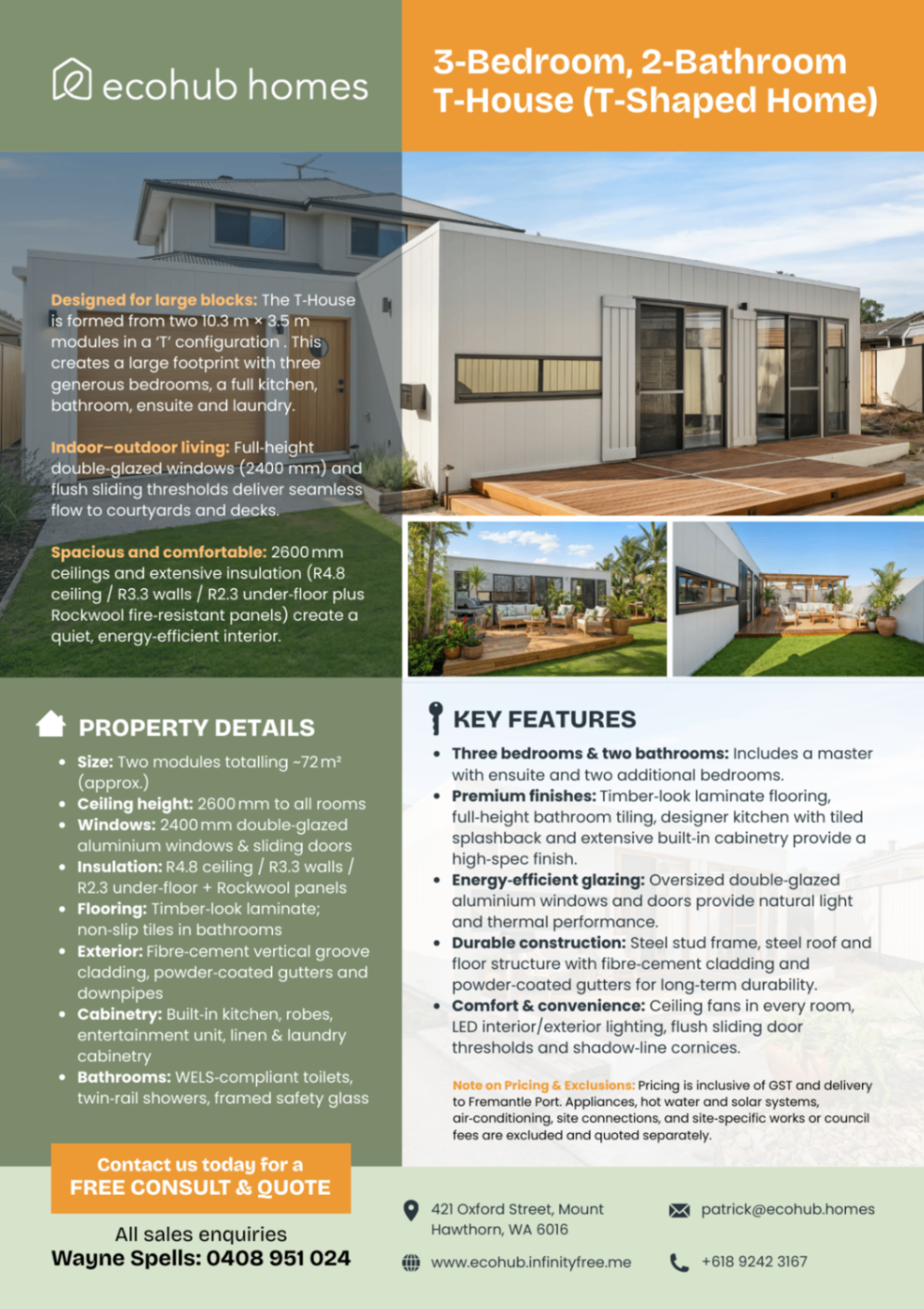
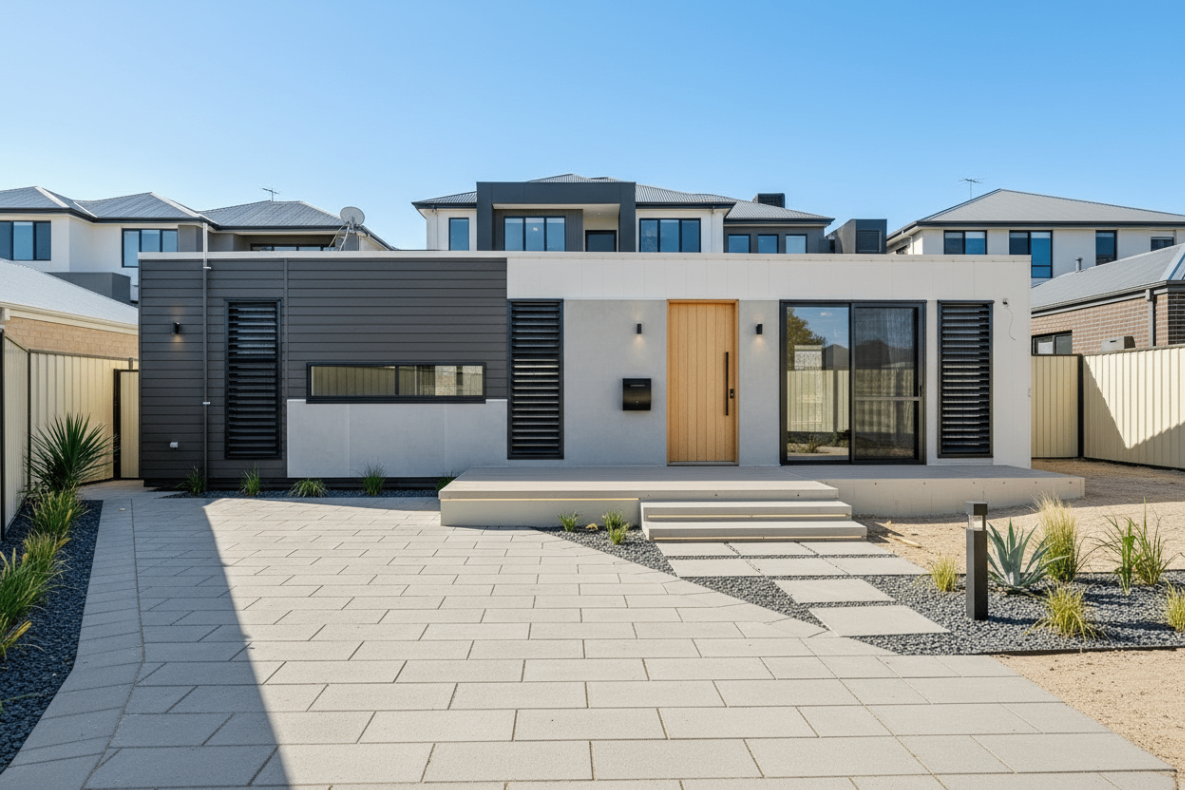
The 3-bedroom T-House is a perfect example of this. It offers an open-plan indoor-outdoor flow that feels massive despite its efficient footprint. It’s about clever storage, high ceilings (2600mm is our standard), and floor-to-ceiling glass that brings the outside in.
Avoiding the Common Pitfalls
Even with a 12-week strategy, you need to be prepared. Here are the three things that can slow you down if you aren't careful:
- Land Access: You need to ensure a truck and a crane can actually get to your site. We recommend a free consultation early on so we can do a desktop assessment of your property.
- Council Approvals: While modular homes meet all the same building codes as traditional homes (and often exceed them), council paperwork still takes time. We handle the heavy lifting here, but starting this process early is key to hitting that 12-week construction window.
- Decision Paralysis: Because the factory process is so fast, you need to have your finishes and layouts locked in before we start. In 2026, the trend is toward "turnkey" solutions where everything from the flooring to the bathroom tiling is pre-selected for quality and style.
Why Investors are Flooding the Modular Market
If you’re a developer or a land owner, the modular strategy is a total no-brainer for 2026.
Traditional construction debt is expensive. The longer your capital is tied up in a building site, the more interest you’re paying. By slashing the construction time by 60%, you’re drastically reducing your holding costs. You can get a tenant into a two-bedroom home and start generating rental yield in a fraction of the time it would take with a traditional build.
Furthermore, the quality of modular construction is often higher than on-site builds. In a factory, every component is protected from the elements. There’s no warped timber from sitting in the rain, and no compromised seals from dust. For an investor, this means lower maintenance costs over the life of the building.
Your Move: Getting Started
The 12-week dream isn't a pipe dream: it’s the new standard for savvy Australians. Whether you’re looking to build your forever home or a high-yield investment property, the modular strategy offers a level of control, speed, and sustainability that traditional building simply cannot match.
Stop waiting for "someday" and stop worrying about the latest construction industry delays. The technology is here, the financing is ready, and the designs have never looked better.
If you’re ready to see how this fits your specific piece of land, let’s chat. You can book a free consultation with our team to walk through your ideas, or if you're just starting your research, join us for our next free investment seminar.
2026 is the year to build smarter. Your dream home is only 12 weeks away. Let’s get it started.