
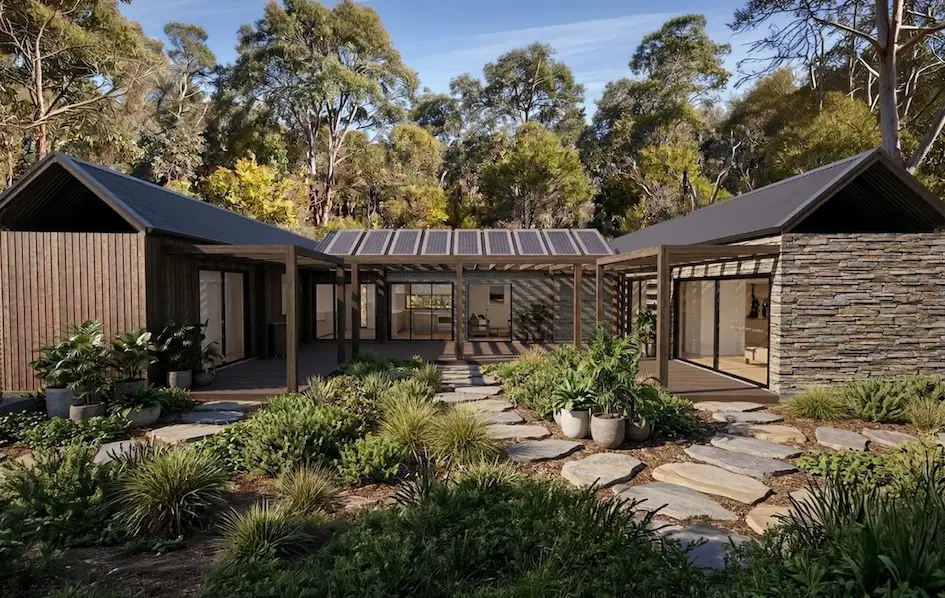
If you're considering building a home or an investment property in Australia right now, you’ve likely noticed that the landscape has shifted: permanently. Before we dive into the massive policy changes that are making modular housing the smartest choice for 2026, take a moment to see what a modern modular build actually looks like in practice.
Watch: 3×2 Modular Home Walk-Through Tour
https://youtu.be/Kskhm6zG7_c?si=Sjp40wDQ6mvRjJqk
The Australian housing market has reached a definitive turning point. We are no longer talking about "alternative" housing; we are witnessing a state-backed industrial revolution. With the launch of the Homes for Australia national plan and the sweeping Building Bill 2026, the federal and state governments have essentially laid out a red carpet for modular construction.
For you, this means faster approvals, better tax incentives, and a significantly more predictable build process. Here is the breakdown of the 2026 Strategy and how it directly impacts your next project.
1. The $47 Billion "Homes for Australia" Plan
The cornerstone of this shift is the federal government’s $47 billion Homes for Australia initiative. While the headline figure is massive, the detail is where the value lies for modular buyers. The plan explicitly pivots away from slow, traditional site-built construction in favour of Modern Methods of Construction (MMC).
By treating factory-built homes as a primary solution to the housing shortage, the government is pouring resources into the supply chain. For EcoHub Homes customers, this translates to more stable material costs and a manufacturing sector that is finally being prioritised over the chaotic "trade-scarcity" of traditional building sites.
2. NSW Building Bill 2026: The End of Approval Limbo
If you’ve ever built in New South Wales, you know the "DA dread." The Building (Approvals and Practitioners) Bill 2026 is designed to kill that frustration. Backed by a $32.3 million overhaul, this legislation formally recognises prefabricated buildings as a distinct, streamlined category.
Instead of your modular home being treated like a complex custom build by every local council, the new law moves toward a "certify once, install many" model. This AI-enabled planning portal and national certification framework mean your EcoHub home can move from factory floor to your lot with a fraction of the traditional red tape.
3. System 600: The New Open-Source Standard
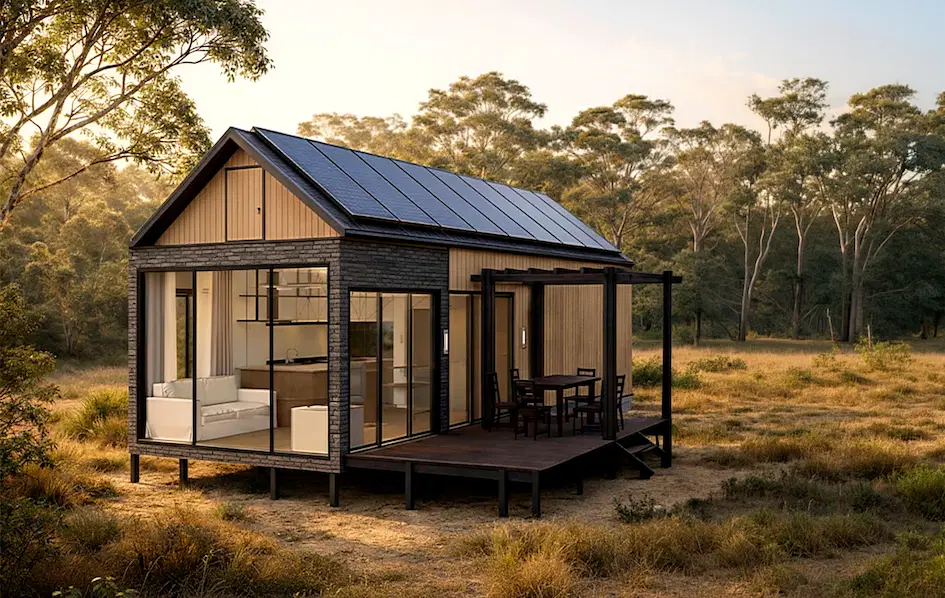
One of the most exciting technical developments in 2026 is the System 600 open-source standard. Supported by a $39.3 million federal investment, System 600 creates a unified technical language for modular components.
Think of it like the "USB port" for houses. By standardising how modules connect and how systems (like plumbing and solar) are integrated, the government is ensuring that modular homes are easier to finance, easier to insure, and easier to value. At EcoHub, we’ve always pushed for high-spec standardisation, and this federal backing validates the energy-efficient, high-ceiling designs we’ve been delivering for years.
4. The July 2027 Negative Gearing Pivot
For property investors, this is the most critical piece of the puzzle. From July 1, 2027, negative gearing and capital gains tax concessions will be increasingly restricted to new builds only.
The policy intent is clear: the government wants to incentivise "new supply" rather than the trading of existing houses. By building a modular home on a vacant lot or a rear-strata block now, you are positioning yourself to own a tax-preferred asset. Modular construction allows you to get that "new build" status in months: not years: ensuring you’re locked in before the fiscal environment shifts.
"The 2026 policy framework represents a total decoupling of 'housing' from 'on-site construction.' By incentivising factory-controlled environments, the government is finally addressing the twin demons of Australian housing: unpredictable timelines and escalating trade costs." : Industry Policy Analyst

5. $2 Billion Local Infrastructure Fund
The final piece of the 2026 strategy is the Local Infrastructure Fund. A common roadblock for modular builds: especially on regional or new lots: has been the lack of services (power, water, and sewerage). This $2 billion fund is specifically designed to unlock 65,000 new homes by funding the "last mile" of infrastructure. If you have a vacant lot that was previously too expensive to service, 2026 is the year those barriers start to fall.
What This Means for You
The "Wait and See" approach is officially dead. The 2026 strategy has created a perfect window for modular construction:
- Speed is now a Financial Asset: With negative gearing changes looming, the ability to build and tenanted a home in 12–20 weeks (rather than 12–18 months) is a massive competitive advantage.
- Compliance is Simpler: The NSW Building Bill and System 600 mean your modular home is now a "mainstream" asset in the eyes of banks and insurers.
- Sustainability is Rewarded: Government-backed standards for 2026 focus heavily on energy efficiency: something EcoHub’s double-glazed, insulated designs have featured from day one.
Your Move
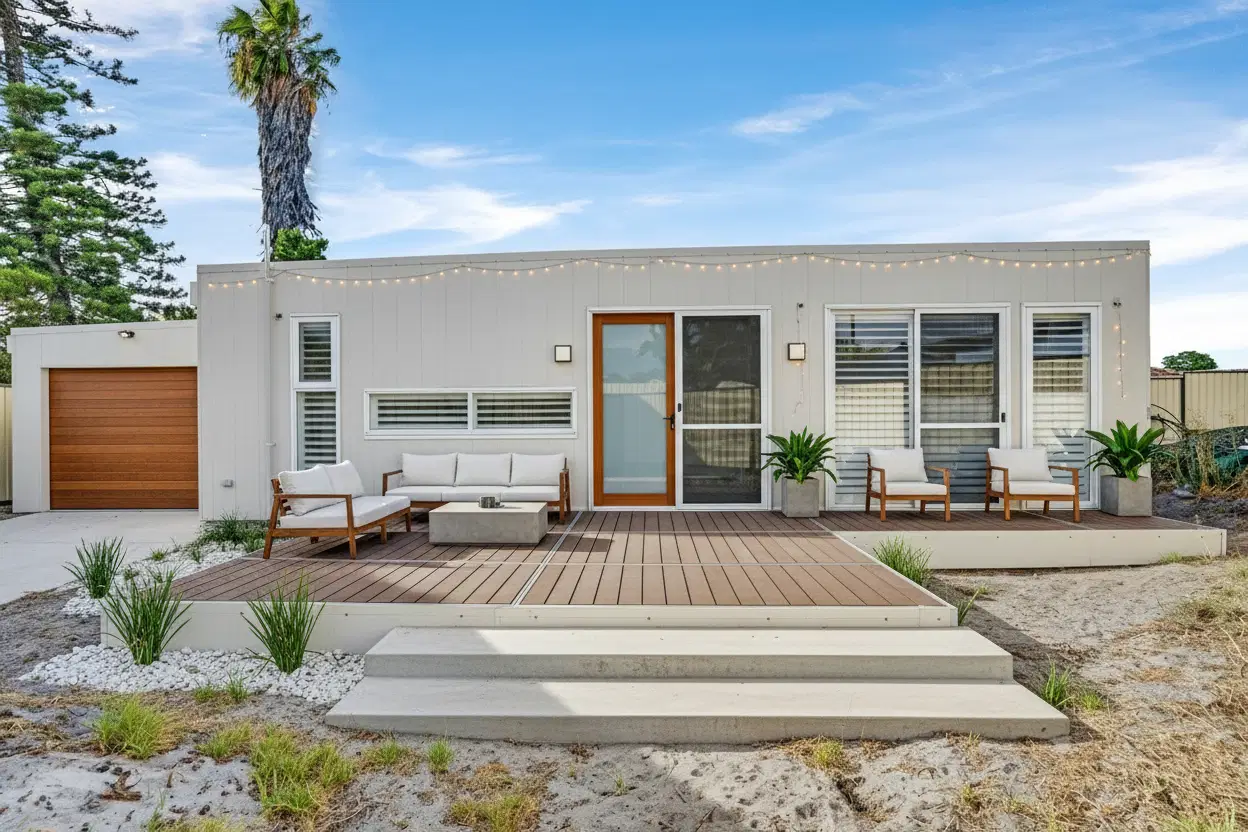
The Australian Modular Housing Strategy 2026 isn't just a government document; it's a roadmap for smarter property ownership. Whether you're looking to build your dream sustainable home or turn a vacant lot into a high-yield investment, the wind is finally at your back.
At EcoHub Homes, we handle the entire process: from 3D visualisation and permits to delivery and our 10-year warranty. The policy landscape has changed; now it's time to change how you build.
Ready to see how these 2026 changes benefit your specific project?
Explore our range of 1, 2, and 3-bedroom modular homes here or contact our team for a site-specific assessment.