
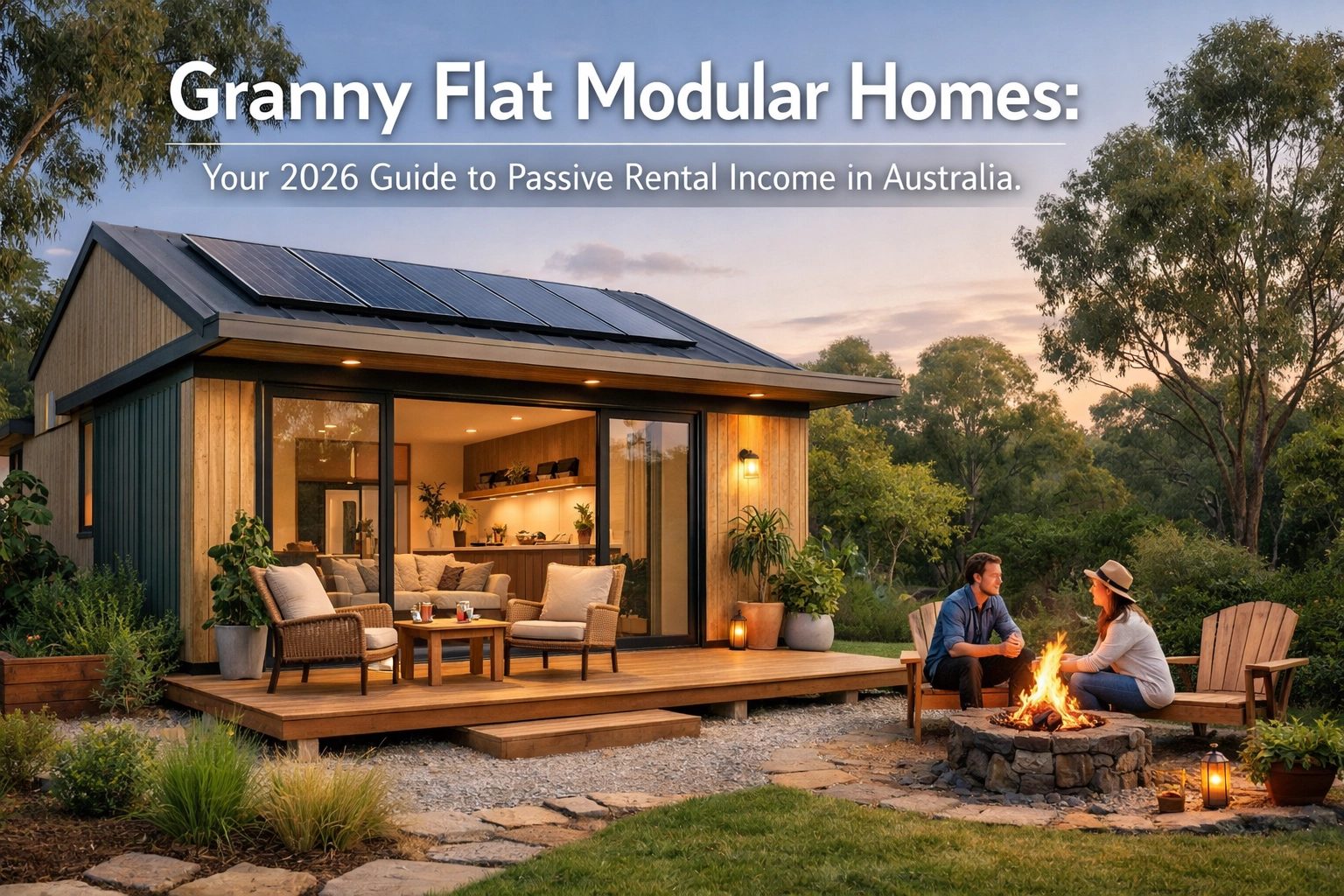
That unused stretch of backyard isn't just grass and potential: it's untapped rental income sitting idle. If you've got a standard Australian block with space behind your main dwelling, you're sitting on one of the smartest investment plays available right now: a modular granny flat designed for passive income.
Here's the reality in 2026: rental demand across Australia hasn't let up, property prices keep climbing, and secondary dwellings have become the go-to strategy for homeowners who want genuine returns without buying another property outright. The difference between watching your land sit empty and banking $400–$600 per week comes down to one decision: building a rental-ready granny flat that actually gets tenanted.
Let's walk through exactly how modular granny flats work as investment vehicles, what you need to know before pulling the trigger, and why they're outperforming traditional construction methods for landlords who value speed, quality, and peace of mind.
Turning Vacant Rear Lots Into Income Streams
Most Australian suburban blocks have 400–800m² of land. You're using maybe half of that for your main home, driveway, and front yard. The rest? Dead space: until you put a secondary dwelling on it.
Here's the financial math that makes this compelling: a well-designed one or two-bedroom granny flat rents for $350–$550 per week depending on your location and finish quality. That's $18,000–$28,000 annually in passive income before expenses. Compare that to the upfront investment: typically $120,000–$250,000 for a turnkey modular build: and you're looking at a 7–12 year payback period. After that, it's pure cash flow boosting your household income or funding other investments.
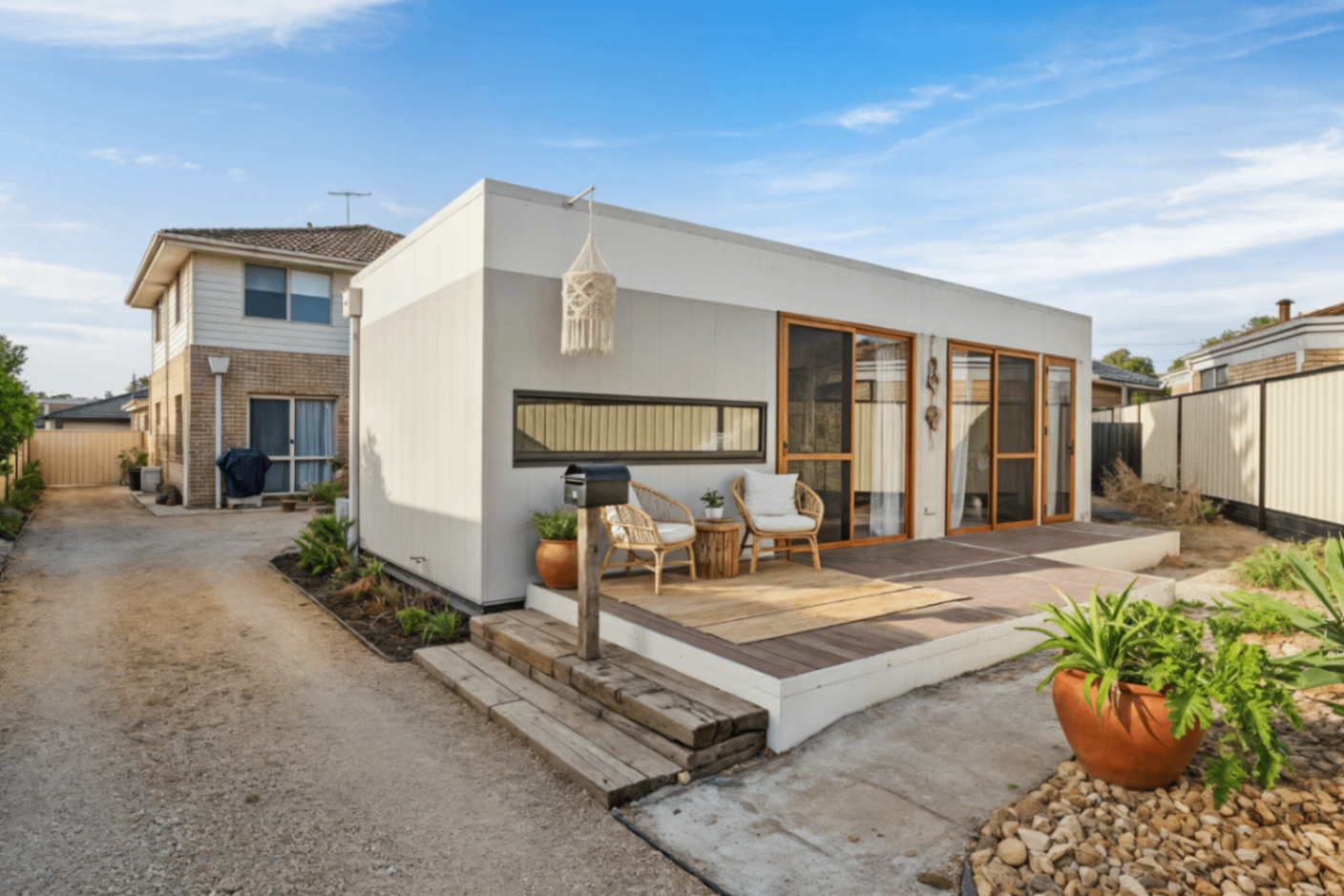
The best part? You're not subdividing. You're not selling off land. You retain full ownership and control while leveraging an asset that was generating zero return. When property values rise, your entire block appreciates: main home plus income-generating dwelling.
Councils across NSW, Queensland, and Victoria have simplified approval pathways specifically for secondary dwellings under certain size thresholds. Brisbane caps internal floor area at 80m², the Sunshine Coast allows 60m² in urban zones, and NSW offers Complying Development Certificates for qualifying projects: approvals in as little as 10 days instead of months.
The 1, 2, and 3 Bedroom Options: Matching Your Land to Market Demand
Not all granny flats attract the same tenant pool. Your bedroom configuration directly determines who rents from you and how much they'll pay.
One-bedroom layouts (40–50m²): Perfect for singles, young professionals, or downsizing retirees. Lower construction cost means faster ROI, and single tenants typically stay longer because the market for quality one-bedroom options is tight. Expect $320–$420 per week depending on finishes and location.
Two-bedroom configurations (60–70m²): The sweet spot for most investment scenarios. You're targeting couples, small families, or sharehouse arrangements. Two bedrooms command $400–$550 per week and appeal to a broader tenant base. Most modular builders hit this size range efficiently while staying under council caps.
Three-bedroom designs (75–90m²): Only viable if your land and local regulations allow it. Three-bedroom granny flats compete directly with standalone houses, which means premium rent: $550–$700+ per week in metro markets. You'll attract families who want proximity to schools and parks without committing to a full house purchase.
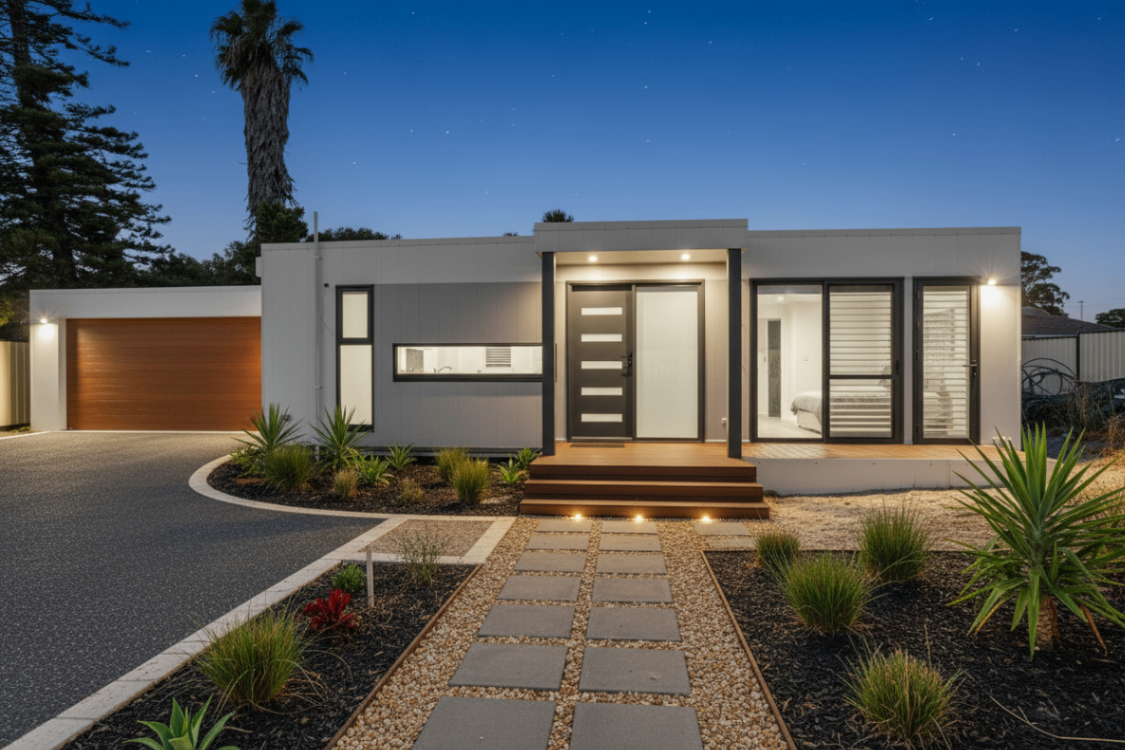
EcoHub's modular approach gives you flexibility. We're not locked into rigid floorplans: your site, your investment goals, and your local market dictate the configuration. A narrow block might suit a linear two-bedroom layout; a wide rear lot could accommodate a spacious three-bedroom with separate living zones.
The key is matching bedroom count to rental demand in your suburb. Check comparable listings, talk to local property managers, and build what tenants actually want: not what looks good on paper.
Minimal Lifestyle Disruption During "Construction"
Traditional granny flat builds turn your backyard into a construction zone for 6–9 months. Noise, mess, trades arriving at 7am, material deliveries blocking your driveway: it's invasive, frustrating, and drags on endlessly.
Modular construction eliminates 80% of that disruption because your granny flat is built off-site in a controlled factory environment. While council approvals process and site prep happens, your dwelling is simultaneously being constructed under cover: no weather delays, no waiting for trades, no material shortages holding things up.
Here's the actual timeline you're looking at:
- Weeks 1–4: Council approvals, site survey, foundation engineering
- Weeks 5–12: Factory construction (happening parallel to any remaining approvals)
- Weeks 13–14: Delivery and installation on prepared foundation
- Weeks 15–18: Connection of services, final fit-out, handover
Total project duration: 16–20 weeks from contract signing to keys in hand. Compare that to 30–40 weeks for stick-built construction, and you see why landlords prefer modular.
During installation, your property experiences 3–6 days of crane activity and connection work. That's it. You're not living on a building site for months: you're watching a completed home get positioned, connected, and finished in under two weeks of on-site activity.
For homeowners who still live in the main dwelling, this matters enormously. You're not explaining to your kids why they can't use the backyard all summer. You're not dealing with parking disruptions or contractor noise during work-from-home calls. It's faster, cleaner, and dramatically less stressful than conventional builds.
High-End Finishes Attracting Better Tenants
Budget granny flats attract budget tenants. If you're building a rental investment that you want occupied by reliable, long-term renters who pay on time and respect the property, cutting corners on finishes is false economy.
Premium modular construction gives you the finish quality that separates your listing from cheap knockoffs:
- Double-glazed windows: Energy efficiency that reduces tenant power bills and signals quality from first inspection
- Engineered stone benchtops: Durable, modern, and harder to damage than laminate
- Soft-close cabinetry: Small detail that communicates attention to build quality
- Split-system heating/cooling: Essential in most Australian climates: tenants expect it
- High ceilings (2.7m+): Makes compact spaces feel spacious and liveable
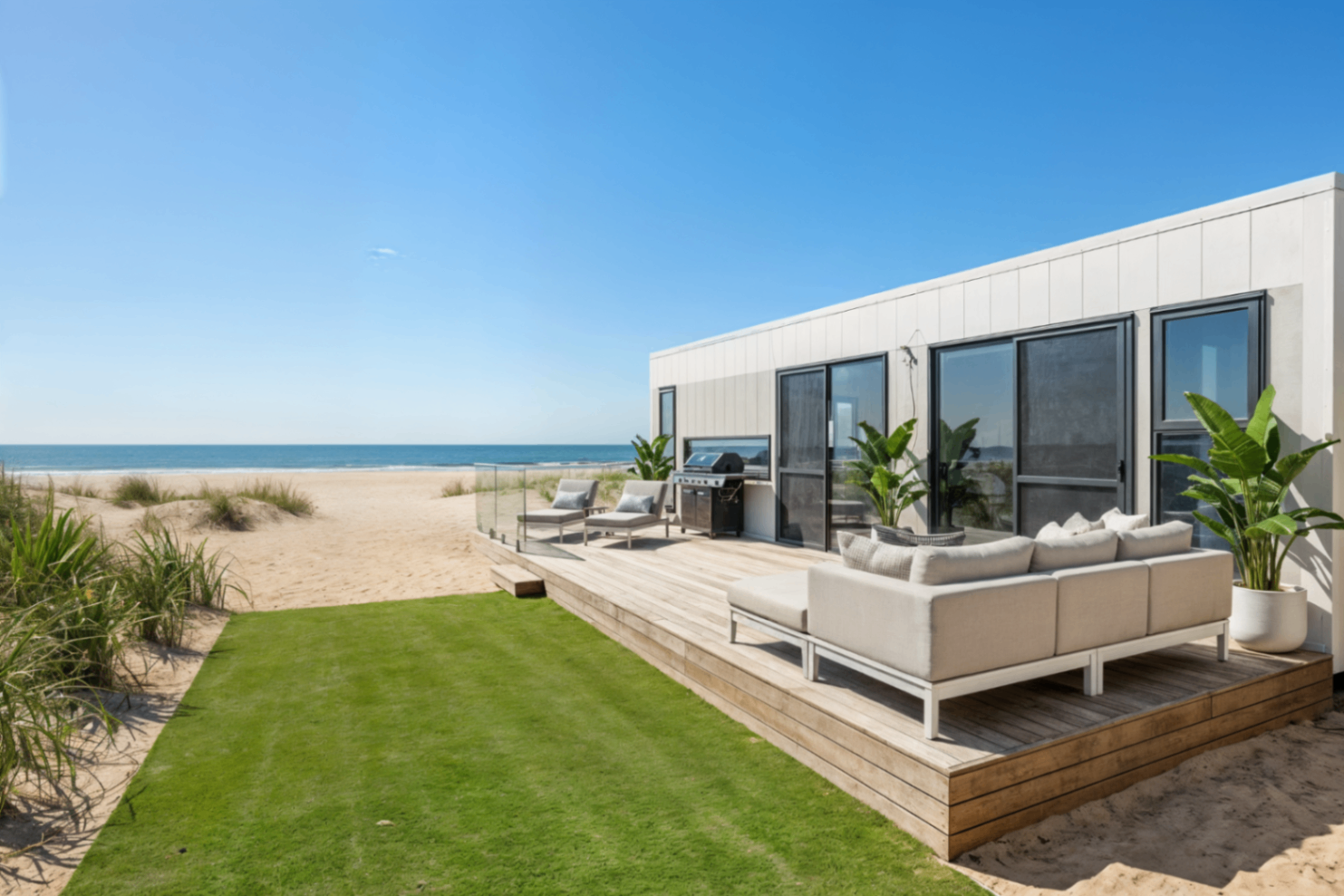
When property managers show your granny flat to prospective tenants, those details drive decisions. Better tenants have choices: they're comparing your listing against dozens of others. Quality finishes don't just justify higher rent; they reduce vacancy periods and attract renters who view your property as a genuine home, not a temporary stopgap.
EcoHub's modular builds include premium finishes as standard because we've seen the rental performance data. Landlords who invest in quality materials experience 30–40% lower turnover, fewer maintenance callouts, and stronger rental yields over time. The upfront cost difference between budget and premium finishes is $15,000–$25,000. That gap closes within 12–18 months through higher rent and lower vacancy rates.
10-Year Warranty: Peace of Mind as a Landlord
Rental properties require maintenance. Tenants report issues. Things break. As a landlord, your biggest concern isn't the expected wear and tear: it's structural failures, water ingress, or building defects that cost tens of thousands to rectify.
Traditional construction comes with limited warranty coverage. Six years for structural issues under Australian Consumer Law, but proving builder liability after handover is often a legal nightmare. Modular construction through established builders like EcoHub flips that equation: you get a comprehensive 10-year structural warranty covering major building elements.
What that means in practice:
- Structural integrity: Frame, foundations, roof structure: protected for a decade
- Water ingress: Flashing, seals, cladding systems: if it leaks, it's covered
- Manufacturing defects: Any factory construction errors identified post-installation
For landlords, this warranty isn't just legal protection: it's bankable security. When you're calculating investment returns, knowing your asset is warranted for 10 years changes risk calculations entirely. You're not gambling on a builder who might vanish after handover. You're working with a manufacturer whose reputation depends on delivering defect-free homes.
That peace of mind extends to financing as well. Banks and lenders view warranted modular construction more favourably because the risk profile is lower. If you're accessing equity to fund your granny flat build, warranty coverage strengthens your borrowing position.
Navigating Approvals and Making This Real
Council regulations vary wildly across Australia, but the trend is clear: governments want more housing, and secondary dwellings are part of the solution. Fast-track approval pathways exist in most jurisdictions if you meet size, setback, and height requirements.
Before committing to any builder, confirm three things:
- Site feasibility: Will your block support a granny flat under local planning schemes?
- Connection logistics: Sewer, water, power: what's required and what's the cost?
- Rental demand: What's actually renting in your suburb at your target price point?
EcoHub handles site assessments upfront so you know exactly what's achievable before any contracts are signed. We're not selling you a product: we're designing an income-generating asset tailored to your land, your budget, and your local rental market.
If you've got vacant backyard space and you're serious about turning it into passive income, let's talk. Explore our modular home options or reach out directly to discuss your property's potential. We'll walk you through feasibility, costs, timelines, and rental projections: no pressure, just honest assessment of whether this makes sense for your situation.
Your backyard isn't wasted space. It's an investment waiting to happen.