
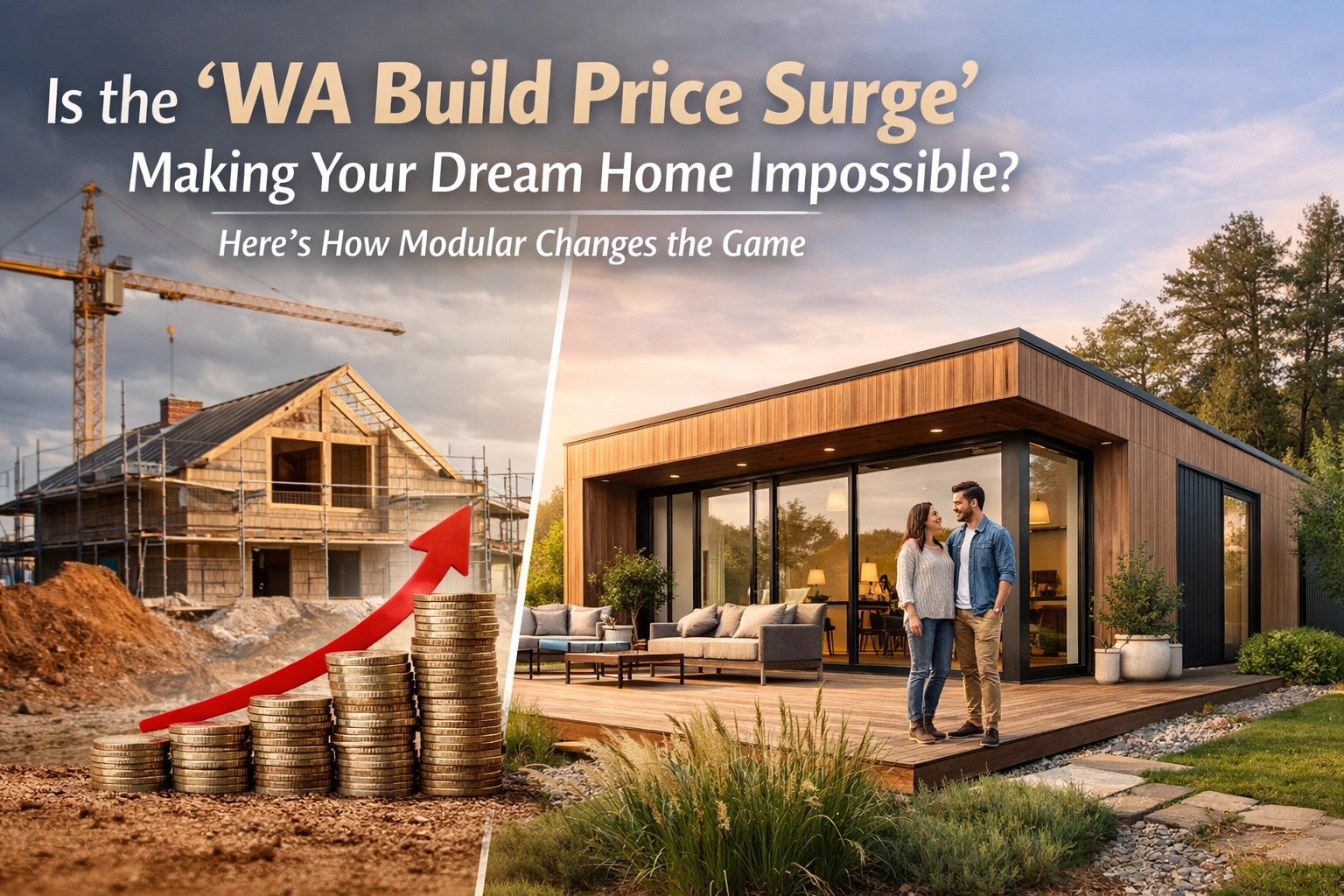
If you've been putting off building your dream home in WA, hoping prices would eventually come down, well, here's the gut punch: they haven't. And according to recent Master Builders analysis reported by PerthNow, they've actually skyrocketed nearly 100 percent in just seven years.
That's not a typo. The cost to build a new house in Western Australia has essentially doubled since 2019, making WA the most expensive state for construction escalation in the entire country: more than double the national average of 47 percent.
For anyone who's been watching from the sidelines, this feels less like a market correction and more like getting priced out of your own future. But here's the thing: traditional building methods are struggling under the weight of these increases, while modular construction is offering a genuine alternative that sidesteps many of these cost drivers entirely.
The Numbers Don't Lie (And They're Brutal)
Let's break down what this surge actually means in real dollars.
A property that would have cost you $300,000 to build in 2019 now requires a budget of approximately $568,800. That's an extra $268,800 just to end up with the same house you could have built seven years ago.
Perth's median house price has broken through the $1 million mark, and the average home loan in WA now sits at over $630,000. Meanwhile, WA's inflation rate hit 4.4 percent in December 2025, well above the national average of 3.8 percent: with housing costs themselves climbing 8.6 percent annually.
The cost of purchasing a new dwelling is up 5.1 percent year-on-year, and there's no sign of the trend reversing.
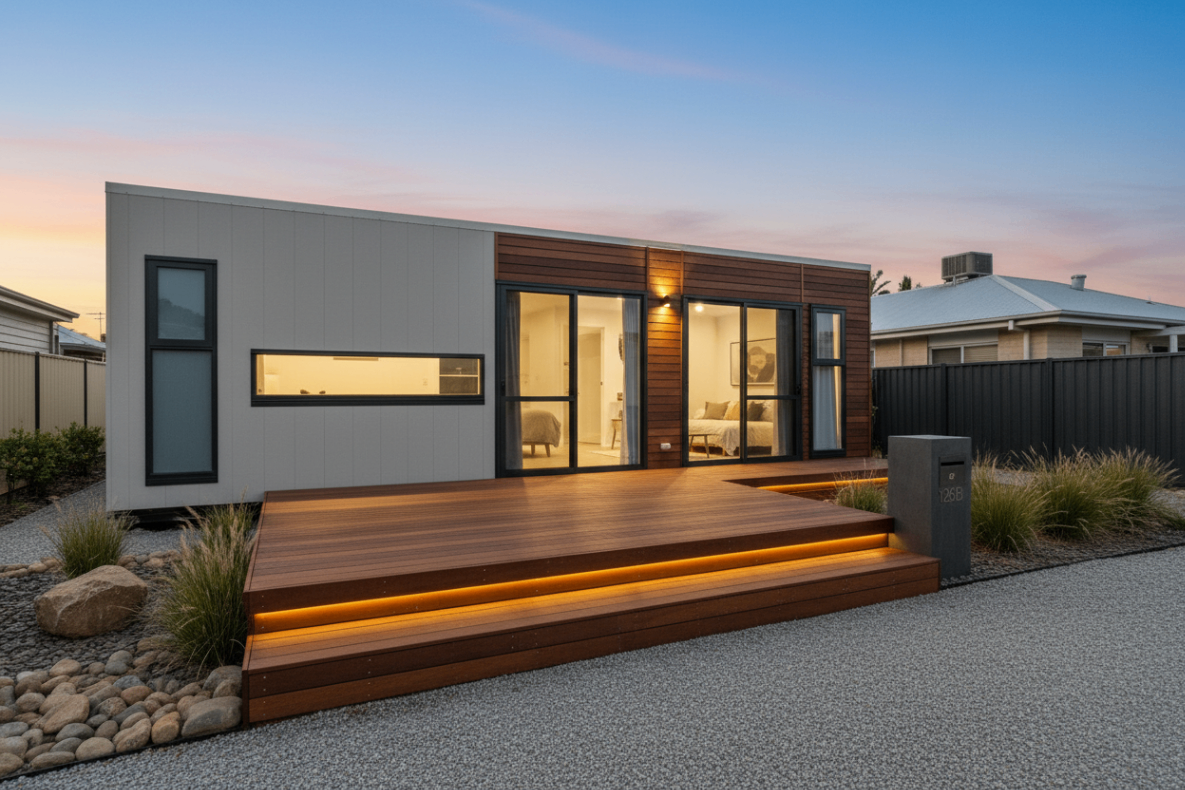
Why Traditional Builds Are Bleeding Money
Two massive cost drivers are crushing traditional construction:
Material costs have surged nearly 40 percent since 2019 across the board. But some materials have gone absolutely stratospheric:
- Ceramic products: up more than 110 percent
- Cement products: up 57 percent
- Timber, board, and joinery: up nearly 40 percent
Then there's the labour crisis. Skilled and unskilled workers are in desperately short supply across WA, which means subcontractors can: and do: charge whatever they want. When you've got massive government infrastructure projects hogging resources and qualified tradies, residential builds become the lowest priority on everyone's list.
The result? Your six-month build timeline stretches to eighteen months. Your fixed-price contract becomes a moving target of variations and "unforeseen costs." And your budget? It's a suggestion at best.
The Hidden Costs Nobody Talks About
Beyond the raw material and labour expenses, traditional site builds come with a laundry list of hidden costs that modular construction simply doesn't suffer from:
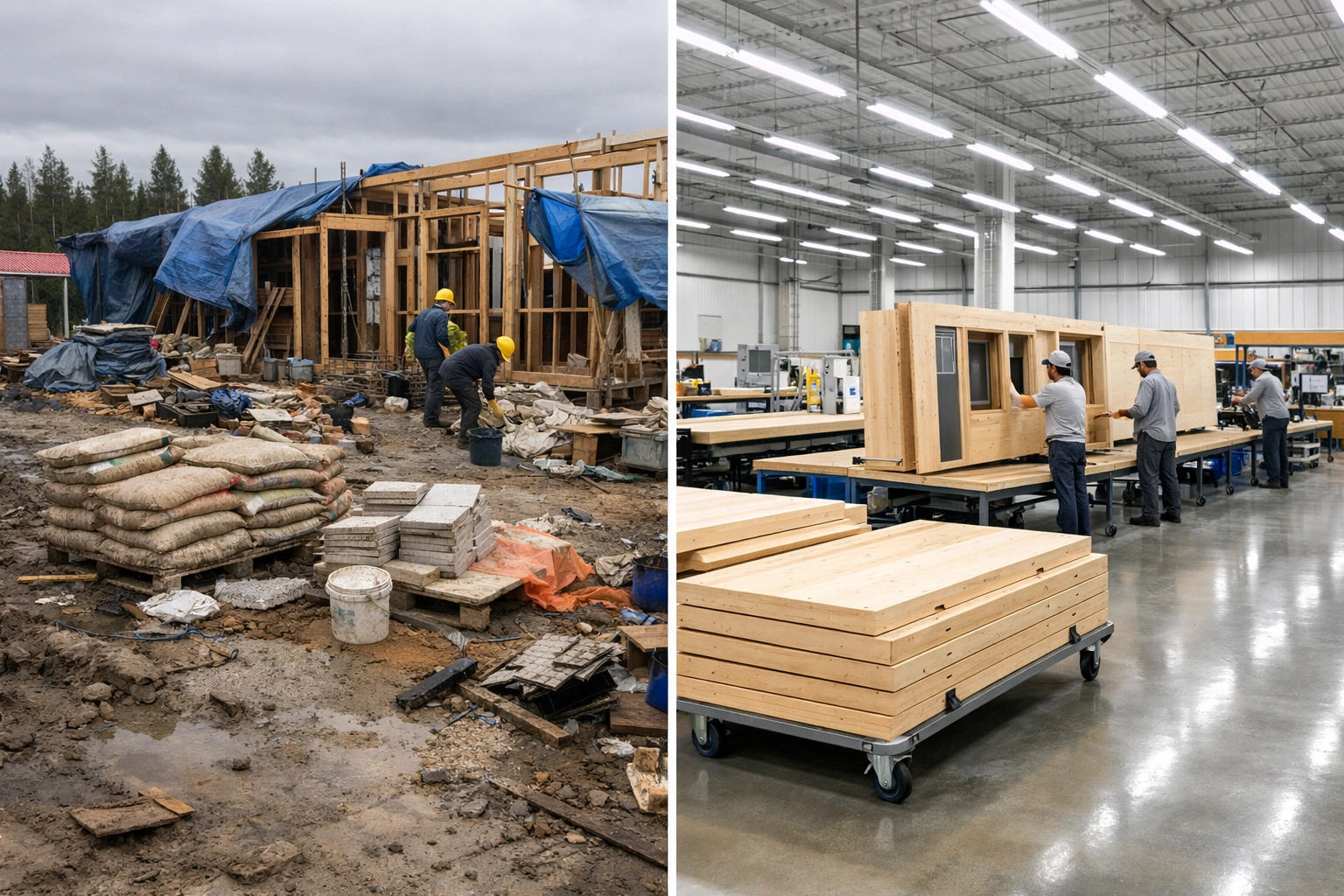
Waste. On-site builds generate massive amounts of material waste: anywhere from 10–20 percent of total materials ordered end up in the skip. When timber costs are up 40 percent, that's not just environmentally irresponsible, it's financially reckless.
Weather delays. Every day of rain is another day of paying site supervisors, insurances, and holding costs. In WA's unpredictable climate, that adds up fast.
Coordination chaos. Getting the plumber, the electrician, the gyprockers, and the renderer to show up in the right sequence is like herding cats. Every delay cascades into the next trade, and suddenly you're three months behind with nothing to show for it.
Theft and vandalism. Open building sites are targets. Tools go missing. Materials disappear. Security becomes another line item.
How Modular Construction Fights These Trends
Here's where modular homes completely flip the script on WA's build price crisis. Instead of fighting inflation and supply chain chaos with traditional methods, modular construction is purpose-built to avoid these problems in the first place.
Speed Beats the Inflation Clock
Traditional builds take 12–18 months minimum in the current climate. During that time, material costs keep climbing, labour rates keep increasing, and your locked-in budget becomes obsolete.
Modular homes are built in controlled factory environments in a matter of weeks, not years. The faster your home goes from concept to completion, the less exposure you have to price escalation. You're not sitting around watching your budget evaporate while you wait for the next available tradie.
Factory Efficiency Means Less Waste (And Lower Costs)
In a factory setting, materials are measured precisely, cut once, and used efficiently. EcoHub Homes' controlled manufacturing process reduces material waste by an average of 40 percent compared to traditional site builds.
When ceramics are up 110 percent and timber is up 40 percent, that waste reduction translates directly into cost savings. You're buying fewer materials to achieve the same result: and in today's market, that's the difference between affordable and impossible.
Fixed Pricing Actually Means Fixed Pricing
One of the biggest nightmares of traditional construction is the endless parade of variations and "extras" that weren't in the original quote. Soil conditions, weather delays, material substitutions: they all become excuses to adjust the price upward.
Modular homes are built to precise specifications in factory conditions. There are no surprise soil issues because the foundation work is minimal. There are no weather delays halting production. There are no last-minute material substitutions because the builder couldn't get what they ordered.
EcoHub Homes offers transparent, fixed pricing that actually holds throughout the build process.
Accessibility: A Real Alternative to the $1M Median
Here's the reality check: if Perth's median house price is now over $1 million, and the average home loan is $630,000+, homeownership is moving further out of reach for most Western Australians.
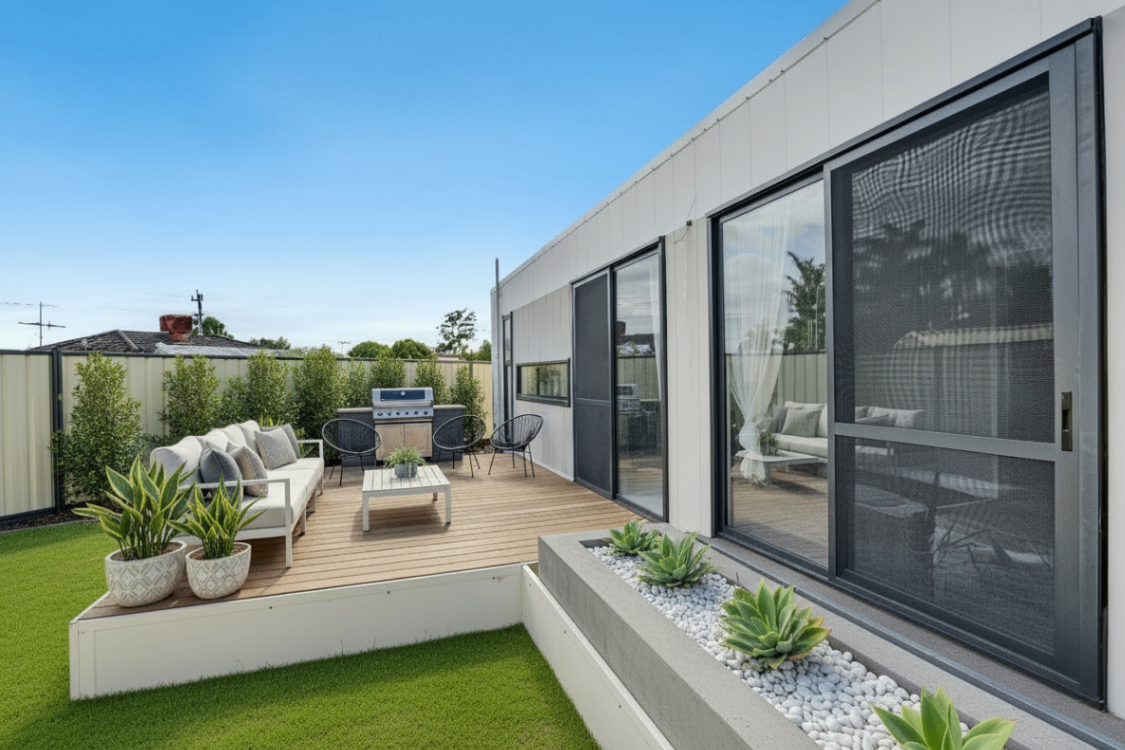
EcoHub Homes offers modular solutions starting from $99,000: a figure that feels almost fictional compared to the $568,800 average for traditional new builds. Even our premium 3-bedroom, 2-bathroom T-House models deliver exceptional value compared to traditional construction costs.
That's not cutting corners or compromising quality. It's about manufacturing efficiency, reduced waste, shorter timelines, and eliminating the hidden costs that plague traditional builds.
The Real Cost Comparison
Let's be honest about what you're actually getting for your money:
Traditional Build in WA (2026):
- Average cost: $568,800+
- Timeline: 12–18 months (often longer)
- Weather delays: inevitable
- Material waste: 10–20%
- Hidden costs: variations, holding costs, insurance
- Risk exposure: high (cost escalation during build)
EcoHub Modular Home:
- Entry price: from $99,000
- Timeline: weeks, not years
- Weather delays: minimal (factory-built)
- Material waste: 40% less than traditional
- Fixed pricing: transparent from day one
- Risk exposure: low (fast completion beats inflation)
You're not just saving money: you're buying certainty in an uncertain market.
What This Means for Your Plans
If you've been sitting on land waiting for the "right time" to build, the data is clear: costs aren't coming down. The factors driving WA's 100 percent price surge: material costs, labour shortages, government project demand: aren't temporary blips. They're structural issues that will persist for years.
Traditional construction is fighting a losing battle against these trends. Modular construction is purpose-built to sidestep them entirely.
The homes we're delivering today are the same quality: often better: than traditional builds, with premium finishes, full-height double-glazed windows, 2600mm high ceilings, and extensive insulation for energy efficiency. But they're being delivered faster, cheaper, and with far less risk.
Ready to Explore Your Options?
If the $568,800 average build cost feels like it's pushing your dream home further out of reach, it's worth exploring what modular construction can do for your specific situation.
Check out our range of modular homes or get in touch with our team to talk through your project. We'll walk you through real numbers, real timelines, and how modular construction can deliver what traditional builds simply can't in today's market.
Because in a market where costs have doubled in seven years, doing things the same way everyone else does isn't just expensive( it's financially reckless.)