

You own a vacant block. Every month that passes, you're paying holding costs: rates, land tax, loan interest: while earning precisely nothing in return. Traditional construction timelines stretch out to 12+ months, weather delays stack up, and the financial drain continues.
There's a faster path forward.
Modular homes: purpose-built in controlled factory conditions: deliver rental-ready properties in a fraction of the time. Starting from $99k, these aren't compromised structures. They're engineered homes that meet the exact same Australian construction standards as site-built houses, with one crucial difference: you can start collecting rent months earlier.
Why Speed Matters More Than You Think
Traditional construction operates on a linear timeline. Site preparation happens first. Then building begins. Weather stops work. Trades run late. Each delay compounds.
Modular construction runs on parallel timelines. While your land undergoes site preparation: clearing, levelling, service connections: your home is simultaneously being built in a climate-controlled factory. No rain delays. No waiting for trades to become available. The manufacturing process follows a precise assembly line, with quality checkpoints at every stage.
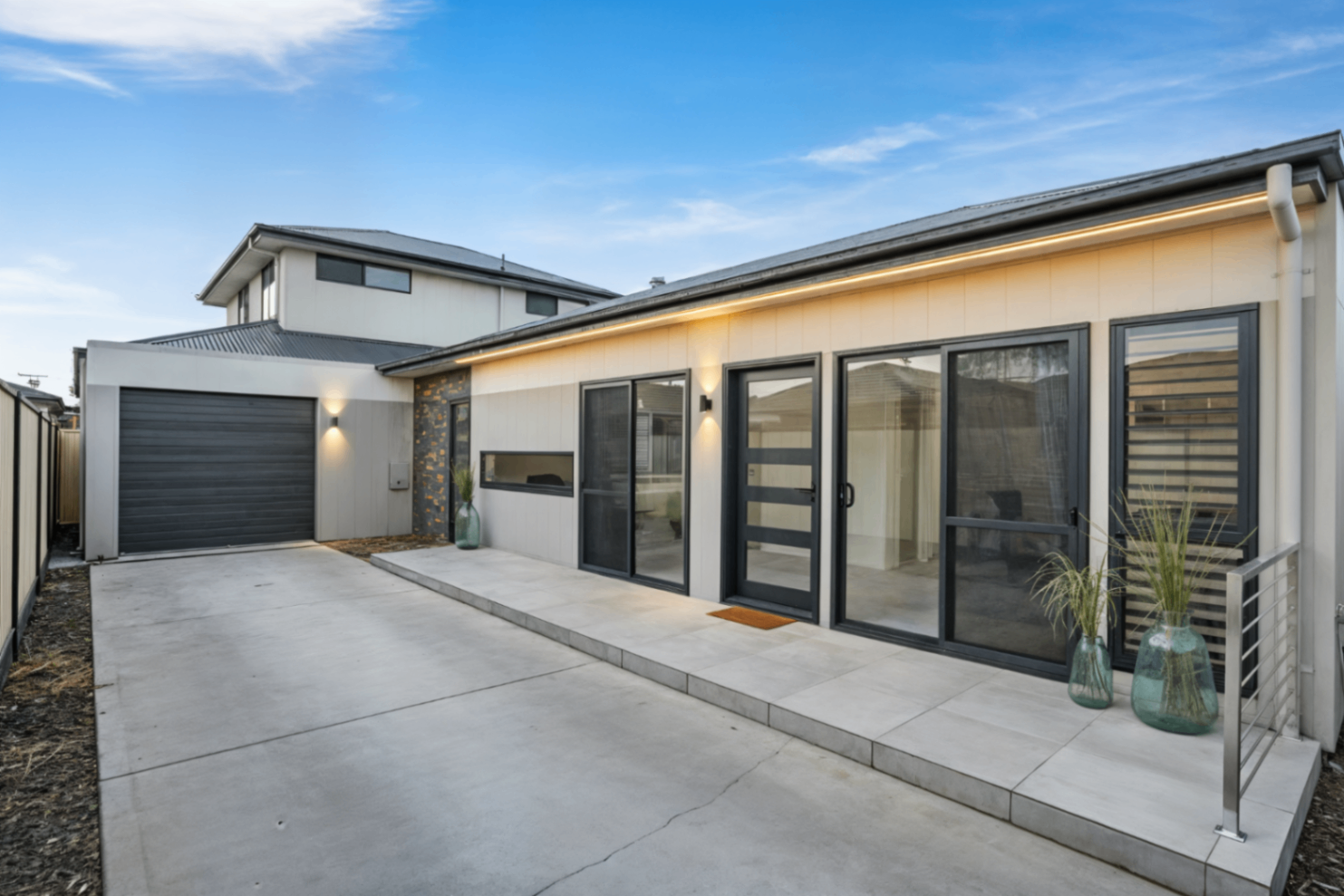
The result? A typical modular build reaches completion in 3-6 months from permit approval to handover. Compare that to 12-18 months for conventional construction. Every month you cut from the build timeline is a month of rental income you capture: or holding costs you eliminate.
The mathematics work in your favour. Even at modest rental returns, accelerating your timeline by six months can add $15,000-$20,000 in additional income over the first two years. That's not speculative ROI: it's simple calendar arithmetic.
The Real Cost of "Cheap" Construction
Factory-built doesn't mean budget-compromised. The efficiency comes from controlled manufacturing, not corner-cutting.
Consider what happens in traditional on-site construction:
- Materials sit exposed to weather, degrading before installation
- Trades work in variable conditions, affecting precision
- Rework costs average 5-10% of total build spend
- Timeline uncertainty creates cascade delays across all trades
Modular manufacturing eliminates these variables. Materials remain protected until installation. Assembly happens in optimal conditions. Quality control catches issues before they become expensive fixes. The repeatable process means predictable timelines and fixed costs.
EcoHub homes start at $99k for our one-bedroom configurations: that's the manufactured unit itself. Transparency matters here: that figure doesn't include site preparation, service connections, or delivery. But it does include premium specifications that would cost significantly more in traditional builds.
The Investor's Pre-Installation Checklist
Smart investors understand total project costs before committing. Here's what sits outside the base module price:
Site Preparation
Your block needs to be development-ready. This includes clearing vegetation, levelling to accommodate the home's foundation system, and ensuring adequate drainage. Costs vary dramatically based on your block's current condition: from $5,000 for a cleared, level lot to $25,000+ for sites requiring significant earthworks.
Service Connections
Every home needs power, water, and sewerage. If services run past your property boundary, connection costs typically range from $5,000-$15,000. Blocks in developing areas without nearby infrastructure face higher costs: sometimes requiring private septic systems or extended electrical runs.
Council Permits and Approvals
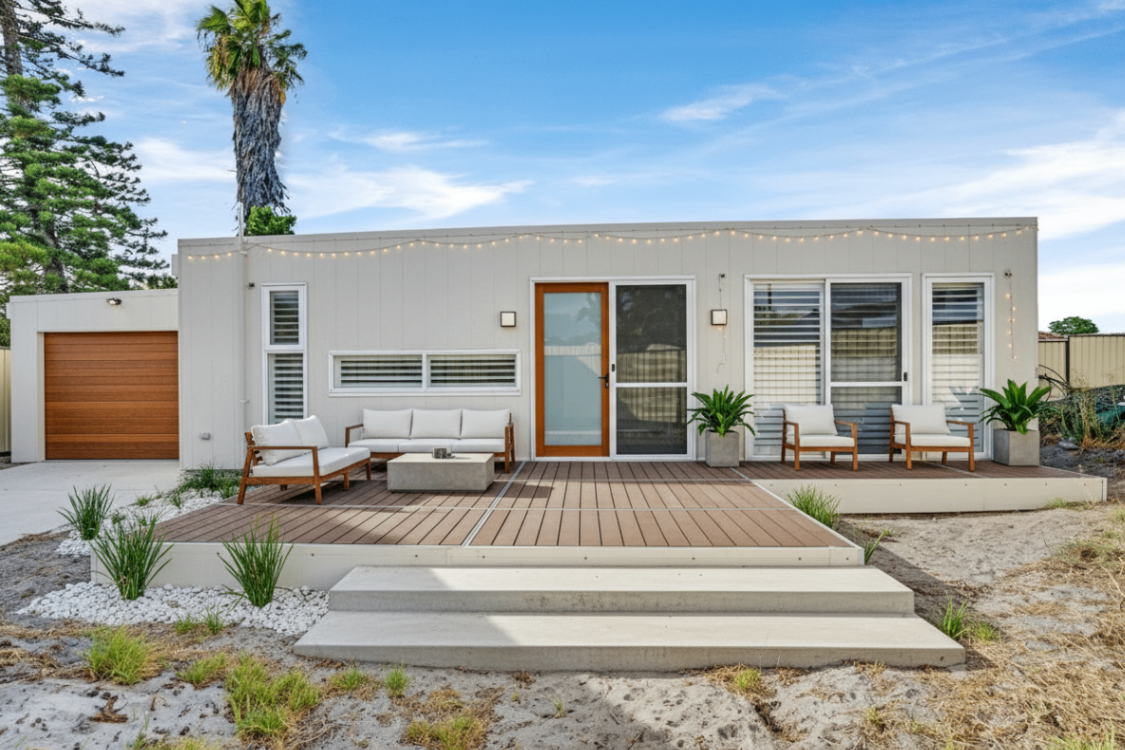
Development applications, building permits, and certification fees differ across council areas. Budget $3,000-$8,000 for the approval process. Some councils process applications faster than others: another timeline variable to account for in your planning.
Delivery, Crane, and Installation
Your completed module travels from factory to site via specialised transport. A crane lifts it onto the prepared foundation. Installation teams connect services and complete finishing work. This typically adds $8,000-$15,000 depending on your site's accessibility and distance from our manufacturing facility.
Add these components together, and all-in costs for a turnkey one-bedroom modular home typically land between $150,000-$180,000 in most metropolitan markets. That's competitive with apartment prices but delivers a complete standalone dwelling on titled land.
What $99k Actually Buys You
The base module price covers significantly more than four walls and a roof. EcoHub homes include specifications that position them as premium rental stock:
Full-Height Double-Glazed Windows
Every window is thermally efficient, double-glazed glass that reduces heat transfer by up to 60% compared to standard single-pane windows. This isn't just marketing speak: it translates directly into lower energy bills for your tenants and higher rental appeal.
High Ceilings Throughout
Standard ceiling height in Australian homes sits at 2.4 metres. EcoHub modules feature 2.7-metre ceilings as standard. The difference transforms perceived space: rooms feel larger, airflow improves, and the overall quality perception jumps significantly.
Energy-Efficient Insulation
Wall and ceiling insulation exceeds minimum requirements. Roof insulation reaches R4.0+ in most configurations, walls sit at R2.5+. Combined with the double glazing, your home operates more efficiently in both summer heat and winter cold.
Solar-Ready Infrastructure
Every EcoHub home includes conduit and connection points for solar installation. As energy costs continue rising, this future-proofs your investment and provides an attractive upgrade path for environmentally conscious tenants.
Premium Internal Finishes
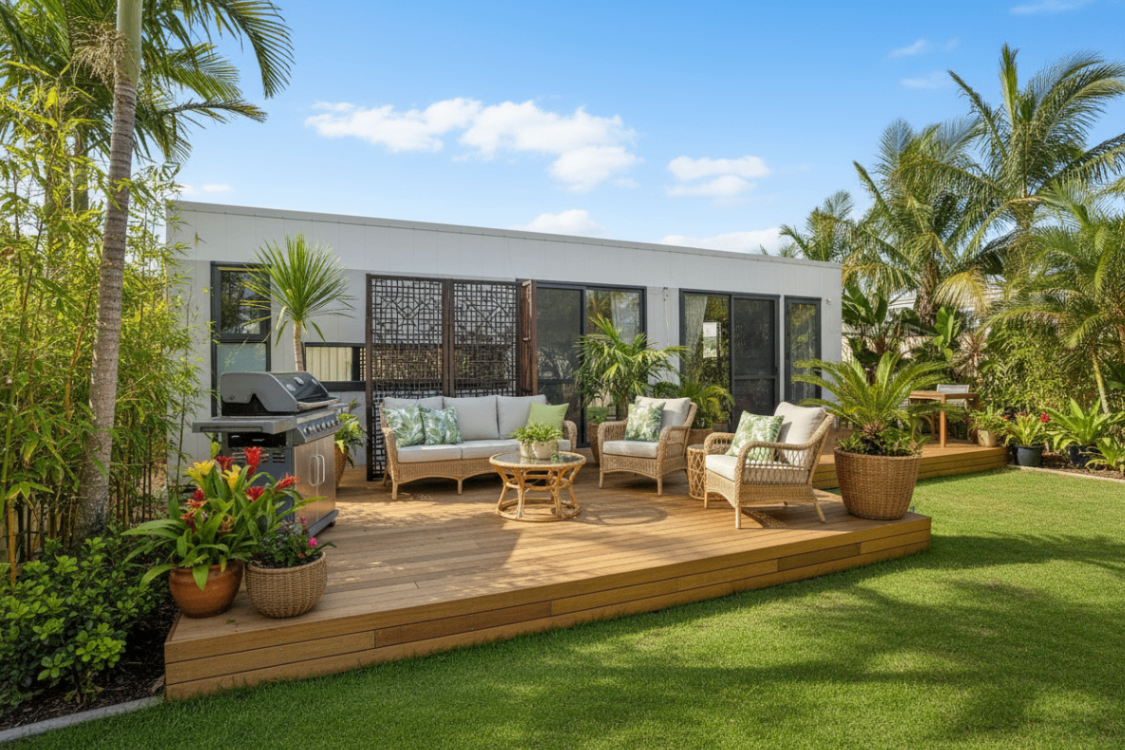
Stone benchtops in the kitchen. Quality fixtures and fittings throughout. Engineered timber-look flooring that withstands heavy use. These aren't budget specifications: they're durable, attractive finishes that justify higher rental returns and attract quality tenants.
Building to Australian Standards: Permanently
Some investors hesitate around modular construction, assuming "prefab" means temporary or substandard. The reality contradicts that perception entirely.
Every EcoHub home complies with the National Construction Code (NCC): the same regulatory framework governing every house built in Australia. This covers structural integrity, fire safety, weatherproofing, energy efficiency, and health requirements. There's no separate "modular standard": it's the same code whether construction happens on-site or in a factory.
The difference? Factory construction actually enables higher precision. Components are manufactured to tolerances of ±2mm versus ±10mm typical in site construction. Quality checkpoints happen at multiple stages before the home leaves the facility. The controlled environment eliminates weather-related material damage and inconsistent workmanship.
We back this confidence with a 10-year structural warranty: the same coverage major builders provide on traditional homes. This isn't a limited warranty with exclusions buried in fine print. It's comprehensive coverage on structural elements, giving you and your tenants genuine peace of mind.
From Purchase to First Rent Payment
The typical investor journey looks like this:
Weeks 1-4: Site assessment, council approvals lodged, preliminary site works commence. Your home begins manufacturing simultaneously.
Weeks 5-12: Module completes factory construction including all internal fit-out. Site preparation finalises: foundation poured, service connections trenched and ready.
Week 13-16: Transport, crane installation, and final connection work. Internal inspection and certification.
Week 17+: Marketing commences, tenant selection, lease signing. First rent payment typically arrives 4-5 months from initial commitment.
Compare that timeline to traditional construction where you're often waiting 4-5 months just to see framing completed.
Your Next Step
Vacant land represents dormant capital. The question isn't whether to develop it: it's how quickly you can transform holding costs into rental returns.
EcoHub homes deliver that transformation faster than traditional construction, with transparent pricing and premium specifications that justify strong rental yields.
Ready to assess your block's potential? We offer complimentary feasibility consultations that examine your specific site, outline total project costs including all development expenses, and provide realistic timeline estimates based on your council area.
No pressure. No obligation. Just clear information that helps you make the right decision for your investment strategy.
Contact EcoHub Homes for your block assessment, or explore our full range of modular home configurations to see which layout fits your investment goals.