
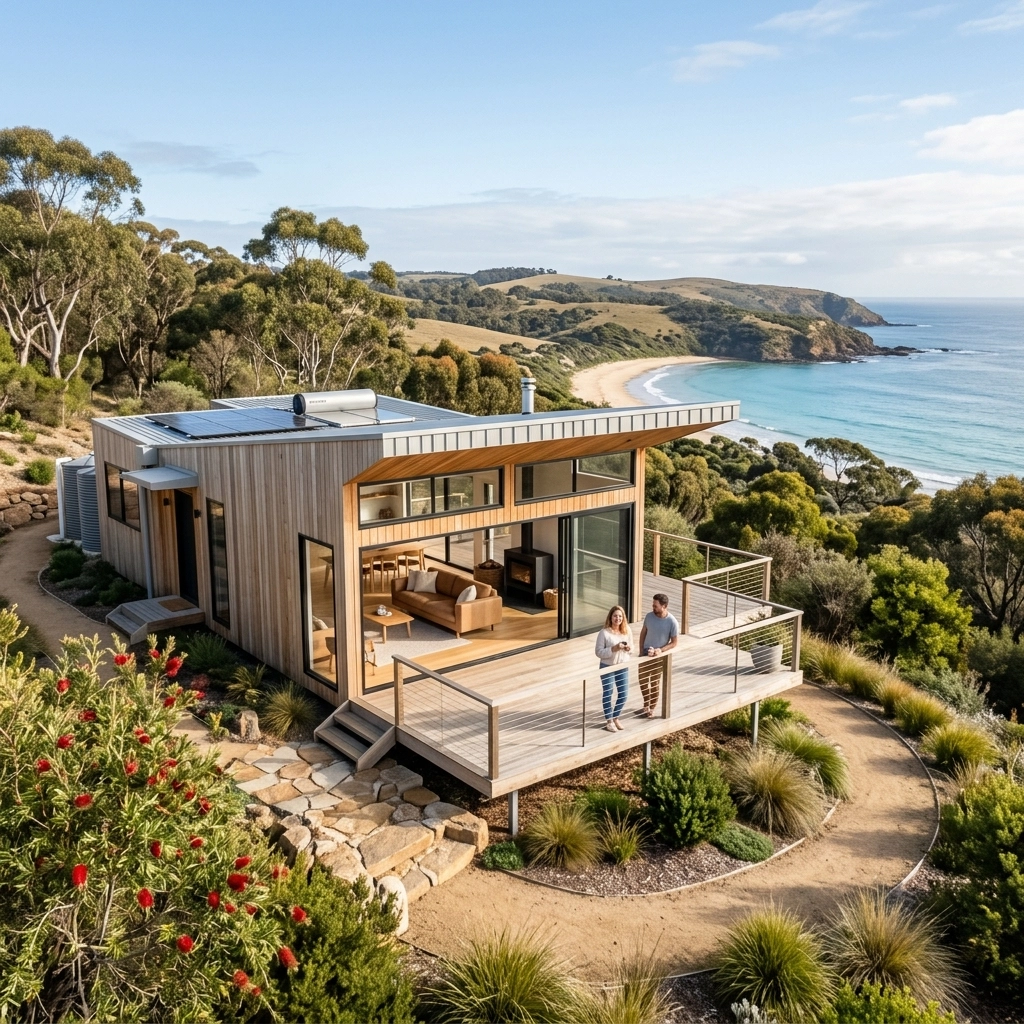
If you’ve been keeping an eye on the Australian property market lately, you’ve probably noticed a massive shift. The days of waiting two years for a traditional brick-and-mortar build: while battling material shortages and skyrocketing labour costs: are quickly becoming a thing of the past.
It’s April 2026, and the "modular revolution" isn't just a buzzword anymore; it’s the standard. Whether you’re looking to build a sustainable sanctuary in the bush, a sleek urban granny flat for rental income, or a high-end family home, modular housing is the smartest play on the board.
At EcoHub Homes, we’re seeing more Australians than ever trade the stress of traditional construction for the precision and speed of prefab. But before you sign on the dotted line, you need to know how the landscape has changed this year. Here are the 10 things you absolutely need to know about modular homes in Australia for 2026.
1. Modular is Now the Mainstream Choice
In years past, modular homes were often relegated to "temporary" or "cheap" categories. That’s ancient history. In 2026, over 65% of new home builds in Australia integrate some form of advanced modular or prefabricated system. From high-end luxury retreats to essential remote workforce housing, the industry has matured. We’ve moved from being an alternative to being the benchmark for quality and efficiency.
2. Speed is Your New Best Friend
The biggest frustration with traditional building has always been the timeline. In 2026, we’ve perfected the "factory-to-front-door" pipeline. While a conventional build might still take 12 to 18 months, our modular homes are moving people in within 8 to 20 weeks.
Because the majority of the construction happens in a controlled factory environment, we don't deal with "rain days" or site delays. You can learn more about how we crush these timelines in our guide to modular home construction timelines.
3. The 2026 Cost Reality
Let’s talk numbers. In the current market, Australian modular homes are priced competitively, typically ranging between $2,500 and $3,000 per square metre. While the entry-point for a simple, high-quality starter home sits around $150,000, investors are finding incredible value in mid-range builds: like our one-bedroom, one-bathroom designs: starting from approximately $229,000 with premium finishes.
The real saving isn't just in the materials; it's in the reduced interest on construction loans because you’re finishing months ahead of schedule.
4. SIPs: The Gold Standard for 2026
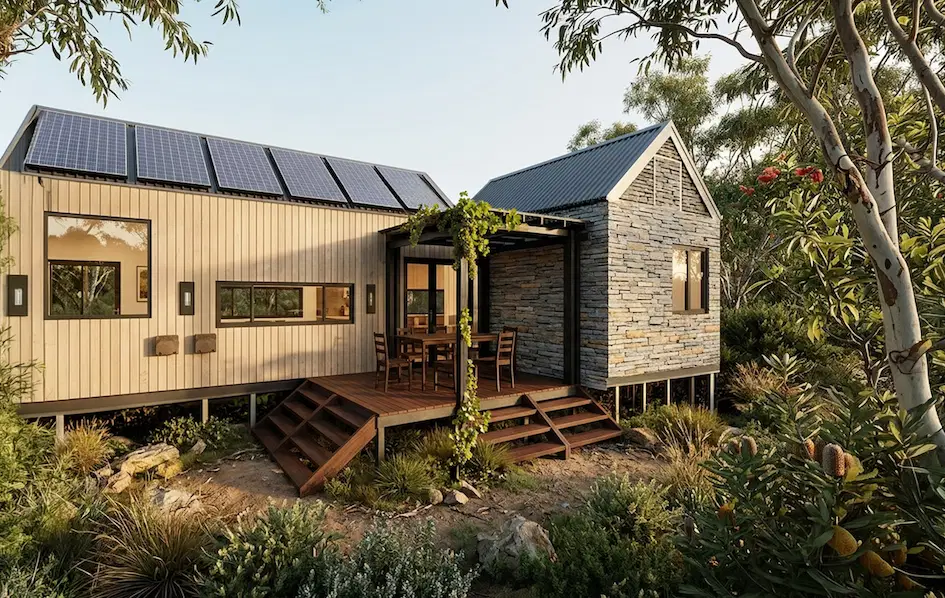
If you aren't talking about SIPs (Structural Insulated Panels), you’re building in the past. In 2026, SIPs have emerged as the industry leader for creating airtight, resilient homes. These panels provide incredible structural strength and thermal performance, making them perfect for Australia’s unpredictable climate. At EcoHub Homes, we lean heavily into these innovations to ensure every home is a fortress against the heat and cold.
5. Energy Efficiency isn't Optional Anymore
With energy prices continuing to bite, building a home that "leaks" air is a financial mistake. Modern modular homes use up to 30% less energy than traditional builds. By focusing on achieving passive house standards, we’re delivering homes that require minimal heating or cooling.
Think double-glazed windows (a standard for us), R4.8 ceiling insulation, and solar-ready designs. We aren't just building houses; we’re building energy-independent assets.
6. Customisation Has Reached New Heights
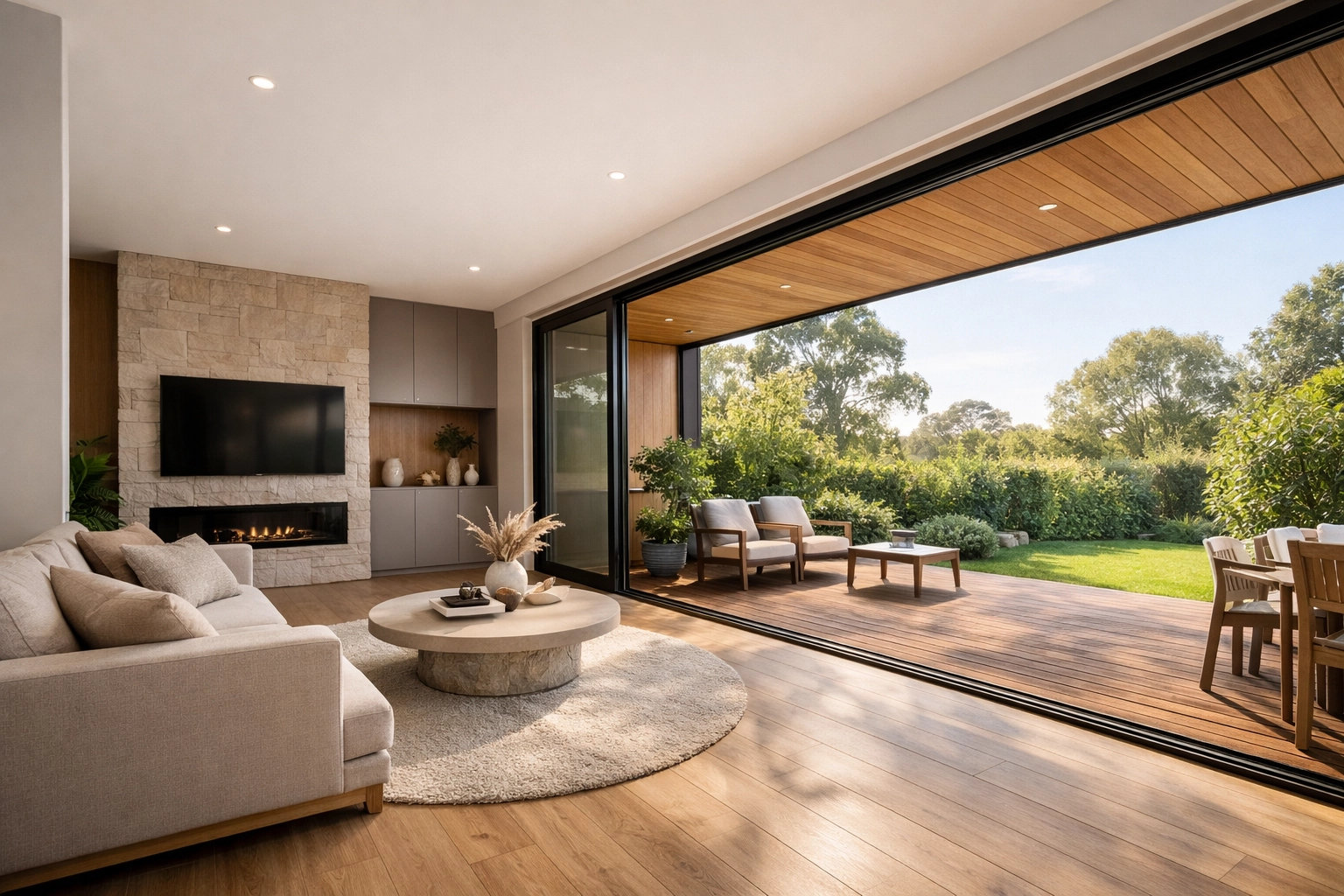
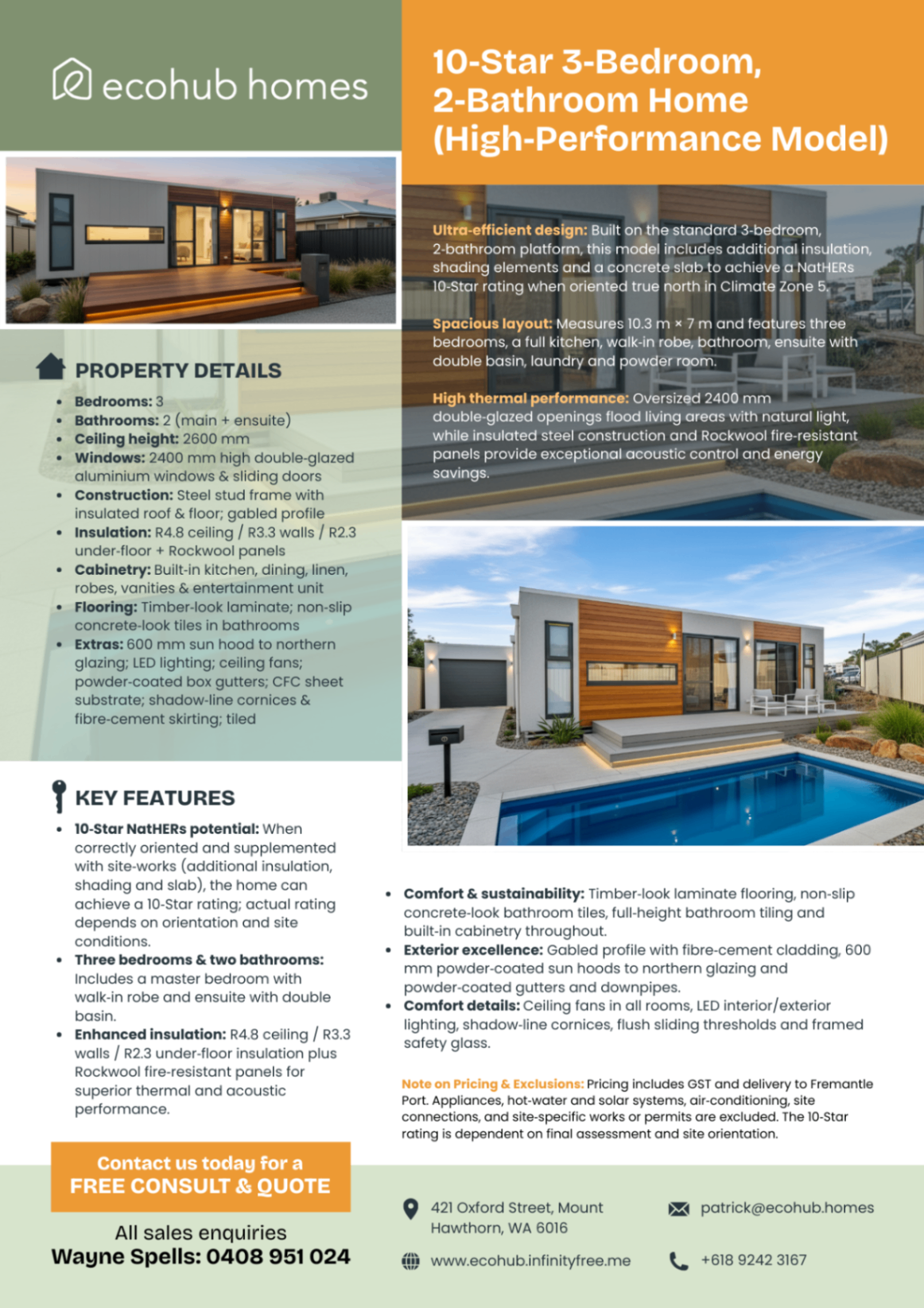
The "cookie-cutter" stigma is dead. In 2026, modular design is incredibly flexible. Whether you want 2600mm high ceilings, full-height bathroom tiling, or seamless indoor-outdoor living spaces, it’s all doable. Our 3-bedroom, 2-bathroom "T-House" is a prime example of how modular can feel architectural and bespoke while maintaining the benefits of factory precision.
7. Sustainability is Built-In, Not Bolted On
Traditional building sites are notorious for waste: offcuts of timber, half-used bags of cement, and piles of plastic. Modular construction changes the game by using precision manufacturing. We repurpose offcuts and optimise every centimetre of material.
When you choose a modular build in 2026, you’re choosing a path that significantly reduces the environmental footprint of your home. It’s about building smarter, not just bigger. If you’re building in sensitive areas, check out our insights on sustainable prefab homes in Victoria.
8. Unlocking Passive Income with Granny Flats
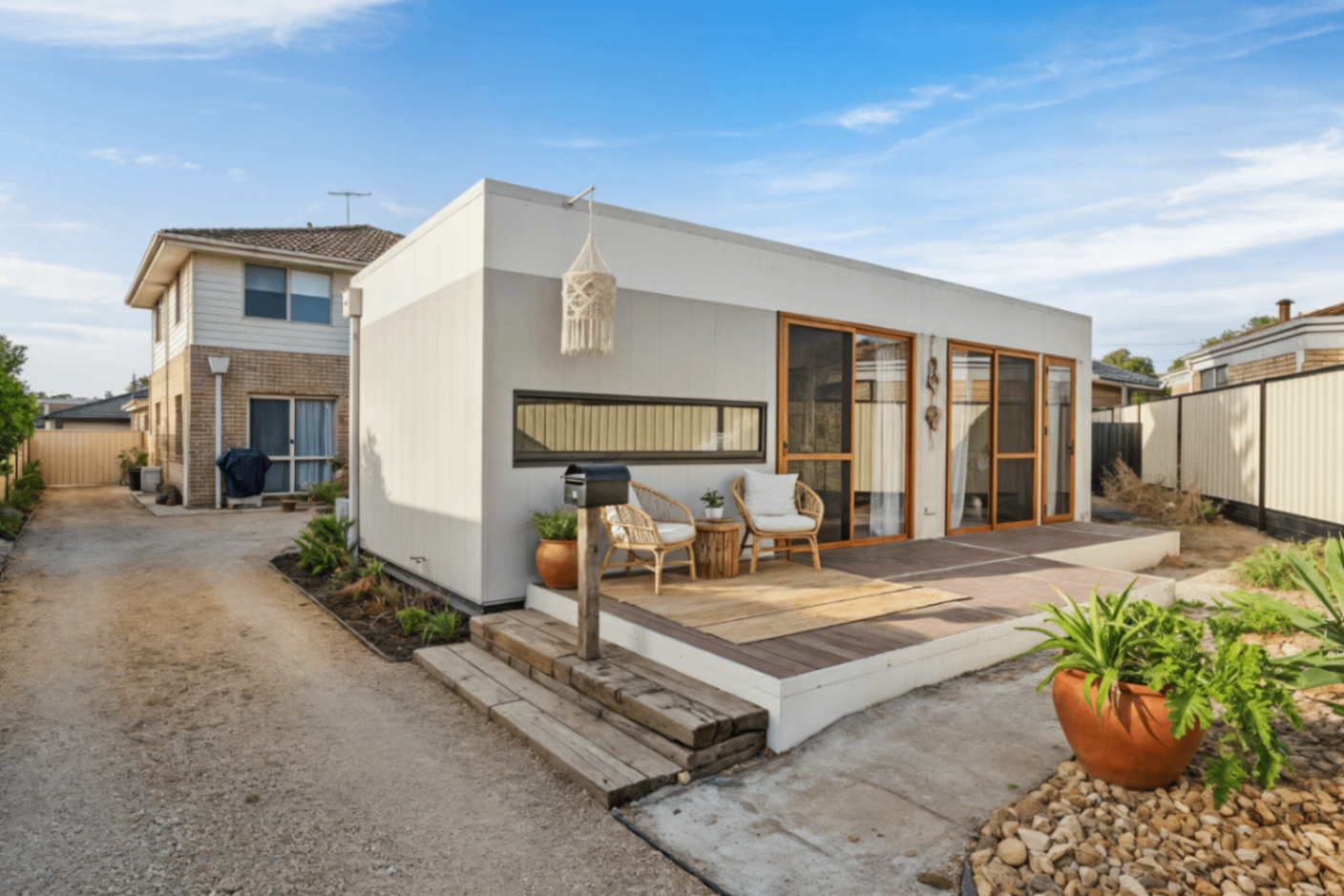
For property owners in 2026, the modular granny flat is the ultimate "side hustle." With the housing shortage still a major talking point, adding a secondary dwelling to your backyard is a fast-track to rental income.
Because these units can be installed so quickly, you can go from an empty backyard to a rent-collecting asset in a matter of months. It’s why so many Australians are looking at unlocking passive income through modular investments right now.
9. Remote and Off-Grid Capability
Whether it’s for a mining site or a tree-change retreat, modular homes are uniquely suited for remote Australia. Trying to get a traditional builder to a remote site in 2026 is an expensive nightmare.
Modular homes, however, are built in the city and transported to the site, ready for installation. This makes off-grid modular living more accessible than ever. We’re seeing a massive surge in people using these solutions to beat the city crush and find their own slice of paradise.
10. South Australia is Leading the Way
While the whole country is moving towards prefab, South Australia has emerged as a true pioneer in the sector. The region has become a hub for sustainable, energy-efficient modular construction, proving that the tech can handle everything from coastal salt spray to harsh outback heat. At EcoHub Homes, we’ve taken these regional lessons and applied them nationwide.
Why EcoHub Homes?
We know that building a home: modular or otherwise: is one of the biggest decisions you’ll ever make. That’s why we don't just sell "boxes." We provide a complete, turnkey service. From site preparation and council approvals to the final coat of paint and a 10-year warranty, we handle the heavy lifting.
Our homes feature:
- Steel frame construction for ultimate durability.
- Full-height double-glazed windows to flood your space with light without losing heat.
- Premium finishes like timber-look flooring and built-in cabinetry.
- Solar-ready designs to help you reach energy independence.
The Bottom Line for 2026
The housing market in 2026 demands efficiency, sustainability, and speed. Traditional construction methods are struggling to keep up with the pace of modern life and the reality of our climate. Modular housing isn't just a "good alternative": it’s the smarter, faster, and more eco-friendly way to build.
Whether you're looking to maximise land value through subdivisions or you’re finally ready to build that dream home on the coast, we’re here to help you get there without the 18-month headache.
Ready to start your journey?
Building your dream home shouldn't be a battle. Let's chat about your project and see how our 2026 modular solutions can work for you.
Explore our range of homes or get in touch for a free consultation today. Let’s build something brilliant together.