
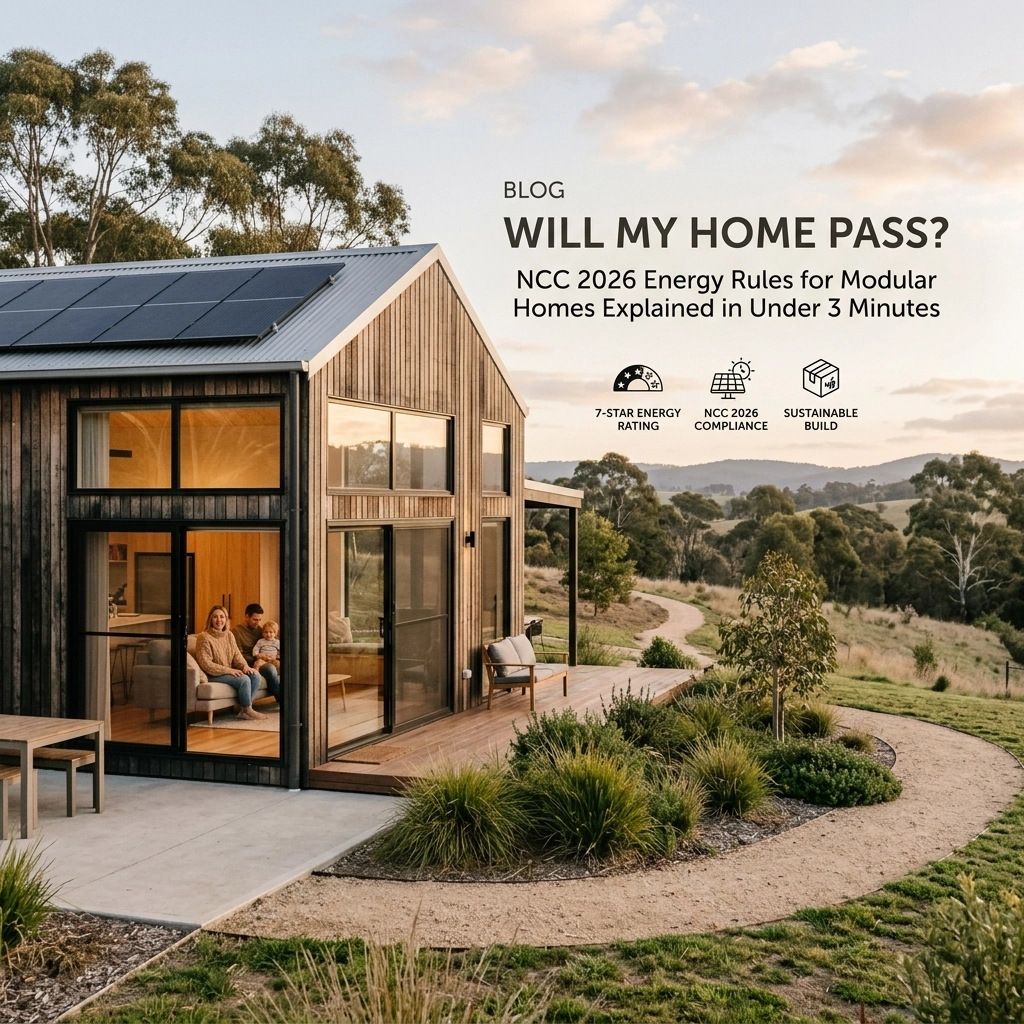
Let’s be honest: reading the National Construction Code (NCC) is usually a one-way ticket to a very deep, very boring nap. But if you’re planning to build a home in Australia right now, ignoring the 2026 updates is like trying to ignore a kangaroo in your kitchen, it’s going to cause problems.
The NCC 2026 energy rules aren't just bureaucratic red tape; they represent a fundamental shift in how we build. For those of us in the world of modular homes Australia, these rules are actually a bit of a victory lap. Why? Because prefab construction was literally designed for this level of efficiency.
If you’re worried about whether your future build will pass the test, or if you’re just wondering why everyone is suddenly obsessed with "thermal envelopes," you’re in the right place. We’re breaking down the complex jargon into plain English.
The 7-Star Standard: More Than Just Extra Pink Batts
For years, the 6-star energy rating was the gold standard. In 2026, that floor has been raised. Every new Class 1a building (that’s your standard house or modular home) must now hit a minimum 7-star thermal rating.
What does that actually mean for you? A 7-star home uses roughly 20–25% less energy to heat and cool than a 6-star home. It’s the difference between wearing a thermal undershirt in July and actually being able to walk around your living room in a t-shirt without shivering.
To get there, the NCC looks at the "building shell." This includes:
- High-Performance Insulation: It’s not just about the roof; it’s about the walls and floors too.
- Glazing: Say goodbye to thin, single-pane glass. Double glazing is now the baseline for any premium prefab homes Australia.
- Orientation: How your home sits on the block to catch the sun (or hide from it) is now a critical part of the math.
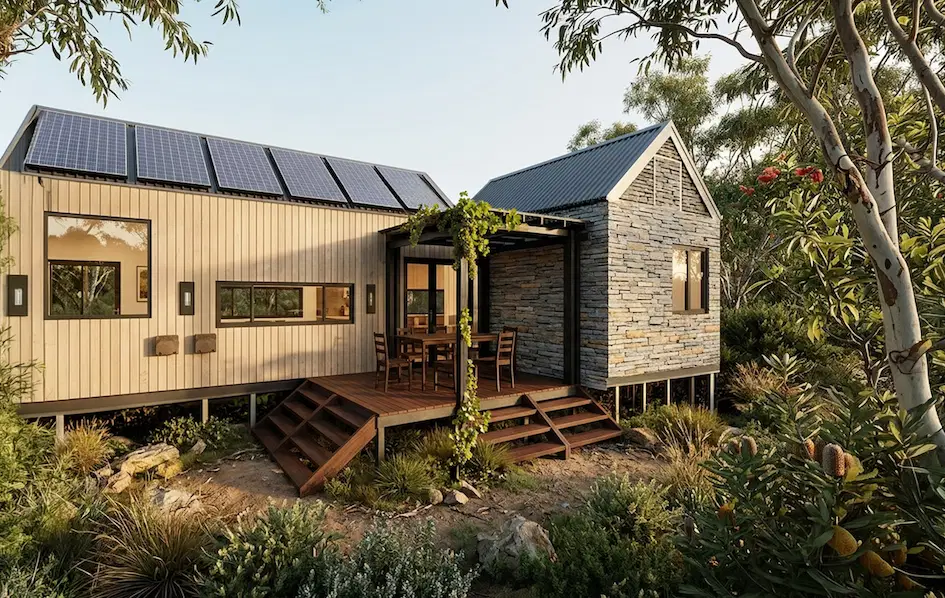
The Whole-of-Home Score: The New Kid on the Block
This is where things get interesting. In the past, the NCC mostly cared about the "shell" of the house. Now, they’re looking at the "guts" too. This is the Whole-of-Home energy score, and you need at least a 60 out of 100 to pass.
Think of this like a lifestyle audit for your house. The score tracks how much energy your fixed appliances suck up. We’re talking:
- Hot Water Systems: Traditional electric tanks are out; high-efficiency heat pumps are in.
- Heating and Cooling: Reverse-cycle air conditioning is the MVP here.
- Lighting: LED or bust.
- Pool Pumps: Yes, even your pool is being judged.
A score of 100 would mean your home is "Net Zero", generating as much energy as it uses. While you only need a 60 to pass, many EcoHub designs are pushing much higher because, frankly, who wants a "just passing" home when you can have a future-proof one?
Why Modular Homes Australia are Born for This
If you’re building a traditional stick-built home on-site, hitting a 7-star rating is a logistical nightmare. You’re dealing with gaps in insulation, weather delays, and tradespeople who might not be used to the precision required for a truly airtight seal.
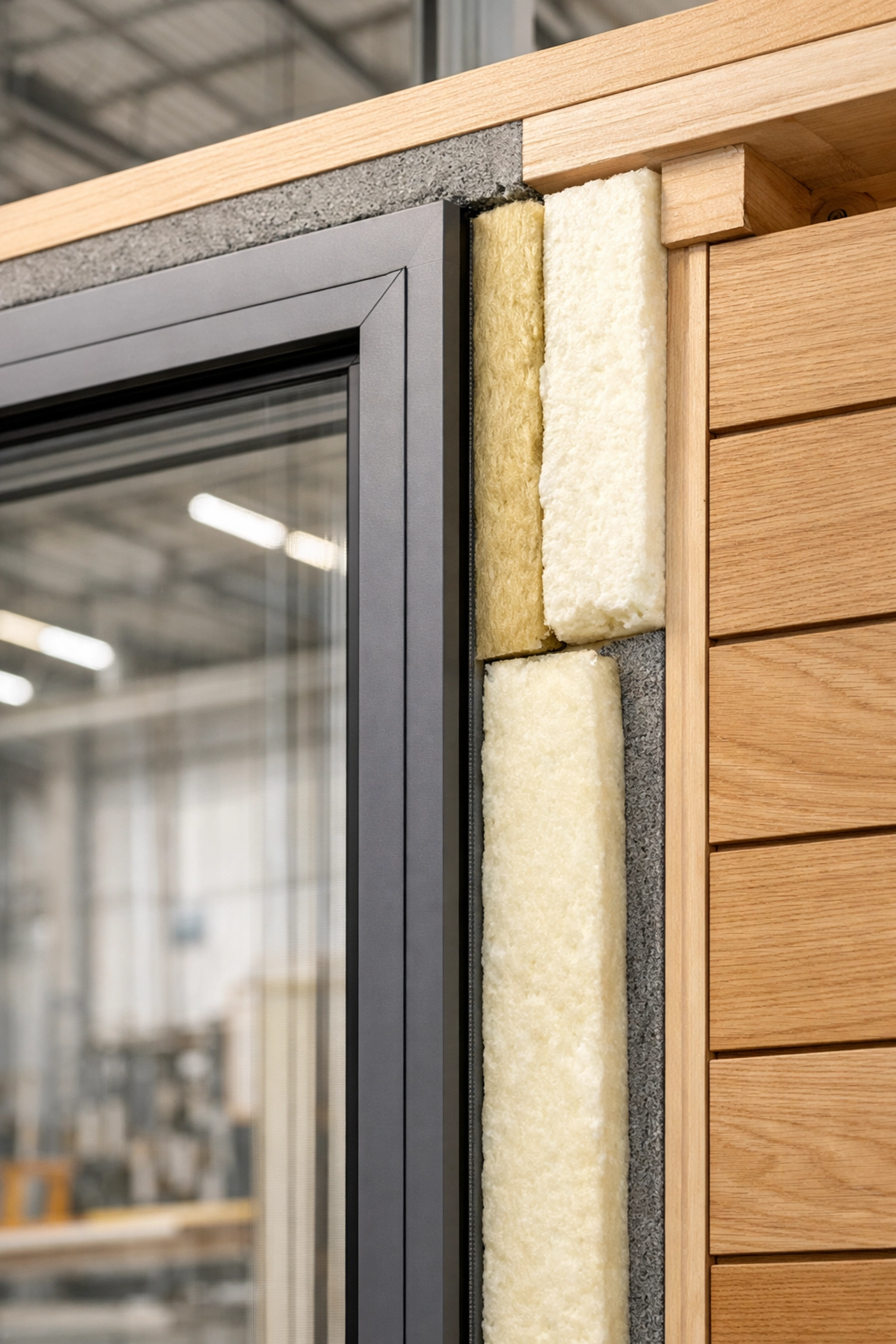
Modular construction is different. Because our homes are built in a controlled factory environment, the precision is unmatched. We don't have "oops, the insulation slipped" moments. Every joint is tight, every window is sealed perfectly, and the thermal bridge is managed with surgical accuracy.
When you look at construction timelines, modular homes don't just win on speed; they win on consistency. We know exactly how a 7-star design will perform before it even leaves the factory floor.
The "Do I Need Solar?" Dilemma
There’s a common myth floating around that the NCC 2026 rules make solar panels mandatory. Let’s clear that up: No, you don't have to have solar.
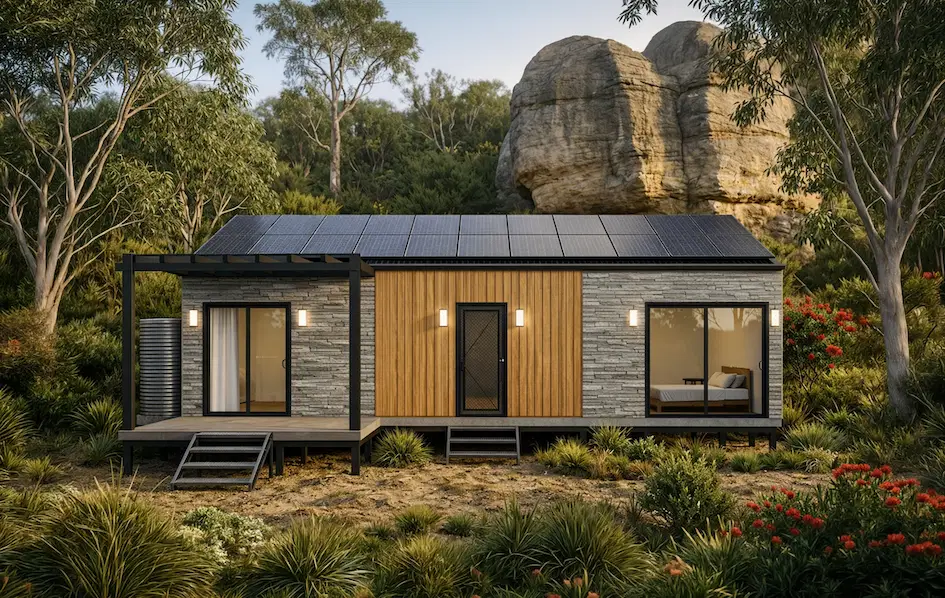
However (and it’s a big "however"), solar is the ultimate "get out of jail free" card for your Whole-of-Home score. If your home has a slightly less efficient hot water system, adding a few kW of solar on the roof can boost your score back into the passing zone.
At EcoHub Homes, we generally recommend a solar-ready design as standard. Whether you’re looking at sustainable prefab homes in Victoria or a remote retreat in the outback, having the ability to generate your own power isn't just about compliance: it's about financial liberation.
State Variations: The Fine Print
Australia is a big place with a lot of different weather. The NCC 2026 rules acknowledge this through eight different climate zones. A home in Darwin has very different requirements than a home in Hobart.
There are also state-specific tweaks. For example, South Australia offers some concessions for smaller buildings (under 70sqm), potentially allowing a 6-star thermal rating, though the Whole-of-Home requirements still apply. If you're building a granny flat as an investment, these nuances can save you thousands in construction costs. Check out our investment guide for more on how size impacts your ROI.
Future-Proofing: Why 2026 is the Benchmark
You might be thinking, "Can't I just squeeze through under the old rules?"
Technically, depending on when your permits were lodged, maybe. But here’s the kicker: building to the 2026 standards today is the smartest financial move you can make.
The real estate market is changing. Buyers are becoming "energy literate." In five years, a 6-star home will be seen as "the old, expensive-to-run kind," while a 7-star (or higher) home will hold its value as a premium asset. By building to these standards now, you’re essentially protecting your home from becoming obsolete the moment you get the keys.
Expert Insight: The Precision Factor
"The shift to NCC 2026 is less about adding 'more stuff' to a house and more about better engineering. In modular construction, we can control the variables that traditional builders can't: like the exactness of the thermal envelope and the integration of smart systems: making 7-star compliance the floor, not the ceiling."
Making the Grade: Your Next Steps
Navigating the NCC 2026 doesn't have to be a headache. If you're looking at prefab homes Australia, the heavy lifting is already done for you.
When you're vetting builders, ask them these three questions:
- "Can you provide a NatHERS certificate showing a 7-star rating for this specific site orientation?"
- "What is the Whole-of-Home score for the standard appliance package?"
- "How does your factory process ensure the air-tightness required for these new standards?"
At EcoHub Homes, we live and breathe these numbers. We don't just want your home to pass; we want it to set the standard for your neighbourhood. Whether you need a mining accommodation solution or a luxury bush retreat, we ensure every module is built for the future.
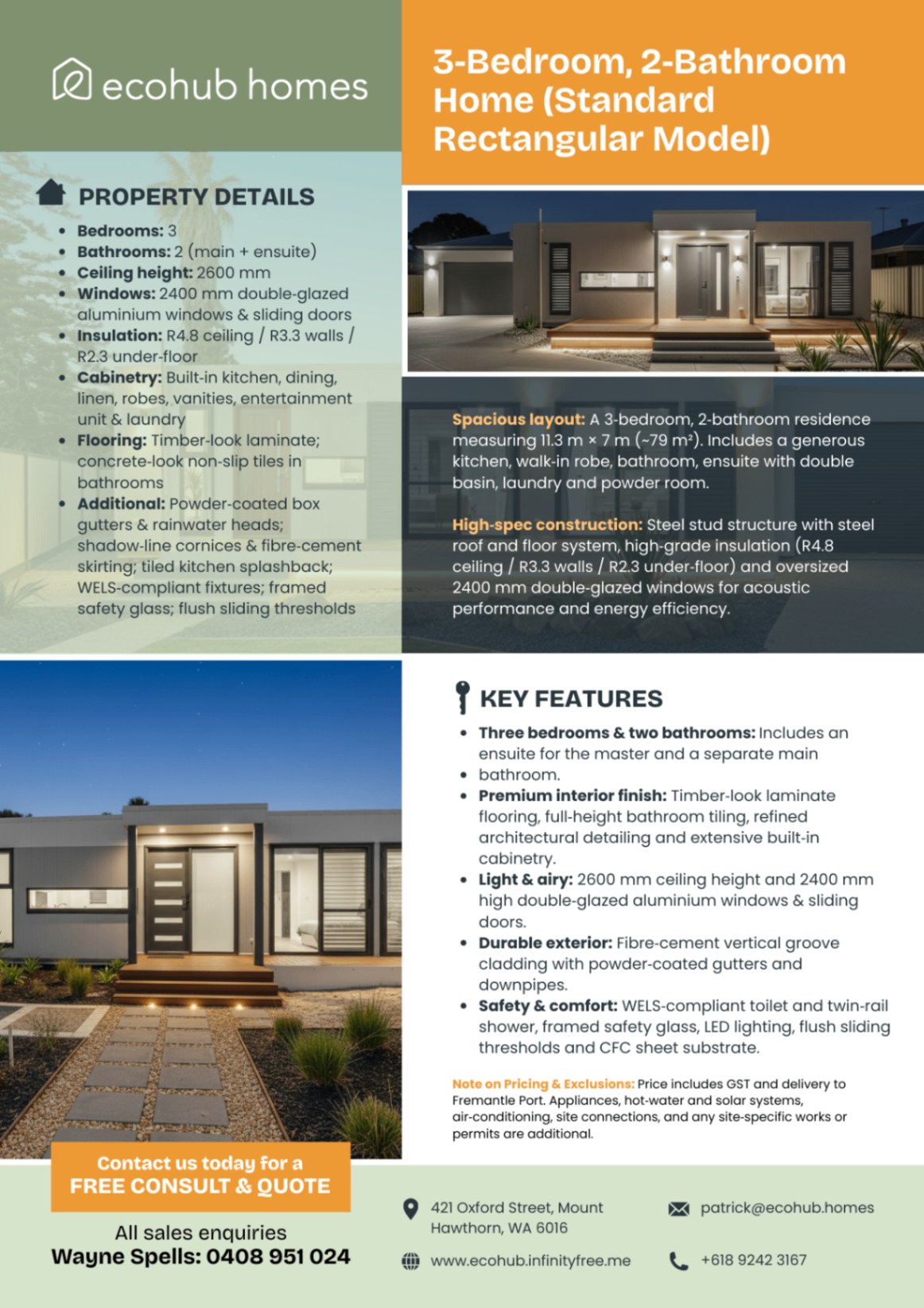
Ready to see how a high-performance modular home looks in the real world? Take a look at our post-sitemap for more deep dives into sustainable design, or get in touch for a chat about your project. The future of Australian housing is efficient, smart, and modular; and it’s already here.