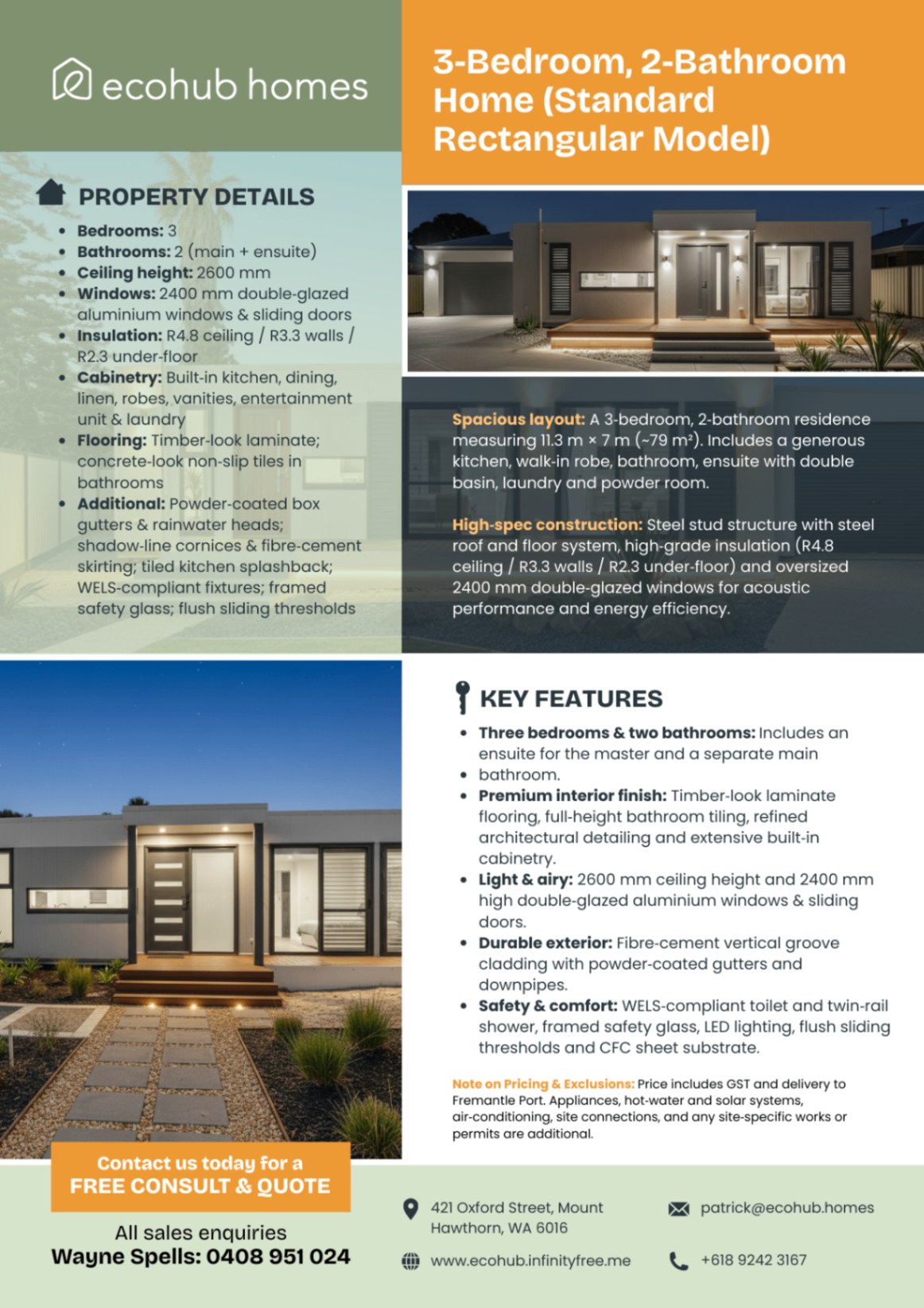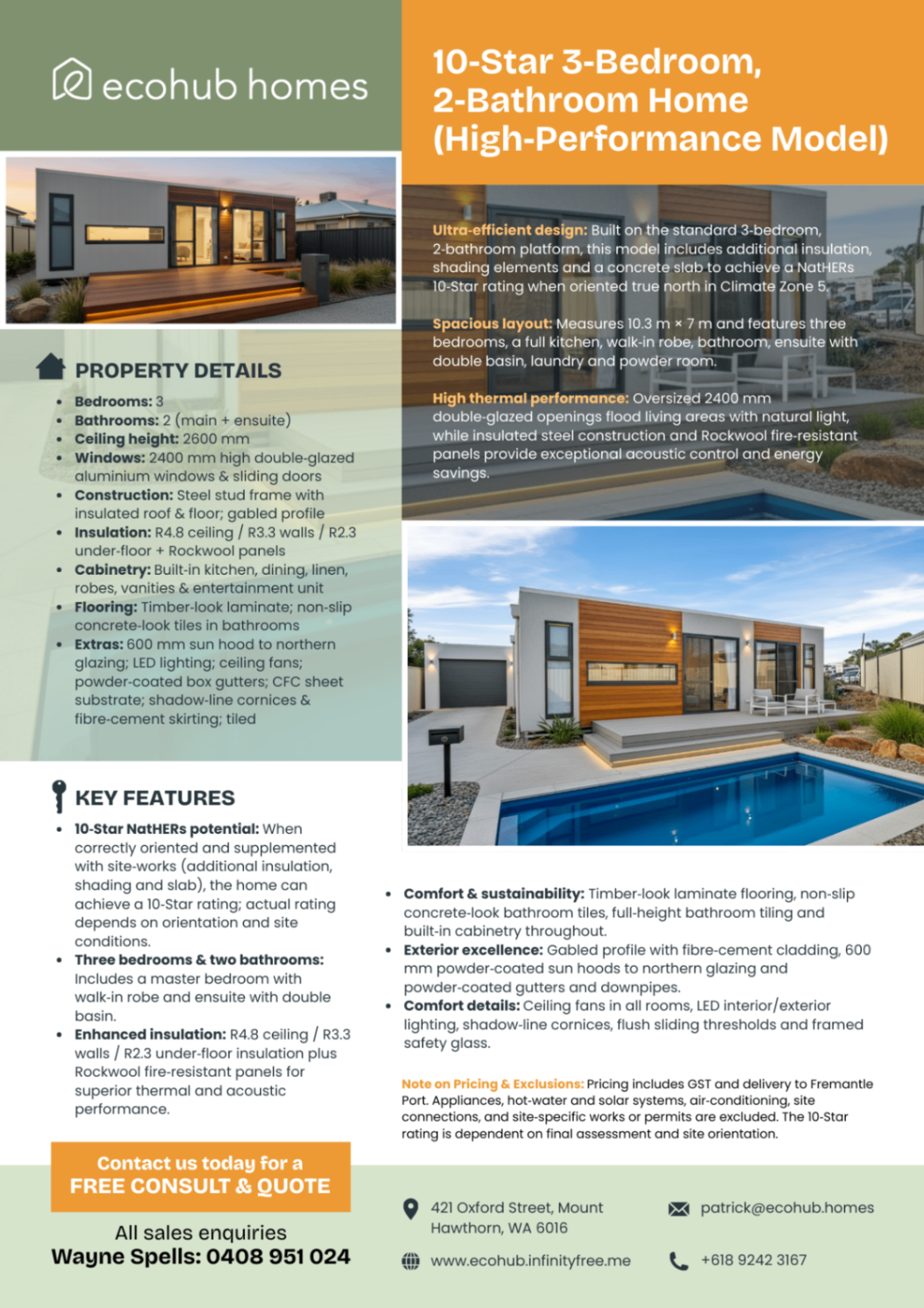
Before we dive into the technical details, take a moment to walk through one of our signature three-bedroom, two-bathroom modular homes to see the quality and finish first-hand.
https://youtu.be/Kskhm6zG7_c?si=Sjp40wDQ6mvRjJqk
The Australian housing market is evolving, and for many property owners, the choice is no longer just between "buying existing" or "building from scratch." New methods: modular, kit, and transportable homes: offer faster, more affordable ways to secure a dream home or a smart investment.
However, the terminology is often used interchangeably, leading to genuine confusion. Are they the same thing? Not even close. Understanding the differences in construction, financing, and legal status is critical to making a decision that protects your capital and your future.
Modular Homes: The Permanent, Premium Solution
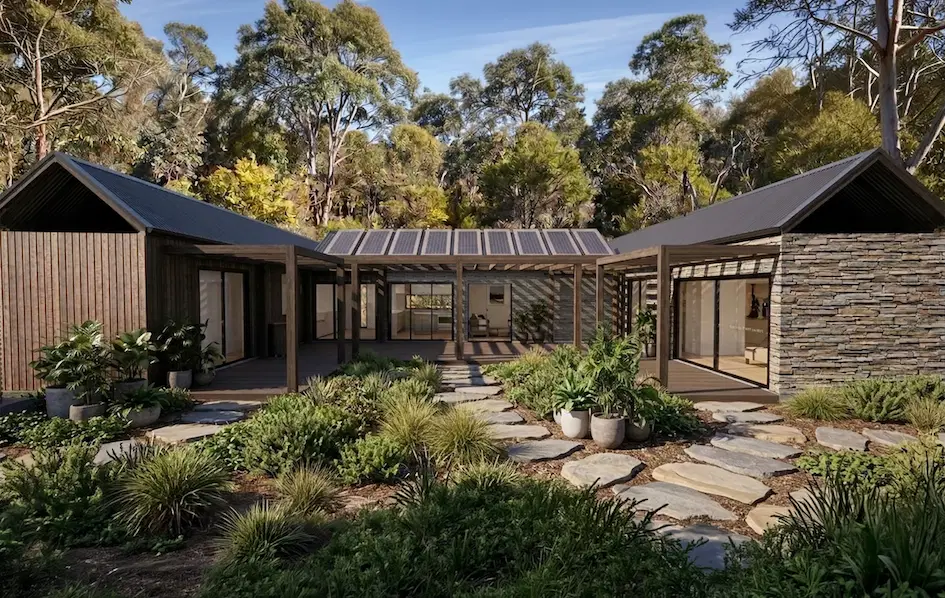
Modular homes are the gold standard of modern construction. These dwellings are built in a factory environment as complete, volumetric sections: often up to 95% finished: before being transported to your site and craned onto permanent foundations.
Unlike other "off-site" options, modular homes are designed to be permanent. They are built to the same National Construction Code (NCC) standards as traditional stick-built homes. Because they are constructed in a controlled indoor environment, they are protected from weather damage during the build, resulting in superior quality control and precision.
At EcoHub Homes, our modular range: from compact one-bedroom units to spacious three-bedroom family homes: features premium finishes, double-glazed windows, and high ceilings that often exceed the quality of traditional builds. Once installed, they are indistinguishable from a conventional house.
Kit Homes: The DIY Challenge
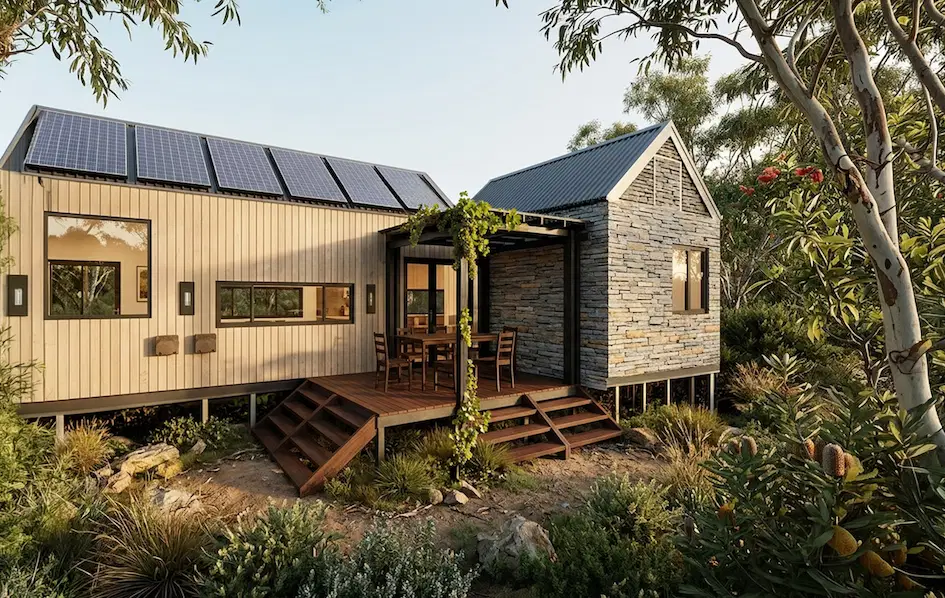
Kit homes are essentially a "flat-pack" house. When you buy a kit home, you aren't buying a house; you are buying a bundle of materials, plans, and instructions. These are delivered to your site in pieces for you or a hired builder to assemble from the ground up.
While kit homes offer the lowest upfront purchase price, they come with significant "hidden" complexities:
- Owner-Builder Responsibility: You are often responsible for permits, site prep, and coordinating all trades (plumbing, electrical, etc.).
- Variable Quality: The final result depends entirely on the skill of the person assembling it.
- Financing Hurdles: Banks are notoriously cautious with kit homes, often requiring specialized owner-builder loans that are harder to secure than standard mortgages.
Transportable and Relocatable Homes: The Mobile Alternative
A transportable (or relocatable) home is typically built on a steel chassis with wheels or axles. While many are high quality, they are fundamentally different in the eyes of the law and the bank.
In many jurisdictions, transportable homes are considered "chattel" or personal property: similar to a caravan: rather than real property. This has massive implications:
- Financing: Most banks will not provide a standard home loan for a dwelling on a chassis. You may be forced into higher-interest personal or asset loans.
- Appreciation: Homes on a chassis rarely appreciate at the same rate as permanent modular or traditional homes.
- Council Approvals: While often used for temporary housing or granny flats, they may face stricter limitations on where they can be placed permanently.
The Core Differences at a Glance
| Feature | Modular Homes | Kit Homes | Transportable Homes |
|---|---|---|---|
| Construction | Factory-built modules | On-site from parts | Built on a chassis |
| Foundation | Permanent footings | Permanent footings | Usually temporary/wheels |
| Financing | Standard Home Loan | Owner-Builder Loan | Personal/Asset Loan |
| Council Approval | Permanent Dwelling | Permanent Dwelling | Often Temporary/Relocatable |
| Build Time | Very Fast (Weeks) | Slow (Months) | Very Fast |
| Quality Control | High (Factory) | Variable (Site) | Moderate |
Why Modular is the "Sweet Spot" for Australians
For those looking for a balance between speed, cost-effectiveness, and long-term value, modular construction is the clear winner. It offers the speed of factory manufacturing without the DIY risks of a kit home or the financing headaches of a transportable home.
Modular homes qualify for standard construction finance because they are installed on permanent foundations and fully comply with the NCC. This means your investment is treated as a real property asset that grows in value over time.
"Modular housing represents the liberation of the homeowner. By moving construction into a factory, we eliminate the variables that cause traditional builds to go over budget and over time," says Daniel Margraf, Marketing Manager at EcoHub Homes. "It’s a complete, controlled solution."
Making the Right Choice
If you are a seasoned builder with time to spare, a kit home might save you money on labour. If you need a temporary cabin that you can move in two years, a transportable unit is the answer.
However, if you want a high-performance, energy-efficient dream home or a smart rental investment on a vacant lot, modular is the superior choice. With a 10-year warranty and a build time significantly faster than traditional methods, it’s the most efficient way to turn a vision into a reality.
Ready to explore how a modular home can work for your property? Contact the EcoHub Homes team today for a consultation and take the first step toward your new home.