
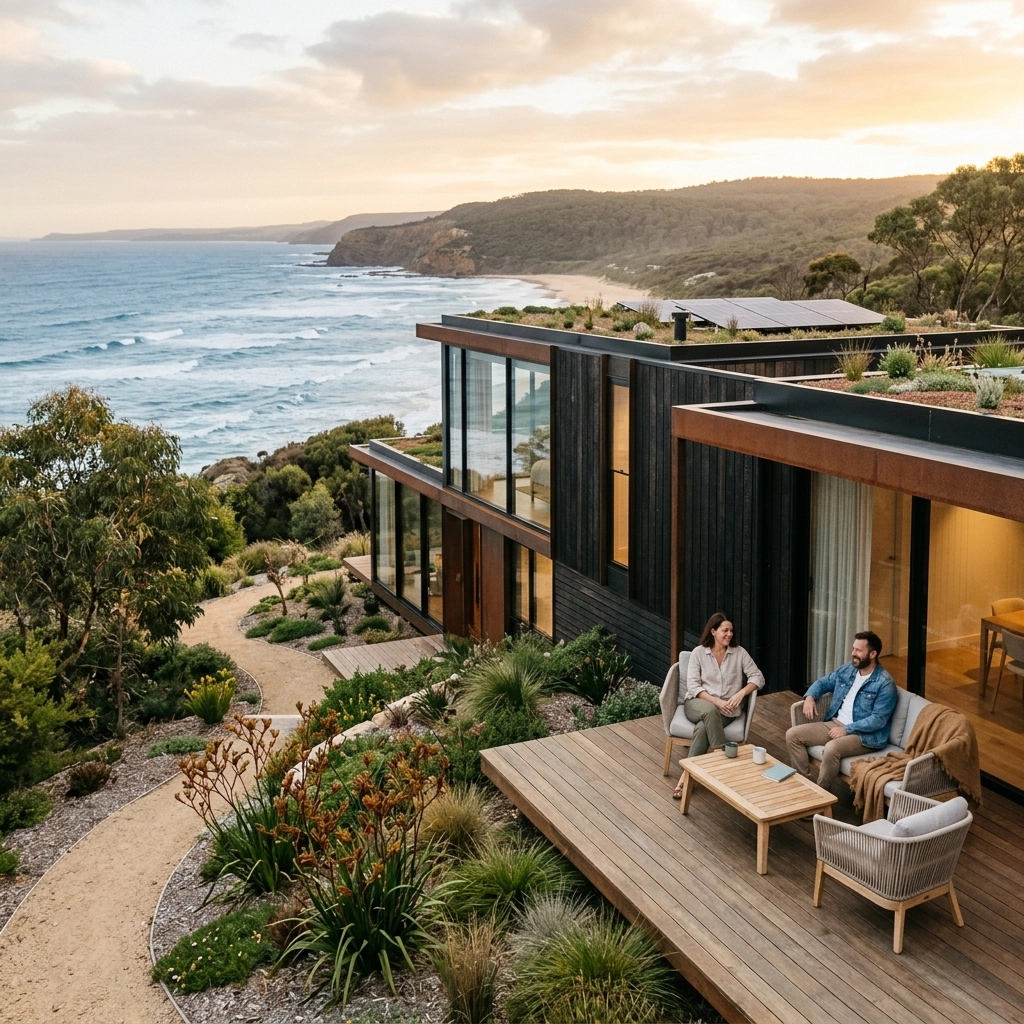
It’s April 2026, and the Australian housing landscape looks vastly different than it did just a few years ago. If you’ve been paying attention to the cranes on the horizon or the new developments popping up in your neighborhood, you’ve likely noticed a massive shift. The days of waiting two years for a traditional brick-and-mortar build to finish are rapidly becoming a relic of the past.
By now, over 65% of new homes across Australia are projected to be built using advanced modular systems. We’ve moved past the "alternative housing" label. Modular is the new standard. At EcoHub Homes, we’ve seen this revolution firsthand. Homeowners and investors are no longer asking if they should go modular: they’re asking how fast they can get started.
Whether you're looking to build your dream eco-retreat, add a high-yield granny flat to your backyard, or scale a property portfolio, this guide covers everything you need to succeed in the 2026 modular market.
Why Modular is Winning the 2026 Housing Race
The old frustrations of the construction industry: unpredictable weather delays, skyrocketing material costs, and tradie shortages: haven't entirely disappeared, but modular housing has effectively engineered a way around them.
1. Speed That Traditional Builds Can't Touch
In 2026, time is the ultimate currency. While a traditional build might still take 12 to 18 months to reach completion, a modular home from EcoHub Homes typically moves from the factory floor to "move-in ready" in just 14 to 20 weeks. Because 90% of the construction happens in a controlled factory environment, we don't care if it's raining in Perth or hailing in Sydney. The schedule stays the same.
2. Predictability and Cost Certainty
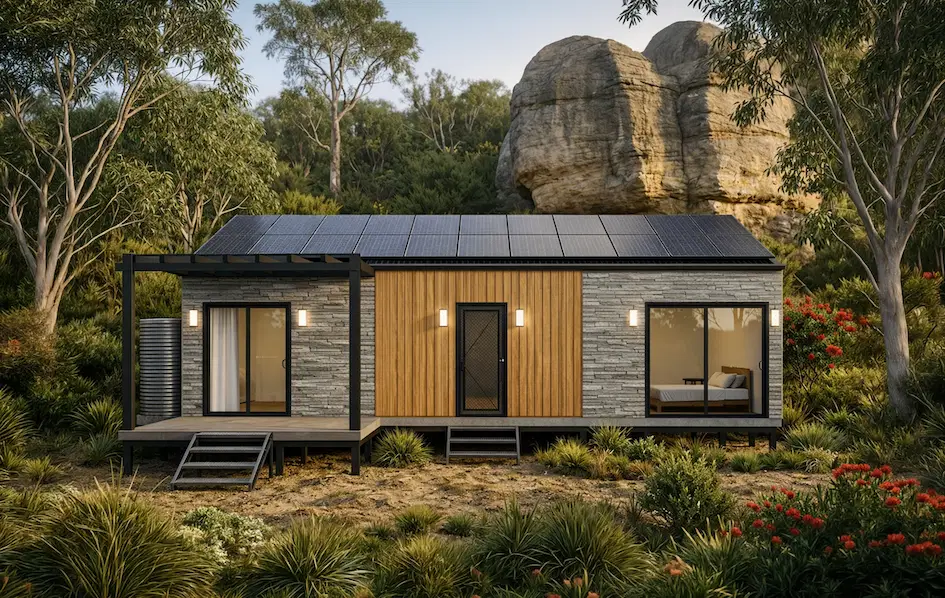
The "cost-plus" contracts that used to lead to 20% budget blowouts are largely gone in the modular world. When you choose a design like our 3-bedroom, 2-bathroom T-House, you’re getting a fixed-price contract. You know what your windows, appliances, and flooring will cost before the first steel frame is cut.
3. Superior Quality Control
Building a home in a factory isn't just about speed; it's about precision. Every joint is laser-measured, and every seal is air-tight. This isn't "pre-fab" in the old, cheap sense: this is high-performance engineering.
The 2026 Cost Guide: What Are You Actually Paying?
Budgeting is the first hurdle for any property project. In 2026, we’ve seen stabilization in material costs, but labor remains a premium. Modular housing allows you to leverage factory efficiencies to keep your square-meter rate competitive.
- Simple Starter Homes / Granny Flats: Expect to start from approximately $153,000 for high-quality, habitable units.
- Mid-Range Family Homes: These usually sit between $230,000 and $350,000, depending on finishes and site complexity.
- Premium Custom Designs: Large-scale, architecturally designed modular homes can reach $460,000+.
On average, square-meter rates in Australia for 2026 hover between $2,500 and $3,000 per sqm. However, at EcoHub Homes, we focus on value-driven design: ensuring that every dollar spent goes toward high-performance materials rather than site-management overheads. You can explore our current range and pricing in our online shop.
Sustainability: Beyond the Buzzwords
In 2026, a "green" home isn't a luxury; it’s a financial necessity. With energy prices continuing to fluctuate, the efficiency of your home dictates its long-term resale value.
Australians are now demanding a minimum 7-star NatHERS rating, with many EcoHub customers aiming for the "Gold Standard" 10-star rating. How do we get there?
- Structural Insulated Panels (SIPs): These provide thermal envelopes that traditional timber frames can’t match.
- Double (or Triple) Glazing: Full-height, double-glazed windows are standard in our designs, reducing the need for artificial heating and cooling by up to 40%.
- Solar Integration: Most modular roofs in 2026 are designed to be "solar-ready," optimized for maximum panel coverage and battery storage integration.
Building modular also means significantly less waste. Traditional sites can see up to 30% of materials end up in a skip. In our factory, that waste is closer to 2%, as offcuts are recycled or repurposed for the next module.
Design Trends Australians Love Right Now
We’ve moved away from the "bigger is better" philosophy. In 2026, the trend is Smarter, Not Larger.
Smart Storage Over Square Footage
Homeowners are opting for smaller footprints with integrated cabinetry. Think floor-to-ceiling wardrobes, concealed "mudrooms" at the entry, and under-floor storage. By choosing a one-bedroom, one-bathroom home that utilizes every inch, you save on build costs and land taxes while maintaining a high quality of life.
Indoor-Outdoor Flow
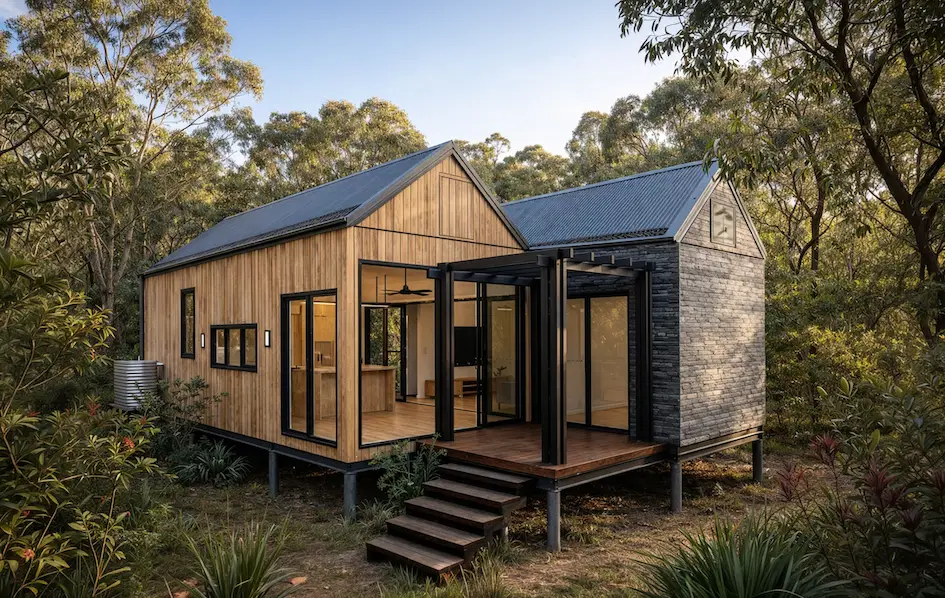
The Australian lifestyle demands a connection to the bush or the backyard. Modular designs in 2026 heavily feature expansive timber decks and sliding glass walls that blur the line between the kitchen and the garden. It’s about creating a sense of space that belies the actual physical dimensions of the house.
Your 2026 Pre-Build Checklist: 5 Steps to Success
Success in modular housing starts before the first module arrives on a truck. If you want to be "ahead of the game," follow this checklist:
- Site Assessment (The "Can I?" Step): Don't buy land without a modular site assessment. We check for vehicle access, overhead wires, and soil stability. Many sites that are difficult for traditional builds are actually perfect for an elevated modular home.
- Council and Compliance: Ensure your builder understands the latest SA HB 268 handbook standards. This ensures your home meets all local Australian regulations and building codes.
- Financing: Speak to a broker who specializes in construction loans for modular housing. Financing for prefab has become much easier in 2026, with most major banks now offering specialized products for factory-built homes.
- Inclusions Check: Always clarify what is not included. Does your quote include site connections (plumbing/electricity), council fees, or landscaping? At EcoHub, we believe in radical transparency: no hidden surprises.
- Future-Proofing: Think about 10 years from now. Can you add a second module later? Modular housing is inherently "plug and play." You can start small and expand as your family or investment needs grow.
The Investor’s Edge: High Yields and Passive Income
If you’re a property investor, 2026 is the year of the "Secondary Dwelling." With the ongoing rental squeeze, backyard modular units have become the gold mine of real estate.
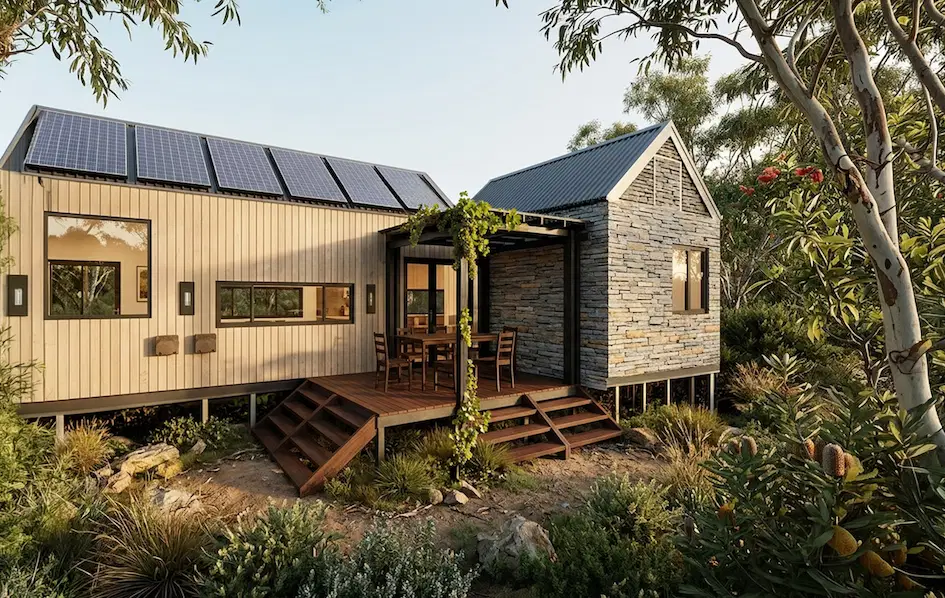
An EcoHub modular unit installed in a suburban backyard can often generate a rental yield of 12-15%, significantly higher than buying a standalone investment property. Because the installation takes days rather than months, your "time to first rent check" is incredibly short.
Investors are also moving toward "Short-Stay Modular." High-end, eco-friendly cabins set in rural locations are outperforming traditional hotels. People want a unique, sustainable experience, and a beautifully finished modular home delivers exactly that.
Take the Next Step with EcoHub Homes
The shift to modular isn't just a trend: it's the evolution of how we live. It’s faster, smarter, and kinder to the planet. If you're ready to stop dreaming and start building, we’re here to simplify the process.
Whether you want to browse our latest designs in our shop or you’re ready to dive deep into the technicalities at one of our upcoming Modular Seminars, the team at EcoHub Homes is ready to help you navigate the 2026 housing market with confidence.
The future of housing is modular. Are you ready to be part of it?