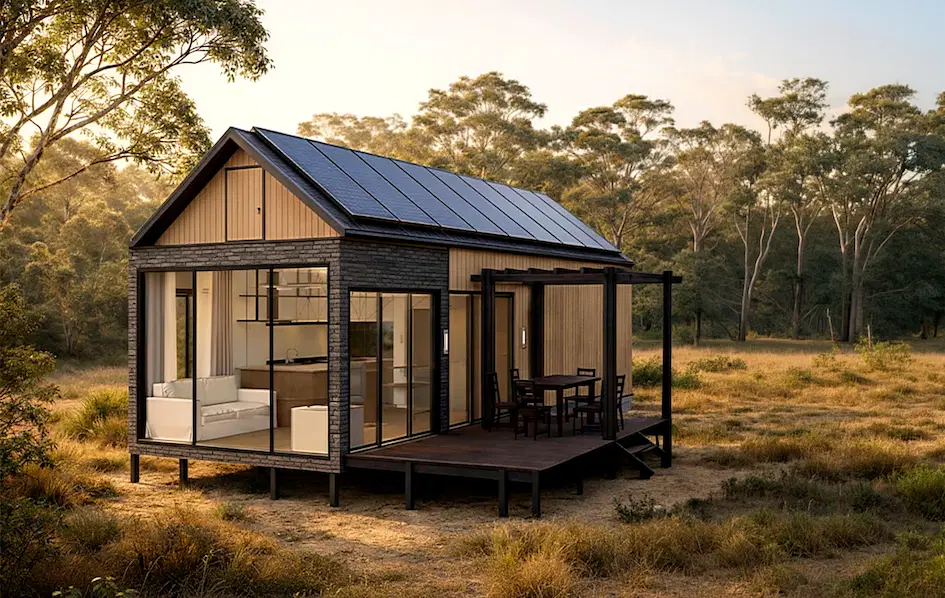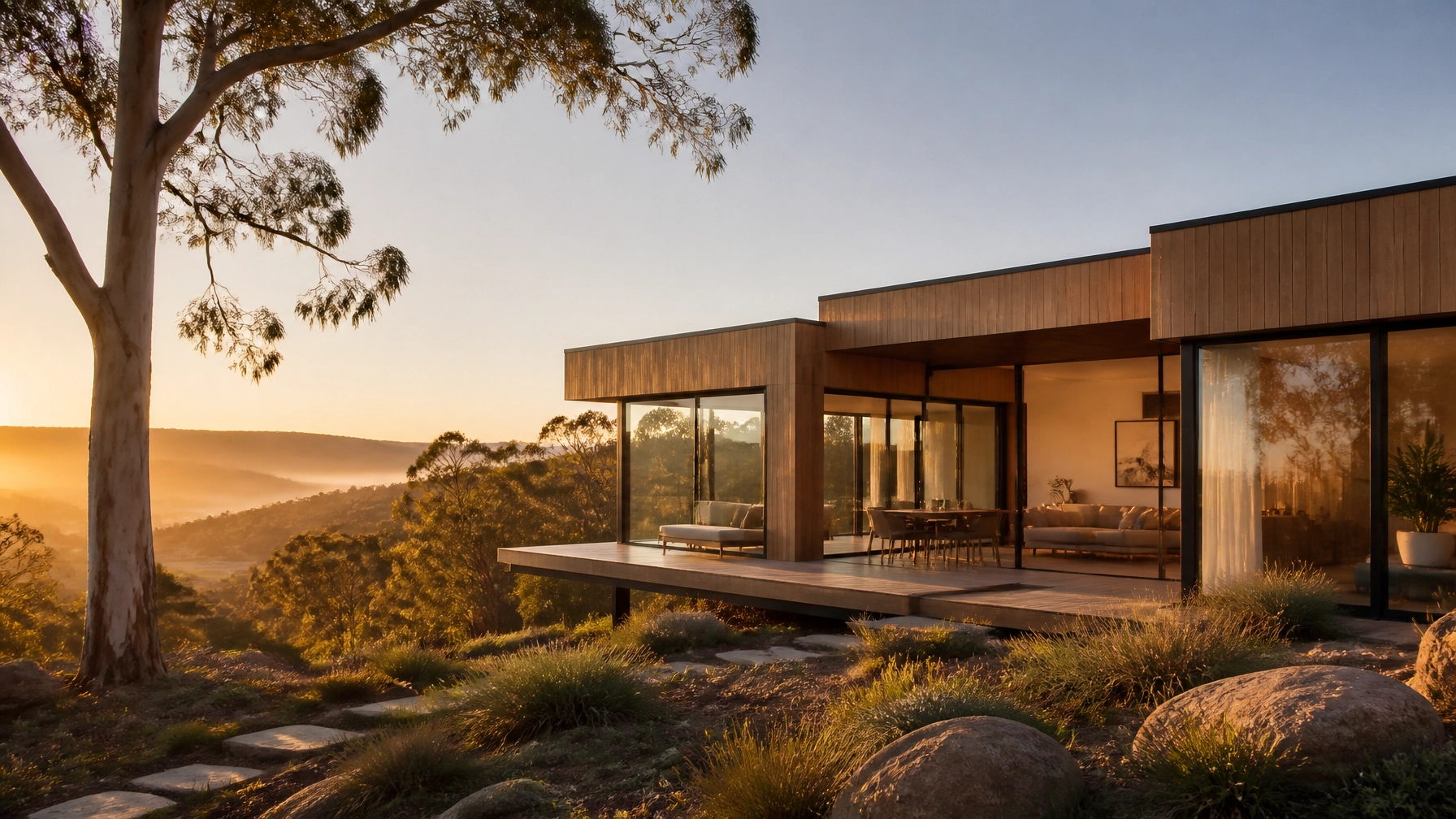
If you're curious about how modern engineering is redefining the Australian dream, take a moment to walk through one of our signature designs in this full video tour.
https://youtu.be/Kskhm6zG7_c?si=Sjp40wDQ6mvRjJqk
The Australian housing market has reached a fever pitch, but beneath the headlines of rising prices and supply shortages, a quiet revolution is taking hold. By 2026, the way we build, buy, and invest in property will look fundamentally different from the "bricks and mortar" era of the past. The 2026 Australian Modular Housing Strategy isn't just a government white paper: it’s a massive cultural and economic shift toward efficiency, sustainability, and genuine affordability.
For years, modular housing was the industry's best-kept secret. Not anymore. With the Federal Government’s commitment to building 1.2 million homes by 2030 under the National Housing Accord, the traditional construction industry has hit a wall. Labour shortages are rampant. Material costs are volatile. Timeframes are blowing out to eighteen months or more for a standard build.
Enter the modular solution. By 2026, we are seeing a full-scale integration of factory-built homes into the national housing pipeline. This isn't just about "building faster": it's about building smarter. If you’re a property owner or an investor, staying ahead of this curve isn't just a good idea; it's a financial necessity.
The 2026 Pivot: Why Now?
Why is 2026 the "magic year" everyone is talking about? It comes down to a perfect storm of policy, technology, and consumer demand. The Commonwealth has recently allocated $54 million specifically to boost prefab and modular housing, aimed at streamlining regulations and certification. This means the red tape that once slowed down innovative housing is being slashed.
States like Queensland and New South Wales are already leading the charge, rolling out hundreds of modular units to meet urgent demand. But the real shift is happening in the private sector. Property owners are realizing that they don't have to wait two years to see a return on their land. Whether it's a sleek one-bedroom retreat or a full-scale three-bedroom family home, the transition from "vacant lot" to "passive income stream" is shrinking from years to mere months.
"The move toward modular construction is no longer a niche trend; it is the cornerstone of Australia's strategy to solve the housing supply crisis. By moving the build process into a controlled factory environment, we eliminate 90% of the variables that cause traditional projects to fail." : Industry Expert, National Prefab Association.
Speed is the New Currency
In the old world of construction, time was a luxury. In 2026, time is a liability. Traditional site-built homes are plagued by weather delays, trade "no-shows," and supply chain hiccups. Modular construction flips the script.
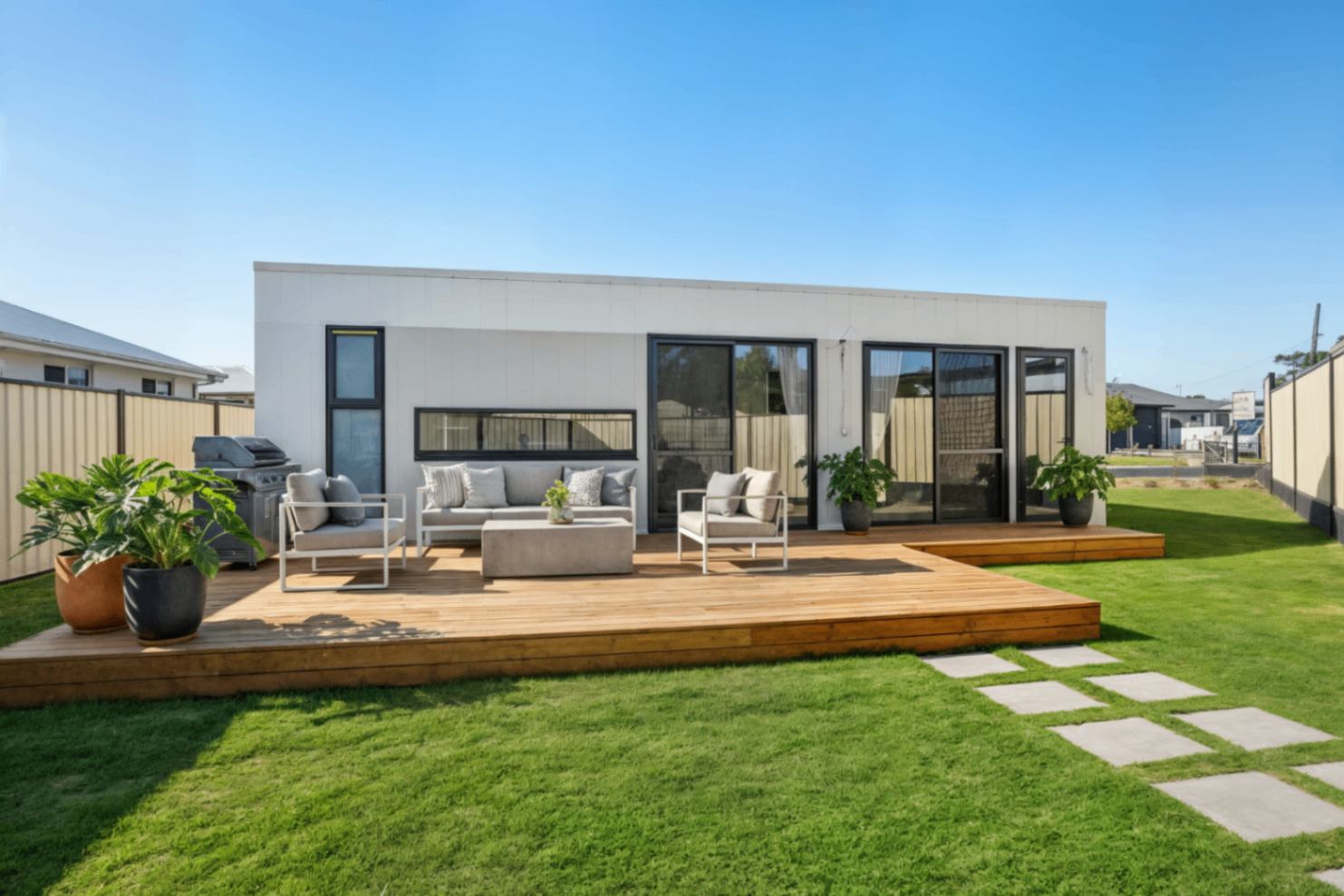
Because EcoHub Homes builds in a controlled environment, we can work through rain, hail, or shine. While your site is being prepared and the slab is being poured, your home is already being precision-engineered in our facility. This parallel processing means you can move into your new home in as little as 8 to 12 weeks.
Think about the financial implications. If you are an investor, that's an extra 10 months of rental yield you would have otherwise lost to construction delays. If you are a homeowner, that’s ten months of rent you aren't paying while waiting for your "forever home" to be finished. Speed isn't just a convenience: it's a direct boost to your bottom line.
Sustainability: Beyond the 7-Star Standard
The 2026 strategy isn't just about volume; it’s about quality and climate resilience. The National Construction Code (NCC) 2022 and its 2025 updates have significantly raised the bar for energy efficiency. The days of drafty, poorly insulated "project homes" are over.
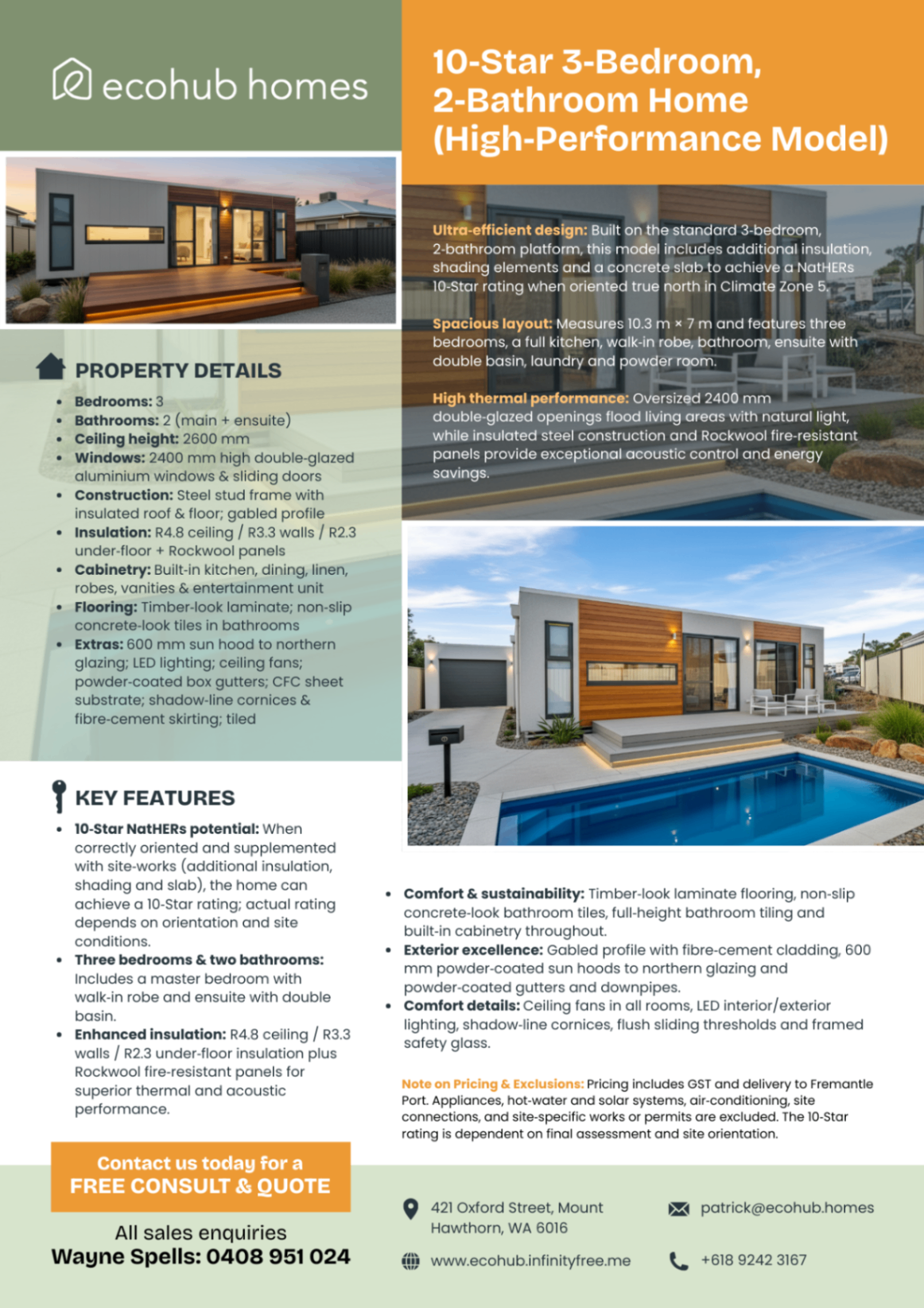
Modular homes are naturally suited to these high standards. Because they are built with precision manufacturing, the "thermal envelope" is much tighter than a traditional build. At EcoHub Homes, our designs feature:
- Full-height double-glazed windows as standard, providing superior insulation and natural light.
- Insulated floor, wall, and roof systems that far exceed basic requirements.
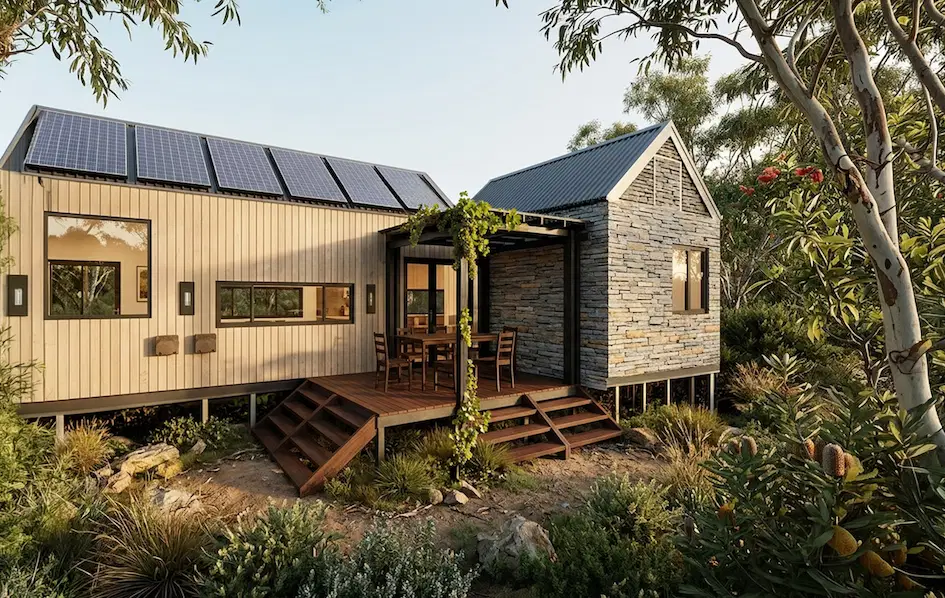
- Solar-ready designs that allow owners to achieve near-zero energy bills from day one.
Research shows that high-performance modular homes can use up to 30% less operational energy than conventional builds. In an era of skyrocketing electricity prices, a sustainable home isn't just "green": it's a hedge against inflation.
Unlocking Passive Income: The Investor’s Edge
One of the most exciting aspects of the 2026 outlook is the liberation of underutilized land. For decades, thousands of Australian backyards have sat empty. Now, savvy investors are using the modular strategy to turn these "dead zones" into smart investments.
The rise of the two-bedroom modular home as a secondary dwelling (or "granny flat") has transformed the rental market. With the strategy's focus on streamlining local council approvals and permits, adding a high-yield rental unit to your rear lot has never been easier.
Consider the math: For a fraction of the cost of a traditional investment property, you can install a premium, double-glazed, designer modular home. The rental yields on these units are often significantly higher than traditional houses because the entry price is lower ($99,000+) while the "lifestyle appeal" is modern and high-end.
"Investors are waking up to the fact that you don't need to buy a second block of land to build a second income. Your backyard is the most valuable real estate you own." : Daniel Margraf, Marketing Manager at EcoHub Homes.
Quality Without Compromise: The "Modern" in Modular
Let’s address the elephant in the room: the outdated stigma of "prefab." The 2026 strategy has finally put the "shipping container" and "demountable office" comparisons to rest. Today’s modular homes are architectural statements.
When you walk into an EcoHub Home, you aren't greeted by flimsy walls and low ceilings. You see raked ceilings that soar to 3.5 meters, premium stone finishes, and floor-to-ceiling glass that blurs the line between indoor and outdoor living. These homes are built to last, backed by a 10-year warranty and full compliance with Australian Building Standards. They are permanent, bank-financeable, and aesthetically indistinguishable from high-end custom builds: except they cost significantly less and arrive significantly faster.
Getting Ahead of the Curve
As we move deeper into 2026, the demand for modular construction will only increase. Waiting until 2027 or 2028 to explore these options means competing with a much more crowded market and potentially higher factory lead times.
The 2026 strategy is an invitation to be an early adopter of the most significant change in Australian housing in a century. Whether you want to build a sustainable dream home for your family or unlock passive rental income on a vacant lot, the tools are now in your hands.
At EcoHub Homes, we handle the entire journey: from the initial 3D visualization and custom design through to the heavy lifting of permits, delivery, and installation. We don't just build houses; we build the future of Australian living.
Are you ready to stop waiting and start building? Explore our range of energy-efficient, designer modular homes today and see why the future of housing is already here.