

So, you’ve decided that 2026 is the year you finally build your dream home. You’ve looked at the traditional building market: the rising costs, the two-year wait times, and the unpredictable weather delays: and you’ve realized there’s a better way. Prefabricated and modular housing is no longer the "alternative" choice; in 2026, it’s the smart choice for savvy Australians.
But here’s the thing: while the actual build happens at lightning speed in a controlled factory environment, the "paperwork" part can still feel like a bit of a maze. Navigating prefab home approvals in Australia and securing modular home permits is often the most daunting part of the journey for our clients at EcoHub Homes.
The good news? It doesn’t have to be a headache. We’ve refined the process down to a science. Here is your definitive five-step guide to mastering the approval process and getting your keys faster.
1. The Reality Check: Feasibility and Site Evaluation
Before you fall in love with a floor plan, you need to know what your land will allow. Not every block is created equal, and in 2026, local councils have become more specific about what can be built where.
During the first 1–3 weeks, we conduct a deep dive into your property. This isn't just a quick look at Google Maps: it's a technical assessment of zoning rules, easements, and utility connections. In Australia, we particularly look for:
- BAL Ratings (Bushfire Attack Level): Essential for many regional and peri-urban blocks. This dictates the materials we use.
- Overland Flow and Flood Zones: With changing climate patterns, councils are stricter than ever on floor heights and drainage.
- Zoning and Setbacks: How close can you build to the fence? Is there a heritage overlay?
Getting this right at the start saves months of back-and-forth later. We perform a layout study to ensure your chosen modular design fits perfectly while respecting the natural slope and orientation of your land for maximum energy efficiency.
2. Design and Customisation (With a Compliance Lens)
Once we know the "rules" of your land, the fun begins. You get to choose the layout, finishes, and features that make the house a home. However, in 2026, "design" isn't just about choosing tiles: it’s about meeting the latest National Construction Code (NCC) standards.
Every EcoHub home is designed to meet (and usually exceed) the mandatory 7-star NatHERS energy rating. This means high-performance insulation, double-glazed windows, and smart orientation are baked into the design from day one.
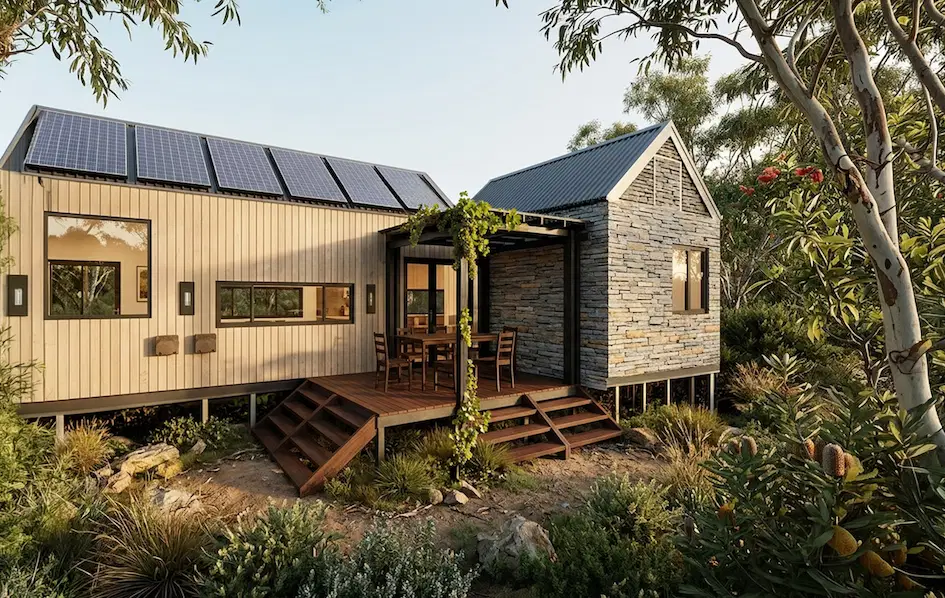
When customizing your home, we also have to consider transport. Unlike a traditional build, a modular home travels down the highway. Our design team ensures that your beautiful high ceilings and wide-span living areas are engineered to be structurally sound during transit and meet all heavy-vehicle transport regulations.
3. The "Red Tape" Phase: Navigating Council Permits
This is where most people get stuck, but it’s where EcoHub Homes shines. Modular home permits generally fall into two categories in Australia: a Development Application (DA) or a Complying Development Certificate (CDC).
- The CDC Path: If your design meets a specific set of universal criteria, we can often bypass the local council and get approval through a private certifier. This can take as little as 4–6 weeks.
- The DA Path: If your block is unique or has specific overlays (like heritage or environmental protections), we lodge a DA with the council. This can take 12 weeks or more, depending on the council’s workload.
What makes 2026 different?
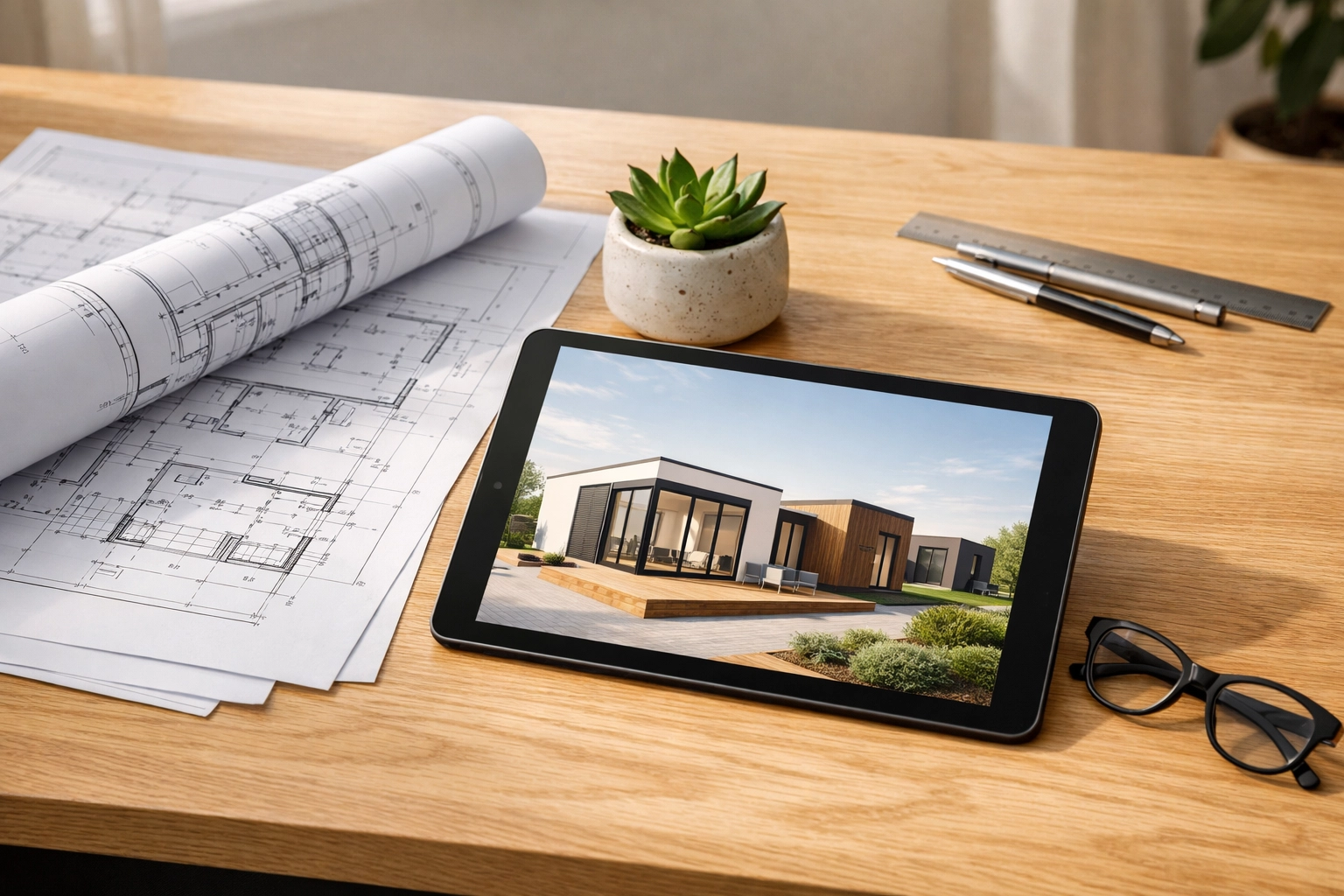
Digital lodgement systems are now standard across Australia, but the documentation required is more detailed than ever. Your permit package will include:
- Architectural and Site Plans.
- Structural Engineering certificates.
- Basix or NatHERS certificates (Energy/Water efficiency).
- Waste Management and Stormwater plans.
At EcoHub Homes, we act as your project manager during this phase. We handle the communication with the council, answer their technical queries, and ensure the paperwork doesn't sit on a desk gathering dust. We speak "Council": so you don’t have to.
4. Off-Site Manufacturing: Building While You Wait
One of the greatest "hacks" of prefab building is the parallel timeline. In a traditional build, you can't start the roof until the walls are up, and you can't start the walls until the slab is poured.
In the modular world, once those permits are stamped, the factory whistle blows. While your site is being prepared (levelling the ground or installing pier foundations), your home is being built in a climate-controlled facility.
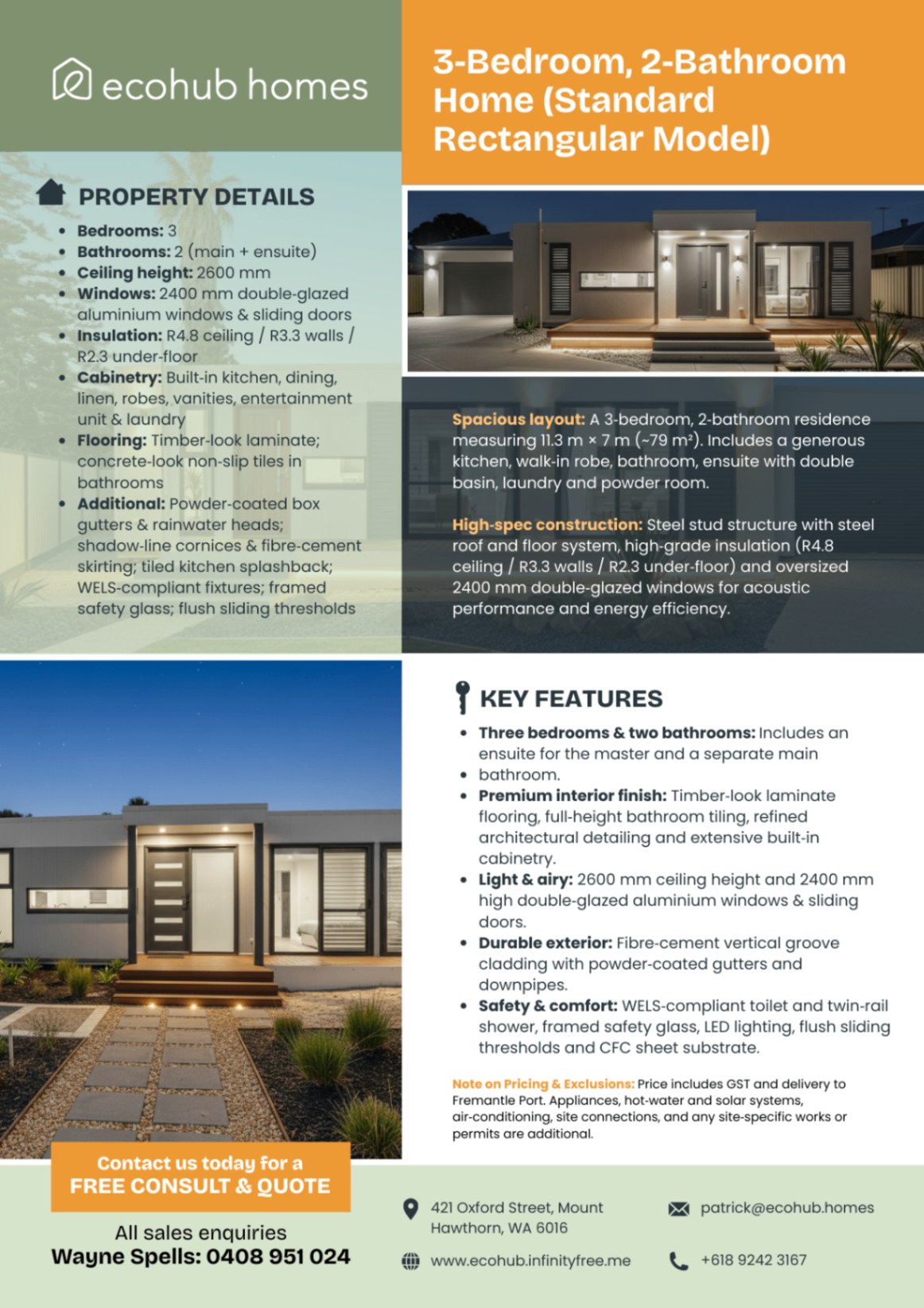
This phase usually takes 6–12 weeks. Because the build happens indoors, we don't have "rain days." Your timber stays dry, your trades are always on-site, and the quality control is surgical. While the factory team handles the electrical, plumbing, and cabinetry, your local site team is busy connecting the sewer and power lines. This overlap can shave three to four months off a standard construction schedule.
5. Delivery, Installation, and the Final Sign-Off
The most exciting day is "Install Day." Your home arrives on the back of a truck, often in several large modules. A crane lifts them into place onto the pre-prepared foundations. It looks like giant LEGO for adults, and it’s incredibly satisfying to watch.
But you aren't moving in just yet. Once the modules are joined, there is a final "stitch-up" phase. This involves:
- Connecting the structural joins between modules.
- Finalizing the external cladding and roofing.
- Hooking up the plumbing and electrical to the site mains.
- Building any onsite extras like large decks or carports.
The final hurdle for prefab home approvals in Australia is the Occupation Certificate (OC). A building certifier will visit the site to ensure the home was installed exactly as per the approved plans and that all safety requirements (like smoke alarms and balustrades) are met.
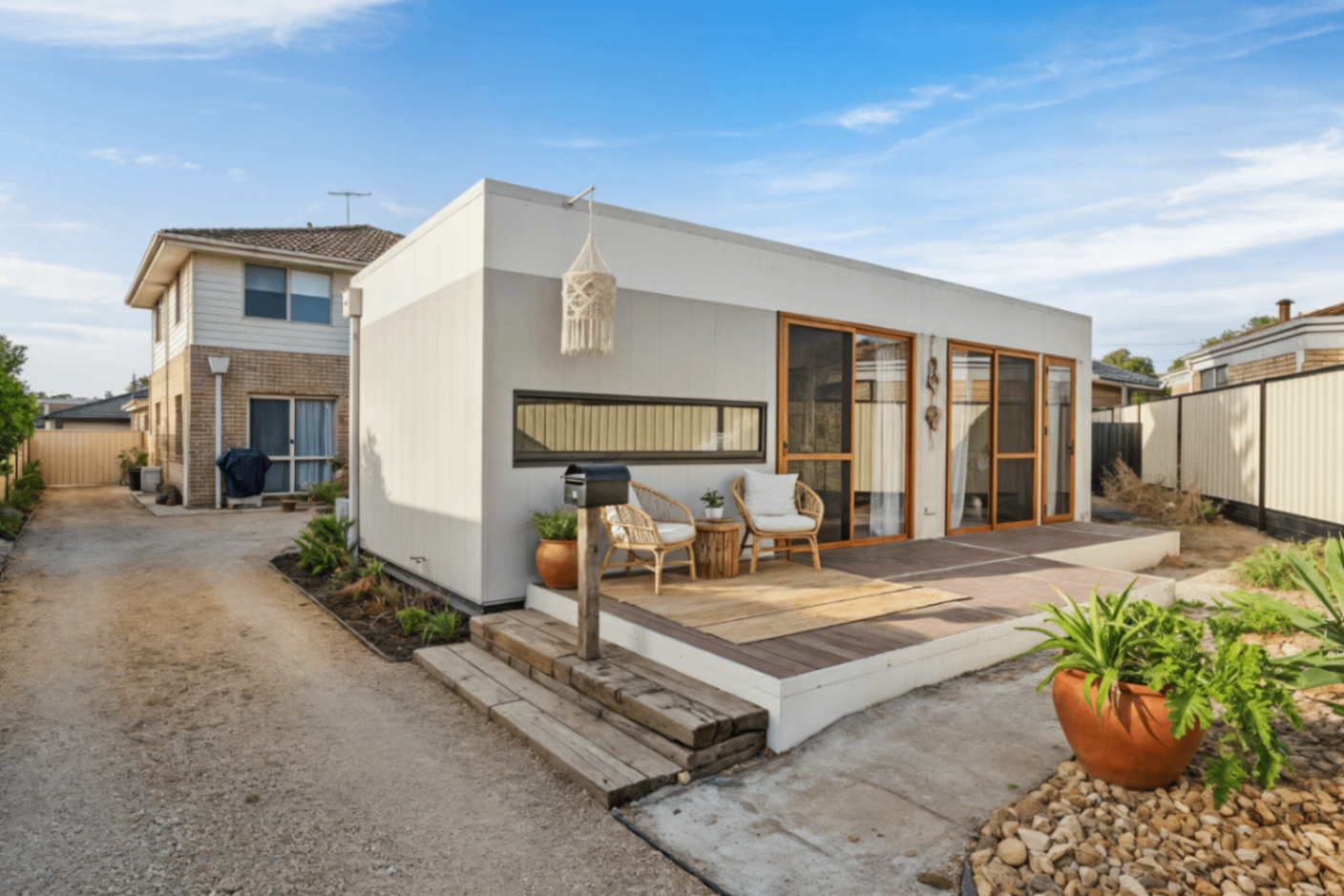
Once that certificate is in your hand, you are legally allowed to move in. From start to finish, a well-managed modular project in 2026 can take as little as 6 months, whereas a traditional build is still hovering around the 18-month mark.
Why EcoHub Homes Makes the Difference
The "secret sauce" to a stress-free build isn't just the quality of the steel or the timber: it’s the management of the process. We know that the word "permits" makes most people want to run for the hills. That’s why we’ve built a team that specializes in the technical bureaucracy of Australian building codes.
We don't just sell you a house; we navigate the system for you. We understand the nuances of the 2026 housing landscape, from the updated fire safety standards to the latest sustainability requirements.
Ready to Start Your Journey?
Building a home shouldn't be a battle against red tape. It should be an exciting step toward independence and a sustainable lifestyle. If you're looking for a partner who can turn the complex world of modular home permits into a straightforward 5-step checklist, we’re here to help.
Don't let the approval process hold you back from the home you deserve. Let's talk about your site, your vision, and how we can get you moving in record time.
Book Your Free Consultation with the EcoHub Homes Team Today