
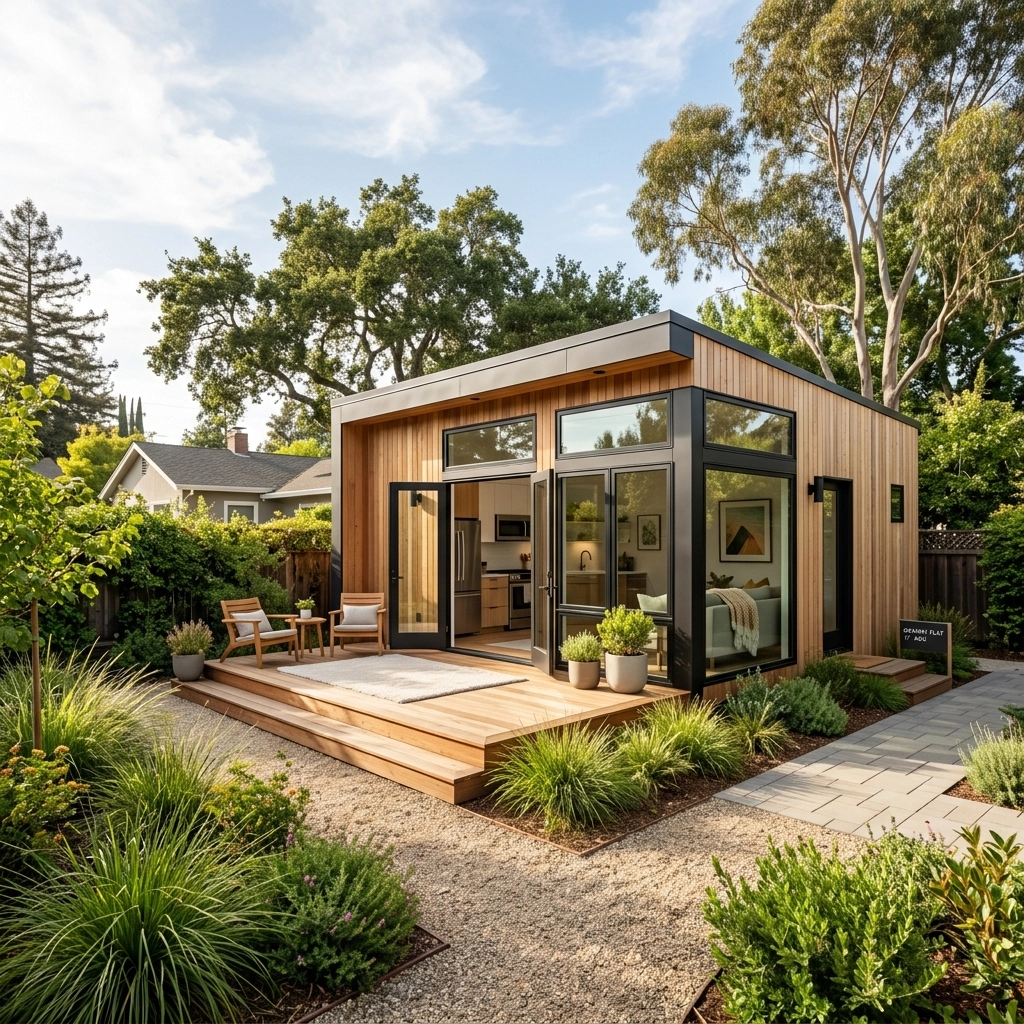
If you own a home in Australia with a bit of extra space in the backyard, you’re essentially sitting on an untapped gold mine. In 2026, the property market has shifted. Traditional housing remains expensive, and the demand for affordable, high-quality rental options has never been higher. For the savvy homeowner, the question isn’t whether to invest, but how to do it most efficiently.
Enter the modular granny flat. Gone are the days of "shipping container" vibes or flimsy sheds. Today’s modular units are architectural gems: energy-efficient, stylish, and, most importantly, capable of generating significant passive income in Australia.
At EcoHub Homes, we’ve seen homeowners transform their underutilised land into high-yielding assets in a matter of months, not years. This guide breaks down exactly how you can turn that vacant patch of grass into a consistent revenue stream.
Why Modular is the Investor’s Secret Weapon
Traditional "stick-built" construction is notorious for delays, budget blowouts, and the sheer headache of having tradespeople in your backyard for six months. For an investor, time is literally money. Every month spent waiting for a roof to go on is a month of lost rental income.
Modular construction flips the script. By building in a controlled factory environment, we eliminate weather delays and site wastage. While your site is being prepared, your home is being built simultaneously.
- Speed to Market: Most modular projects are move-in ready within 12 to 16 weeks.
- Cost Certainty: Fixed-price contracts mean no "nasty surprises" halfway through the build. You can accurately calculate your ROI before the first shovel hits the dirt.
- Minimal Disruption: Since the unit arrives 90% complete, the onsite "messy phase" is reduced to a few weeks. This is crucial if you are living in the main house or already have tenants on-site.
The Math: ROI and Rental Yields in 2026
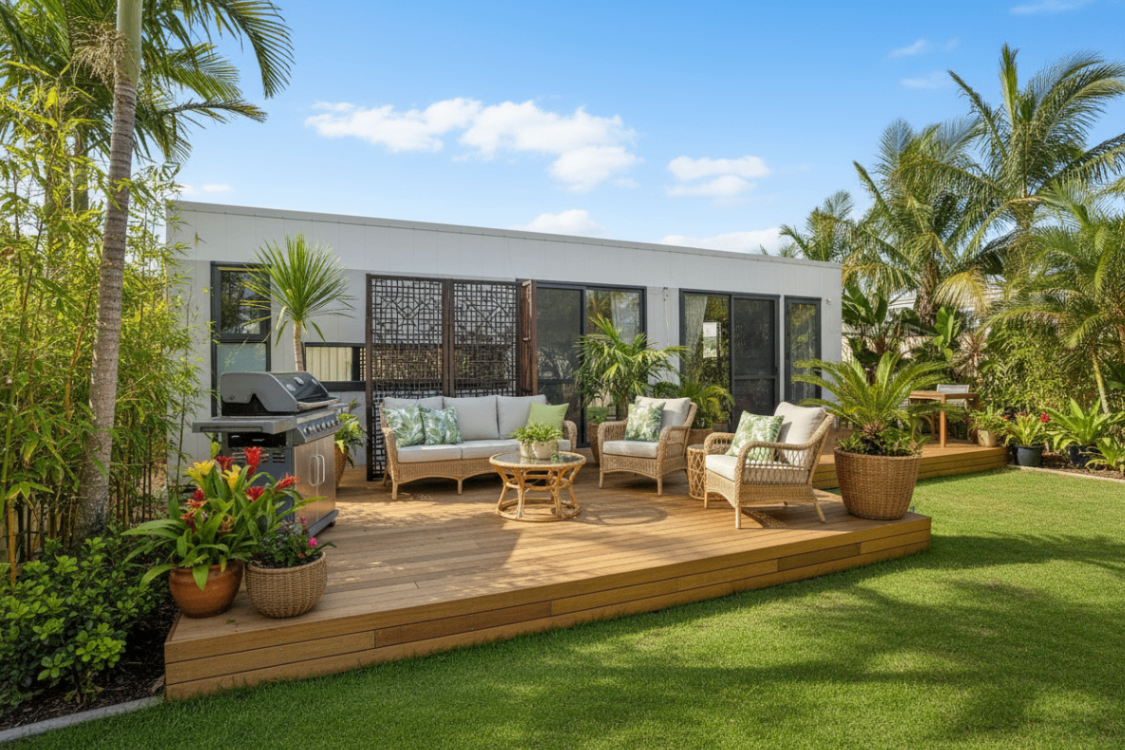
Let’s talk numbers. In the current 2026 market, rental yields for standard residential properties often hover around 3-5%. In contrast, a well-placed modular granny flat can achieve gross yields of 12% to 15%: sometimes higher in high-demand pockets like Perth, Brisbane, or regional hubs.
Consider this real-world scenario: A premium one-bedroom modular home might cost you approximately $180,000 to $220,000 including site works and council approvals. In today's rental market, that unit could easily fetch $450 to $550 per week.
- Annual Income: ~$26,000
- Gross Yield: ~12-14%
Compare that to buying a standalone investment apartment for $500,000 that rents for the same amount. The modular granny flat requires less capital, offers better yields, and leverages land you already own. Plus, the tax benefits are significant. Because a granny flat is a new build, you can claim substantial depreciation on the structure and the "plant and equipment" (appliances, blinds, etc.), which further offsets your taxable income.
Strategic Income Streams: Long-Term vs. Short-Term
How you choose to rent your space depends on your lifestyle goals and location. Property investment in 2026 is all about flexibility.
1. The Long-Term Rental
This is the "set and forget" strategy. A long-term tenant provides stable, predictable cash flow. With the current housing shortage, finding a quality tenant for a two-bedroom modular home is often a matter of days. It’s a low-touch way to pay down your mortgage faster or fund your retirement.
2. The Short-Term Stay (Airbnb/Stayz)
If you live in a coastal area or near a business hub, the short-term market can be incredibly lucrative. A stylish, eco-friendly modular unit with premium finishes can often command $180 to $250 per night. Even at 60% occupancy, you could be looking at over $1,000 a week in gross revenue.
3. The Multi-Generational "Pivot"
Many investors build a granny flat for passive income now, with the long-term plan of moving into it themselves during retirement. By "downsizing" into the backyard and renting out the large family home, you can unlock a massive tax-free income stream later in life.
Designing for Maximum Value
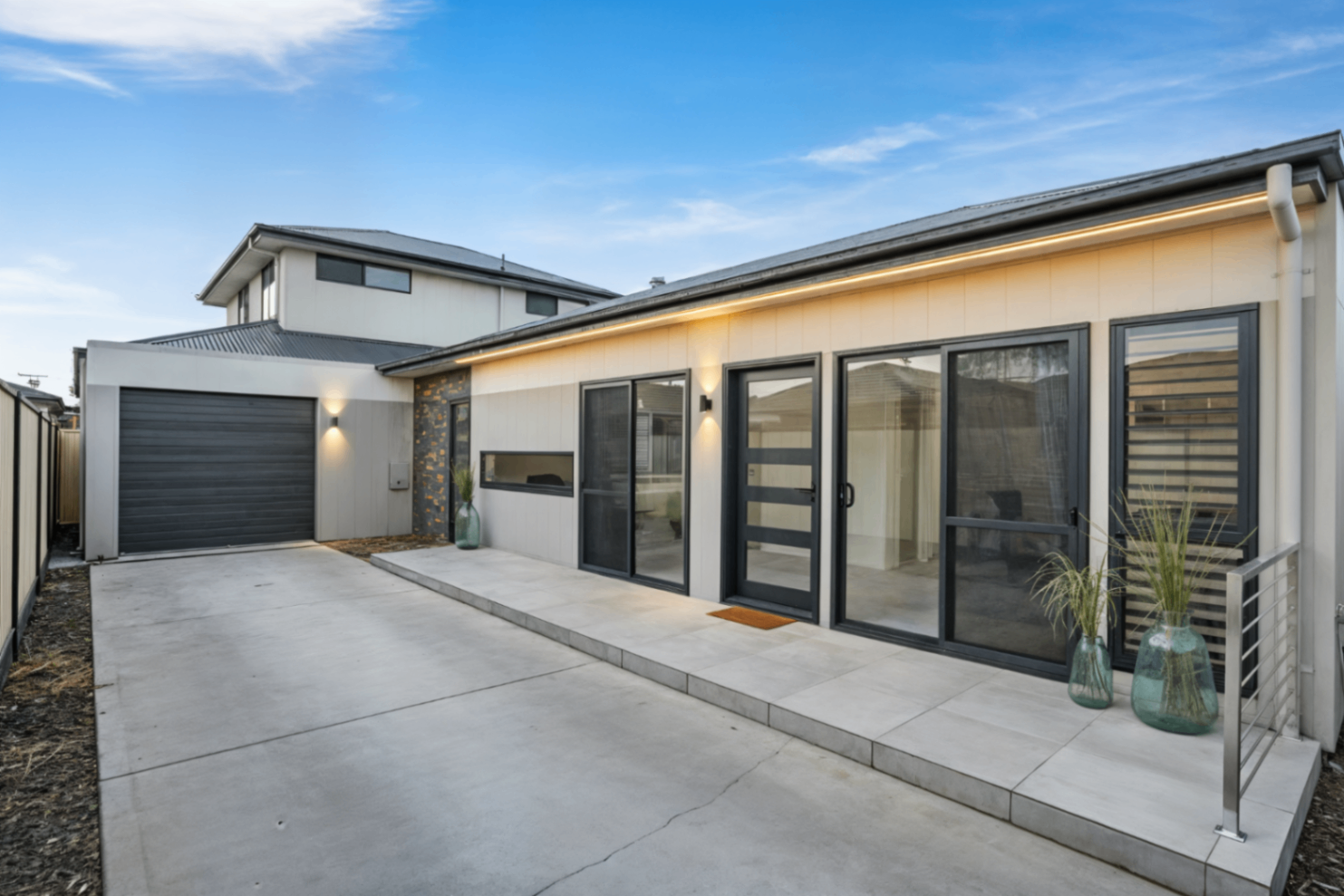
To get the highest possible rent, you need to offer a space that feels like a home, not a box. Tenants in 2026 are looking for specific features:
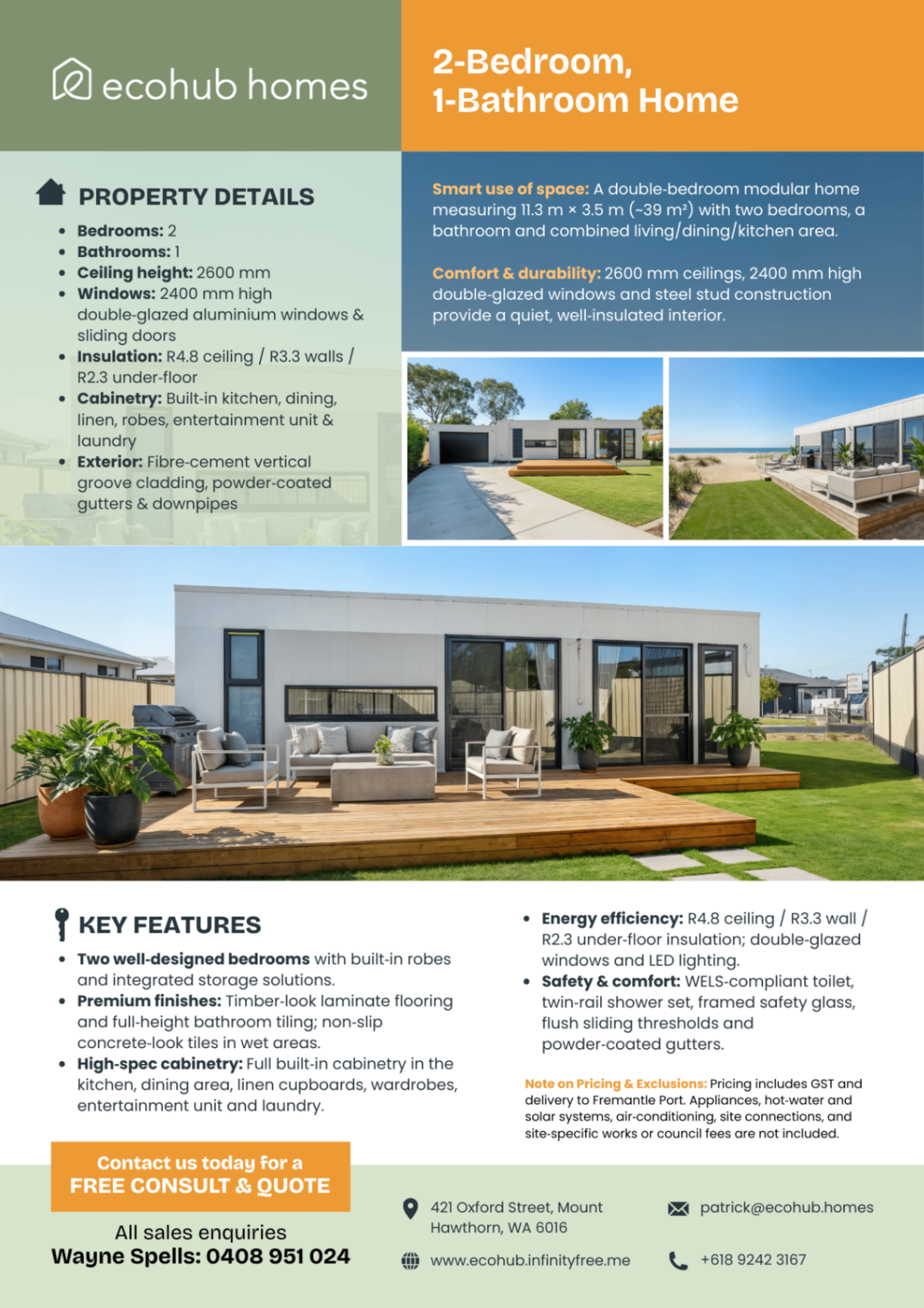
- Natural Light: Full-height double-glazed windows make small spaces feel expansive.
- High Ceilings: We recommend a minimum of 2.6m to create a sense of luxury.
- Private Access: If possible, create a separate entry path so the tenant doesn't have to walk through your "personal" zone.
- Sustainability: Energy prices are a major concern. High-spec insulation (like R4.8 ceiling batts) and solar readiness are huge selling points that can justify higher rent.
You can view our full range of designs: from compact studios to spacious three-bedroom homes: to see how we balance aesthetics with investment potential.
Navigating Regulations and Approvals
One of the biggest hurdles for investors used to be the "red tape." However, the landscape has changed. Most Australian states have significantly eased restrictions on granny flats to combat the housing crisis.
In many jurisdictions, you no longer need to be a "family member" to live in a secondary dwelling. You can rent them out to anyone on the open market. While you still need building permits and must meet setbacks and site coverage ratios, the process is far more streamlined than a traditional subdivision.
At EcoHub Homes, we handle the heavy lifting regarding services and approvals. We ensure your unit meets the National Construction Code (NCC) and local council requirements, protecting your investment from future legal or compliance issues.
Sustainability = Profitability
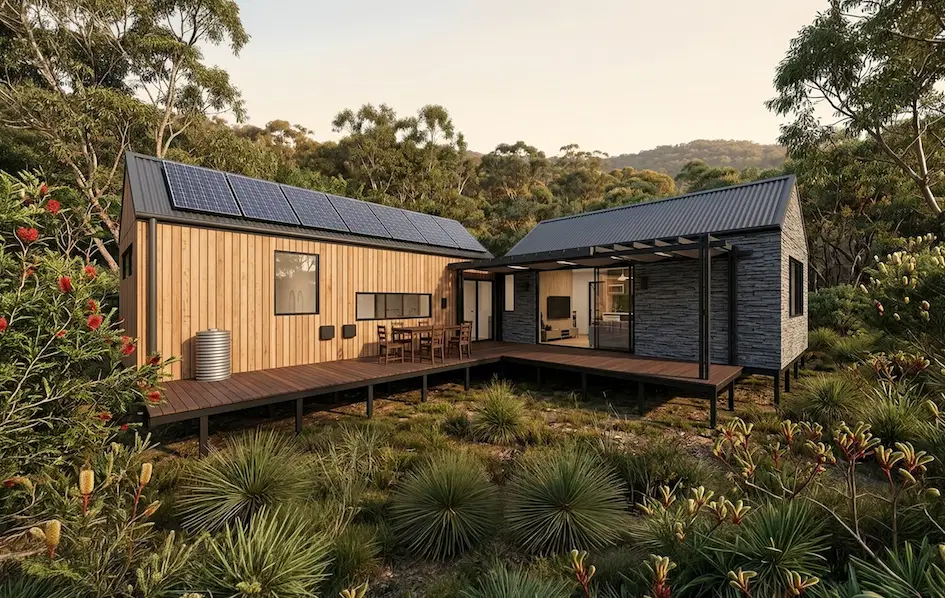
In 2026, "green" isn't just a buzzword; it's a financial strategy. Our 10-star rated homes use sustainable materials that last longer and require less maintenance.
When your investment features double-glazed windows, sustainable timber cladding, and high-efficiency appliances, your "holding costs" drop. If you are including utilities in the rent, solar panels and superior insulation mean more of that rent stays in your pocket instead of going to the power company. Furthermore, eco-conscious renters are often willing to pay a premium for a home that aligns with their values and offers lower living costs.
Step-by-Step: How to Get Started
If you’re ready to stop looking at a vacant lawn and start looking at a bank statement with extra zeros, here is the roadmap:
- Feasibility Check: Look at your land. Do you have at least 60-100sqm of clear space? Is there clear access for a crane or trailer?
- Budgeting: Determine your financing. Many banks now offer specific products for "secondary dwellings" or allow you to use the equity in your primary residence.
- Choose Your Model: Pick a design that fits your target demographic. A one-bedroom home is perfect for singles or couples, while a 3-bedroom T-House caters to small families.
- Permits and Prep: While we build your home in the factory, we’ll help you get the site ready: plumbing, electrical, and foundations.
- Installation and Handover: The unit is delivered, connected, and finished.
- Tenant Selection: Work with a local property manager or list it yourself.
The Bottom Line
Modular granny flats represent the most accessible entry point into property investment today. They allow you to manufacture equity and generate cash flow without the massive overheads of buying a second block of land.
Whether you want to help your kids get a start, provide a home for aging parents, or simply build a "wealth engine" in your backyard, the modular route is the smartest way to do it in 2026.
Ready to see what’s possible on your block?
Book a free consultation with the EcoHub team today and let’s turn that vacant lot into your next big win.