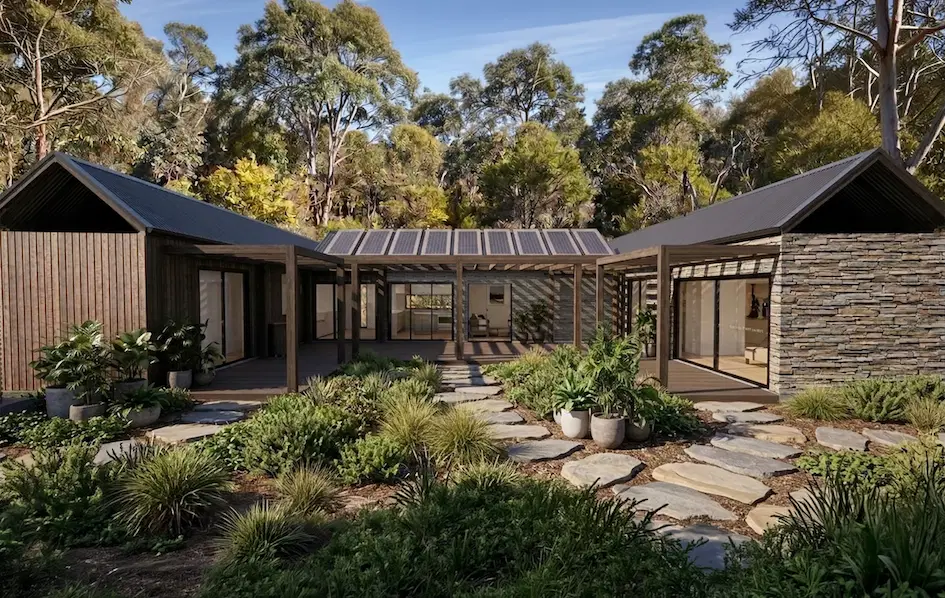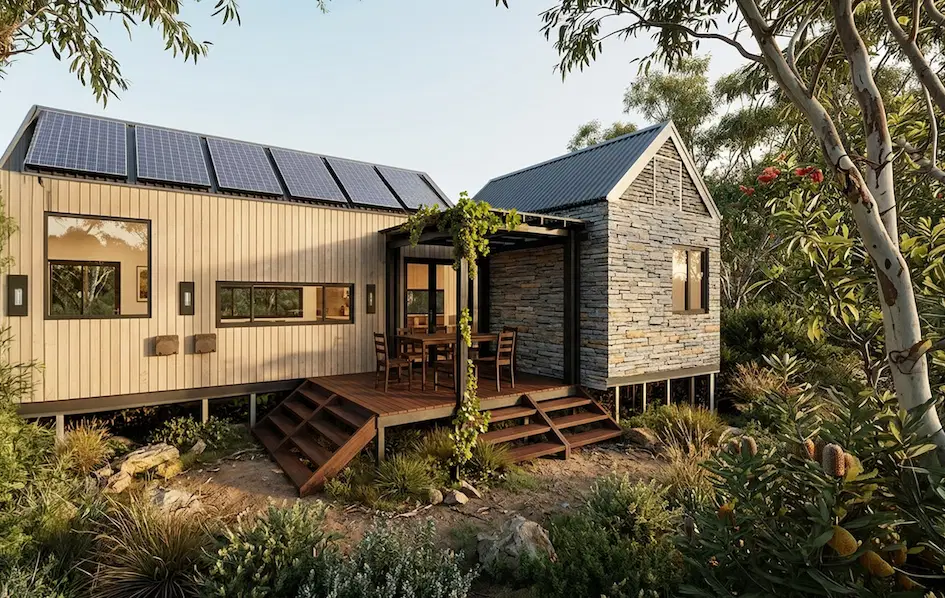
Before we dive into the data and strategies for navigating the current market, take a moment to walk through one of our signature designs. Seeing the quality firsthand changes everything.
https://youtu.be/Kskhm6zG7_c?si=Sjp40wDQ6mvRjJqk
The Australian housing market in 2026 isn't just "tight": it’s a pressure cooker. With a national shortfall of over 300,000 homes and rental prices consuming more than a third of the average household income, the "Great Australian Dream" feels more like a logistical nightmare for many. If you’ve been watching property prices climb by 10% to 16% in cities like Perth and Brisbane while traditional build times stretch into the eighteen-month mark, you know the status quo is broken.
But there’s a quiet revolution happening in factories across the country. Modular homes are no longer a "niche" alternative; they are becoming the primary strategy for smart property owners and investors to bypass the construction bottlenecks of 2026.
The 2026 Housing Crisis: Why Conventional Building is Failing
The crisis we’re facing today isn't just about a lack of land; it’s a failure of delivery. Traditional "stick-built" construction is currently hamstrung by a chronic shortage of skilled trades and a volatile supply chain. When you choose a conventional builder today, you aren't just buying a house: you’re buying into a 12-to-24-month period of uncertainty, price escalations, and weather delays.
Reports from the National Housing Supply and Affordability Council (NHSAC) confirm that while demand is skyrocketing, the "credible pathway" to closing the housing gap simply doesn't exist through traditional means. This is where modular construction steps in as the circuit-breaker. By shifting 90% of the build process into a controlled factory environment, we’ve effectively removed the "weather variable" and the "tradie-no-show" factor from the equation.
Speed is the New Currency: Cutting Build Times in Half
In a market where rents are "skyrocketing into 2026," every month your build sits unfinished is a month of lost income or wasted rent payments. Speed isn't just a convenience: it’s a financial imperative.
EcoHub Homes leverages a precision-engineered manufacturing process that allows us to build your home while your site is being prepared. While a traditional builder is waiting for the slab to cure and the rain to stop, our teams are finishing your kitchen cabinetry and installing double-glazed windows in a dry, efficient facility.
- Parallel Processing: Site works and factory construction happen simultaneously.
- Predictable Schedules: No more waiting for plumbers or electricians who are overbooked three months in advance.
- Rapid Installation: Once the modules arrive on your lot, the home is often assembled and weather-tight within days, not months.
Cost-Effectiveness in a High-Inflation Market
The most common question we hear is: "Can I actually afford to build in 2026?" With mortgage servicing costs hitting 45.9% of median incomes, the answer has to be a resounding yes: but only if you change your approach.
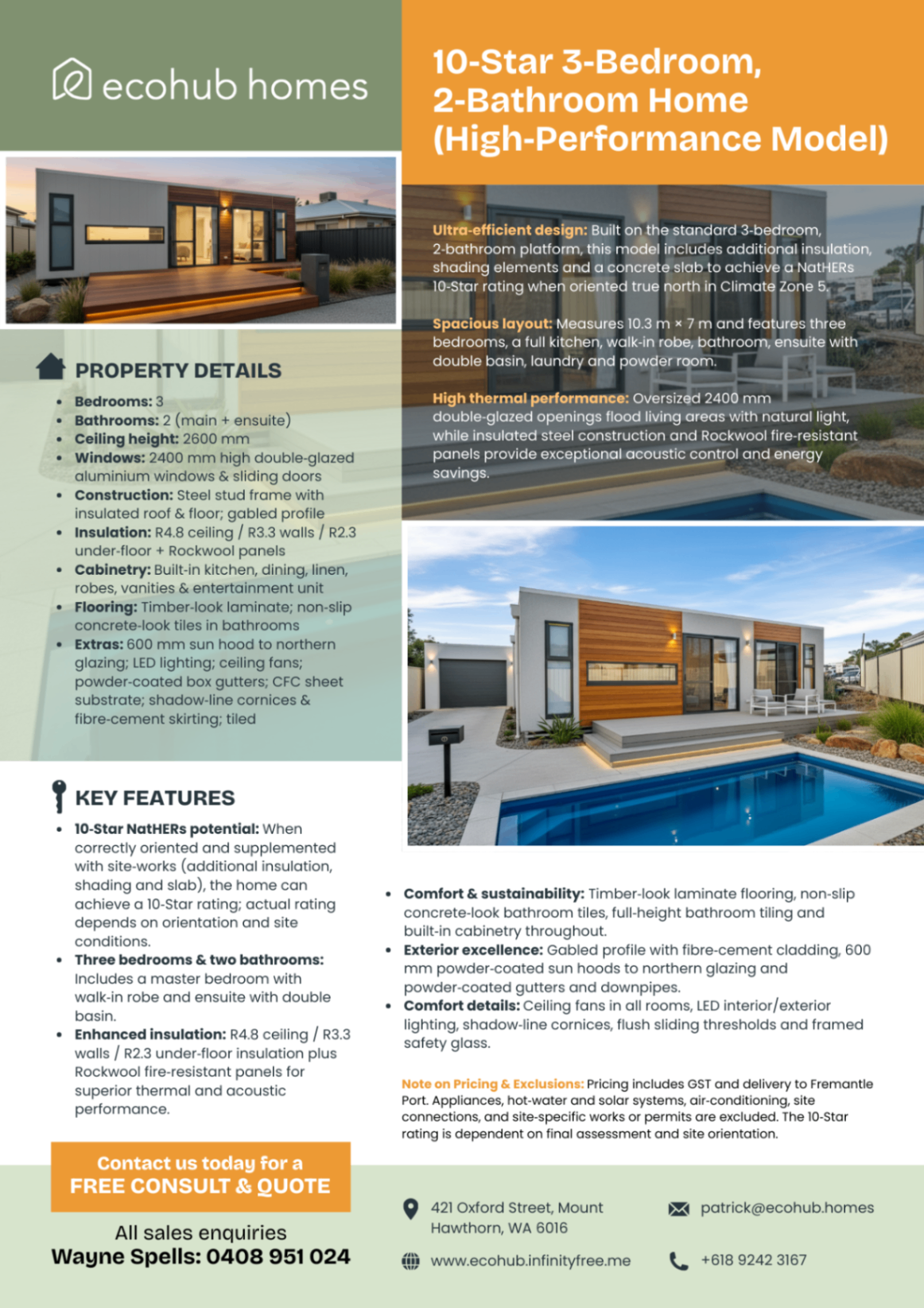
At EcoHub Homes, our modular solutions start from $99,000. Because we buy materials in bulk and operate with factory efficiency, we can offer premium finishes: like full-height double-glazed windows and high ceilings: at a price point that traditional custom builders simply can't touch.
In 2026, the average cost of a prefab home sits between $1,800 and $3,500 per square metre. Compared to the escalating costs of on-site custom builds, which are frequently subject to "prime cost" increases mid-contract, modular homes provide a level of price certainty that is vital for securing financing in a high-interest-rate environment.
Sustainability: Your Shield Against Energy Hikes
A home that is cheap to buy but expensive to run is not a solution to a housing crisis. As energy prices continue to fluctuate in 2026, the thermal performance of your home becomes a critical part of your household budget.
Every EcoHub home is designed with sustainability at its core. We aren't just ticking boxes; we are aiming for the highest NatHERS ratings possible.
- Insulated Design: Our modular panels provide superior thermal envelopes compared to standard brick-and-mortar.
- Double Glazing: Standard in our builds, reducing heat gain in summer and loss in winter.
- Solar Integration: Most of our designs, including our three-bedroom modular homes, come ready for solar arrays to keep you off the grid and away from rising utility bills.
Turning Vacant Lots into Passive Income Goldmines
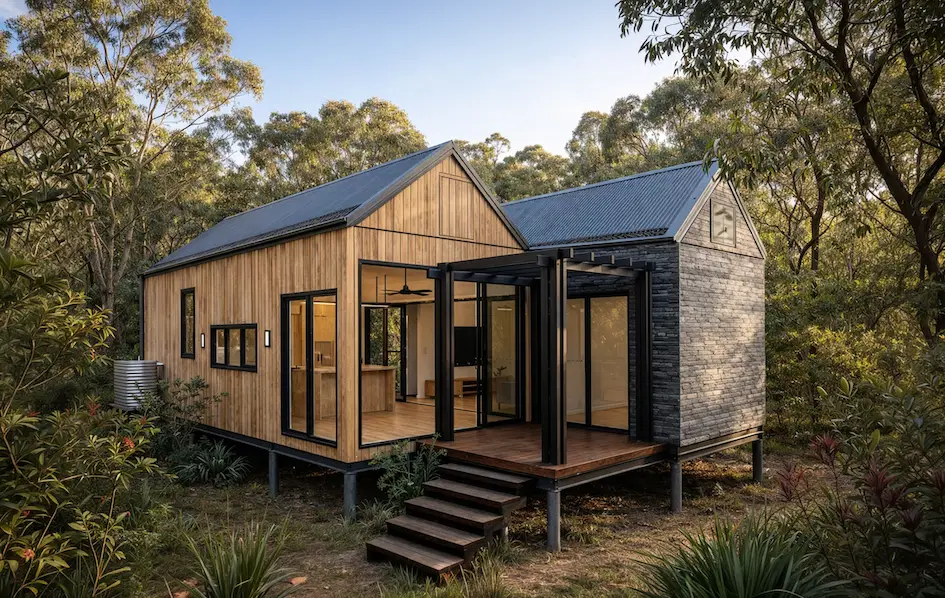
For investors, the 2026 housing crisis represents a significant opportunity. With the rental vacancy rate at historic lows, the demand for secondary dwellings (granny flats) and infill housing has never been higher.
If you have a large backyard or a vacant lot, you are sitting on a "smart investment" waiting to be unlocked. A modular one or two-bedroom home can be installed in a rear lot with minimal disruption to the main residence. This allows property owners to generate immediate passive rental income, helping to offset their own mortgage costs: a move that many are calling the "2026 Mortgage Survival Strategy."
"The shift toward off-site construction in Australia is no longer a trend: it's a necessity. To meet the massive housing shortfall of the mid-2020s, we must adopt manufacturing principles that prioritise speed, sustainability, and cost-certainty over outdated on-site methods."
: Industry Insight, EcoHub Homes Engineering Team
The EcoHub Advantage: 10-Year Warranty and Compliance
One of the lingering myths about modular homes is that they are "temporary" or "sub-standard." In 2026, nothing could be further from the truth. EcoHub homes are built to: and often exceed: all Australian building standards. We provide a 10-year warranty because we know our steel-framed, precision-engineered structures are built to outlast traditional timber frames.
From custom 3D visualisations during the design phase to handling the complex web of permits and site preparation, we take the stress out of the "crisis." We don't just deliver a house; we deliver a complete, turn-key living solution.
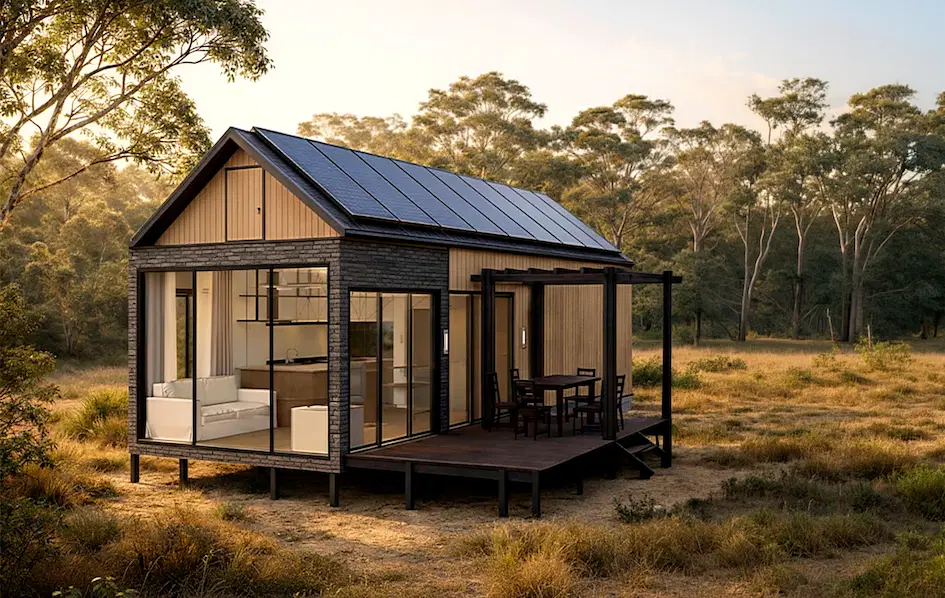
Is a Modular Home Right for You in 2026?
The choice between waiting years for a traditional build or moving into a sustainable, modern modular home in months is becoming clearer for thousands of Australians. Whether you are a first-home buyer looking for an affordable entry point, a family needing more space, or an investor looking to capitalise on the rental squeeze, the modular path offers a level of control that the current market lacks.
Don't let the housing crisis dictate your future. By choosing a smarter, faster, and more eco-friendly way to build, you can stay ahead of the game and secure your place in the Australian landscape.
Ready to explore your options?
Browse our range of one, two, and three-bedroom designs or contact our team today to see how we can help you beat the 2026 housing crunch. Your dream home: and your financial freedom: might be closer than you think.